Last Updated on August 24, 2026
Pack light, prioritize essentials, layer clothes, and protect gear for long trips.
I’ve packed for multi-day routes in deserts, mountains, and coastal trails for over a decade. This guide shows exactly how to pack for a multi-day adventure trip with clear checklists, smart trade-offs, and tested strategies. Read on to learn gear choices, packing order, weight-saving tips, and real-world tricks that keep you safe and comfortable on any multi-day adventure.

Plan your trip first
Before you choose gear, plan the trip. Note distance, terrain, weather, resupply points, and emergency exit routes. A clear plan narrows what you must carry and what you can skip.
Think about these details
- Trip length and daily miles
- Trail type: exposed, technical, or easy
- Climate and expected temperatures
- Places to top up food, water, or fuel
- Communication and rescue options
Why planning matters: when you know the route and conditions, you avoid duplicate or useless items. That saves weight and stress. How to pack for a multi-day adventure trip starts with good planning. My hikes felt lighter and safer once I timed resupplies and removed redundant items.

Choose the right pack and capacity
A proper pack makes packing simple. Pick a pack sized to hold your gear without extra bulk.
Pack size tips
- 30–50 liters for fast, light trips of 2–4 days
- 50–70 liters for longer trips or group gear
- Internal-frame packs for load stability and comfort
- Hipbelt fit and shoulder strap comfort matter more than style
Fit and test
- Load the pack and walk with it before the trip
- Adjust hipbelt to carry most weight on hips
- Check that the pack sits high on your back and does not rock
Selecting the right pack is a big step in how to pack for a multi-day adventure trip. If you oversize, you will fill it and carry unnecessary things. If you undersize, you might leave essentials behind.

Essential gear checklist
Focus on items that keep you warm, dry, fed, and safe. Use the three P rules: Protection, Performance, and Practicality.
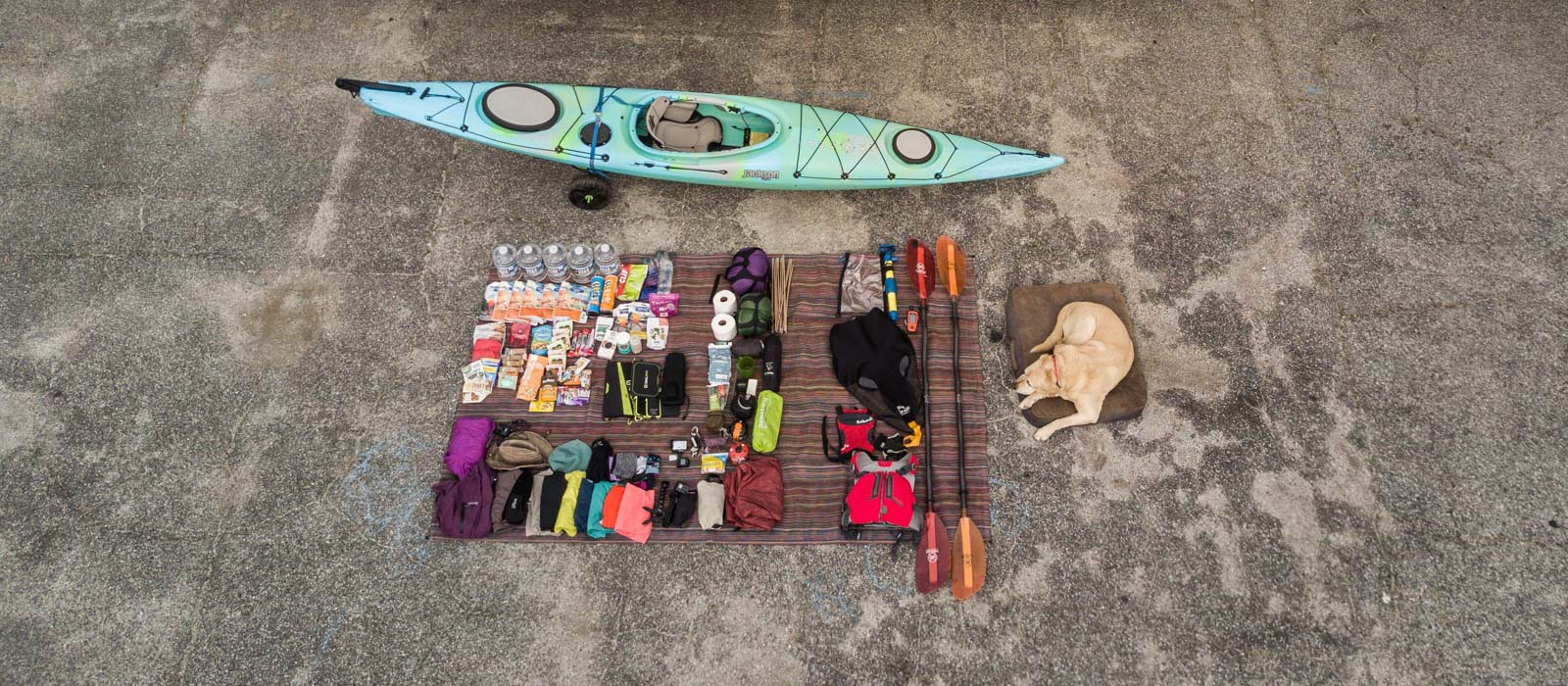
Core items to pack
- Shelter: tent, tarp, or hammock suited to conditions
- Sleep system: sleeping bag or quilt and pad rated for expected temps
- Stove and fuel or alternative cooking method
- Water treatment: filter, tablets, or purifier
- Navigation: map, compass, and GPS or phone backup
- Lighting: headlamp with spare batteries
- Fire: lighter and waterproof matches
- Multi-tool or knife
- Repair kit: duct tape, cord, spare buckles
I once cut a pack strap on day two. A small repair kit let our group continue. That’s the real value of essentials—small items prevent big problems.
Clothing and layering strategy
Layering is the core of clothing choices. Layers let you adapt to cold, heat, rain, and exertion.
Basic layer system
- Base layer: moisture-wicking top and bottom
- Insulation: lightweight fleece or down jacket
- Outer shell: breathable waterproof jacket and pants
- Accessories: hat, gloves, and buff or neck gaiter
Clothing tips
- Bring 1–2 change-of-clothes options, not a closet
- Use synthetic or merino fabrics for quick drying
- Wear the bulkiest items on travel days to save pack space
- Pack socks and underwear in waterproof bags to keep them dry
Good clothing choices are central to how to pack for a multi-day adventure trip. They keep you moving and comfortable from dawn to dark.
Food and water planning
Food gives energy. Water keeps you alive. Plan both carefully.
Food planning tips
- Pack calorie-dense, easy-to-cook meals: instant rice, dehydrated meals, nut butter, energy bars
- Portion meals for each day and add a small margin
- Consider stove time and fuel needs for group trips
Water strategy
- Know water sources on route and carry enough between them
- Use filtration for natural sources and carry a small backup treatment
- Store water weight low and centered in the pack for balance
I learned to pre-portion breakfast and dinner into zip bags. It saved time and reduced food waste. Proper planning of food and water is vital to how to pack for a multi-day adventure trip.

Sleep system and comfort items
A good night’s sleep makes the next day better. Invest in a sleep system that matches the season and your comfort needs.
Sleep items to pack
- Sleeping bag or quilt with appropriate temperature rating
- Sleeping pad for insulation and comfort
- Pillow or stuff sack with clothes as a makeshift pillow
- Tent footprint and stakes, plus seam sealer if needed
Comfort vs weight trade-off
- Choose a lighter quilt if you can tolerate minimalism
- Add a thicker pad for cold nights or side sleepers
- Consider a sleeping bag liner for extra warmth and cleanliness
I switched from a heavy mummy bag to a lighter quilt and a better pad. It cut weight and improved sleep. The right sleep system is key in learning how to pack for a multi-day adventure trip.
Organizing and packing techniques
Organization speeds camp setup and keeps gear dry and safe.
Packing methods
- Use stuff sacks or compression sacks to group items
- Keep frequently used items in top pockets or hipbelt pockets
- Store electronics in a dry bag inside the pack
- Put heavy items close to your back and centered for balance
- Use color-coding or labeled stuff sacks for quick pulls
Order of packing
- Bottom: sleeping bag and pad
- Middle: heavy items like stove and food
- Top: rain gear, layers, first aid
- External: tent, trekking poles, water bottles
A trial pack is priceless. Before leaving home, pack fully and walk a loop. That rehearsal lets you trim weight and rearrange for comfort.

Weight distribution and comfort on the trail
Carrying weight smartly saves energy and reduces injury risk.
Principles of weight distribution
- Carry 60–80% of weight on hips via the hipbelt
- Place heavy items near your shoulder blades and centerline
- Keep frequently used items accessible to avoid swapping while hiking
Reduce load with these tactics
- Share group gear such as stoves and tents
- Choose lighter alternatives for similar function
- Resupply food mid-trip when possible
A loaded pack can feel light with proper balance. Learning how to pack for a multi-day adventure trip often means learning where to place each item for stable, comfortable carry.
Safety, first aid, and emergency prep
Prepare for common issues. A small kit and knowledge go far.
Safety items
- Basic first aid kit, tailored to your group and route
- Whistle and mirror for signaling
- Emergency shelter or bivvy
- Satellite messenger or PLB if in remote areas
- Personal medications and backups
Skills that matter
- Basic first aid and blister care
- Route-finding and map reading
- How to treat water and make fire safely
On one trip, a group member twisted an ankle. Our small first aid kit and quick rest avoided a long evacuation. Pack safety items and train to use them—this is essential for how to pack for a multi-day adventure trip.
Pre-trip checklist and packing timeline
A timeline avoids last-minute panic and forgotten gear.
7–14 days before
- Finalize route and gear list
- Check weather and update clothing choices
- Service gear like stoves and sleep systems
1–3 days before
- Pack and do a trial run with the loaded pack
- Charge batteries and prepare navigation devices
- Prepare and portion food
Day of departure
- Check packing list and straps
- Leave a trip plan with someone responsible
- Pack sunscreen and a last-minute snack
A clear checklist prevents the common mistakes I once made—like forgetting fuel canisters or extra batteries. It’s central to how to pack for a multi-day adventure trip.
Common mistakes and lessons learned
I’ve made mistakes so you don’t have to. Here are lessons from experience.
Mistakes to avoid
- Overpacking: don’t bring “just in case” duplicates
- Underestimating weather: pack for heat and cold
- Poor footwear choice: never hike new boots without breaking them in
- Ignoring fit: an ill-fitting pack ruins comfort
Real lesson: prioritize items that keep you alive and mobile. Everything else gets trimmed. That mindset helps you truly master how to pack for a multi-day adventure trip.
PAA-style questions
How much should I pack for a multi-day adventure trip?
Pack to meet basic needs for shelter, sleep, food, water, and safety. Aim to eliminate nonessential items and test-pack to find a comfortable weight.
What is the best way to keep gear dry?
Use waterproof stuff sacks, dry bags, and a rain cover for your pack. Keep electronics and spare clothing in sealed bags and avoid setting the pack on wet ground.
How do I choose clothing for changing weather?
Use a layering system: base layer, insulation, and an outer shell. Carry lightweight, quick-drying fabrics and add warm layers for cold forecasts.
Can I share gear on group trips to reduce weight?
Yes, distribute heavy items like stoves and tents among group members. Coordinate who carries what and balance loads by body size and strength.
Should I bring spare batteries or a power bank?
Bring a power bank and spare batteries for essential devices like GPS and headlamps. Charge devices before the trip and conserve power by using airplane mode or low-power settings.
Frequently Asked Questions of How to Pack for a Multi-Day Adventure Trip
How do I reduce pack weight without losing essential items?
Trim gear by choosing multi-use items and lighter alternatives. Test-pack and remove anything not used on a short practice trip.
What is the best way to pack food for multiple days?
Pre-portion meals into daily bags and pack calorie-dense items. Freeze-dry and dehydrated meals save weight and cooking time.
Do I need a water filter or is boiling enough?
A filter is faster and lighter for multi-day trips with multiple water stops. Boiling works but needs fuel and time—carry a backup treatment.
How should I pack electronics safely?
Store electronics in a dry bag and insulate them from cold to avoid battery drain. Carry minimal devices and a compact power bank.
What clothing should I bring for unknown weather?
Pack a lightweight waterproof shell, an insulating mid-layer, and quick-dry base layers. This combo handles most changes in weather.
Conclusion
Packing well for a multi-day adventure trip means planning, choosing fit-for-purpose gear, and practicing packing techniques. Start with the route, pack the essentials, use layers, and keep weight centered and balanced. My top actionable tip: do a full trial pack and one short practice hike to test comfort and refine your list. Ready to pack smarter? Share your trip plans or ask a question below, and subscribe for more packing checklists and trip-tested tips.