Last Updated on August 9, 2026
Start with a helmet, good boots, a basic first-aid kit, navigation tools, and weather protection.
I’ve spent years leading outdoor trips and testing gear, so I know what works and what fails in the field. This guide on What Safety Gear Is Needed for Outdoor Activities? covers clear, practical gear lists, real-world tips, mistakes to avoid, and how to choose and maintain items for hiking, biking, climbing, paddling, and winter outings. Read on to equip yourself with the right safety kit and feel confident outdoors.

Essential safety gear for all outdoor activities
No matter the activity, some items belong in every kit. When you ask What Safety Gear Is Needed for Outdoor Activities? start with these basics.
- Helmet
- Protects head from impacts. Choose a helmet certified for your activity.
- Footwear
- Sturdy shoes or boots matched to terrain. Good traction and fit reduce injury risk.
- Layers and weather protection
- Moisture-wicking base layer, insulating mid layer, waterproof outer layer.
- First-aid kit
- Bandages, antiseptic wipes, blister care, pain reliever, and personal meds.
- Navigation tools
- Map and compass or GPS device, plus the skills to use them.
- Hydration and nutrition
- Water, filter or purification tablets, and calorie-dense snacks.
- Lighting and signaling
- Headlamp with spare batteries and a whistle or mirror for signaling.
- Emergency shelter
- Space blanket or lightweight bivy for unplanned overnight stays.
- Repair kit and tools
- Multi-tool, duct tape, spare cord, and activity-specific spares (like tire plugs).
From my guide trips, I learned that people who skip a map or first-aid kit regret it fastest. What Safety Gear Is Needed for Outdoor Activities? often comes down to carrying a handful of reliable items and knowing how to use them.
Activity-specific safety gear
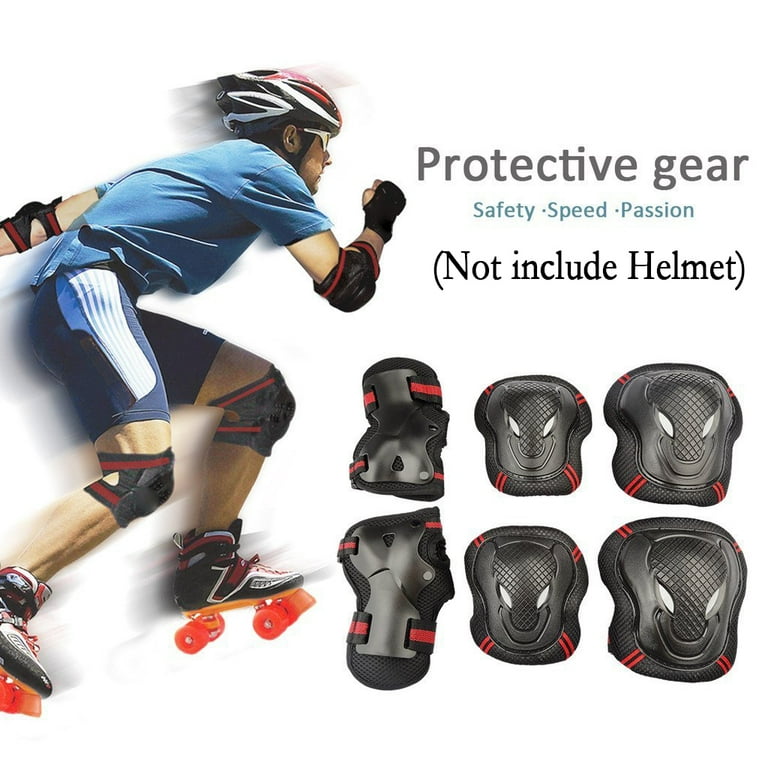
What Safety Gear Is Needed for Outdoor Activities? varies by sport. Here are the common extras by activity.
- Hiking and backpacking
- Trekking poles for stability, gaiters in wet or snowy terrain, a stove if cooking.
- Trail running
- Lightweight vest with water, blister kit, and a compact emergency blanket.
- Mountain biking and road cycling
- Bike-specific helmet, gloves, eye protection, pump, and spare tube or patch kit.
- Rock climbing and mountaineering
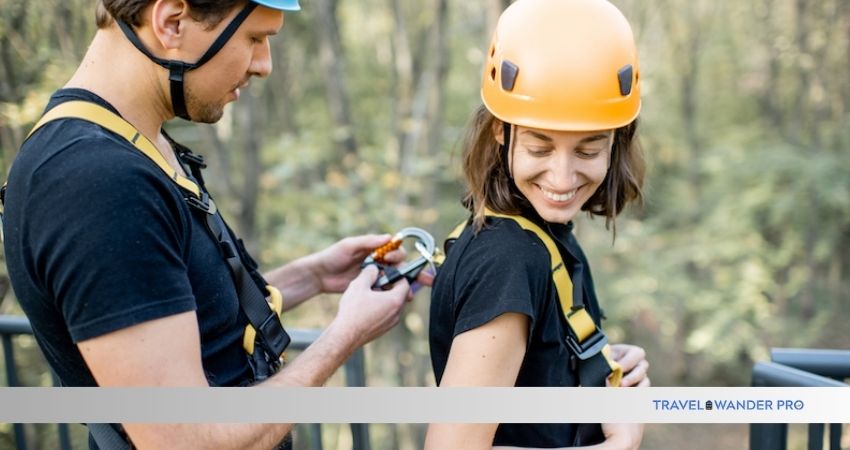
- Harness, rope, helmet, carabiners, belay device, and proper shoes; use certified gear.
- Paddling and water sports
- USCG-approved life jacket, spray skirt, dry bag, and a throw line.
- Winter sports
- Avalanche beacon, probe, shovel, insulated layers, and crampons or skins as needed.
In my years teaching climbing, I’ve seen simple gear like a worn harness or old rope cause avoidable risks. What Safety Gear Is Needed for Outdoor Activities? is best answered by matching gear to the hazards you expect and preparing for the unexpected.

First aid, emergency kits, and personal medical needs
A solid first-aid kit saves time and prevents small issues from becoming big ones. For What Safety Gear Is Needed for Outdoor Activities? include these first-aid essentials.
- Core items
- Adhesive bandages, gauze, tape, sterile pads, antiseptic, tweezers, and scissors.
- Pain and allergy management
- Ibuprofen or acetaminophen, antihistamine, and any prescribed meds.
- Blister and wound care
- Moleskin, blister pads, and antibiotic ointment.
- Emergency medications
- Epinephrine auto-injector if at risk for severe allergy; carry personal prescriptions.
- Instructions and training
- A simple first-aid manual or card, plus basic CPR and bleeding control training.
I carry a custom kit tailored to the group size and trip length. Once, quick wound care prevented a long delay on a remote trail. What Safety Gear Is Needed for Outdoor Activities? should always include training to use the items you pack.
Navigation, communication, and signaling
Getting lost is a top risk. Ask What Safety Gear Is Needed for Outdoor Activities? and make navigation and communication a priority.
- Map and compass
- Paper maps never run out of battery. Learn to use them.
- GPS and smartphone
- Use apps and offline maps, but don’t rely on batteries alone.
- Personal locator beacon or satellite messenger
- For remote trips, a PLB or satellite device can summon rescue when cell service is absent.
- Two-way radios
- Useful for groups in areas with limited cell coverage.
- Visual and audible signaling
- Whistle, signal mirror, and a bright clothing item increase your chance of being found.
On a multi-day trek, a satellite messenger once brought timely help after an ankle injury. That device made the difference. What Safety Gear Is Needed for Outdoor Activities? often includes at least one reliable way to call for help.

Choosing, fitting, and maintaining gear
Buying gear is one thing. Choosing the right fit and caring for it keeps you safe. When you wonder What Safety Gear Is Needed for Outdoor Activities? consider these steps.
- Fit matters
- Try on helmets, harnesses, boots, and life jackets. Proper fit reduces injury and fatigue.
- Certifications and standards
- Look for activity-specific certifications (CE, ASTM, UIAA, USCG).
- Inspect before each use
- Check for wear, frayed ropes, expired airbags, cracked shells, or loose seams.
- Replace on schedule
- Retire items after significant impact, heavy wear, or manufacturer-recommended lifespan.
- Practice with gear
- Set up tents, tie essential knots, and test your stove at home before the trip.
I once saw a helmet fail because it was 15 years old. After that, I keep a simple inspection checklist. What Safety Gear Is Needed for Outdoor Activities? is as much about maintenance and skill as it is about buying items.

Packing checklist and trip planning
Good planning reduces risk. Use this short checklist when thinking about What Safety Gear Is Needed for Outdoor Activities?
- Essentials to pack
- Helmet, footwear, layers, first-aid kit, map/compass, water, food, light, and shelter.
- Extra items by risk
- PLB for remote areas, avalanche gear for backcountry snow, repair kit for bikes.
- Group planning
- Share gear duties, brief everyone on route and emergency plan.
- Weather and timing
- Check forecasts, pack for worst-case conditions, and leave early to avoid hazards.
- Leave a trip plan
- Tell a trusted person your route and expected return.
On one wet trip, sharing a compact tarp with another hiker kept us warm and dry. Simple planning wins. What Safety Gear Is Needed for Outdoor Activities? depends on smart packing and realistic trip plans.
Quick People Also Ask — short answers
Here are fast answers to common queries about What Safety Gear Is Needed for Outdoor Activities?
Do I need a helmet for all outdoor activities?
Yes for high-risk activities like climbing, biking, and skiing. For hiking, a helmet is needed only in areas with rockfall or technical terrain.
What is the most important safety gear for hiking?
A good pair of boots, navigation tools, a basic first-aid kit, and weather protection are the core items you should carry.
How do I choose the right life jacket?
Pick a USCG-approved life jacket that fits snugly and matches your activity, whether paddling, sailing, or fishing.

Frequently Asked Questions of What Safety Gear Is Needed for Outdoor Activities?
What basic gear should every hiker carry?
Every hiker should carry a map and compass, water, snacks, first-aid kit, headlamp, layers for weather, and a whistle for emergency signaling.
How much first aid training do I need?
Basic first-aid and CPR training is highly recommended; consider a wilderness first-aid course for remote trips where help is delayed.
Is a satellite messenger necessary?
A satellite messenger or PLB is strongly advised for remote trips with no cell service, especially in areas with challenging terrain or weather.
How often should I replace safety equipment?
Replace safety gear after major impacts, visible wear, or by the manufacturer's recommended age. Regular inspections help decide when to replace items.
Can I rent specialized safety gear?
Yes, renting helmets, life jackets, and some technical gear is common and often well maintained; verify rental condition and proper fit before use.
What should I do if a piece of gear fails on the trail?
Stop, assess the issue, use repair gear or contingency plans, and if the situation is unsafe, turn back or call for help using your communication device.
How do I balance weight vs safety?
Prioritize safety items first—navigation, shelter, water, and first aid—then add comfort items if weight allows. Practice pack organization to reduce bulk.
Conclusion
Good gear makes outdoor time safer and more fun. Start with the essentials: helmet, proper footwear, first-aid kit, navigation tools, and weather protection, then add activity-specific items. Learn to use and care for your gear, plan for risks, and pack a bit more than you think you need. Take one step today: inspect your kit, replace any worn items, and practice using them before your next trip. Share your experiences below, subscribe for gear guides, or ask a question about your kit.