Last Updated on August 2, 2026
Packing for a backpacking adventure can feel overwhelming. You want to bring everything you need but avoid carrying too much weight.
Getting it right means more comfort, more freedom, and less stress on your trip. Imagine having a backpack that fits perfectly and contains just what you need—nothing extra, nothing missing. In this guide, you’ll discover simple, smart ways to pack that save space and keep you prepared for anything.
Ready to make packing easy and efficient? Let’s dive in.
Choosing The Right Backpack
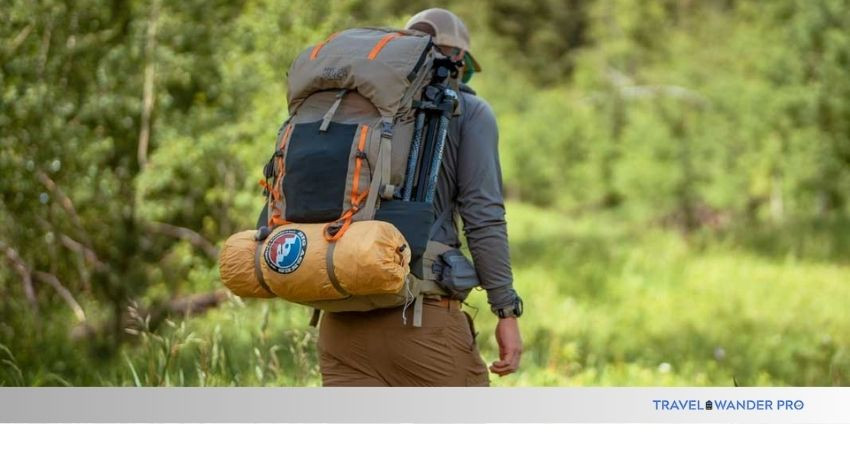
Choosing the right backpack can make or break your backpacking adventure. It’s not just about style—your backpack needs to fit your body, hold all your essentials, and feel comfortable over long distances. Picking the right one requires careful thought about how much gear you’ll carry and how you’ll carry it.
Size And Capacity
Think about how many days your trip will last and what gear you need to bring. Backpacks come in different sizes measured in liters, typically ranging from 30L to 70L for multi-day trips. A 40-50L pack works well for most 2-4 day adventures, while longer trips with extra gear might require 60L or more.
Don’t buy a huge pack just because it looks cool—overpacking adds unnecessary weight. Ask yourself: Can you comfortably carry the stuff you need in this size? If you’re unsure, try packing your gear at home to get a feel for the space needed.
Comfort And Fit
Your backpack should fit your torso length and hip size, not just your overall height. Many brands offer adjustable frames or different sizes, so take time to measure yourself or get fitted at a store. A well-fitted pack transfers most of the weight to your hips, reducing strain on your shoulders.
Look for padded shoulder straps and a supportive hip belt. Ventilated back panels can help reduce sweating on hot days. Remember, a backpack that feels good on a short walk might feel very different after hours on the trail—test it with some weight before you buy.
Essential Features
- Multiple compartments:Separate pockets help organize gear and keep items accessible.
- Hydration compatibility:Look for a sleeve or port to fit a water bladder for easy sipping on the move.
- Compression straps:These keep your load stable and prevent shifting while hiking.
- Rain cover:An integrated or detachable rain cover protects your gear in wet weather.
- Attachment points:Loops or daisy chains for trekking poles or sleeping bags add versatility.
Have you ever struggled to reach a water bottle or found your pack sliding off your hips? These small features can solve those problems and improve your overall experience. Choosing a backpack isn’t just about what looks good on the shelf—it’s about what makes your journey easier and more enjoyable.
Credit: bookatrekking.com
Packing Essentials Smartly
Packing smartly for a backpacking adventure saves space and weight. It helps keep you comfortable and prepared for changing conditions. Focus on essentials that serve multiple purposes. Prioritize lightweight and compact items to ease your travel experience.
Clothing And Footwear
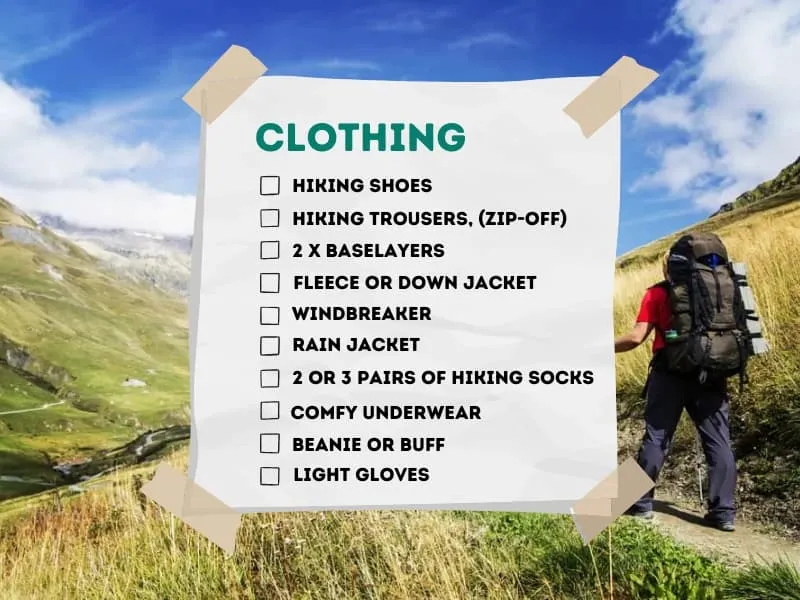
Choose clothes that dry quickly and resist wrinkles. Layering is key—pack a base layer, an insulating layer, and a waterproof outer layer. Limit your clothing to what you can wear more than once. Pick sturdy, comfortable footwear that suits the terrain. Bring extra socks to avoid blisters and keep feet dry.
Camping Gear
Select a lightweight tent or hammock that packs small. A sleeping bag rated for the expected temperature keeps you warm. Include a compact sleeping pad for comfort and insulation. Bring a reliable headlamp or flashlight with spare batteries. Pack a small repair kit for quick fixes.
Food And Hydration
Choose high-energy, lightweight foods like nuts, dried fruits, and energy bars. Plan meals that require minimal cooking or preparation. Carry a portable stove and fuel if needed. Use a durable water bottle or hydration bladder. Pack a water filter or purification tablets to stay safe.
Organizing And Weight Distribution
Organizing and distributing weight in your backpack is key to a comfortable adventure. Proper packing avoids strain on your back and shoulders. It helps maintain balance while hiking. Thoughtful organization saves time and keeps essentials within reach.
Packing Techniques
Place heavy items close to your spine, near the middle of the pack. This keeps your center of gravity stable. Lighter items go on the outer edges or at the top. Use compression bags to reduce bulk and keep things tight. Roll clothes instead of folding to save space.
Balancing The Load
Split weight evenly between left and right sides. Uneven loads cause discomfort and affect your posture. Keep the pack’s weight low and close to your back. Avoid placing heavy items too high or too far from your body. Check the balance by standing and moving a bit.
Accessibility Tips
Pack items you use often near the top or in external pockets. Keep snacks, maps, and rain gear easy to reach. Store sleeping bags and bulky items at the bottom. Organize small items in pouches or ziplock bags. This prevents digging and saves time during stops.

Credit: www.youtube.com

Credit: www.sport-conrad.com
Frequently Asked Questions
What Are The Essential Items To Pack For Backpacking?
Pack lightweight clothes, a sturdy backpack, water bottle, first aid kit, and navigation tools.
How Can I Keep My Backpack Light And Organized?
Use packing cubes, limit clothes, and carry only multi-use gear to stay light and tidy.
What Clothing Is Best For A Backpacking Trip?
Choose quick-dry, breathable clothes and layers to adjust to changing weather and keep comfortable.
How Do I Pack Food For A Backpacking Adventure?
Bring lightweight, non-perishable snacks like nuts, dried fruit, and energy bars for easy meals.
How To Protect My Gear From Rain During Backpacking?
Use waterproof bags or rain covers to keep your backpack and gear dry in wet weather.
Conclusion
Packing for a backpacking adventure can be simple and enjoyable. Start with essentials. Choose lightweight gear to ease your journey. Organize items by priority. Use packing cubes for better space management. Remember to check the weather and pack accordingly. Layered clothing works best for unpredictable conditions.
Keep your backpack balanced for comfort. Don’t forget your first-aid kit and multi-tool. Snacks and a refillable water bottle are must-haves. Stay prepared and enjoy your adventure. These steps ensure a smooth and memorable trip. Happy backpacking!