Last Updated on August 24, 2026
Essential camping gear: shelter, sleep system, cooking kit, clothing, navigation, lighting, and safety items.
I’ve spent years camping in deserts, mountains, and forests. I’ll walk you through what to buy, what to skip, and how to pack. This guide answers What Is Essential Camping Gear for Beginners? with clear, tested advice so you arrive prepared, safe, and ready to enjoy the outdoors.
What Is Essential Camping Gear for Beginners? — Core categories
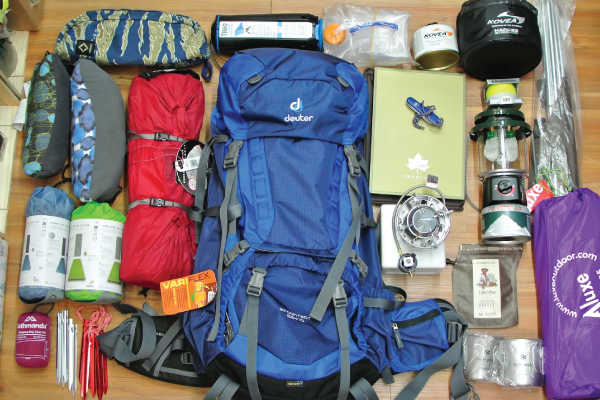
When you ask What Is Essential Camping Gear for Beginners?, think in five key groups: shelter and sleep, cooking, clothing, navigation and lighting, and safety and repair. Each group covers a few must-have items that keep you warm, dry, fed, and safe. Below I break down each group, give examples, and share tips from real trips to help you pick smart gear.

Shelter and sleep
When figuring out What Is Essential Camping Gear for Beginners?, start with a reliable shelter and sleep system. A good tent, sleeping bag, and sleeping pad set the tone for comfort and safety. I once underestimated the cold and woke up chilled; after that trip I focused hard on a bag rated for lower temps and a thicker pad.
- Tent: Choose a freestanding, 3-season tent for most beginner trips. Look for easy setup, a rain fly, good zippers, and proper stakes.
- Sleeping bag: Match the bag’s temperature rating to the coldest night you expect. Mummy bags save weight and retain heat better.
- Sleeping pad: Insulated foam or inflatable pads add warmth and comfort. R-value shows warmth; higher is warmer.
- Ground tarp or footprint: Protects tent floor from abrasion and moisture. Cut to tent size.
Practical tips
- Set up your tent at home first. Practice saves time and stress on trip day.
- Choose tent size with a little extra room for gear. An extra 6–12 inches matters.

Cooking and food kit
When deciding What Is Essential Camping Gear for Beginners?, cover how you’ll cook and store food. A small, simple cooking setup keeps meals easy and enjoyable. On my first solo trip I packed too much food and a heavy stove; I learned to simplify to save weight.
- Stove: A compact canister stove or single-burner liquid fuel stove is fine for most trips. Choose one with stable pot support.
- Cookware: One pot, a lightweight pan, and a spork usually do the job. Opt for nonstick or hard-anodized for easy cleaning.
- Fuel and lighter: Carry spare fuel and at least two ignition methods—lighter and waterproof matches.
- Food storage: Bear canisters or hanging bags are essential in bear country. Use airtight containers for general trips.
- Water: Bring a filter or purification tablets plus a refill plan. Carry a water bottle and a collapsible reservoir.
Meal tips
- Plan simple, high-calorie meals that cook fast. Think rice, pasta, dehydrated meals, and oats.
- Pre-portion and pack meals in labeled bags to simplify cooking.
Clothing and layering
When people ask What Is Essential Camping Gear for Beginners?, clothing often gets overlooked but is vital. Layering controls heat, moisture, and comfort across changing weather. I once got soaked in a spring storm because I hadn’t packed a proper shell; that taught me to prioritize waterproof breathable layers.
- Base layer: Moisture-wicking fabric for next-to-skin comfort. Avoid cotton.
- Mid layer: Insulating fleece or light down for warmth.
- Outer layer: Waterproof, breathable shell jacket and pants for rain and wind.
- Extra items: Warm hat, gloves, wool socks, and a camp pair of shoes.
- Footwear: Sturdy hiking boots or trail shoes that fit well and match terrain.
Clothing tips
- Pack a dry set of clothes to sleep in. Wet sleepwear makes for a bad night.
- Use compression sacks or dry bags to keep clothes dry and compact.

Navigation, lighting, and electronics
To answer What Is Essential Camping Gear for Beginners?, remember that light and direction keep you safe after dark and on the trail. Even short trips benefit from reliable lights and a backup navigation plan.
- Map and compass: Basic navigation tools. Learn to use them before heading out.
- Headlamp: Hands-free light with fresh batteries and a spare set.
- GPS or phone: Helpful but treat as a backup; batteries die and signals fail.
- Power: Small power bank for phone and devices. Solar chargers are useful for longer trips.
Field tip
- Carry extra batteries in a dry container. Test your headlamp before leaving home.
:max_bytes(150000):strip_icc()/camping-supplies-checklist-2000-df20795b170c4d5792702431b60f0d03.jpg)
Safety, first aid, and emergency items
When considering What Is Essential Camping Gear for Beginners?, pack for common injuries and emergencies. A small first aid kit and basic safety tools can prevent small problems from becoming big ones. I used a simple kit to treat a deep blister on a long hike; a little prep saved the trip.
- First aid kit: Include bandages, blister care, antiseptic, pain reliever, tweezers, and any personal meds.
- Knife or multi-tool: Useful for many tasks from food prep to gear repair.
- Firestarter: Waterproof matches, lighter, and tinder. Practice safe fire use.
- Emergency shelter: Lightweight emergency blanket or bivvy for unexpected overnight stays.
- Whistle and signaling mirror: For attracting attention in emergencies.
Safety tips
- Take a small wilderness first aid course to boost confidence.
- Share your route and expected return time with someone you trust.
Tools, repair, and maintenance
When you want to know What Is Essential Camping Gear for Beginners?, include simple tools for repairs. Small fixes on the trail keep gear usable and trips on schedule. I learned to pack duct tape and cord after a tent pole snapped; a quick wrap held it together till I got home.
- Repair kit: Duct tape, cord, spare buckles, and a tent pole repair sleeve.
- Sewing kit: Needles, thread, and safety pins can fix clothes fast.
- Patch kit: For sleeping pads and inflatable gear.
- Small pump or patch supplies: For inflatables and air mattresses.
Packing, weight, and checklist
Answering What Is Essential Camping Gear for Beginners? also means packing smart. Too much weight spoils the fun. I once carried 30 extra pounds on a short hike and regretted every step; learning to slim down makes trips better.
Packing strategy
- Make a checklist and test pack at home.
- Prioritize items that do multiple jobs.
- Distribute weight evenly in your pack; heavy items close to the spine and centered.
Sample basic checklist
- Tent, footprint, stakes
- Sleeping bag and pad
- Stove, cookware, fuel
- Water filter and bottles
- Clothing layers and rain gear
- Headlamp and batteries
- First aid kit and knife
- Map, compass, phone, power bank
How to choose gear on a budget
Many beginners ask What Is Essential Camping Gear for Beginners? and worry about cost. You can find solid, affordable gear with smart choices and second-hand options. I began with used gear and upgraded key items later; it saved money and helped me learn what mattered.
Money-saving tips
- Borrow gear from friends to test what you like.
- Buy second-hand for tents and backpacks; inspect seams and zippers.
- Invest most in a good sleeping bag, pad, and footwear—these affect comfort the most.
- Wait for sales and off-season deals for expensive items.
Practical mistakes to avoid
When you consider What Is Essential Camping Gear for Beginners?, beware common beginner errors. I made many and learned faster by failing small. These quick points prevent common setbacks.
Common mistakes
- Overpacking: Brings extra weight and fatigue.
- Underestimating weather: Leads to discomfort and safety risks.
- Skipping practice setups: Struggles at the campsite waste time and morale.
- Ignoring footwear fit: Bad boots ruin hikes.
Frequently Asked Questions of What Is Essential Camping Gear for Beginners?
What are the first three items I should buy for camping?
Start with a tent, sleeping bag suited to your climate, and a sleeping pad. These three define your comfort and safety at camp.
Do I need a special stove for camping?
A small canister stove works for most beginners because it is light and easy to use. For cold or remote trips, consider a liquid fuel stove.
How much water should I carry on a day hike?
Carry at least 1 liter per two hours of moderate activity in mild weather; increase in heat or strenuous terrain. Always know water sources along your route.
Can I camp without a tent?
Yes, you can use a hammock with a rain tarp or an emergency bivvy in some settings. Shelter choice depends on terrain, weather, and comfort needs.
How do I keep food safe from animals?
Use a bear canister where required, or hang food in a tree away from camp. Store food in sealed bags and cook away from sleeping areas.
Conclusion
This guide shows What Is Essential Camping Gear for Beginners? by focusing on shelter, sleep, cooking, clothing, navigation, and safety. Start with the core items, test gear at home, and learn from short trips before longer adventures. Take one small step today: make a checklist, borrow a tent, and plan a one-night trip to try your setup. Share your experience, ask questions below, or subscribe for more practical camping tips and packing lists.