Last Updated on August 9, 2026
Use a sleeping bag properly by matching temperature rating, layering, and sealing gaps for warmth.
I have guided hundreds of campers and tested gear over a decade, so this clear, practical guide on How to Use a Sleeping Bag Properly will help you sleep warmer, longer, and more comfortably on any trip. I’ll walk you step-by-step from choosing the right bag to packing, setup, care, and real-world tips I learned from cold nights on mountaintops and humid summer campsites. Read on to master How to Use a Sleeping Bag Properly and avoid the common mistakes that wreck a night’s sleep outdoors.
Choosing the Right Sleeping Bag
Picking the right bag is the first step in learning How to Use a Sleeping Bag Properly. Consider temperature rating, shape, insulation type, and fit.
- Temperature rating
- Choose a bag rated for conditions colder than you expect to encounter. A bag rated for 20°F is safer than one rated for 35°F if you might hit cold nights.
- Shape and size
- Mummy bags trap heat better. Rectangular bags give more room for movement. Ensure shoulder and foot room without excessive air space.
- Insulation type
- Down is lighter and compresses well. Synthetic insulates when wet and dries faster. Choose based on weight needs and wet-weather risk.
- Weight and packability
- Ultralight bags save carry weight but cost more. For backpacking, prioritize warmth-to-weight ratio.
- Additional features
- Draft collars, hoods, and zipper baffles improve warmth. A two-way zipper adds venting options.
Personal note: I once took a summer bag into early fall and learned the hard way that a modest 15° difference makes sleep miserable. Choosing the right bag prevents that problem and is the core of How to Use a Sleeping Bag Properly.
Preparing Your Sleep System
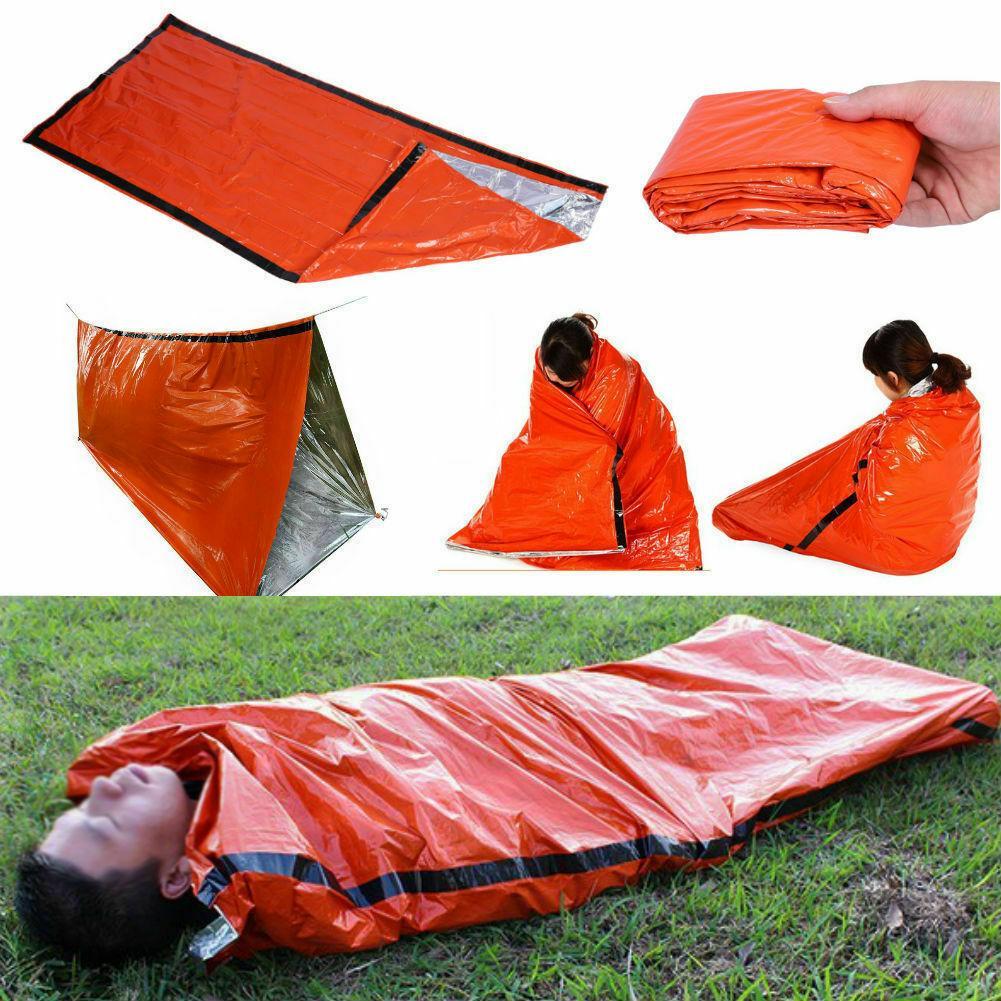
Preparation matters when you want to know How to Use a Sleeping Bag Properly. A sleeping bag is one part of a system that includes a sleeping pad, liner, clothing, and shelter.
- Sleeping pad
- Use an insulated pad with an R-value suited to cold. The pad prevents conductive heat loss to the ground.
- Liner
- A liner adds 5–10°F warmth and keeps the bag cleaner. Silk or thermal liners are lightweight options.
- Clothing
- Wear dry base layers. Avoid tight clothing that restricts circulation. Bring a hat in cold nights.
- Tent placement and ventilation
- Place your shelter on level ground. Vent for moisture control while keeping wind drafts minimal.
- Hydration and pre-sleep routine
- Warm fluids and a light snack raise core temperature. Avoid heavy alcohol or big meals that disrupt sleep.
PAA-style question: What should I sleep on under my sleeping bag?
- Answer: Use an insulated sleeping pad sized to your bag. The pad stops heat loss to the ground and is essential to proper sleeping bag use.
PAA-style question: Do I need a liner to use my sleeping bag properly?
- Answer: A liner helps with warmth and hygiene. It’s handy but not always required if your bag and conditions match.

How to Use a Sleeping Bag Properly: Setup and Positioning
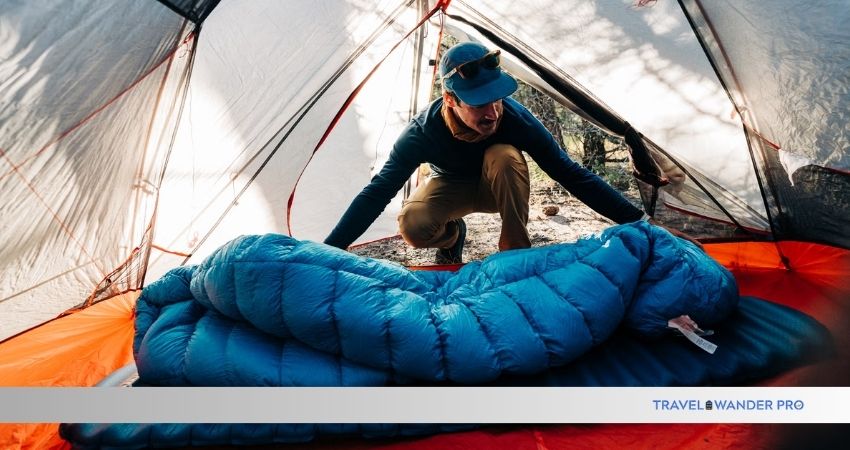
Setup and positioning are where technique turns gear into rest. This section focuses on actions you can take immediately to get the most from your bag.
- Loft and shaking
- Before use, give your bag a quick shake or air it to restore loft, especially for down. Proper loft means better insulation.
- Entering the bag
- Loosen the hood and slide in feet first. Then bring shoulders and torso into place. Avoid trapping cold air inside before zipping up.
- Zipping and sealing
- Zip fully in cold conditions. Use draft tubes and collar if available. A half-zip can be fine for warm nights.
- Head position and hood
- Use the hood and drawcord on cold nights. Your head loses heat; a snug hood reduces heat loss.
- Footbox and circulation
- Don’t cram feet. A tight footbox can reduce circulation and make you colder. Keep some wiggle room.
- Venting for comfort
- Open the zipper slightly to vent if you overheat. Proper use includes regulating ventilation to match body heat.
Practical tip: On a damp mountain night, I stuffed my sleeping clothes in a dry bag inside the hood to protect warmth. Small adjustments like that matter when you practice How to Use a Sleeping Bag Properly.

Sleep Hygiene and Temperature Control
Good habits increase the effectiveness of a bag. Learn how to use a sleeping bag properly by managing moisture, layers, and body heat.
- Keep it dry
- Moisture reduces insulation. Use a rainfly, vent your shelter, and avoid sweating into the bag.
- Layering strategy
- Add or remove layers to control heat. Start slightly cool and add a hat or liner if needed.
- Food and hydration
- A warm drink 30 minutes before sleep raises comfort. Avoid heavy meals that cause indigestion.
- Managing wet conditions
- If your bag gets wet, air it in sunlight or dry thoroughly at home. Synthetic dries faster in the field.
- Cold-weather strategies
- Use a closed-cell foam pad under an inflatable pad for extra R-value. Keep spare clothes dry to change into before bed.
From experience: A couple of nights I saved by sleeping with a dry shirt and socks swapped just before bed. Knowing how to use a sleeping bag properly includes small routines like this.
Caring for Your Sleeping Bag
Long-term performance depends on care. Proper care ensures your bag stays effective and helps you continue to use a sleeping bag properly for years.
- Storage
- Store your bag loosely in a large cotton sack or hang it. Avoid long-term compression in a stuff sack.
- Cleaning
- Spot clean when possible. For full washes, follow manufacturer instructions—use front-load washers and mild soap for down or synthetic.
- Drying
- Tumble dry low with tennis balls for down to restore loft, or air dry thoroughly. Never store wet.
- Repair
- Patch small tears promptly. Re-waterproof external fabrics as needed.
- Lifespan
- Expect down to last longer with care. Replace the bag when insulation performance declines.
I once repaired a washed-out zipper with a field patch and a small sewing kit. Proper care kept that bag usable for seasons and taught me how to use a sleeping bag properly over the long haul.

Common Mistakes and Troubleshooting
Avoiding common errors is a big part of learning How to Use a Sleeping Bag Properly. Here are frequent problems and quick fixes.
- Mistake: Choosing a bag too warm for your activity
- Fix: Use a lighter bag if you sleep hot or use venting. Match activity level and temperature.
- Mistake: Skipping an insulated pad
- Fix: Always use a pad. Ground contact drains warmth fast.
- Mistake: Packing a wet bag
- Fix: Dry it in daylight or hang inside a warm tent. Never seal up wet gear for storage.
- Mistake: Tight clothing in the bag
- Fix: Wear loose, dry base layers to improve circulation.
- Troubleshooting cold feet
- Fix: Use a bootie liner, wear dry socks, and check circulation. Consider a warmer pad or extra foot insulation.
PAA-style question: Why am I still cold in my sleeping bag?
- Answer: Usually because of ground heat loss, damp insulation, or a bag rated too warm. Check pad R-value, dryness, and fit.

Frequently Asked Questions of How to Use a Sleeping Bag Properly
How tight should my sleeping bag be?
Aim for a snug fit around shoulders and head on cold nights, but allow room around the feet. Too tight reduces insulation, too loose traps excess air.
Can I use a sleeping bag with just a tarp shelter?
Yes. A tarp works if you manage wind, moisture, and insulation well. Use a good pad and a bivy or liner for added protection.
Should I wear a hat in the sleeping bag?
Wearing a hat helps in cold conditions because heat escapes from your head. Remove it if you overheat to avoid sweating inside the bag.
How often should I wash my sleeping bag?
Spot clean as needed and wash once or twice per season, depending on use. Over-washing can degrade insulation, so follow care instructions.
Is it OK to sleep with electronics inside the bag?
Avoid batteries and electronics that generate heat or moisture. Store devices in external pockets or a dry bag to prevent condensation and damage.
Conclusion
Mastering How to Use a Sleeping Bag Properly means choosing the right bag, preparing a complete sleep system, setting up and positioning the bag correctly, and caring for it over time. Small habits—like using a proper pad, keeping gear dry, and adjusting layers—deliver the biggest gains in warmth and comfort. Try one change on your next trip: adjust your pad or add a liner, and note the difference. Share your experiences, ask questions, or subscribe for more gear tips to sleep better outdoors and make every trip more comfortable.