Last Updated on August 2, 2026
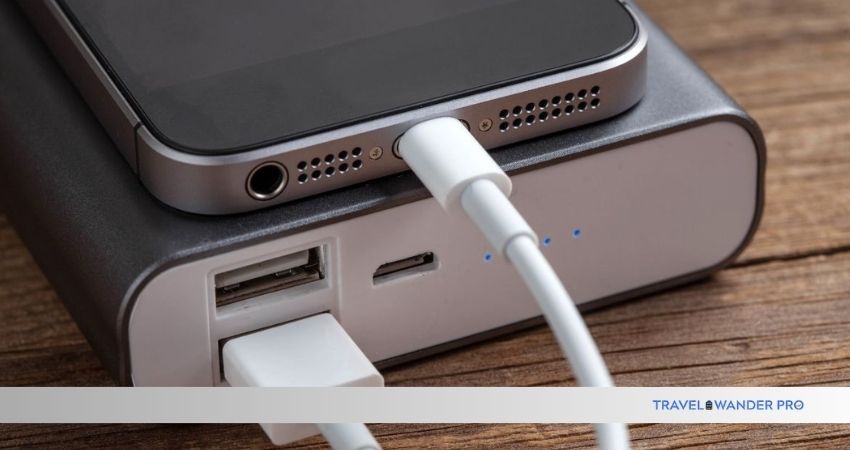
Carry a high-capacity power bank and a compact multi-port charger for reliable on-the-go power.
I have spent years traveling for work and leisure. I know what works. This guide on How to Keep Your Devices Charged While Traveling pulls together proven gear, smart habits, and simple fixes. Read on for clear steps, real tips, and checklists you can use today to avoid dead batteries and stress.

Why charging matters on trips and common challenges
Dead devices can spoil plans. Phones, cameras, and tablets are essential for maps, tickets, photos, and calls. Knowing How to Keep Your Devices Charged While Traveling reduces stress and keeps you connected. Common challenges include limited outlets, different plug types, slow charging, and battery drain from apps and photos. Weather, long layovers, and remote locations make the problem worse.
When I missed a train ticket because my phone died, I learned to plan charging like packing clothes. Small steps prevent big hassles. This section explains why it matters and what to expect on the road.
Essential gear to keep devices charged
Picking the right tools saves time and money. Focus on reliable, light gear.
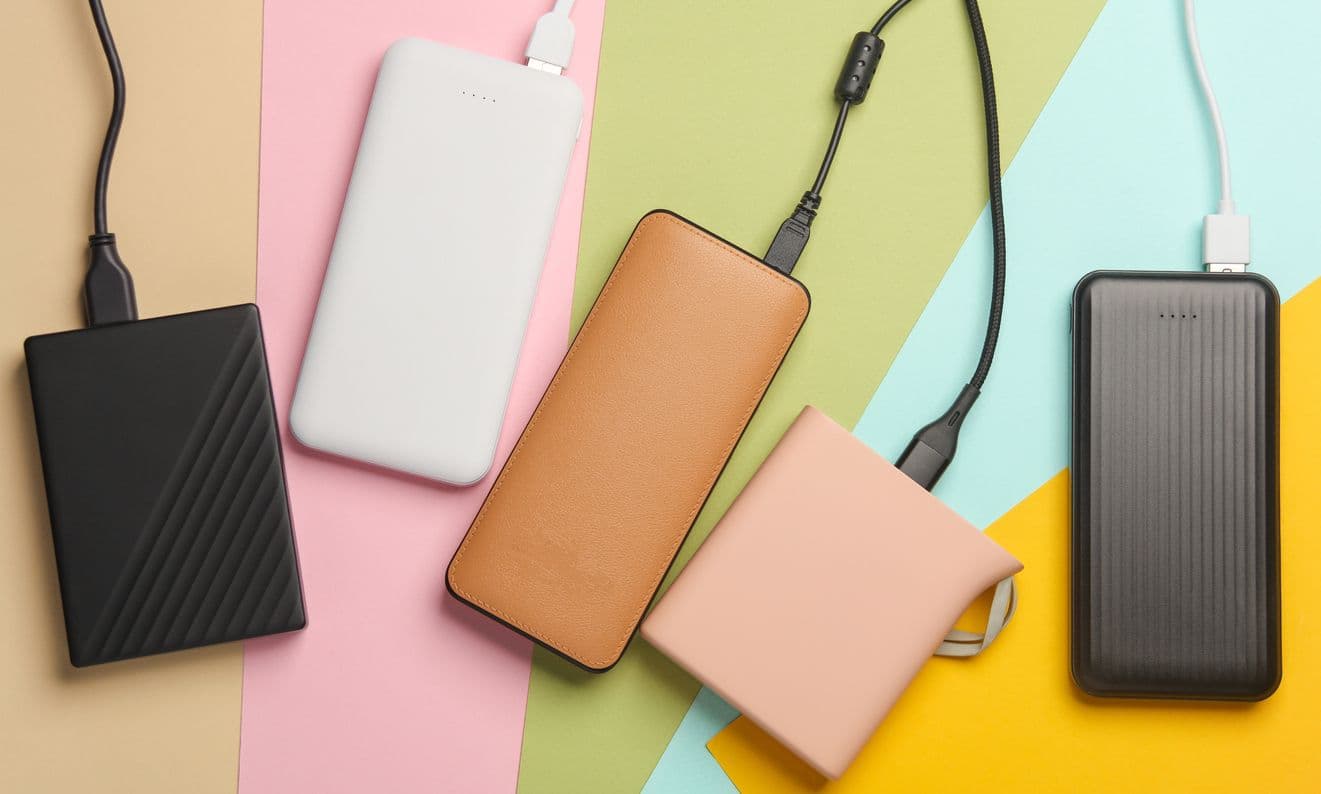
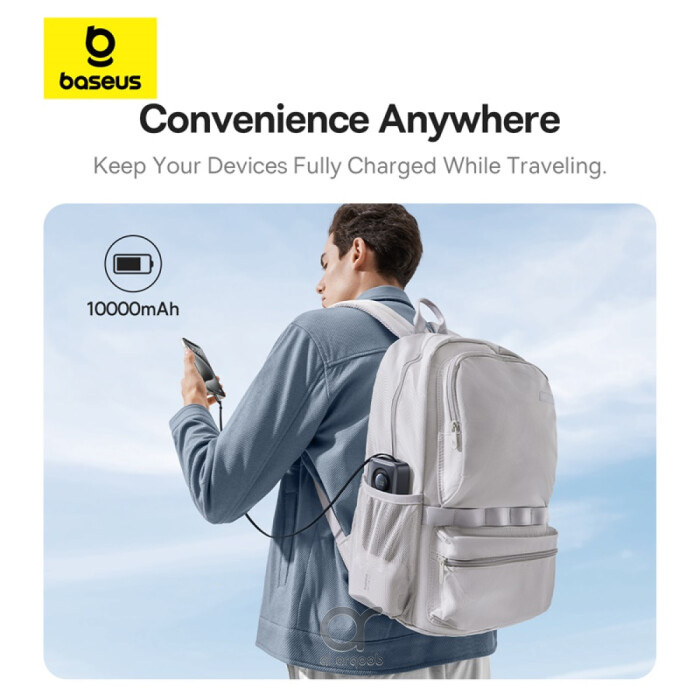
- Power bank with USB-C Power Delivery — Choose 20,000 mAh or higher for phones and tablets. It charges phones two to four times.
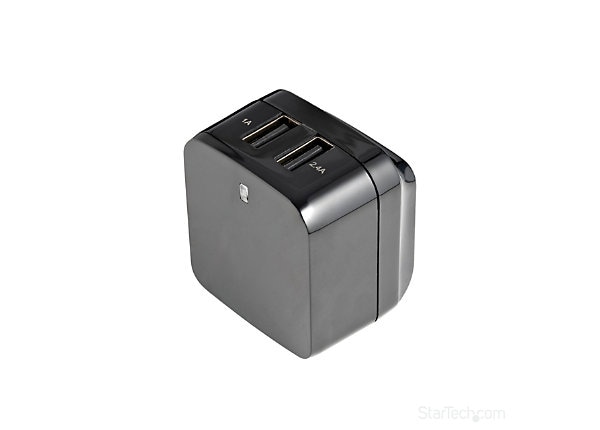
- Multi-port wall charger — A 65W or 100W charger with at least two USB-C ports charges a laptop and phone together.
- USB-C to USB-C and USB-A cables — Bring at least two of each. One can fail.
- Car charger with Quick Charge or PD — Use it for road trips and taxis.
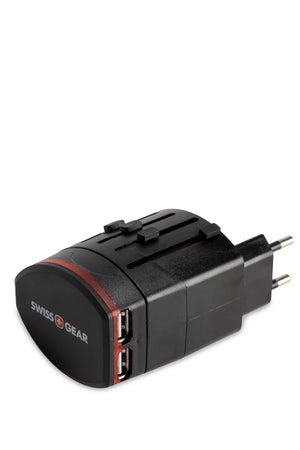
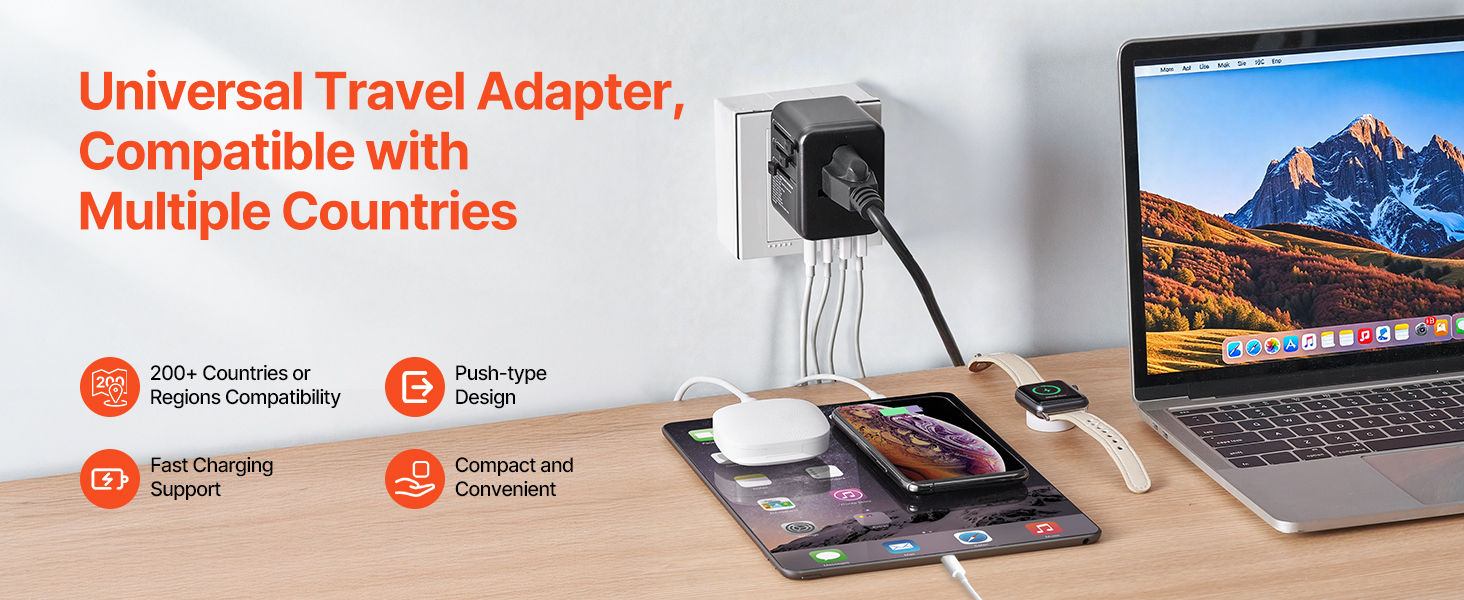
- Wall plug adapters and a travel adapter with USB ports — For international travel.
- Cable organizer pouch — Keeps cords untangled and easy to find.
I once carried three power banks because I didn’t trust one. Over time I learned to pick one solid power bank and a good multi-port charger. That cut weight and clutter.
Packing and cable management tips
Good packing makes charging smooth. Keep cables tidy and accessible.
- Pack cables in a small pouch. Label them if you use many devices.
- Store chargers and power banks in a carry-on. Checked bags can be delayed or lost.
- Keep a backup cable in your wallet or day bag. A short cable fits anywhere.
- Use a velcro strap or small case for earbuds and adapters.
- Charge everything fully before travel day.
I keep one cable in my jacket pocket. It saved me once at a festival when all outlets were full. Small habits like this matter more than you think.
How to charge devices during flights and layovers
Air travel offers limited options. Airports and planes are improving, but you still need a plan.
- Airport gates often have outlets or USB ports. Seat by a power source if possible.
- Use a power bank during flights. Most airlines allow power banks in carry-ons if under certain watt-hours. Check limits before flying.
- Turn devices off or use airplane mode to save battery during long flights.
- For long layovers, find lounges. Many lounges include outlets and comfortable space to charge.
I learned airline power rules the hard way. Some cheap power banks were not allowed. Now I check watt-hours and keep documentation.
International travel: plugs, voltages, and adapters
International travel adds plug and voltage challenges. Prepare ahead.
- Use a travel adapter that supports multiple plug types and has built-in USB ports.
- Buy a universal travel charger with surge protection. It protects devices from voltage spikes.
- Check voltage requirements for laptops and hair tools. Most phone chargers handle 100–240V. Confirm before plugging in.
- Consider buying local SIM and a local charger if you stay long.
A small adapter cost saved me from hunting a replacement when I landed. Carry one that fits many countries to stay flexible.
Power saving tips and device settings
Simple settings cut battery use dramatically. Use these habits to extend charge life.
- Lower screen brightness and set auto-brightness.
- Turn off Bluetooth, Wi-Fi, or location when not needed.
- Use battery saver mode on phones when battery drops below 20%.
- Close unused apps and background refresh.
- Download maps and content offline before travel to avoid streaming.
On a hiking trip, I turned off background sync and saved hours of battery. Small setting changes add up fast.
Backup plans and safety
Always plan for failures. Backups reduce panic and lost data.
- Keep at least one backup power source. A second small power bank or a compact solar charger helps in remote places.
- Use encrypted cloud backup for photos and documents. Charging isn’t the only risk; losing photos is painful.
- Avoid cheap, unbranded batteries. They can fail or cause fires. Choose tested, rated brands.
- Store power banks in your carry-on to avoid heat or rough checks.
I once relied on a single charger and lost it. After that I always pack a spare and upload photos nightly.
Roadmap: a simple charging checklist before and during travel
Use this short checklist to prepare and stay powered while traveling.
- Before travel: Fully charge devices, pack power bank, chargers, spare cables, travel adapter, and cable pouch.
- At the airport: Find a gate with outlets, use a power bank during flight, and save battery with airplane mode.
- At destination: Charge overnight, use multi-port charger, and keep a spare cable in your day bag.
- On long trips: Refill power bank when you can, use low-power settings, and avoid unnecessary streaming.
This checklist is my go-to before any trip. It takes five minutes and saves hours.
Common mistakes to avoid
Avoid these frequent errors that lead to dead devices.
- Relying on airport outlets alone — They can be crowded.
- Bringing only one cable or one charger — Failures happen.
- Ignoring airline rules for power banks — Some banks exceed allowed watt-hours.
- Charging in unsafe places — Avoid leaving devices unattended while charging.
Learn from these mistakes. They are common and easy to fix.
Personal lessons and real-life tips
Here are honest lessons from my trips.
- Test gear at home. If a cable or power bank fails, replace it before travel.
- Label chargers by device. I once grabbed the wrong laptop charger at a coworking cafe.
- Invest in a good multi-port charger. It reduces the number of plugs you carry.
- Keep one emergency cash and one spare phone or burner if you travel to remote places.
These are habits I still use. They make travel calm and efficient.
Frequently Asked Questions of How to Keep Your Devices Charged While Traveling
How big of a power bank do I need for a week-long trip?
A 20,000 mAh power bank is a solid choice. It can charge a phone several times and top up a tablet once or twice.
Are power banks allowed on flights?
Most airlines allow power banks in carry-ons if they are within watt-hour limits. Never pack them in checked luggage. Check airline rules before flying.
Do I need a voltage converter for phone chargers?
Most modern phone chargers handle 100–240V. Check the charger label. Use a voltage converter only for devices that need a specific voltage.
How can I charge multiple devices in a hotel with one outlet?
Use a multi-port charger with USB-C PD and USB-A ports. It charges several devices at once and is compact.
What is the safest way to store power banks in luggage?
Keep them in your carry-on. Avoid extreme heat and do not place them in checked baggage due to safety rules and risk of damage.
Conclusion
Keep a reliable power bank, a compact multi-port charger, spare cables, and a smart set of habits. Small prep prevents dead batteries and keeps trips smooth. Start with the checklist and test your gear at home. Try one new habit on your next trip, like packing an extra cable or using battery saver mode. Share your best travel charging tip or subscribe for more travel gear guides.