Last Updated on August 2, 2026
Pack essentials: navigation, shelter, layers, water, food, first aid, sun protection, lighting.
I’ve guided hundreds of hikers and planned dozens of multi-day trips. This article breaks down what to pack for a hiking trip with clear, practical advice. You’ll get a full checklist, smart packing tips, safety priorities, and real-life lessons so you can plan and pack confidently for any trail.

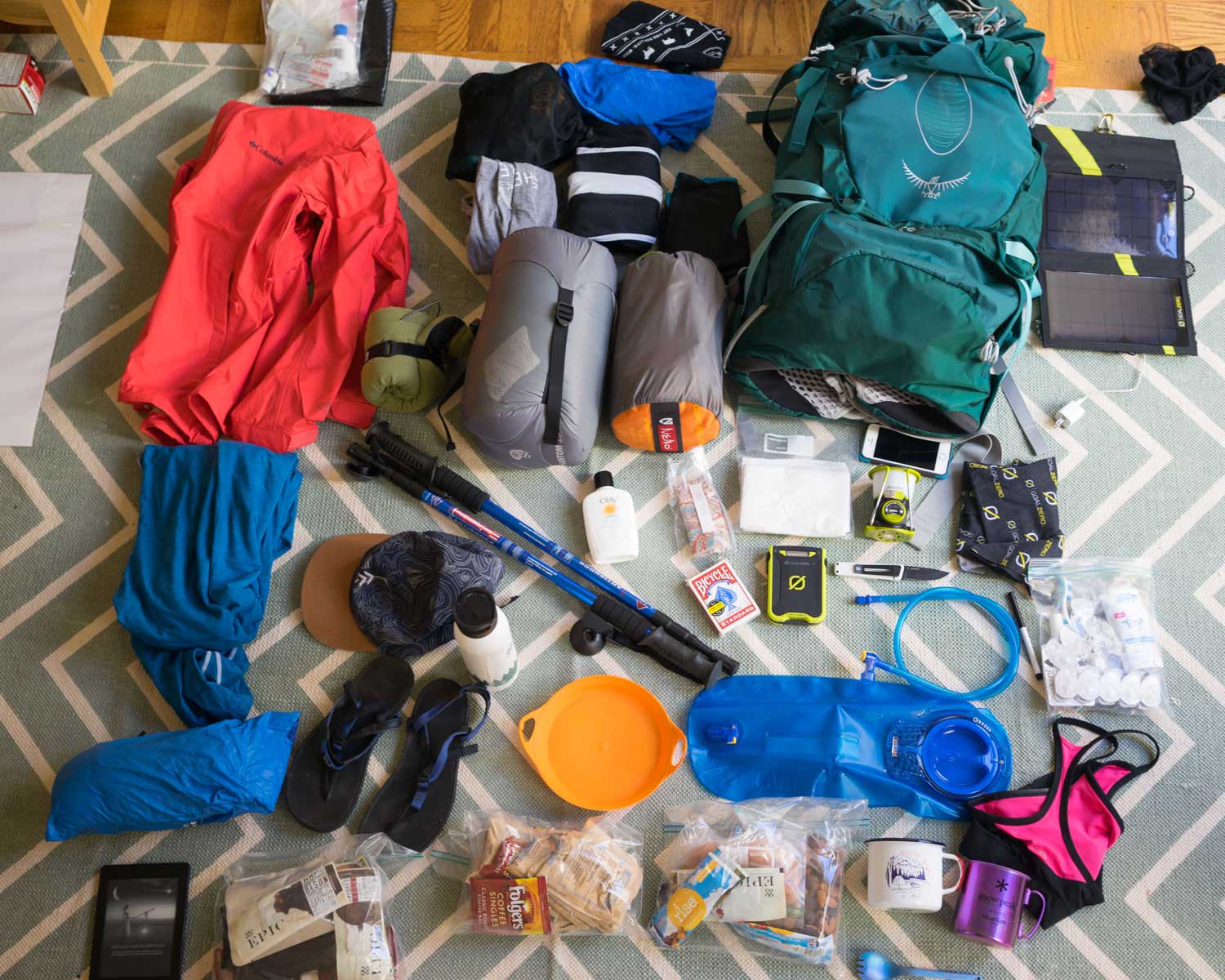
Essentials checklist: the core items you should never skip
Start with the basics. These items keep you safe, fed, and moving.
- Navigation
- Map and compass. Know how to use both.
- GPS device or phone with offline maps.
- Shelter and sleeping
- Tent, tarp, or bivy for overnight trips.
- Sleeping bag rated for expected temps and a sleeping pad.
- Clothing and layers
- Base layer, insulating layer, and waterproof shell.
- Extra socks and a hat.
- Hydration and food
- Water bottles or reservoir and a filter or purification tablets.
- High-energy snacks and meals for planned days.
- Safety and emergency
- First aid kit, whistle, and emergency blanket.
- Headlamp with spare batteries.
- Tools and repair
- Multi-tool, duct tape, and spare cord.
- Sun and bug protection
- Sunscreen, sunglasses, and insect repellent.
Why these matter: Each item supports life, comfort, or navigation. When you decide what to pack for a hiking trip, start by covering these needs first. This builds a reliable base for everything else.
Clothing and footwear: dress for the mountain, not the parking lot
Your clothes manage body heat and moisture. Pack for changeable weather.
- Footwear
- Sturdy hiking boots or trail shoes that fit well.
- Break in footwear before long hikes.
- Socks
- Merino or synthetic socks. Bring one spare pair.
- Layering system
- Base layer: moisture-wicking shirt and underwear.
- Mid layer: fleece or light down for warmth.
- Shell: waterproof and breathable jacket and pants.
- Accessories
- Hat for sun and a warm hat for cold.
- Gloves, gaiters if you expect mud or snow.
Personal tip: I once underestimated the wind on a ridge. A compact windproof shell saved the day. When planning what to pack for a hiking trip, always add one warm layer more than you think you'll need.

Navigation, communication, and safety gear
Losing your way is preventable. Bring tools and a plan.
- Navigation tools
- Paper map, compass, and a route plan.
- Phone with offline topo maps and a fully charged battery.
- Communication
- Whistle and signal mirror.
- Satellite messenger or personal locator beacon for remote trips.
- Safety
- Headlamp and extra batteries.
- Fire starter kit and waterproof matches.
- Trip planning
- Leave a trip plan with someone trusted.
- Check weather and trail reports before leaving.
Straight rule: When you ask what to pack for a hiking trip, think layers of backup for navigation and communication. Devices fail. Paper doesn’t.

Food and water: fuel and fluids for steady energy
Hunger and dehydration cause mistakes. Plan intake for activity level.
- Water strategy
- Carry enough water. Aim for 0.5 to 1 liter per hour of hiking, more in heat.
- Bring a filter or purification method if sources exist on route.
- Food choices
- Snacks: trail mix, energy bars, dried fruit, jerky.
- Meals: dehydrated meals or easy-cook foods for overnight trips.
- Electrolyte mix for hot days or long efforts.
- Cooking and cleaning
- Lightweight stove, fuel, and lighter.
- Collapsible pot and utensils.
PAA-style answer: How much water should you pack? Carry at least 0.5 liter per hour and plan to refill using a filter if possible. When thinking about what to pack for a hiking trip, prioritize water above comfort luxuries.
Shelter, sleeping, and overnight systems
Overnight comfort affects safety and morale.
- Shelter options
- Tent, tarp, or hammock plus bug net if needed.
- Sleep system
- Sleeping bag with appropriate temperature rating.
- Insulating sleeping pad to keep you warm from the ground.
- Extras
- Ground cloth or footprint to protect tent floor.
- Small repair kit for poles and zippers.
Tip: For solo fast trips, a lightweight tarp or bivy can cut weight. For family or rainy conditions, invest in a sturdy tent. Your choice shapes what to pack for a hiking trip.
First aid, health, and personal items
A small kit goes a long way. Tailor it to your trip and skills.
- Basic first aid
- Bandages, blister treatment, antiseptic wipes, tape, and pain relievers.
- Personal meds
- Prescription medicines, any allergy meds, and altitude meds if needed.
- Hygiene
- Toilet paper, trowel, hand sanitizer, and small towel.
- Health extras
- Tweezers, antihistamine, and a compact CPR mask if you’re trained.
Experience note: I learned to add blister moleskin after a bad march. It saved a multi-day trip. When deciding what to pack for a hiking trip, address common small injuries first.
Tech, power, and lighting
Bring tech that adds safety, not just distraction.
- Lighting
- Headlamp (primary) and compact backup light.
- Extra batteries or rechargeable power bank.
- Power
- Power bank sized to recharge phone and GPS once or twice.
- Solar charger for long stays.
- Devices
- Phone with offline maps, camera if desired.
- GPS device for remote navigation.
- Conservation
- Put devices in airplane mode to save battery and only use when needed.
Reminder: Tech can be life-saving. But it can also fail. Pack low-tech backups when you answer what to pack for a hiking trip.

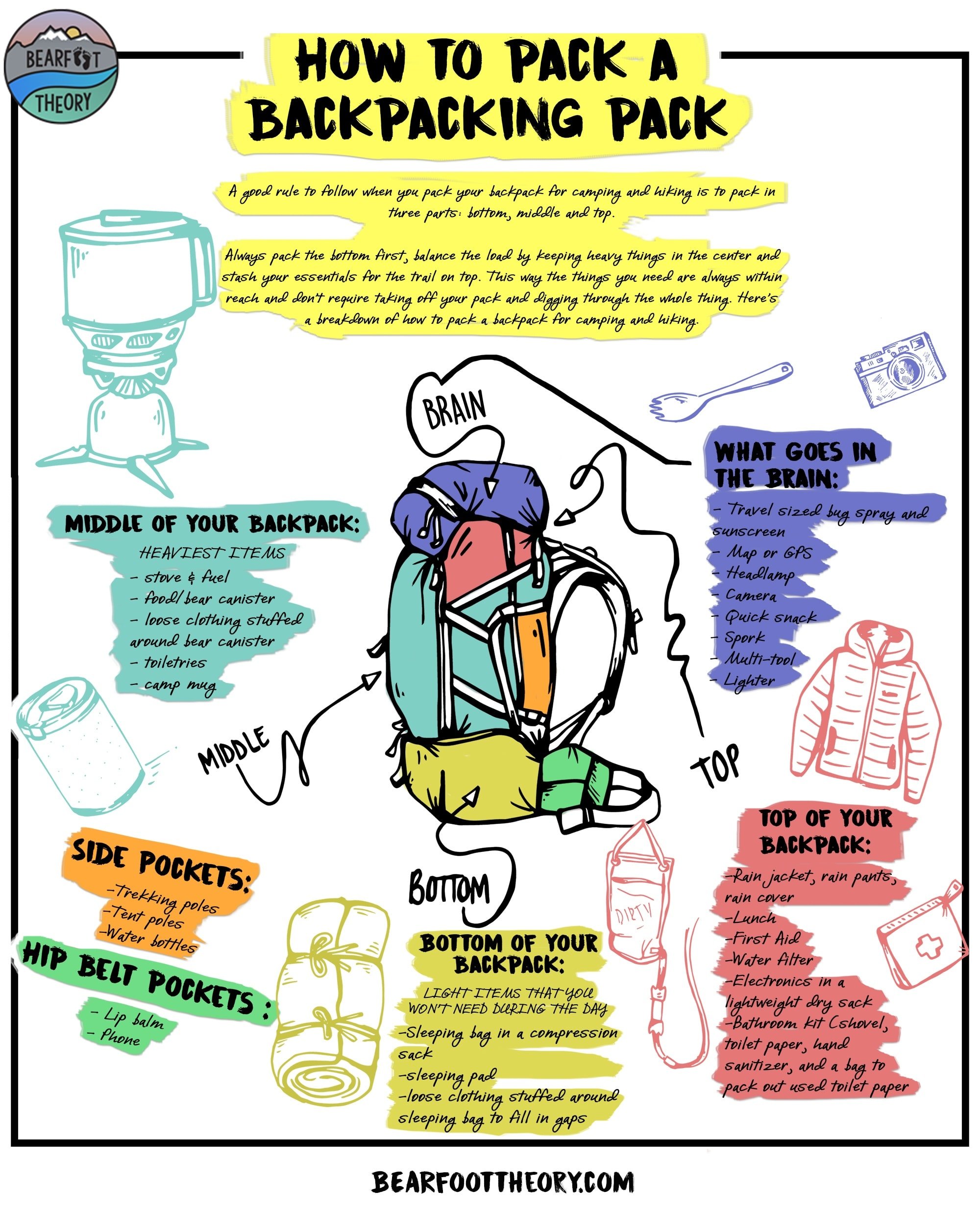
Packing tips, weight management, and organization
How you pack matters nearly as much as what you pack.
- Pack by priority
- Put heavy items close to your back and centered.
- Use stuff sacks
- Organize clothes and gear by function for quick access.
- Trim weight
- Choose multi-use items and light versions of gear.
- Load plan
- Keep snacks, water, and first aid in easy-to-reach pockets.
Checklist trick: Lay everything out before packing. Remove non-essentials. Ask: “Does this item solve a problem I will likely face?” This question helps decide what to pack for a hiking trip without overpacking.

Personal experiences, mistakes to avoid, and final checks
I’ve learned packing is part art, part checklist.
- Mistakes I made
- Overpacking unnecessary clothes.
- Bringing new boots on a long hike.
- Relying only on phone GPS with no map.
- What helped most
- Testing pack weight on short hikes.
- Packing snacks where I could reach them.
- Always carrying a small repair kit.
- Final pre-hike checks
- Weather, permits, and trail closures.
- Pack weight distribution and quick access items.
When you ask yourself what to pack for a hiking trip, use my rule: Prepare for the most likely problems, not every possible one. It keeps weight down and safety high.
Frequently Asked Questions of What Should You Pack for a Hiking Trip?
What are the most important items to pack for a hiking trip?
Navigation tools, shelter, water, food, first aid, weather-appropriate clothing, and a reliable light are the core essentials. These items address safety, shelter, and sustenance.
How much water should I bring for a day hike?
Carry at least 0.5 liter per hour of active hiking and plan for more in hot weather. Bring a filter or purification tablets if you can refill from streams.
What’s the difference between day hike and overnight packing?
Day hike packs focus on snacks, water, and light clothing. Overnight trips require shelter, sleeping gear, cooking supplies, and extra clothing.
Can I rely on my phone for navigation?
Phones are useful but can fail due to battery or signal. Always carry a paper map and compass as backups.
How do I keep pack weight manageable?
Prioritize essentials, choose lightweight gear, and test your load on short hikes. Remove non-essentials and use multi-purpose items.
Conclusion
Packing well makes the hike safer and more enjoyable. Focus on navigation, shelter, layers, water, food, first aid, and reliable light when you decide what to pack for a hiking trip. Test gear, trim weight, and carry backups for navigation and communication. Now use the checklist, make your final pre-hike checks, and hit the trail with confidence. Share your best packing tip or ask a question below — I’d love to help you plan your next hike.