Last Updated on August 2, 2026
Pack smart, train well, plan logistics, and prepare safety gear and skills before you go.
I have led and guided outdoor trips for years, and I know what works when planning an adventure. This guide on How to Prepare for an Adventure Trip walks you through planning, fitness, gear, safety, permits, and mindset. Read on for clear steps, real lessons from the trail, and practical checklists that make your next trip safer and more fun.

How to Prepare for an Adventure Trip: Plan and Research
Good planning reduces risk and boosts fun. Start by defining your route, season, and objectives. Check maps, weather patterns, and trail or route difficulty. Learn about local rules, required permits, and seasonal closures.
- Research the region and typical hazards.
- Identify emergency exit points and nearest help.
- Note communication options, like cell coverage or satellite.
A clear plan helps you pack right and set realistic daily goals. When I guided a multi-day hike, a night storm forced a route change. A detailed plan let us reroute safely and keep morale high.
How to Prepare for an Adventure Trip: Fitness and Skills Preparation
Fit bodies and basic skills prevent many problems. Train for the effort level of your trip. Mix cardio, strength, and mobility work. Practice skills before you go, such as navigation, packing, and basic first aid.
- Build endurance with hikes that increase in time and load.
- Practice map reading and compass use on short local routes.
- Take a basic wilderness first aid or CPR course.
Training lowers injury risk and increases confidence. I once underestimated a canyon scramble and paid for it with skinned knees; training and practice would have helped avoid that.

How to Prepare for an Adventure Trip: Packing and Gear Essentials
Good gear keeps you safe and comfortable. Use a packing checklist tailored to your route and climate. Choose reliable, simple gear rather than fancy extras.
- Clothing: layer system, rain shell, warm mid-layer, hat, and gloves.
- Footwear: broken-in boots or shoes suited to terrain.
- Shelter and sleep: tent, tarp, or hammock and a sleep system rated for expected temps.
- Navigation: map, compass, GPS device, and backup batteries.
- Food and water: stove, fuel, high-energy food, water filter or purifier.
- Safety: first aid kit, repair kit, headlamp, and whistle.
- Communication: phone, power bank, and backup satellite messenger if remote.
Test gear at home. I once learned a lightweight stove struggled in cold weather; testing would have saved time and stress.
How to Prepare for an Adventure Trip: Safety and Emergency Planning
Expect the unexpected. A clear emergency plan and practiced skills are essential.
- Share your itinerary with someone and set check-in times.
- Know local emergency numbers and rescue services.
- Carry a basic but well-stocked first aid kit and know how to use it.
- Pack redundant safety items such as a backup light and fire starter.
- Consider a personal locator beacon or satellite messenger for remote trips.
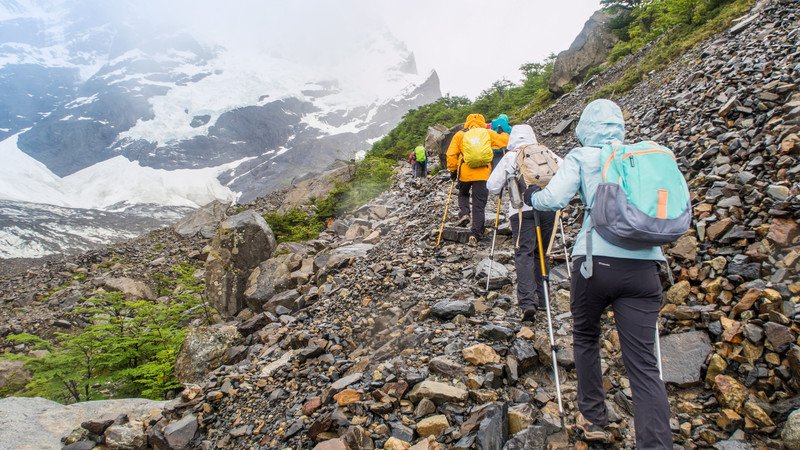
Confident safety planning reduces panic. On one backpacking trip, a sprained ankle slowed our group. Our plans and gear made a safe, calm evacuation possible.
How to Prepare for an Adventure Trip: Travel Logistics and Permits
Logistics can make or break a trip. Book permits early and arrange transport and resupply points.
- Check permit windows and reservation rules well ahead.
- Confirm trailhead parking rules and shuttle options.
- Plan resupply points for long trips or arrange caches legally.
- Consider travel insurance that covers evacuation and medical care.
A missed permit can end an adventure before it starts. I once had to change dates when permits were sold out; booking early avoids that stress.
How to Prepare for an Adventure Trip: Nutrition, Hydration, and Recovery
Fuel and recovery are key to sustained performance. Eat and drink consistently. Plan meals that are light, calorie-dense, and easy to prepare.
- Aim for balanced meals with carbs, protein, and fats.
- Pack snacks for frequent small boosts of energy.
- Use insulated bottles in cold climates to prevent freezing.
- Schedule rest days or shorter days to recover on multi-day trips.
Proper fueling keeps mood and energy stable. On long routes, small snacks every hour helped me avoid midday fatigue and maintain pace.

How to Prepare for an Adventure Trip: Leave No Trace and Responsible Travel
Protect the places you love. Follow leave-no-trace practices and respect local cultures and wildlife.
- Pack out all trash and minimize campfire impact.
- Stay on trails and avoid disturbing plants and wildlife.
- Respect local customs and private land boundaries.
- Use biodegradable soaps and avoid contaminating water sources.
Responsible travel keeps areas open to future visitors. I once met rangers who praised small groups that followed rules; that respect matters.

How to Prepare for an Adventure Trip: Mindset, Decision-Making, and Group Dynamics
A calm, flexible mindset keeps the trip enjoyable. Be ready to adapt plans when conditions change. Foster clear communication in a group.
- Use simple decision rules for turns, rest, and risk.
- Check in often about pace and morale.
- Encourage input and rotate leadership on long trips.
- Accept that some days will be harder than others.
Good decision-making saves lives. On a tricky ridge I guided, clear rules and calm leadership kept everyone safe and smiling.
How to Prepare for an Adventure Trip: Common Mistakes and How to Avoid Them
Learn from common errors to save time and trouble.
- Overpacking: avoid bringing unneeded items by testing your pack at home.
- Undertraining: match training to trip demands to reduce injury risk.
- Ignoring weather: check forecasts and plan for rapid changes.
- Skipping permits: always verify rules and secure permits early.
I once carried a heavy camera I hardly used. Cutting that saved energy and made the day better.
Frequently Asked Questions of How to Prepare for an Adventure Trip
What should I pack for a one-day adventure trip?
Pack layers, water, snacks, navigation, a small first aid kit, and a lightweight rain shell. Keep weight low and focus on essentials for safety and comfort.
How far in advance should I train for a multi-day trip?
Start training at least 8–12 weeks before a multi-day trip, with gradually increasing hikes and load. Short, consistent sessions work better than last-minute intensity.
Do I need permits for popular trails?
Many popular trails require permits or reservations, especially in peak season. Check official land manager sites or local ranger offices before you go.
How can I stay safe in remote areas with no cell service?
Carry a satellite messenger or personal locator beacon and share your plan with someone who can alert authorities. Know basic navigation and first aid to manage until help arrives.
What food is best for long adventure trips?
Choose calorie-dense, easy-to-cook foods like dehydrated meals, nuts, bars, and instant grains. Include salty snacks and simple breakfasts for quick energy.
Conclusion
Preparing right makes adventure trips safer, more fun, and more meaningful. Plan carefully, train your body and skills, pack smart, and set clear safety steps. Start small, learn from each trip, and grow your confidence over time. Now pick a route, use these steps to prepare, and share your story or questions below to keep improving your next adventure.