Last Updated on August 2, 2026
Packing your clothes for a trip can be tricky, especially when the weather is unpredictable. You don’t want to be caught off guard by sudden rain or unexpected cold.
What if you pack too much and end up lugging around a heavy suitcase? Or what if you pack too little and have nothing warm to wear? This guide will help you pack smartly for any weather condition, so you stay comfortable and prepared without overpacking.
Keep reading to discover simple tips that will change the way you pack forever.
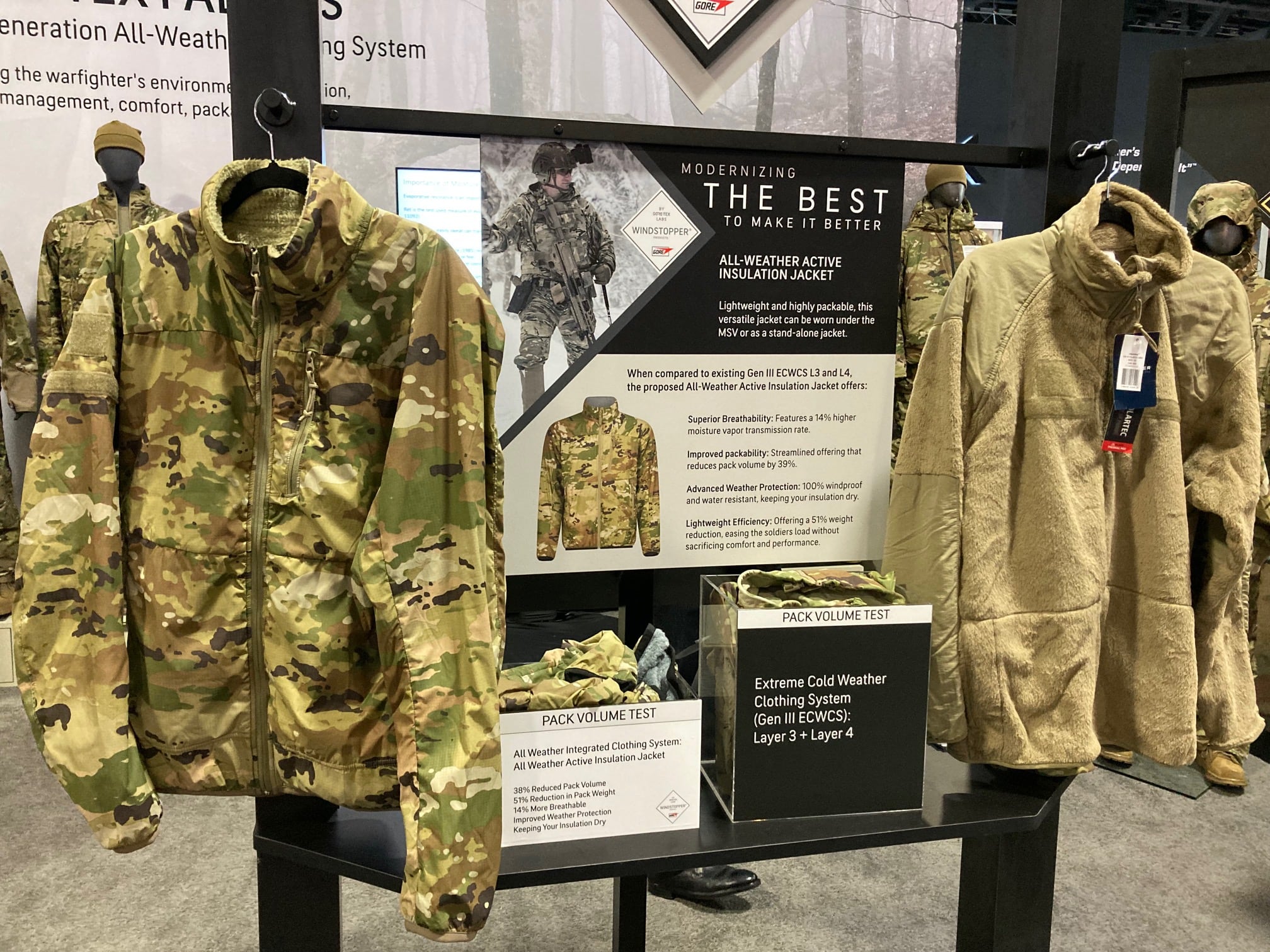
Credit: www.militarytimes.com
Packing For Warm Weather
Packing for warm weather needs careful planning. The goal is to stay cool and comfortable. Choose clothes that help your skin breathe. Avoid heavy or thick fabrics. Think about how each item feels under the sun. This section helps you pack smart for hot days.
Choosing Lightweight Fabrics
Pick fabrics that are light and airy. Cotton and linen work well. They let air flow to your skin. Avoid polyester and nylon. These trap heat and cause sweating. Look for loose weaves. They help your body stay cool. Light colors reflect sunlight. Dark colors absorb heat.
Essential Clothing Items
Pack short-sleeve shirts and tank tops. Bring shorts and light skirts. A wide-brimmed hat protects your face. Sunglasses shield your eyes from the sun. Don’t forget a swimsuit if you plan to swim. A light jacket is good for cooler evenings. Comfortable sandals or breathable shoes suit warm weather.
Tips For Staying Cool
Drink plenty of water to avoid dehydration. Take breaks in shade or indoors. Use sunscreen to protect your skin. Wear loose clothes to allow air movement. Avoid tight or heavy clothing. Carry a small towel to wipe sweat. Choose breathable shoes to keep feet dry.
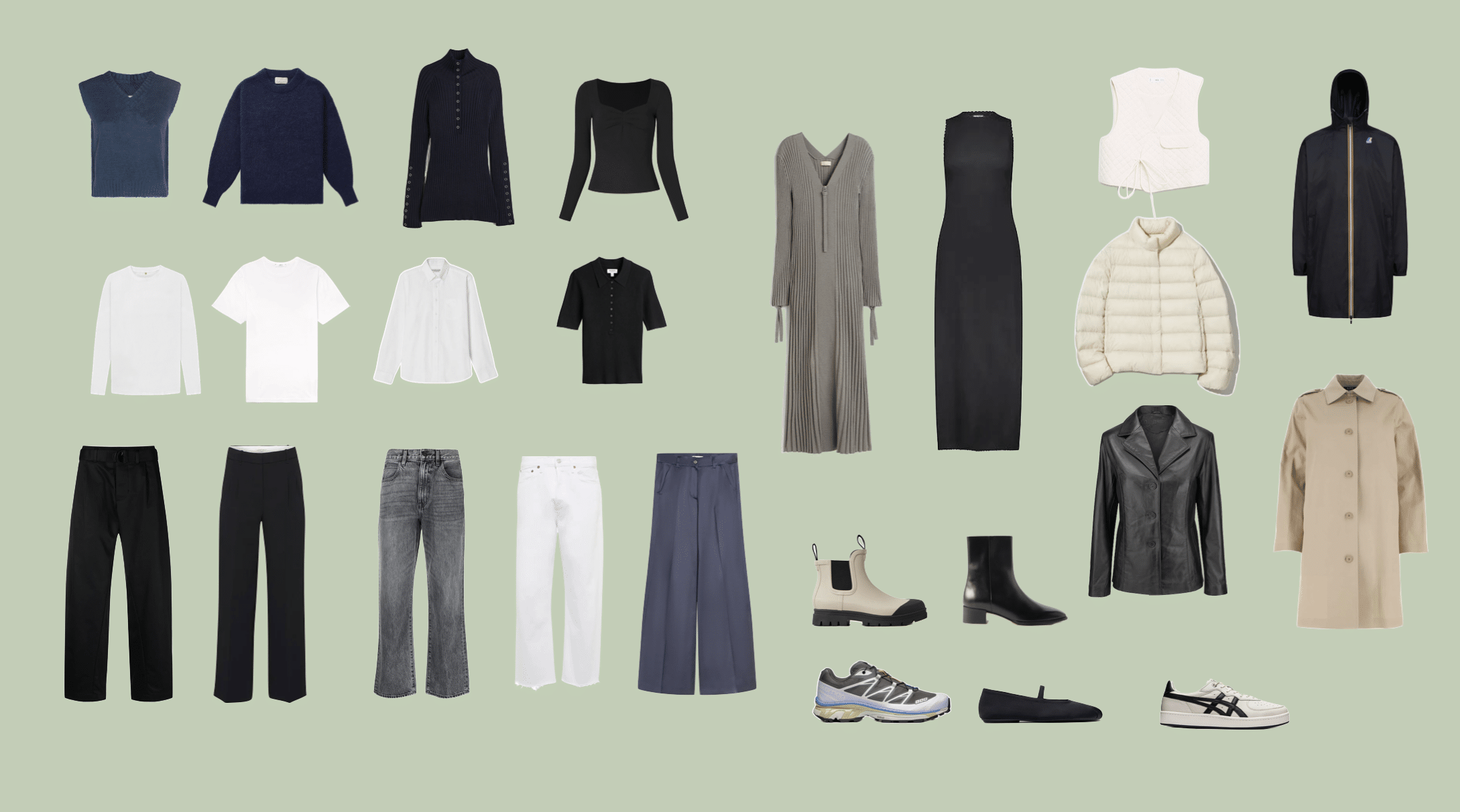
Credit: capsulesuitcase.com
Packing For Cold Weather
Packing clothes for cold weather needs careful thought. Cold weather can change quickly. You need clothes that keep you warm and dry. Packing smart saves space and keeps you comfortable.
Layering Techniques
Layering helps trap heat and lets you adjust to temperatures. Start with a thin base layer that fits snugly. It should pull moisture away from your skin. Add a middle layer for warmth, like fleece or wool. Top it with a waterproof outer layer to block wind and rain. Layers let you add or remove clothes easily.
Selecting Insulating Materials
Choose materials that keep heat in and dry out sweat. Wool and fleece are great for warmth and breathability. Down jackets are very warm but lose insulation if wet. Synthetic fills keep warmth even when damp. Avoid cotton; it holds moisture and makes you cold.
Protecting Extremities
Fingers, toes, ears, and nose get cold first. Pack insulated gloves or mittens to keep hands warm. Use thick socks made of wool or synthetic fibers. Wear a warm hat that covers your ears. A scarf or neck gaiter protects your face from wind and cold.
Packing For Mixed Weather
Packing for mixed weather means preparing for different conditions in one trip. Weather can change quickly. You might face sun, rain, wind, or cold in a single day. Smart packing helps you stay comfortable and ready. Choose clothes and gear that work for many situations. Stay light and flexible to enjoy your trip.
Versatile Clothing Choices
Pick clothes that work in many weather types. Layering is key. Thin shirts, sweaters, and jackets help you adjust. Choose fabrics that dry fast and keep warmth. Neutral colors mix and match easily. Avoid heavy clothes that take too much space.
Weather-resistant Gear
Bring a lightweight rain jacket or windbreaker. Waterproof shoes or covers protect your feet. A compact umbrella fits in your bag. Use bags that keep clothes dry inside. These items shield you from rain and wind without bulk.
Adapting To Sudden Changes
Check the weather forecast daily. Plan your outfit for the morning and afternoon. Carry a small backpack for extra layers. Pack clothes in easy-to-reach spots. Quick changes help you stay comfortable all day long.

Credit: www.selleroyal.com
Frequently Asked Questions
How To Pack Clothes For Hot Weather Trips?
Choose lightweight, breathable fabrics like cotton or linen. Pack loose-fitting clothes to stay cool and comfortable. Don’t forget sun protection items like hats and sunglasses.
What Clothing Is Best For Cold Weather Packing?
Layering is key: start with thermal underwear, add a warm sweater, and finish with a waterproof jacket. Include gloves, hats, and scarves for extra warmth.
How To Organize Clothes For Mixed Weather Conditions?
Pack versatile layers that you can add or remove easily. Use packing cubes to separate clothes by type or weather use. This helps you stay prepared without overpacking.
What Fabrics Should I Avoid For Rainy Weather?
Stay away from cotton, as it absorbs water and dries slowly. Opt for quick-drying, water-resistant fabrics like nylon or polyester to stay dry.
How To Pack Clothes Efficiently For Different Climates?
Roll clothes to save space and reduce wrinkles. Use compression bags for bulky items like jackets. Plan outfits ahead to avoid packing unnecessary items.
Conclusion
Packing clothes for different weather takes some planning. Choose layers for cold, light fabrics for heat. Keep rain gear handy for wet days. Roll clothes to save space and avoid wrinkles. Remember, the right clothes keep you comfortable and happy.
Prepare smart, and enjoy your trip no matter the weather. Simple steps make packing easier and stress-free. Stay ready for sun, rain, or chill with the right choices. Your clothes can help you enjoy every moment outside.