Last Updated on August 2, 2026
Pack lightweight shelter, layered clothing, reliable navigation, water, food, first aid, and proper footwear.
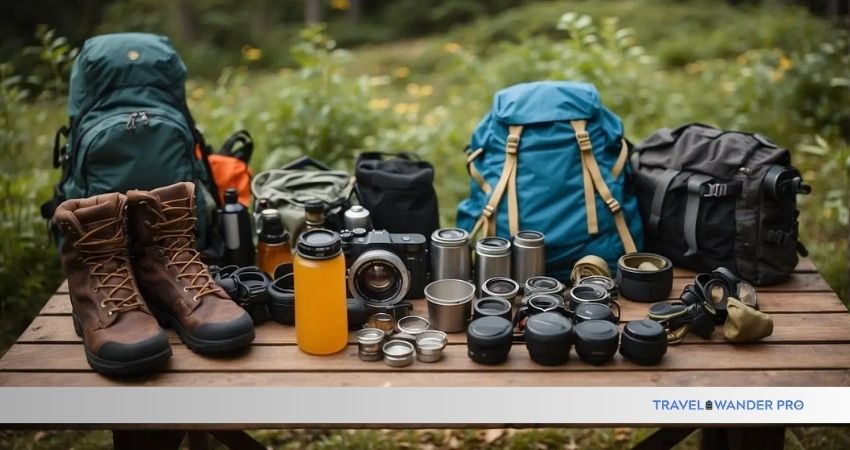
I’ve spent years guiding trips and testing gear in rain, wind, heat, and cold. This guide breaks down exactly what gear for outdoor travel you need, why each item matters, and how to choose gear that matches your trip. Whether you plan a weekend hike, a multiweek expedition, or a road-and-trail adventure, I’ll walk you through essentials, smart upgrades, packing tips, and common mistakes to avoid.

Essential gear overview
What you bring determines how safe and comfy your trip will be. Good gear for outdoor travel balances weight, weather protection, and reliability. At minimum, plan around shelter, sleep system, clothing, footwear, water, food, navigation, and a small first aid kit.
Key reasons to choose the right gear for outdoor travel:
- Keeps you safe in bad weather.
- Lets you rest and recover each day.
- Reduces injury risk on rough terrain.
- Makes logistics like cooking and navigation simpler.
From personal experience, I learned that skimping on footwear or a rain layer ruins trips fast. Invest in the basics first, then add specialty items based on terrain and season.

Clothing and footwear
Clothing is your climate control. The right clothing for outdoor travel keeps heat in, wicks moisture, and blocks wind and rain. Build outfits from layers so you can adjust fast.
Core clothing system for most trips:
- Base layer: wicks sweat and dries fast.
- Mid layer: insulation like fleece or light down.
- Outer layer: rain jacket or shell with breathability.
- Pants: quick-dry and durable; add waterproof shell if needed.
- Hat and gloves: sun hat for heat; insulated gloves for cold.
Footwear tips:
- Choose boots or trail shoes rated for your terrain.
- Break them in before long trips to avoid blisters.
- Bring waterproof options only if conditions call for them.
From guiding backpacking trips, I always pack a light extra midlayer. Weather can turn quickly, and an extra layer saved my group more than once.
Shelter and sleep systems
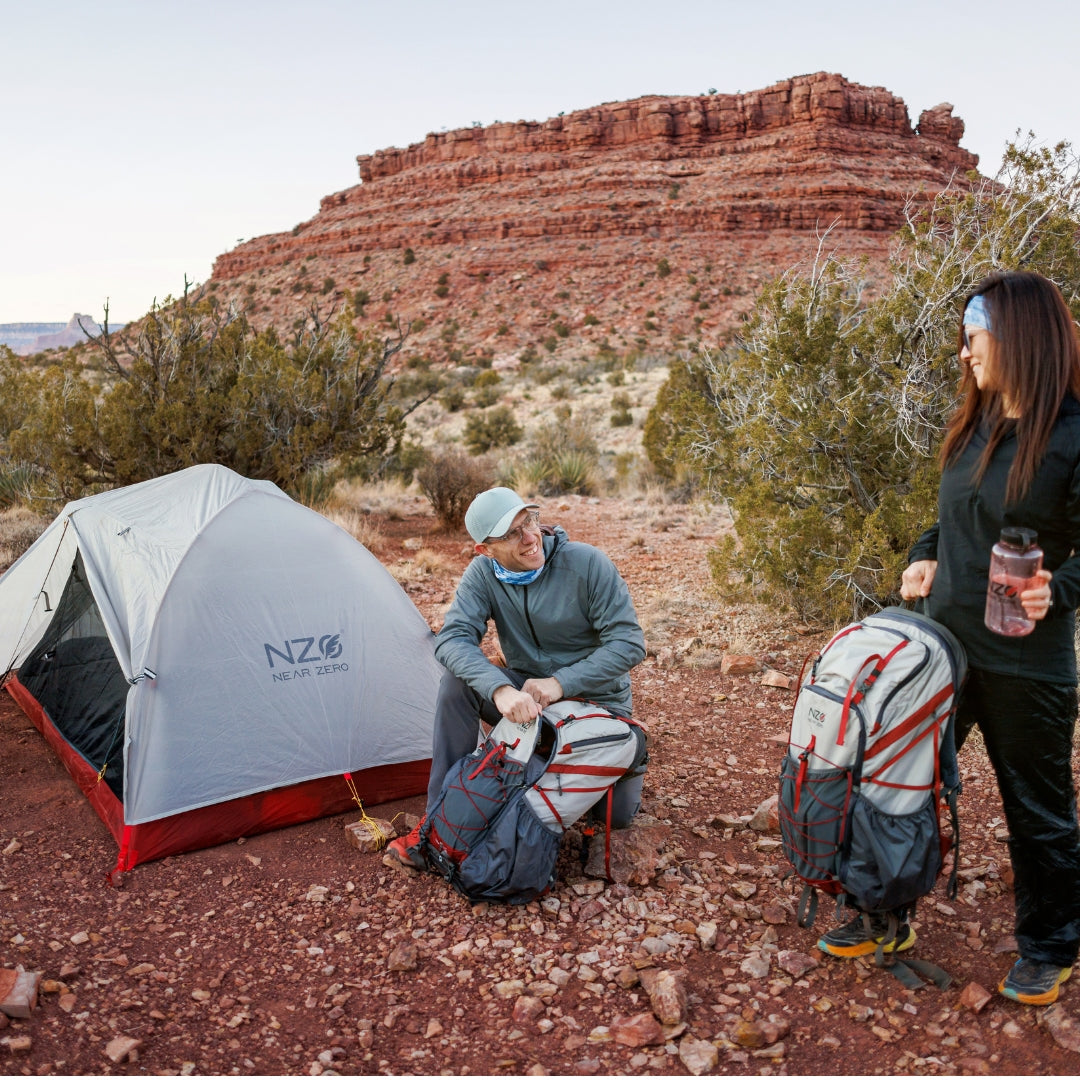
Shelter and sleep gear determine how well you recover overnight. Good sleep quality equals better hiking and safer decisions.
Shelter choices based on trip:
- Tent: choose weight and season rating that match your route.
- Tarp or hammock: lighter, but needs skill and suitable trees.
- Bivy: ultra-compact option for fast trips.
Sleep system essentials:
- Sleeping bag rated to expected lows.
- Sleeping pad for insulation and comfort.
- Pillow or stuff sack filled with clothes.
When I switched to a three-season tent and a warmer sleeping bag, my overnight comfort improved huge. It let me hike farther the next day.

Cooking, food, and hydration
Food fuels your trip. Hydration keeps your brain and muscles working. Your cooking setup should match trip length and cooking style.
Basic cooking and hydration kit:
- Stove and fuel or lightweight alcohol stove.
- Cook pot, pot gripper, spoon, and mug.
- Water filter or purifier and spare water bottles.
- Lightweight food: dehydrated meals, nuts, energy bars.
Hydration tips:
- Carry enough water for stretches between refill points.
- Use a filter or chemical treatment in the backcountry.
- Consider a hydration bladder for easy sipping.
I once underestimated water gaps in a dry canyon. A small filter and an extra liter would have avoided a long, stressful day. Plan water routes ahead of time.

Navigation, communication, and safety
Getting lost is avoidable. Navigation and safety gear protect you and your group.
Navigation essentials:
- Map and compass, and the skills to use them.
- GPS device or smartphone with offline maps.
- Extra batteries or power bank.
Safety and communication:
- Headlamp with spare batteries.
- Whistle and mirror for signaling.
- Personal locator beacon or satellite communicator for remote trips.
- Lightweight repair kit and multi-tool.
Always carry paper maps. Technology can fail. On a winter trip, my GPS froze; the map and compass kept us on track.

First aid and personal care
Minor injuries can stop a trip. A compact first aid kit and basic skills go a long way.
First aid kit basics:
- Bandages, adhesive tape, antiseptic wipes.
- Blister kits and moleskin.
- Pain relief, antihistamines, and any personal meds.
- Tweezers and small scissors.
Personal care items:
- Sunscreen and lip balm.
- Insect repellent when needed.
- Toilet paper and a trowel for digging catholes.
Take a short wilderness first-aid course if you travel remote areas. Knowing how to treat hypothermia or a sprain helps you decide whether to continue or call for help.

Electronics and power
Electronics make life easier but add weight. Choose tools that match your needs.
Electronics to consider:
- Phone with offline maps.
- Compact camera or action cam for memories.
- Power bank sized for your trip length.
- Headlamp for hands-free light—carry as a primary source.
Power tips:
- Turn devices off or use airplane mode to save battery.
- Use solar chargers for long trips with good sun.
- Keep fragile electronics in dry bags.
I keep a small 10,000 mAh power bank on multi-day trips. It’s enough to top off a phone and GPS a few times without carrying heavy gear.
Packing and organization
How you pack affects comfort and accessibility. Smart packing saves time and stress.
Packing approach:
- Use a checklist before each trip.
- Pack heavy items close to your back and centered.
- Keep frequently used items in top or hip-belt pockets.
- Use stuff sacks to organize clothing and gear.
Weight management:
- Weigh your pack to avoid surprises.
- Trim items that don’t add clear value.
- Consider shared gear for groups to reduce duplicate items.
I learned to re-evaluate my checklist after each trip. Over time I cut 20% of unnecessary weight without losing comfort.

How to choose gear for your trip
Pick gear based on trip length, season, terrain, and fitness. One-size-fits-all rarely works.
Decision checklist:
- Trip length: short trips need less fuel and fewer clothes.
- Weather: add waterproof and warm layers for unpredictable conditions.
- Terrain: technical climbs demand specific footwear and protection.
- Comfort vs weight: ultralight is great, but comfort improves safety.
Try gear locally before relying on it far from help. I once rented a lightweight tent that failed in high winds. Testing at home would have revealed its limits.
Frequently Asked Questions of What Gear Do You Need for Outdoor Travel?
What is the must-have gear for short day hikes?
For short day hikes, pack sturdy shoes, layered clothing, water, snacks, a small first aid kit, and navigation tools like a map or phone with offline maps. A light rain layer and headlamp are good backups.
How much water should I carry for outdoor travel?
Carry at least 1 liter per 2 hours of moderate activity in mild weather; increase in heat or dry regions. Check water sources on your route and carry a filter if sources are uncertain.
Is it worth buying lightweight gear for long trips?
Yes, lightweight gear reduces fatigue and increases distance per day. However, balance weight savings with durability and comfort. Test ultralight items before long, remote trips.
What clothing material is best for outdoor travel?
Use moisture-wicking synthetics or merino wool for base layers, and synthetic or down insulation for mid layers. Avoid cotton because it traps moisture and cools you rapidly.
Do I need a GPS if I have a smartphone?
A smartphone with offline maps works well, but bring a separate GPS or paper map and compass for remote areas or extended trips because phones can fail from battery loss or damage.
Conclusion
Choosing the right gear for outdoor travel makes trips safer and more enjoyable. Focus first on shelter, sleep, clothing, water, food, navigation, and basic safety. Test gear at home, pack thoughtfully, and adjust based on season, terrain, and trip length. Start small, learn from each trip, and upgrade items that matter most to your comfort and safety.
Get out there and use this checklist on your next trip. Share your experiences, ask questions, or subscribe for more gear guides and trip tips.