Last Updated on August 24, 2026
A portable water filter removes bacteria, protozoa, and particulates so you can drink safely anywhere.
I’ve spent years testing gear for hiking, travel, and emergency prep, and I can tell you a portable water filter is one of the simplest, most effective tools to protect your health. This article explains what a portable water filter is, how it works, why you might need one, and how to pick and maintain the right model. Read on for clear, practical guidance you can use on the trail, at home, or during travel.

How a portable water filter works
A portable water filter uses a barrier or media to trap contaminants while letting water pass. Filters often combine mechanical sieving, adsorption, and sometimes chemical layers to remove particles, protozoa, and bacteria. Some systems add activated carbon to cut taste and chemicals, while others include membranes small enough to block viruses when paired with chemical or UV treatment.
- Common filtration methods:
- Mechanical microfilter: physically blocks particles and protozoa.
- Activated carbon: removes odors, chlorine, and some chemicals.
- Hollow-fiber membranes: high surface area traps microbes.
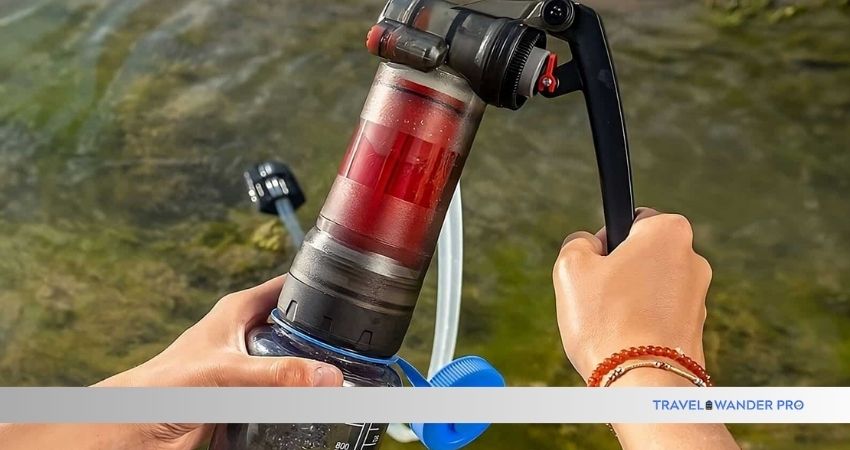
- Pump or squeeze systems: force water through the filter element.
A clear view of how the filter works helps you pick the right tool for your needs. Choose a portable water filter that matches the likely contaminants and the flow rate you prefer.

Types of portable water filters
Portable water filters come in several designs for different uses. Each type balances weight, lifespan, and what it removes.
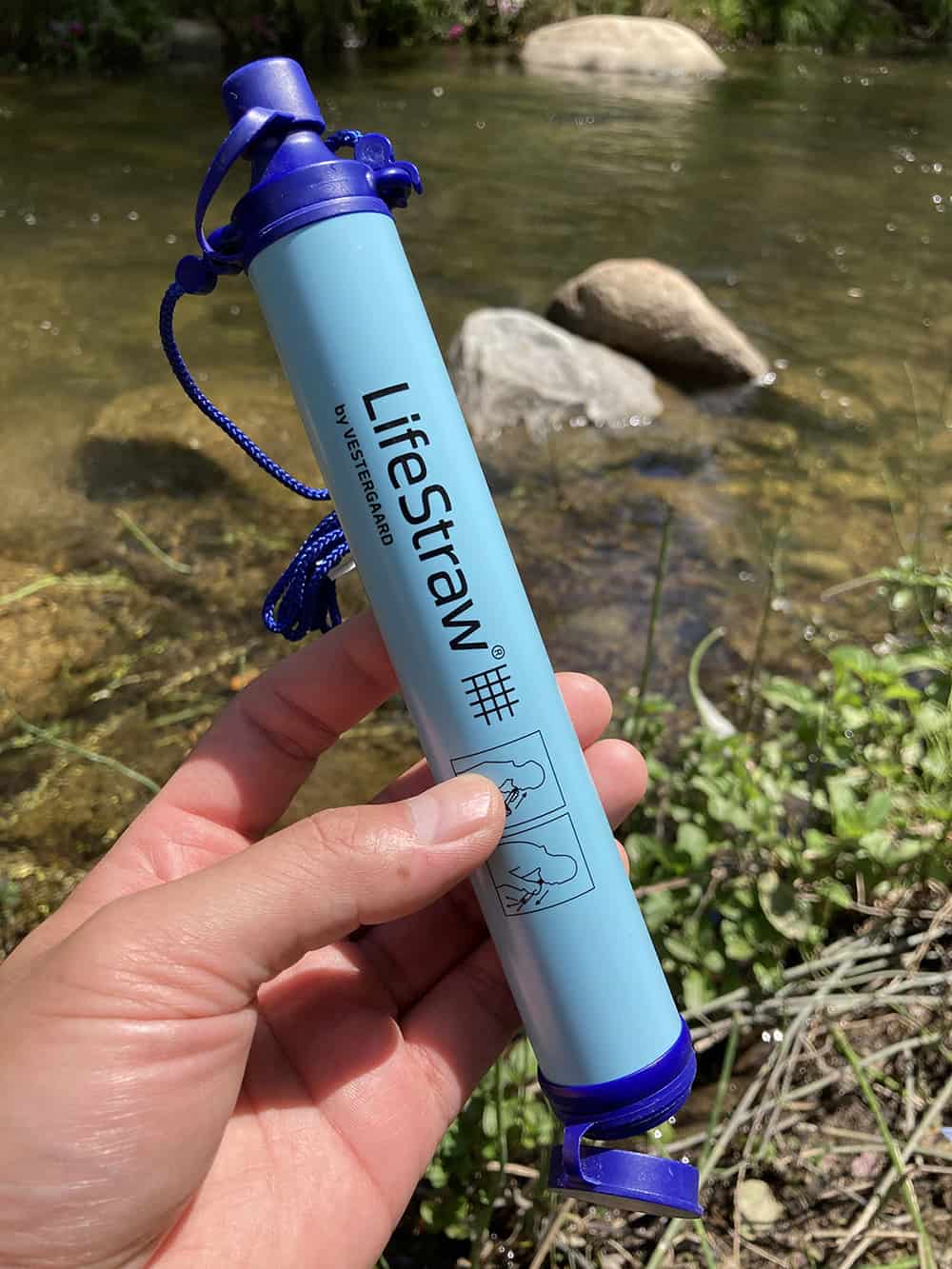
- Straw filters: lightweight and simple; you sip directly from the source or a bottle.
- Pump filters: good flow and reliable; useful for groups or long trips.
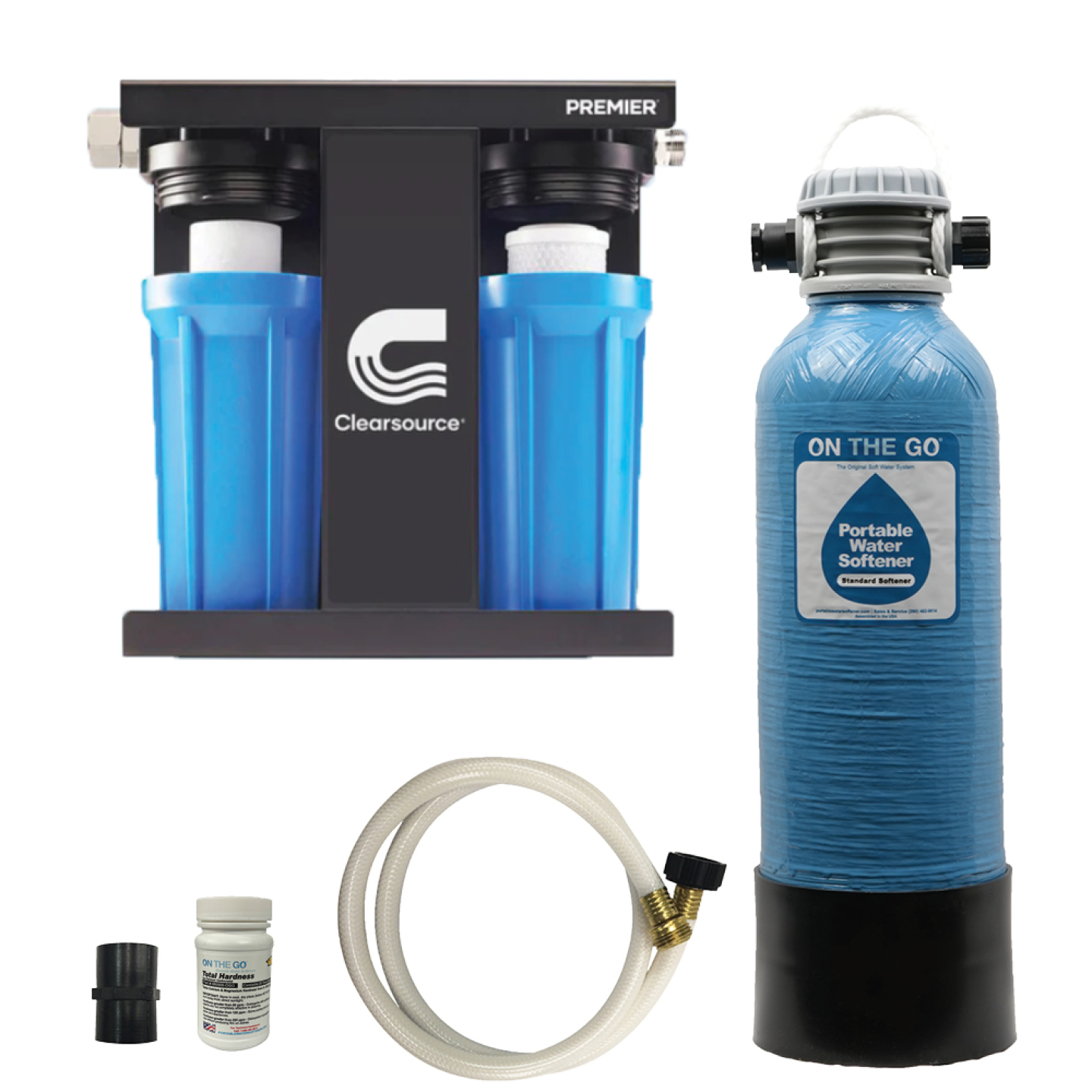
- Gravity filters: hang and let water flow through for hands-free filtering.
- Bottle filters: built into a drinking bottle for everyday use.
- Chemical/UV hybrids: combine filtration with chemical drops or UV light for viruses.
Understand the pros and cons of each. For backpacking, a lightweight straw or hollow-fiber filter often makes sense. For family trips or basecamp, a gravity filter offers convenience and capacity.

Benefits of using a portable water filter
A portable water filter brings health, convenience, and savings. It cuts the need for single-use plastic bottles and reduces cost over time. Filters protect against waterborne illness by removing protozoa and bacteria common in rivers, lakes, and taps with uncertain quality.
- Health protection: prevents infections from Giardia, Cryptosporidium, and many bacteria.
- Cost savings: reuse instead of buying bottled water.
- Environmental impact: fewer plastic bottles and less waste.
- Convenience: access to safe water in remote areas and emergency situations.
I’ve relied on a portable water filter for cross-country hikes and in places where tap quality was unknown. It gave me steady, safe drinking water and peace of mind.
Limitations and considerations
No single portable water filter is perfect for every situation. Filters labeled for bacteria and protozoa often do not remove viruses unless they include very fine membranes or use additional treatment. Sediment and heavy contamination can shorten filter life and slow flow.
- Viruses: many portable filters do not remove viruses; add chemical or UV treatment when needed.
- Flow and clogging: turbid water clogs filters faster; pre-filtering can help.
- Lifespan: filters have finite capacity measured in liters; track usage.
- Maintenance: some models require backflushing or replacement elements.
Be honest about where you’ll use a portable water filter and plan for its limits. Carry backup treatment if you may encounter viral risks or very dirty water.

How to choose the right portable water filter
Picking the right portable water filter starts with clear questions about use and water sources. Ask where you will go, how many people will use it, and whether you need to remove chemicals or viruses.
- Match contaminant needs: protozoa and bacteria removal vs. virus protection.
- Consider weight and size: lightweight filters for backpacking, larger systems for basecamp.
- Flow rate and ease of use: fast flow for groups, simple options for solo hikers.
- Filter life and cost: compare liters of capacity and replacement cost.
Look for test standards or lab verification when available. Models with clear performance data make it easier to trust your choice.
Maintenance, field tips, and personal experience
Keeping a portable water filter working well extends its life and ensures safe water. I learned this on a multiweek trek where a little care made a big difference.
- Flush new filters before first use to remove factory debris.
- Pre-filter murky water with a bandana or microfiber cloth to reduce clogging.
- Backflush or clean per instructions after heavy use to restore flow.
- Store dry when possible to avoid mold and odor in the filter element.
A personal tip: pack spare O-rings and a small syringe for backflushing. On one trip, a clogged filter slowed us down until I pre-filtered and backflushed, saving the day.

People also ask
How long does a portable water filter last?
Lifespan varies by model and water quality. Expect from several hundred to several thousand liters; heavy sediment shortens life.
Can a portable water filter remove viruses?
Most basic filters do not remove viruses; you need ultrafiltration, chemical treatment, or UV light to address viruses. Check the filter’s ratings.
Is a portable water filter better than water purification tablets?
Filters remove particulates and many microbes; tablets kill microbes including some viruses but do not remove particles or improve taste. Use them together for the best result.
Frequently Asked Questions of What Is a Portable Water Filter and Why Use It?
What does a portable water filter remove?
A portable water filter typically removes sediment, protozoa, and bacteria. Some models also reduce chemicals and improve taste; check the product specs for viral protection.
Can I use a portable water filter for city tap water?
Yes, for improving taste and removing particulates a portable water filter can be useful. For microbiological issues, match the filter to the contaminants you expect.
How often should I replace the filter element?
Replace according to the manufacturer’s liter rating or if flow slows significantly. Heavy use or dirty water may require more frequent replacement.
Are portable water filters safe for children and pets?
When used correctly, a portable water filter provides safe drinking water for children and pets by removing many pathogens. Make sure the filter is rated for the specific contaminants in your water source.
Can I clean and reuse a portable water filter?
Many portable water filters support cleaning through backflushing or wiping external parts. Follow the manufacturer’s instructions to keep the filter effective and safe.
Do portable water filters improve taste?
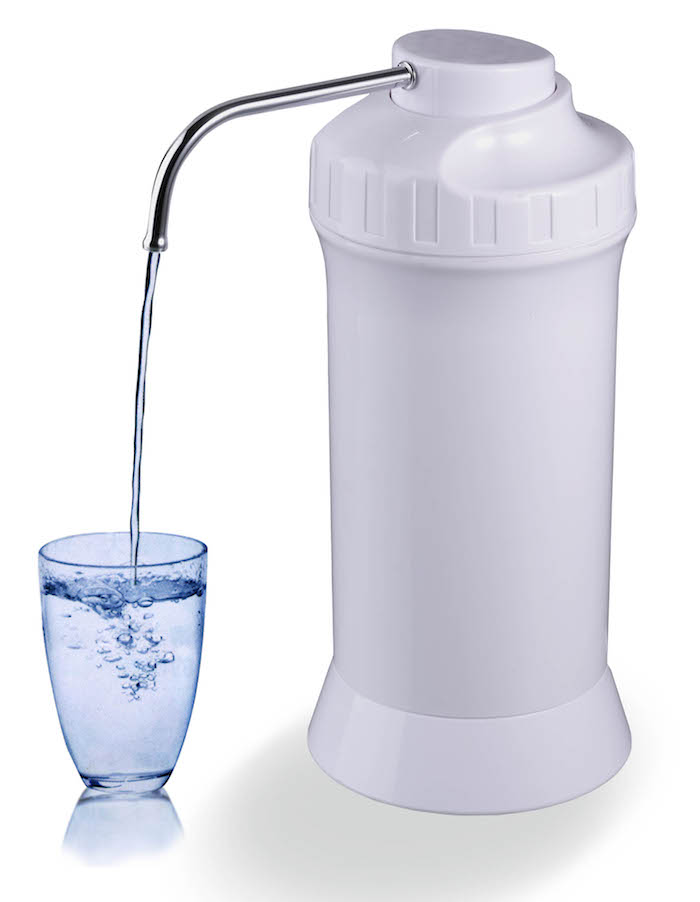
Filters with activated carbon layers often improve taste by reducing chlorine and organic compounds. Simple mechanical filters may not change taste significantly.
Conclusion
A portable water filter is a practical tool for safe, reliable drinking water on the trail, while traveling, or during emergencies. It protects health, reduces waste, and saves money when chosen and maintained for your needs. Pick a filter that matches likely contaminants, care for it in the field, and carry backup treatment for added safety. Try one on your next outing, and leave a comment about your experience or questions for more personalized advice.