Last Updated on August 24, 2026
Basic stove, cookware, utensils, fuel, and cleaning supplies will handle most camping meals.
I’ve cooked on mountains, beaches, and backyard campsites for years, so I know exactly what works and what doesn’t. This guide answers “What Cooking Gear Do You Need for Camping?” with clear, practical advice. You’ll learn how to choose stoves, pots, utensils, storage, and extras that fit your trip style. Read on to avoid common mistakes and pack smart for better meals outdoors.
Essential cooking gear for camping: core items you should pack
Start with the basics. These items let you cook safe, tasty food without extra bulk.
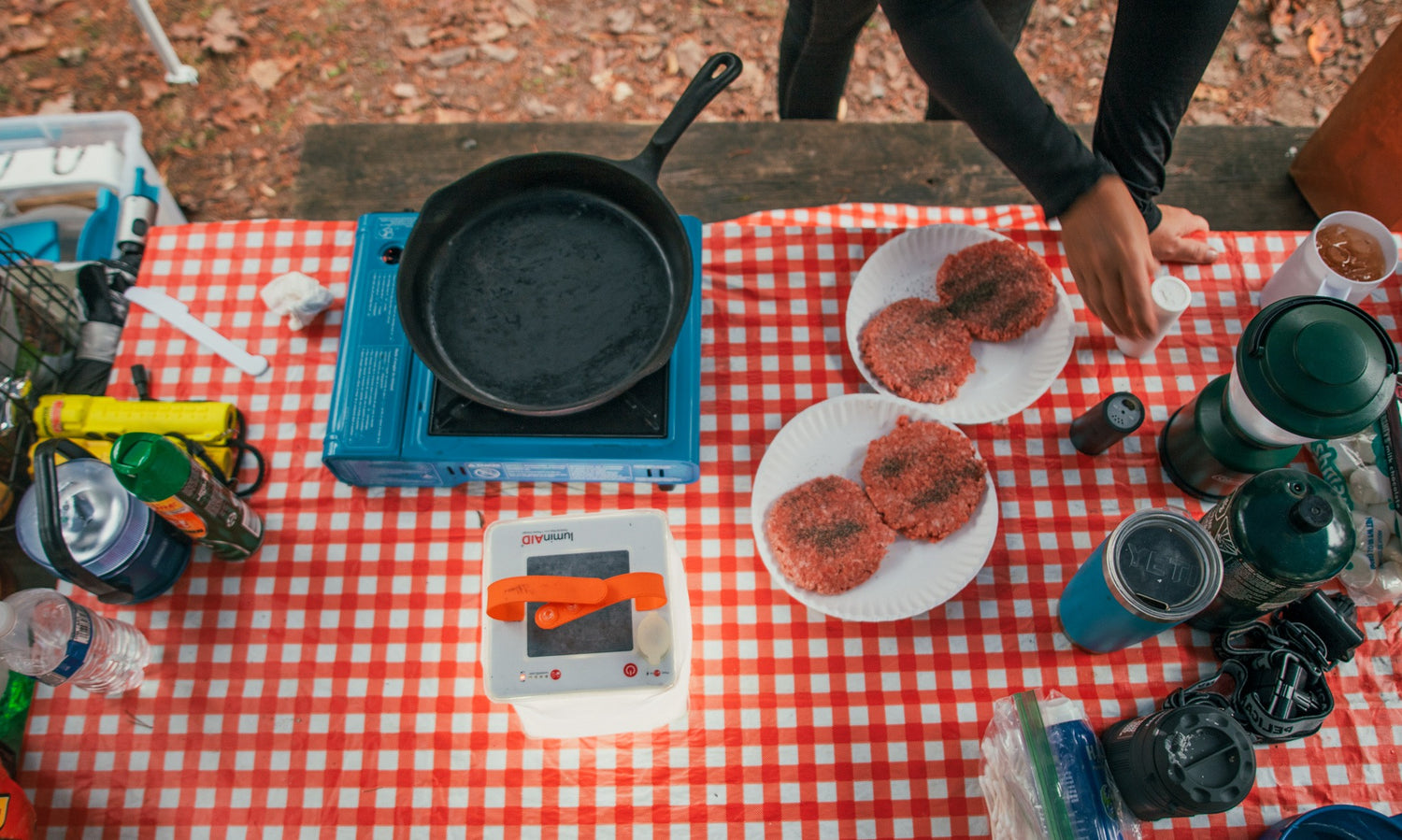
- Stove and fuel
- A reliable stove lets you boil water and cook meals fast. Choose one that matches your trip length and conditions.
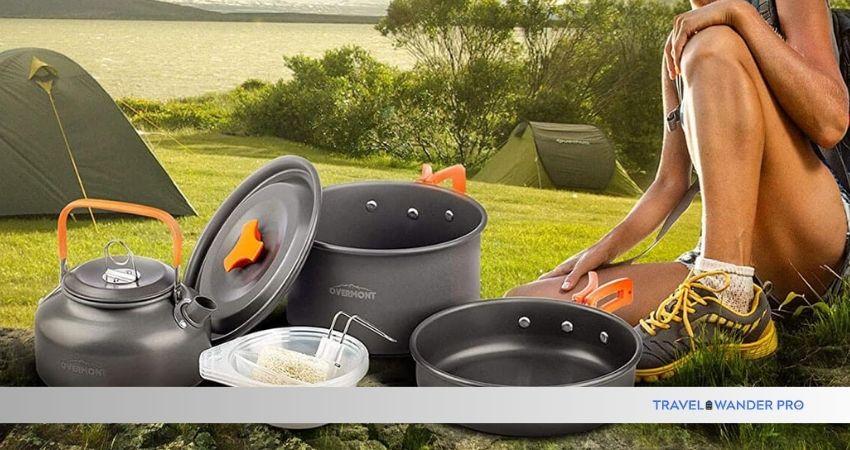
- Cookware
- One pot and one pan often suffice. Pick nestable sets to save space.
- Utensils and tools
- A spatula, serving spoon, sharp knife, and tongs cover most tasks.
- Food storage
- Use sealed containers, dry sacks, or a cooler to keep food safe.
- Cleaning kit
- Biodegradable soap, a small sponge, and trash bags keep the site clean.
- Safety items
- Fire extinguisher or water bucket, lighter, and a first-aid kit.
These essentials answer the core of “What Cooking Gear Do You Need for Camping?” Start small and add gear only when needed.

Choosing stoves and fuel: pick the right heat source
Your stove choice shapes how and what you cook. Think weight, fuel availability, and weather.
- Canister stoves
- Light and easy. Good for car camping and short hikes. Cold weather performance drops.
- Liquid-fuel stoves
- Work in cold and high altitudes. Heavier and need maintenance.
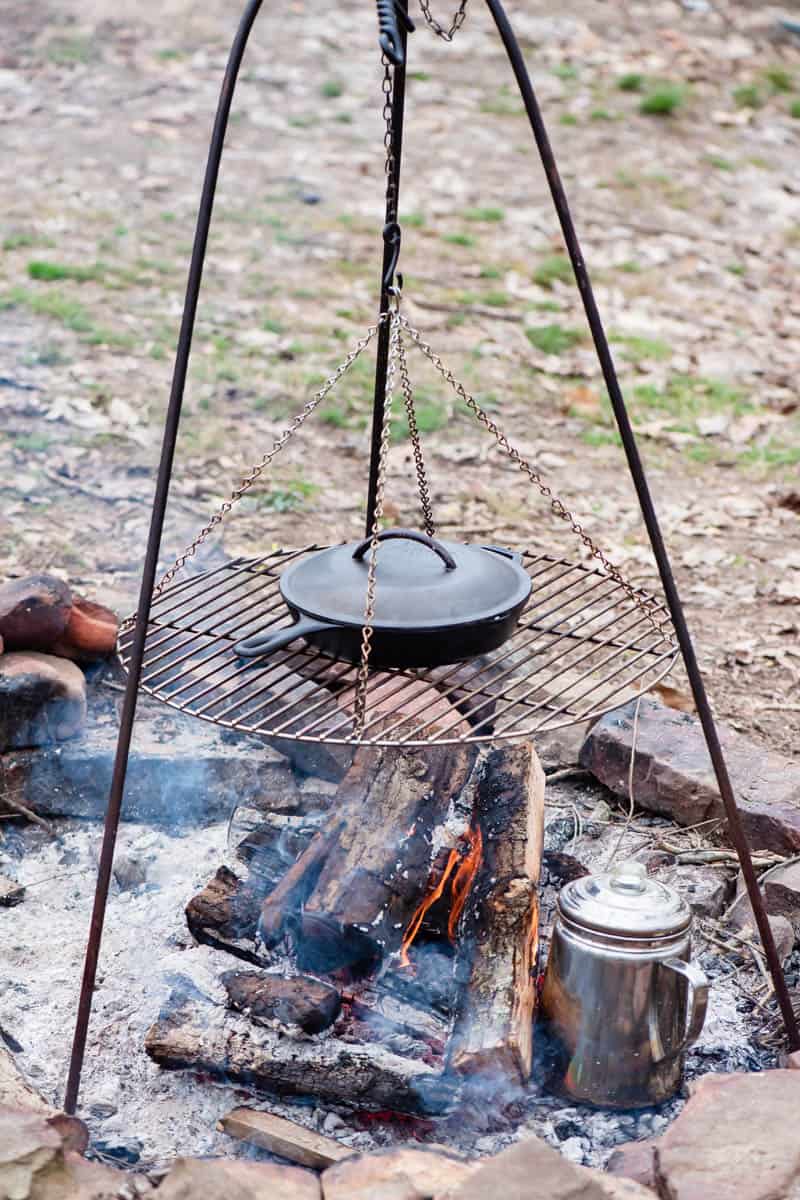
- Wood-burning stoves and fire
- Free fuel if local rules allow. Slow and weather-dependent.
- Multi-fuel stoves
- Versatile for long trips and remote travel. More complex to use.
Tips from experience
- Bring a windscreen. Wind kills stove heat fast.
- Carry a spare fuel canister or bottle for long trips.
- Practice lighting and adjusting the stove at home first.
What Cooking Gear Do You Need for Camping? A reliable stove and proper fuel are near the top of the list. Choose the stove that matches your trip and skill level.

Cookware and utensils: what to buy and why
Cookware affects meal quality, weight, and cleanup. Choose materials and sizes wisely.
- Pots and pans
- Use lightweight aluminum or hard-anodized pots. Titanium saves weight but costs more.
- Nesting pots save space. A 1.5–2 liter pot and a small frying pan cover most needs.
- Mess kit and plates
- Collapsible bowls and lightweight plates reduce bulk.
- Utensils
- Bring a durable spoon, fork, and knife plus a spatula. A long-handled spoon helps with deep pots.
- Cutting tools
- A small camp knife and a compact cutting board make prep easier.
- Extras
- Collapsible sink, pot gripper, and heat-resistant gloves improve safety.
From my trips, a single good pot and a frypan handle 90% of meals. Invest in a quality pot gripper to avoid burns.
Food storage and prep gear: keep food safe and tasty
Proper storage prevents spoilage and wildlife problems. Prep gear speeds cooking.
- Coolers and ice packs
- Choose hard or soft coolers based on trip length. Keep them shaded.
- Bear-safe containers
- Required in many parks. Use them to avoid animal encounters.
- Dry sacks and zip bags
- Great for organizing meals and keeping gear dry.
- Meal prep tools
- Oil, spices in a small container, resealable bags, and instant items reduce cook time.
- Coffee and drink gear
- A small kettle or French press makes morning coffee easy.
What Cooking Gear Do You Need for Camping? Secure food storage and simple prep tools are essential for safety and good meals.
Cleaning, hygiene, and safety gear
Clean cooking keeps camp healthy and leaves no trace. Pack small but effective cleaning supplies.
- Cleaning items
- Biodegradable soap, a small sponge, and a collapsible wash basin.
- Waste management
- Seal trash in heavy bags and pack it out. Bring extra bags.
- Fire safety
- Portable extinguisher or extra water. Know site fire rules.
- First aid and hygiene
- Quick bandages, antiseptic wipes, and hand sanitizer keep small mishaps from growing.
Simple cleaning prevents wildlife problems and keeps gear usable. Always follow park and campground rules.

Helpful extras that make cooking on camp nicer
These items are optional but often worth the weight.
- Windshield for stove improves fuel efficiency.
- Folding table makes prep easier.
- Grill grate for open-fire cooking adds versatility.
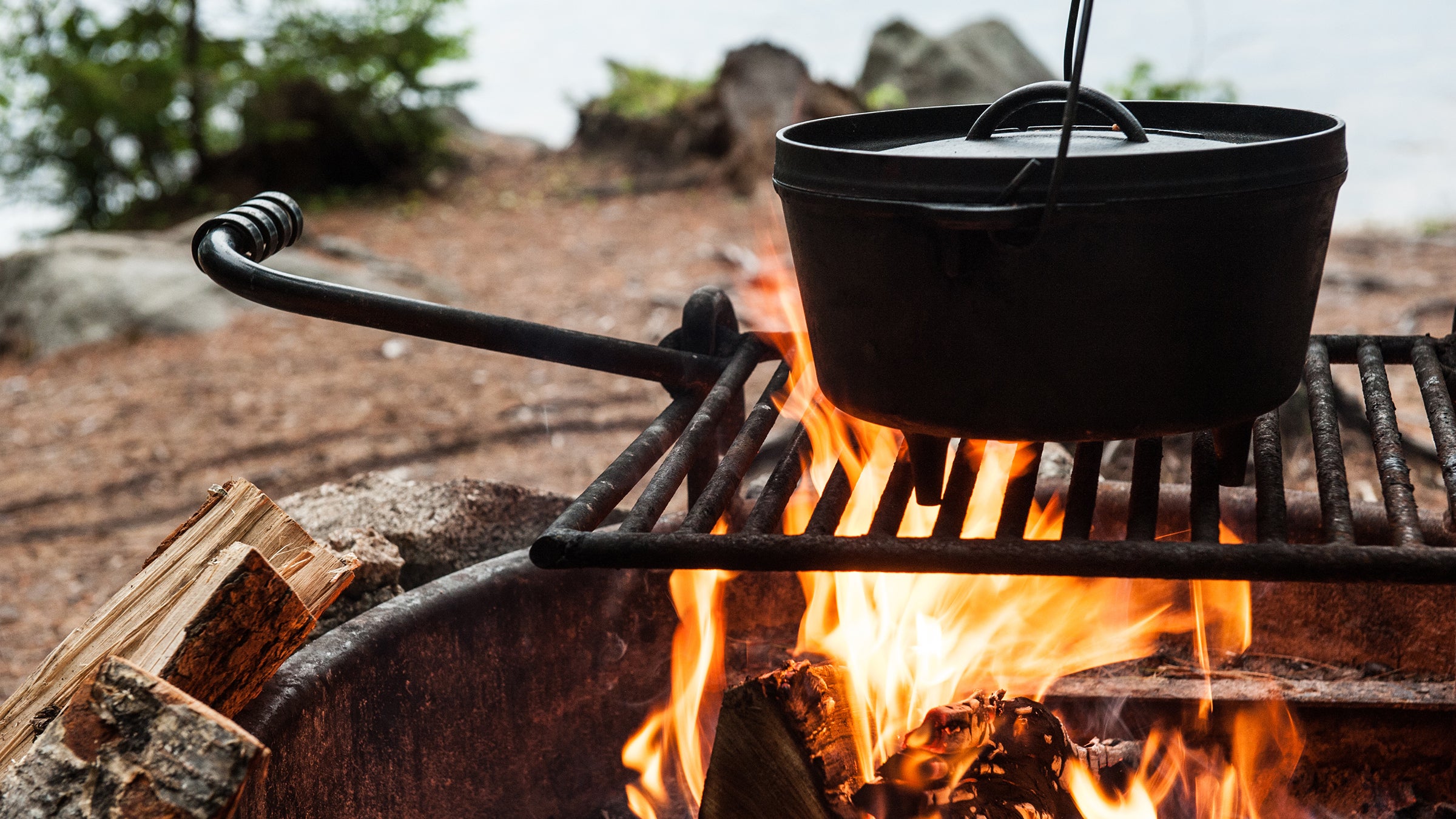
- Camp oven or Dutch oven for baking and roasts.
- Insulated mug and thermos keep drinks hot or cold.
- Portable spice kit with salt, pepper, and favorite spices.
When I started bringing a small spice kit and windscreen, my meals improved dramatically. These extras take your camp cooking from okay to memorable.

Packing tips and a practical checklist
Organize gear by meal and weight. Here’s a compact checklist you can use.
Daily packing checklist
- Stove and spare fuel
- Pot, pan, and pot gripper
- Utensils kit (spoon, fork, knife, spatula)
- Cutting board and knife
- Food storage (cooler or dry sacks)
- Cleaning kit (soap, sponge, bags)
- Safety kit (lighter, fire control, first aid)
- Extras (windscreen, table, spice kit)
Packing tips
- Pack by meal. Store items for breakfast, lunch, and dinner together.
- Test recipes at home to time cooking needs.
- Share heavy items between campers to save weight.
What Cooking Gear Do You Need for Camping? Use a simple checklist and pack by meal to stay efficient on the trail.

Budget vs. premium gear: where to invest and where to save
Spend on items you use often. Save on single-use or rarely used gear.
- Invest in
- A reliable stove, one good pot set, and a sturdy knife.
- Save on
- Extra gadgets and duplicate utensils. Cheap reusable containers work fine.
- Middle ground
- Buy mid-range cookware that balances weight and durability.
I once bought the cheapest stove and regretted it on a windy trip. Spend a bit more on core items and save on accessories.
Common mistakes and real-life lessons
I’ve learned a few hard lessons on the trail. Here are quick tips from those trips.
- Mistake: Overpacking cookware
- Lesson: Limit pots to what you use daily.
- Mistake: No spare fuel
- Lesson: A backup fuel source saved a cold night once.
- Mistake: Forgetting a windscreen
- Lesson: Food cooked much slower without one.
What Cooking Gear Do You Need for Camping? Focus on essentials and test gear before you leave. This prevents most issues in camp.
PAA-style questions (short answers)
Q: Which stove is best for backpacking?
A: A lightweight canister stove is best for short hikes. It’s simple to use and packs small.
Q: How much cookware do I need for a weekend?
A: One pot, one pan, and a small kettle usually suffice. Add a spoon and knife for prep.
Q: Can I use regular kitchen pans for camping?
A: You can, but choose durable, lightweight options to avoid extra weight and risk of damage.
Frequently Asked Questions of What Cooking Gear Do You Need for Camping?
What stove should I get for different trip types?
For short hikes, choose a canister stove for light weight and ease. For long trips in cold or remote areas, a liquid-fuel or multi-fuel stove is more reliable.
How do I store food safely at camp?
Use a cooler for perishables and bear-proof containers where required. Keep food sealed and off sleeping areas to avoid attracting animals.
What is the minimum cookware I need?
One medium pot, one small pan, and basic utensils are the minimum. Add a cutting tool and a means to heat water.
Is it worth bringing a grill or Dutch oven?
If you plan to camp by car or stay long, a Dutch oven or grill can greatly expand your menu. For backpacking, they are too heavy.
How do I clean dishes without harming the environment?
Use a small amount of biodegradable soap and wash at least 200 feet from water sources. Pack out rinse water when rules require it.
Do I need special gear for winter camping cooking?
Yes. Bring fuel that works in cold, an insulated pot cozy, and reliable lighting. Cold slows boiling and uses more fuel.
Conclusion
You don’t need a lot to cook well outdoors. Start with a good stove, a compact set of cookware, basic utensils, secure food storage, and a small cleaning kit. Invest in a few quality pieces and keep extras minimal. Test your setup at home, pack by meal, and share heavy items among campers. Try one new recipe on your next trip and notice how much more enjoyable meals make the experience. Leave a comment with your favorite camp meal or subscribe for more gear tips and recipes.