Last Updated on August 24, 2026
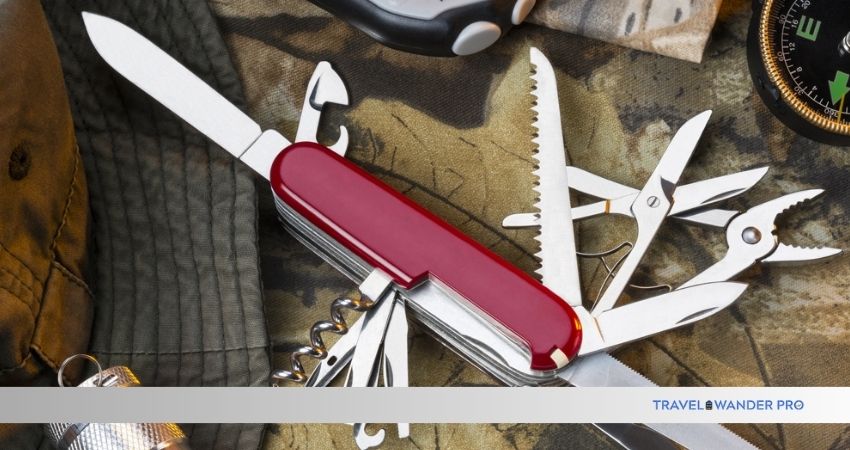
A multi-tool is a compact, handheld kit combining pliers, blades, and drivers for many tasks.
I have used and tested many multi-tools in home repairs, camping, and field work. This article explains what a multi-tool is, how it works, when to use one, and how to pick the right model. You will get clear examples, safety tips, and practical advice from real experience so you can use a multi-tool with confidence.

What Is a Multi-Tool?
A multi-tool is a single, portable device that combines several tools into one compact unit. Most multi-tools include pliers, knives, screwdrivers, wire cutters, and other small tools that fold into the handle. The goal is to give you quick access to common tools without carrying a full toolbox. Multi-tool designs range from simple pocket knives to plier-style tools with many built-in functions.
Key Components and Types
Multi-tool parts vary, but common components include:
- Pliers: Used for gripping, bending, and pulling.
- Knife blade: For cutting rope, food, and light materials.
- Screwdrivers: Flat and Phillips tips for fasteners.
- Wire cutters and strippers: For electrical and small wire jobs.
- Saw blade or file: For cutting wood or smoothing edges.
- Scissors and bottle opener: For everyday tasks.
Common multi-tool types:
- Pliers-based multi-tool: Central pliers with fold-out implements.
- Pocket multi-tool: Slim, lightweight, often used for everyday carry.
- Swiss-style multi-tool: Compact, layered tools like a pocket knife.
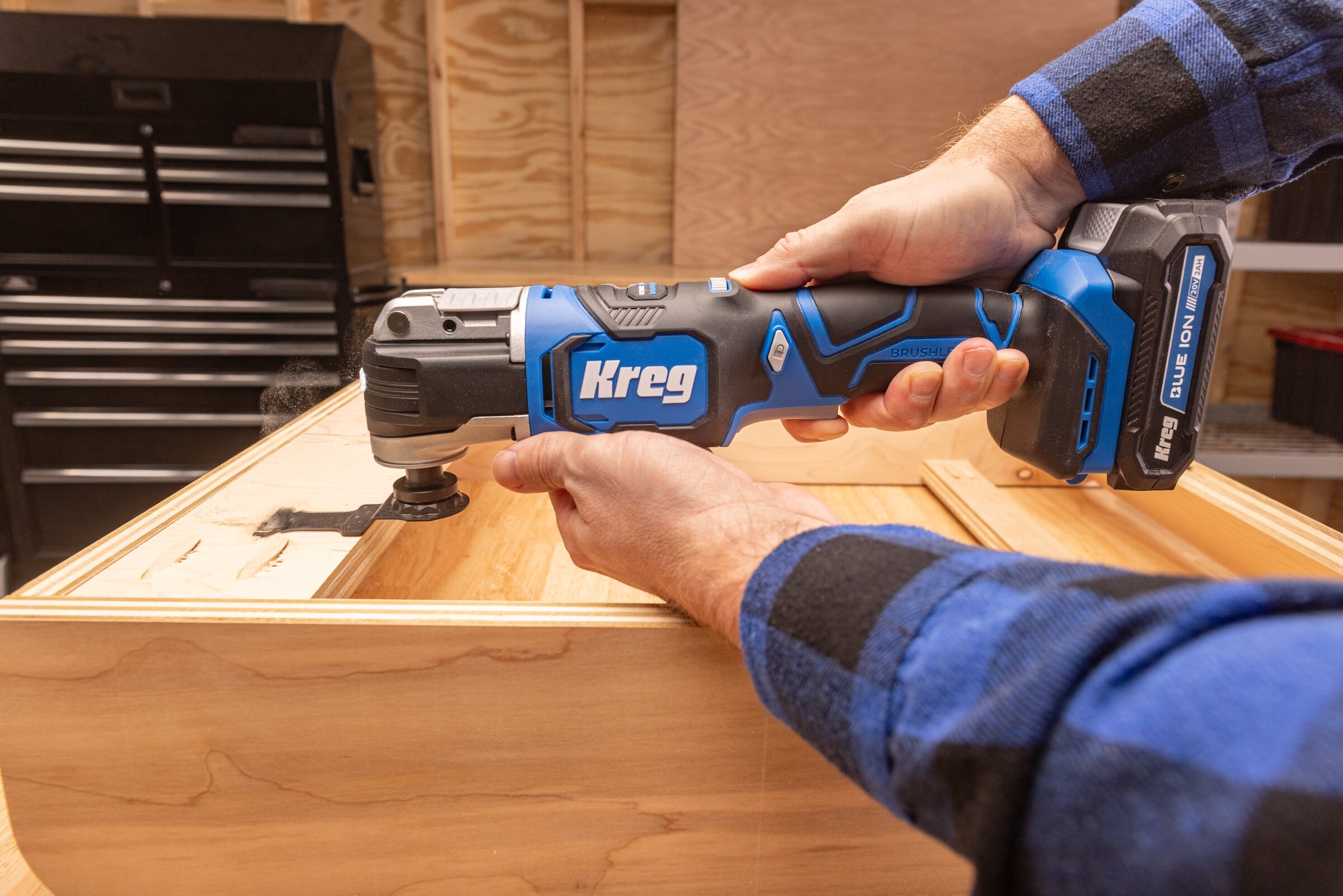
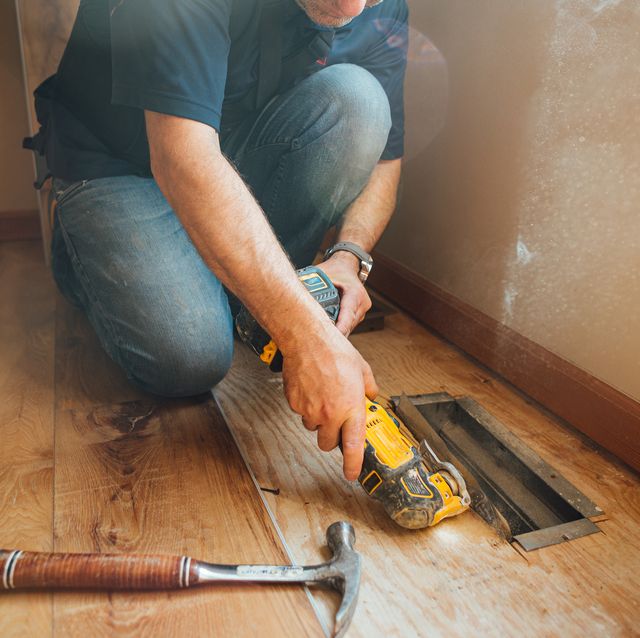
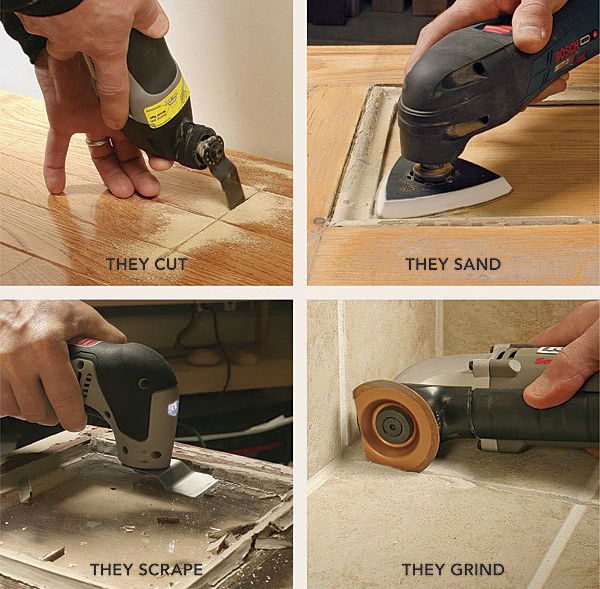
- Power multi-tool: Cordless rotary or oscillating tools for heavy cutting and sanding.
Each type suits different needs. A plier-based multi-tool feels beefy and handy on the job. A pocket multi-tool is light and easy to carry for travel or EDC. Power multi-tools are for heavy jobs and are not pocket-sized.

How Is a Multi-Tool Used? Practical Tasks and Techniques
Multi-tools are used for quick fixes, field repairs, and everyday tasks. Here are practical uses:
- Home repairs: Tightening hinges, cutting zip ties, and stripping wire.
- Camping and hiking: Preparing food, cutting cord, and emergency repairs.
- Automotive and bike maintenance: Tightening bolts, cutting cable ties, and adjusting components.
- Craft and hobby work: Filing, sanding small areas, and trimming materials.
- Everyday carry (EDC): Opening packages, quick cuts, and small adjustments.
Simple step-by-step uses:
- Use the pliers to grip and hold a stripped screw or wire while you work.
- Open the knife blade for cutting rope or tape; close it after use.
- Select the correct screwdriver bit and tighten screws with short, controlled turns.
- Use the saw blade for small branches or the file to clean rough metal edges.
People also ask:
How do I use a multi-tool safely?
Open and lock the tool fully before use. Keep fingers clear of blades and use the correct tool for the job to avoid slips.
Can a multi-tool replace standard tools?
A multi-tool can handle light tasks and quick fixes but does not replace full-size tools for heavy or precision work.
When should I choose a plier-style versus a pocket-style multi-tool?
Choose plier-style for heavier jobs and cutting wire. Choose pocket-style for lighter, daily carry and convenience.
Choosing the Right Multi-Tool
Pick a multi-tool based on your main use, budget, and comfort. Consider these factors:
- Tool selection: Choose the tools you will actually use, not every gimmick.
- Size and weight: Lighter is easier to carry but may be less durable.
- Locking mechanism: A solid lock prevents accidental closure and increases safety.
- Blade and steel quality: Higher-grade steel holds an edge longer and resists corrosion.
- Ergonomics: A comfortable grip matters during extended use.
- Warranty and service: Good brands offer parts and repair options.
My experience: I carried a small pocket multi-tool for years and used it daily. For weekend projects, I switched to a plier-based tool with better leverage. That balance of EDC and a work tool covered most needs without extra weight.
Maintenance, Safety, and Limitations
Maintenance keeps a multi-tool reliable:
- Clean after use with a cloth and mild solvent for sticky grime.
- Lubricate pivots lightly to keep action smooth.
- Sharpen blades with a simple stone or sharpener as needed.
- Store dry to avoid rust and keep blades closed in pockets.
Safety tips:
- Always engage locking features.
- Cut away from your body and keep a stable surface.
- Wear gloves when cutting tough materials to reduce slips.
- Don’t use a multi-tool for prying heavy objects; it can break or injure you.
Know the limitations:
- A multi-tool is not a full replacement for specialty or heavy-duty tools.
- Expect smaller handles and less torque than full-size tools.
- Legal restrictions may apply for carrying blades in some locations; check local laws.

Frequently Asked Questions of What Is a Multi-Tool and How Is It Used?
What makes a multi-tool different from a pocket knife?
A multi-tool combines many functions, including pliers, drivers, and cutters, while a pocket knife typically focuses on one or two blades. Multi-tools aim to replace several items at once.
Is a multi-tool good for electrical work?
Many multi-tools include wire cutters and strippers for light electrical tasks. For live or complex wiring, use insulated, full-size electrical tools instead.
How often should I sharpen my multi-tool blade?
Sharpen when you notice reduced cutting performance. For regular users, this might be every few months; for light users, once or twice a year suffices.
Can I carry a multi-tool on a plane?
Rules vary by carrier and country, but most multi-tools with blades are not allowed in carry-on luggage. Pack them in checked baggage or verify rules before travel.
How long do multi-tools last?
With regular care, a quality multi-tool can last many years. Lifetime depends on build quality, frequency of use, and maintenance.
What is the best way to clean a multi-tool?
Open all tools and wipe away dirt. Use a brush for crevices and a light oil on moving parts. Dry thoroughly before storing.
Should I buy the cheapest multi-tool available?
Cheaper models save money but may lack durability and reliable locks. Buying a mid-range or quality tool often pays off with longevity and safety.
Conclusion
A multi-tool is a compact, versatile device that helps with quick repairs, outdoor tasks, and everyday needs. Use one for small jobs, carry one for convenience, and choose a model that matches your regular tasks. Keep it clean, sharpen blades, and respect its limits. Try a well-reviewed multi-tool, practice safe handling, and you will find it saves time and space. If you enjoyed this guide, try a tool on a simple task today, share your experience below, or subscribe for more hands-on tips.