Last Updated on August 24, 2026
Use smart planning, stay alert, and carry the right gear to stay safe while camping outdoors.
I’ve guided groups and led multi-day trips for years, so I know what keeps people safe and what puts them at risk. This article explains how to stay safe while camping outdoors with clear steps, checklists, and real-world tips you can use on your next trip. Read on for practical advice on gear, campsite selection, fire safety, wildlife encounters, weather prep, first aid, and lessons learned from the trail.
Essential gear checklist for safety
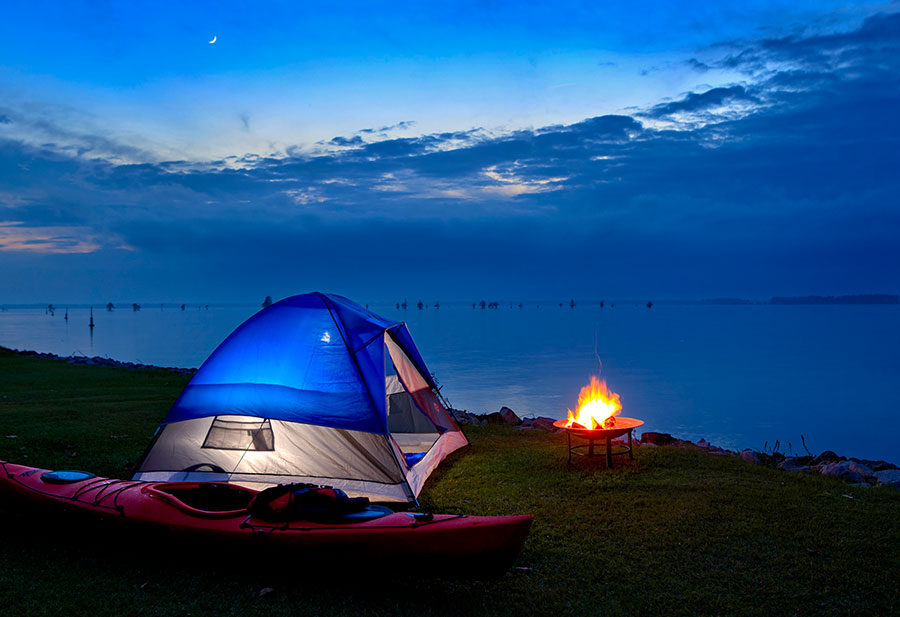
A well-chosen kit is the first step to stay safe while camping outdoors. Pack items that cover shelter, navigation, warmth, signaling, and first aid.
- Shelter and sleep
- Tent rated for expected weather, footprint, and stakes.
- Warm sleeping bag and insulating pad.
- Navigation and light
- Map and compass plus a GPS device or phone with offline maps.
- Headlamp with extra batteries and a small backup flashlight.
- Safety and signaling
- Whistle, mirror, and a compact signal device.
- Multi-tool or fixed-blade knife.
- First aid and hygiene
- A comprehensive first-aid kit, personal medications, and blister care.
- Sanitizer, biodegradable soap, and hand towel.
- Fire and cooking
- Stove and fuel, lighter, waterproof matches, and a small fire kit.
- Water and food
- Water filter or purification tablets and at least one liter per person per day.
- High-calorie, easy-to-cook foods and secure food storage containers.
- Clothing and weather
- Layered clothing, rain shell, hat, and gloves.
- Extra socks and dry bags to keep gear dry.
- Emergency extras
- Emergency blanket, portable charger, and a compact shelter tarp.
Why these items matter: having the right gear makes it much easier to stay safe while camping outdoors. Tests in the field show a small kit prevents most minor injuries from becoming serious issues. Pack light, but pack smart.

Choosing and preparing your campsite
Picking the right campsite dramatically improves your odds to stay safe while camping outdoors. Use these guidelines before setting up.
- Location factors
- Choose flat ground above drainage lines to avoid flooding.
- Avoid dead trees, rockfall zones, and low spots where cold air pools.
- Proximity and rules
- Follow park rules about distance from water, trails, and fire rings.
- Stay at least 200 feet from water sources when possible to protect waterways.
- Leave-No-Trace setup
- Use existing campsites when available.
- Pack out trash and food scraps to reduce wildlife visits.
- Secure food and scent
- Use bear canisters, hang food, or follow local storage rules.
- Store toiletries and cooking gear with food to avoid attracting animals.
Quick PAA-style question: How do I choose a safe campsite?
- Pick flat, high ground clear of hazards. Follow local rules and secure food to avoid wildlife.
Small steps in site prep make a big difference when you want to stay safe while camping outdoors. I once moved camp an hour before a storm because the original site looked like it would flood; it saved my group from a cold, wet night.
Fire safety and cooking practices
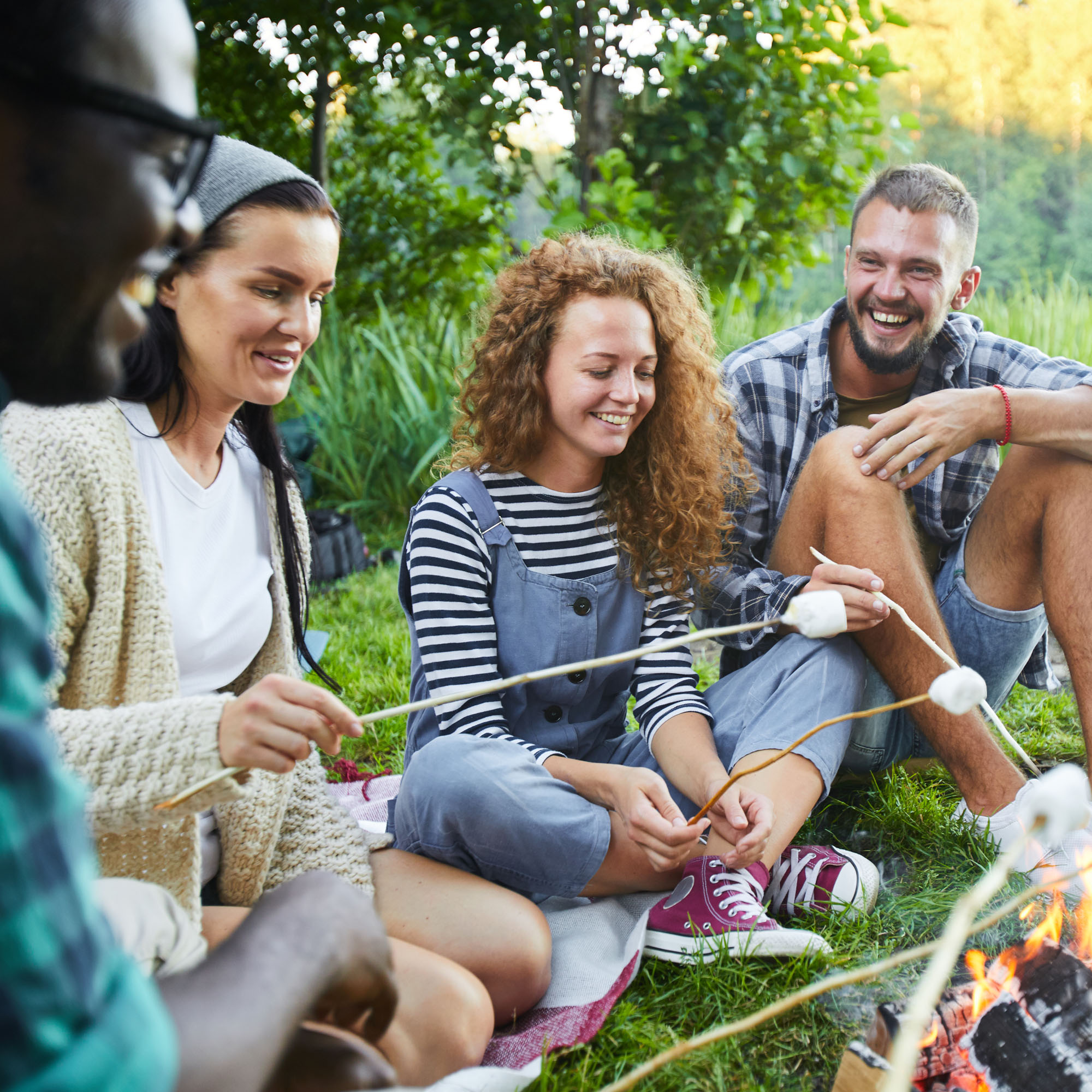
Safe fire practices are essential to stay safe while camping outdoors. Fires cause most campsite injuries and wildfires when mismanaged.
- Before you build
- Check fire restrictions and weather. No fire in high winds.
- Use established fire rings whenever possible.
- Building and maintaining a fire
- Keep fires small and manageable.
- Clear a two-foot area around the ring of leaves and debris.
- Never leave a fire unattended.
- Cooking safely
- Use a camp stove on stable ground if conditions are risky.
- Keep flammable liquids away from flames.
- Extinguishing a fire
- Douse with water until embers are cold to the touch.
- Stir ashes and soak again if needed.
Practical example: On a windy night, I switched from a campfire to a stove. That kept dinner warm and reduced the risk of spreading embers.
Wildlife and insect safety
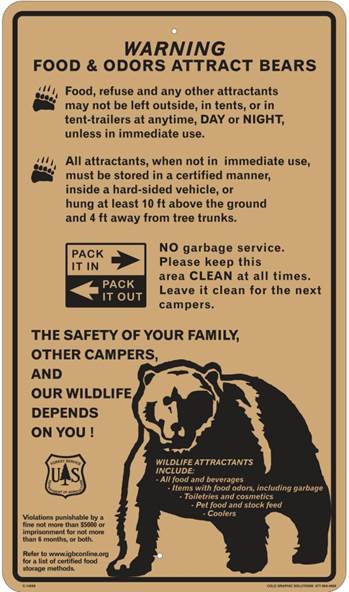
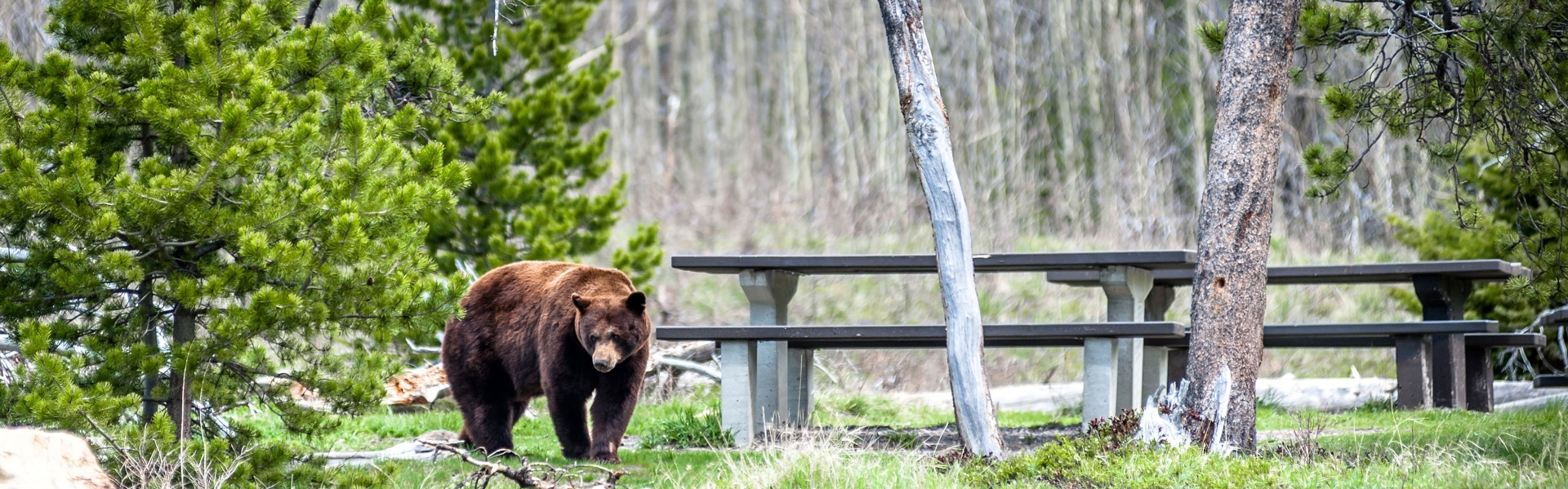
Understanding wildlife behavior helps you stay safe while camping outdoors. Most animals avoid people, but mistakes with food, scent, or approach can cause problems.
- Keep distance and respect habitat
- Observe animals from afar. Use binoculars for close views.
- Never feed wildlife — it changes behavior and creates danger.
- Store food and trash correctly
- Use bear-resistant containers or hang food 10–12 feet high and 4–6 feet from the trunk when required.
- Pack out trash and wash dishes away from sleeping areas.
- Avoid attracting insects
- Use EPA-approved repellents for ticks and mosquitoes.
- Inspect for ticks daily, especially after hiking through brush.
- What to do if you encounter a large animal
- For bears, speak calmly, back away slowly, and make yourself appear large; do not run.
- For mountain lions, maintain eye contact, appear large, and defend yourself if attacked.
Personal note: I once had a raccoon open a tent vestibule because food was left inside. That taught me the hard way to always lock food away.

Weather, navigation, and emergency preparedness
Good planning for weather and navigation is crucial to stay safe while camping outdoors. Conditions can change fast.
- Check forecasts and plan for variability
- Look at short- and long-range weather before you go.
- Pack for colder and wetter conditions than predicted.
- Navigation basics
- Learn map and compass skills; practice at home.
- Mark waypoints and share your route with someone not on the trip.
- Emergency plan
- Carry an emergency contact list and know the nearest ranger station.
- Have a personal locator beacon or satellite communicator on remote trips.
- Plan for evacuation
- Know exit routes and how to get to roads or cell coverage.
- Keep vehicles fueled and accessible.
PAA-style question: What should I do if I get lost while camping?
- Stop and stay put if injured. Use a map and compass to orient yourself. Signal with a whistle or phone if you have a signal.
Health, hygiene, and first aid
Managing health and sanitation helps everyone stay safe while camping outdoors. Minor injuries or infections can become serious quickly.
- First-aid essentials
- Include bandages, antiseptic, tweezers, pain relievers, and any prescriptions.
- Know how to treat blisters, sprains, cuts, and hypothermia.
- Water safety and food prep
- Purify water from natural sources with a filter or tablets.
- Cook foods to safe temperatures and store leftovers securely.
- Personal hygiene
- Wash hands before eating and after bathroom use.
- Use biodegradable soap 200 feet from water sources.
- Preventing common conditions
- Wear sunscreen and hydrate to avoid heat illness.
- Layer clothing to prevent hypothermia in cold, wet weather.
Real-world tip: After a long hike I treated small blisters immediately. That kept them from growing into the kind of problem that ruins a trip.

Personal tips and lessons learned
I’ve led trips where planning mattered and where small mistakes became big problems. These lessons help you stay safe while camping outdoors.
- Double-check gear the night before departure.
- Always tell someone your route and expected return.
- Practice with your gear at home — set up your tent and use your stove.
- Respect your limits; don’t push for a summit in poor weather.
- When in doubt, choose caution over adventure.
One trip I learned to always check the tent footprint size; water pooled under the tent when I cut corners. Simple prep saves comfort and safety.
Frequently Asked Questions of How to Stay Safe While Camping Outdoors
How do I prevent wildlife encounters at night?
Store food in approved containers and keep cooking areas separate from sleeping spaces. Clean up all food scraps and avoid scented toiletries in your tent.
What should I include in a basic camping first-aid kit?
Include bandages, antiseptic wipes, adhesive tape, tweezers, pain relief, blister care, and any personal meds. Add items for treating sprains and emergency shelter.
How can I stay safe during sudden severe weather?
Monitor weather forecasts and have an evacuation plan. Seek low, sheltered ground away from trees in lightning storms and avoid flood-prone areas.
Is it safe to use a camp stove inside a tent vestibule?
No, never use a stove inside a tent or an enclosed space due to fire and carbon monoxide risks. Cook outside on stable ground and away from flammable materials.
What are easy steps to avoid getting lost?
Carry a map and compass and learn to use them. Share your route with someone and use a GPS device or waypoint system.
Conclusion
Staying safe while camping outdoors comes down to planning, the right gear, respect for nature, and smart habits. Follow the checklists, practice navigation and fire safety, secure food, and be ready for changing weather. Take one action today: pack and inspect a small safety kit and share your trip plan with someone. If this guide helped, try these tips on your next trip and share your experience or questions below.