Last Updated on August 24, 2026
Travel adapters let your plug fit foreign sockets; they do not change voltage or frequency.
I have used travel adapters for years and helped friends pack for long trips. This guide explains What Are Travel Adapters and How Do They Work? in plain terms. You will learn what adapters do, when you need a converter, how to pick one, and simple safety rules. Read on to travel smarter and protect your gear.

What is a travel adapter?
A travel adapter is a small device that changes the shape of your plug. It lets your plug fit into a different socket type. It does not change electrical voltage or frequency. Many people confuse adapters with voltage converters, so knowing the difference is key.

How do travel adapters work?
Travel adapters work in two simple ways. First, they match the physical pins of your plug to the socket in another country. This is a mechanical change only. Second, some adapters include ports like USB or USB-C to supply power to electronics.
Adapters that only change plug shape leave the voltage the same. Your device must accept the local voltage to work safely. For devices that do not support the local voltage, you need a voltage converter or transformer. Think of a travel adapter like a bridge that connects different plug shapes but not the power itself.
What Are Travel Adapters and How Do They Work? often confuses travelers because plugs, voltage, and power are separate issues. Remember: plug fit, voltage match, and wattage limit are three things to check before you plug in.
:max_bytes(150000):strip_icc()/tal-ceptics-world-traveler-adapter-kit-asia-london-palomba-7-ee232f7a41c842b4983a864031d6fef3.jpeg)
Types of travel adapters and converters
Here are common adapter types and what they do:
- Plug adapter only. Lets your plug fit into another outlet. No voltage change.
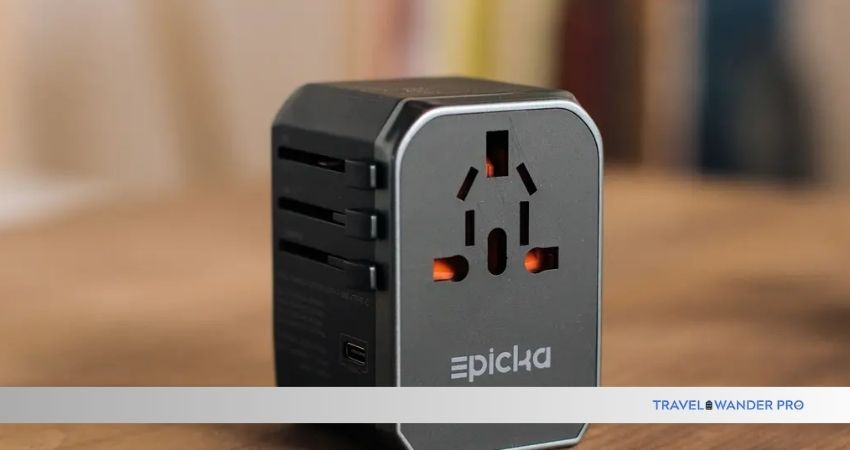
- Universal travel adapter. Works in many countries and often has USB ports.
- USB adapter. Converts a wall outlet to one or more USB or USB-C ports.
- Voltage converter. Steps voltage up or down for devices that are not dual-voltage.
- Transformer. Converts voltage and often frequency for sensitive or high-power gear.
Major plug patterns to know include types A, B, C, G, and I. Each type looks different and matches certain regions. A universal adapter covers many of these patterns at once.
What Are Travel Adapters and How Do They Work? can mean different things depending on the adapter type. Always check labels and specs.

How to choose the right travel adapter
Choose an adapter by checking these points:
- Destination plug type. Know the socket style in your country.
- Device voltage. Look for “100–240V” on chargers for dual-voltage support.
- Wattage. High-power devices like hair dryers need special converters.
- Ports. Pick adapters with USB-C PD for fast charging laptops and phones.
- Safety features. Choose fuses, surge protection, and child-safe shutters.
- Size and weight. Compact models are best for carry-on packing.
I always make a checklist before packing. It saves me from shopping at an airport store.
:max_bytes(150000):strip_icc()/tal-ceptics-world-traveler-adapter-kit-asia-london-palomba-7-1-631605512df0497491401cb32877926f.jpg)
Safety tips and common mistakes
Follow these safety tips to avoid damage:
- Don’t assume an adapter converts voltage. Check device specs first.
- Avoid using cheap, unbranded adapters. They can overheat.
- Never use adapters for high-wattage appliances unless rated for that load.
- Use a surge protector when possible in areas with unstable power.
- Do not force a plug into a socket. That can damage contacts and create sparks.
I once plugged a 220V hair dryer into a 110V-only device with an adapter and it fried the motor. That taught me to check wattage and voltage every time.

Practical examples and scenarios
Here are real scenarios and what to use:
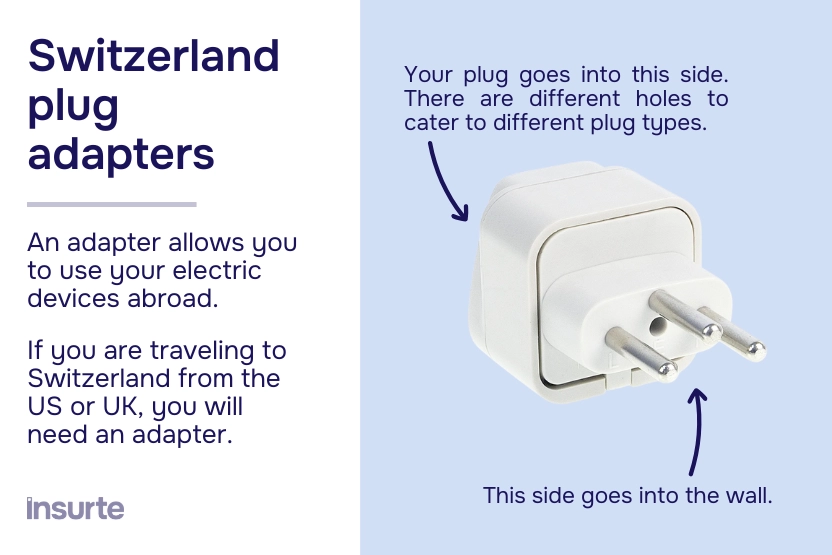
- Traveling from the United States to the United Kingdom. Use a Type G plug adapter. If your device accepts 230V, you are fine with just the adapter.
- Traveling from Europe to the United States. Use a Type A/B adapter. Check if chargers say 100–240V.
- Charging a laptop. Use a USB-C PD adapter or a dedicated laptop charger that is dual-voltage. No heavy converter needed if the charger says 100–240V.
- Using a curling iron from the U.S. abroad. Most curling irons are not dual-voltage. Use a voltage converter rated for the iron’s watts or buy a travel iron that supports both voltages.
These examples show the difference between plug fit and power compatibility. What Are Travel Adapters and How Do They Work? becomes easy when you separate those two ideas.
Personal experience and tested tips
I travel a lot for work and carry a small kit. My kit includes a universal adapter with USB-C PD, a compact surge protector, and a small step-down converter for old appliances. I learned these tips over time:
- Pack a simple adapter for each region you visit.
- Bring a power bank for times without outlets.
- Label chargers and cords so you can spot dual-voltage gear quickly.
- Test expensive items in your hotel room when you arrive to check for heat or noise.
These habits cut my tech headaches on the road. They also stopped me from buying replacements in shops with inflated prices.

Frequently Asked Questions of What Are Travel Adapters and How Do They Work?
What is the difference between an adapter and a converter?
An adapter changes the plug shape so it fits a foreign socket. A converter changes the voltage level so devices that need a different voltage can work safely.
Can I use a travel adapter for my hair dryer?
Only if the hair dryer is dual-voltage and the adapter supports the plug type. High-wattage appliances often need a dedicated voltage converter or a travel-specific device.
Are universal travel adapters safe?
Many universal adapters are safe if they come from reputable brands and include safety features like fuses and shutters. Cheap models can overheat, so choose quality.
Do travel adapters work for laptops and phones?
Yes, most modern laptop and phone chargers support 100–240V and only need a plug adapter. For fast charging, pick an adapter with USB-C PD support.
Will an adapter change the frequency from 50Hz to 60Hz?
No. Travel adapters do not change frequency. Frequency changes matter only for some appliances like motors and clocks, and often require a transformer or specialized equipment.
Conclusion
Travel adapters help you fit plugs into foreign sockets, but they do not change voltage or frequency. Understand plug type, voltage compatibility, and wattage before you plug in. Use quality adapters, carry a small kit, and test devices when you arrive. Take action now: make a packing checklist, buy a reliable universal adapter, and label your chargers to avoid trouble abroad. Share your travel adapter tips or questions below and subscribe for more travel tech advice.