Last Updated on August 24, 2026
Travel light, respect habitats, and leave no trace to keep wild places healthy.
I have spent years guiding trips and studying outdoor ethics, and I know what works and why. This guide on How to Travel Responsibly in Nature gives clear steps, real-world examples, and simple rules you can use now. Read on for practical tips, common mistakes to avoid, and ways to make every outdoor trip better for nature and people.

Why How to Travel Responsibly in Nature Matters
How to Travel Responsibly in Nature matters because small choices add up. Nature recovers slowly from damage. One trail shortcut or forgotten trash can harm plants and wildlife for years.
When you travel with care, you protect habitats, support local cultures, and keep wild places safe for future visits. This section explains the reasons and the big benefits of smart travel choices.
Core principles of How to Travel Responsibly in Nature
How to Travel Responsibly in Nature starts with a few clear rules. Use these at every step.
- Plan ahead and prepare. Check rules, maps, weather, and permits before you go.
- Stick to trails and durable surfaces. Avoid trampling plants or creating new paths.
- Pack out what you bring. Leave items and waste at home or use proper disposal.
- Minimize campfire impact. Use stoves and approved fire rings when possible.
- Respect wildlife. Observe from a distance and never feed wild animals.
- Support local communities. Buy local, follow cultural norms, and hire local guides.
These principles are simple. They work in parks, forests, deserts, and coasts.
Practical planning for low-impact trips
How to Travel Responsibly in Nature begins before you leave home. Good planning prevents many problems.
- Research the area. Learn about fragile species, seasonal closures, and rules.
- Choose low-impact dates. Avoid peak breeding seasons or overcrowded weekends.
- Book ethical guides or small operators. They often follow best practices.
- Prepare for waste. Bring reusable containers and a small bag for trash.
- Learn first aid and basic wilderness skills. Safe trips reduce rescue impact.
A clear plan lowers your chance of making mistakes that harm nature or cost the community time and money.
On-trail behavior and campsite etiquette
How to Travel Responsibly in Nature shows up on the trail and at camp. Your behavior matters.
- Stay on marked trails. Shortcuts kill plants and cause erosion.
- Camp on durable ground. Use established sites or rock, gravel, or dry grass.
- Keep noise low. Loud voices and music disturb animals and other visitors.
- Store food securely. Use lockers, bear canisters, or hung bags where required.
- Wash responsibly. Use small amounts of biodegradable soap 200 feet from water.
These actions keep trails clean and protect water and soil.

Wildlife interactions: watch, don’t touch
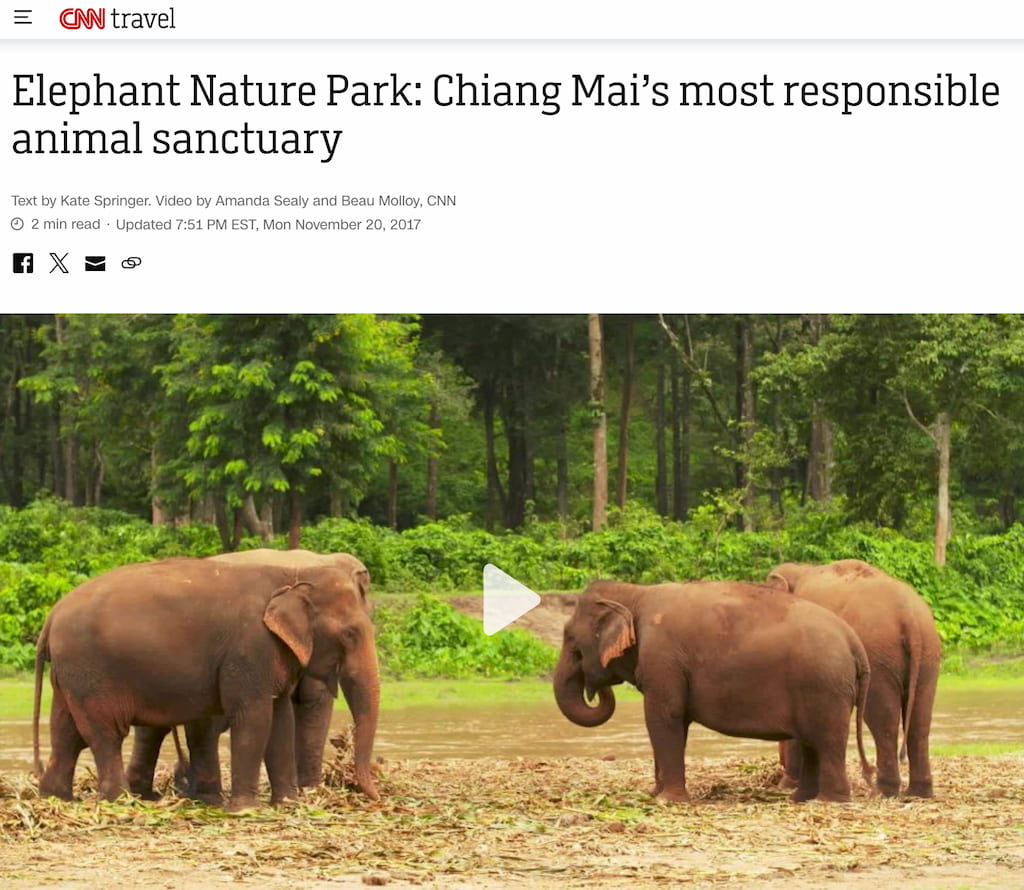
How to Travel Responsibly in Nature means watching wildlife from a safe distance. Close contact harms animals and you.
- Use binoculars or a zoom lens to observe. This keeps animals calm and safe.
- Never feed wildlife. Food changes behavior and diets, and can cause illness.
- Respect breeding areas and nests. Give space to birds and mammals during seasons.
- Keep pets leashed where rules require. Pets can stress wildlife and spread disease.
Seeing animals in the wild is a privilege. Do it with patience and respect.
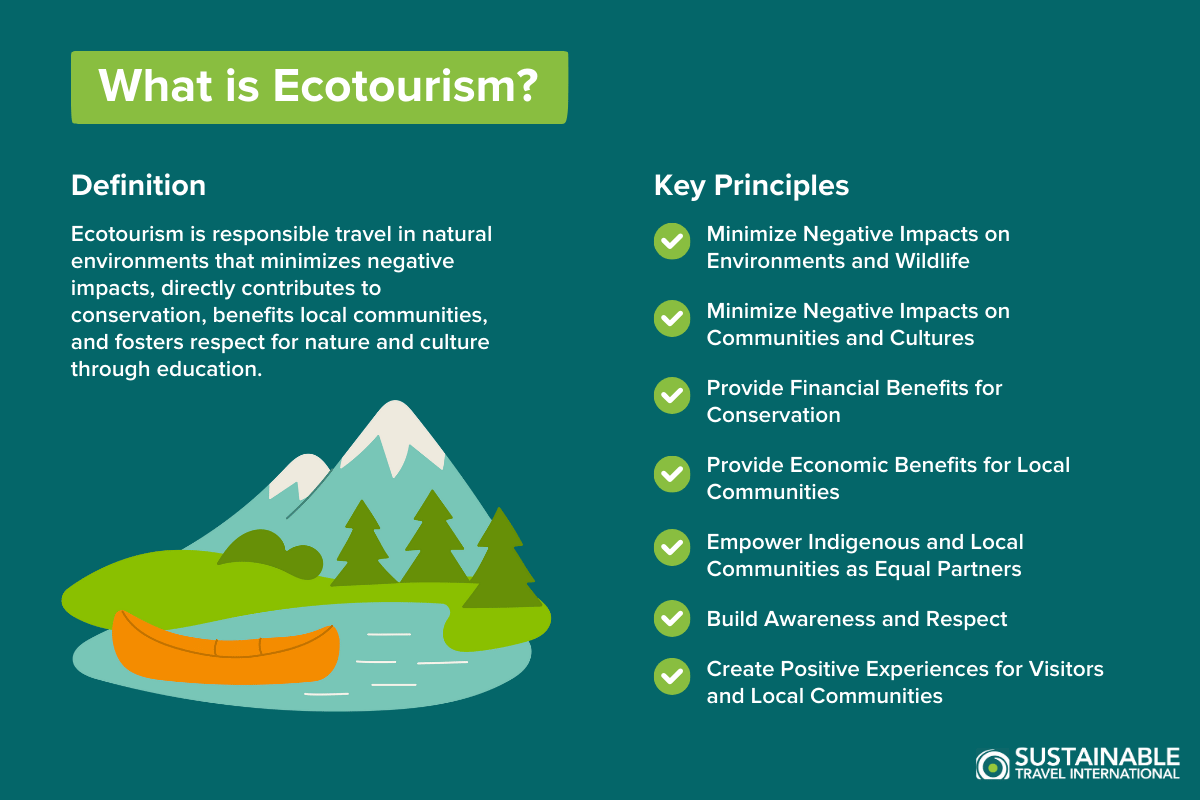
Leave No Trace: steps to practice every trip
How to Travel Responsibly in Nature follows Leave No Trace basics. These steps are easy and effective.
- Plan and prepare. Know regulations and carry needed gear.
- Travel on durable surfaces. Avoid vegetation and fragile soils.
- Dispose of waste properly. Pack out trash and human waste if required.
- Leave what you find. Do not take shells, rocks, or cultural items.
- Minimize campfire impacts. Use stoves and existing fire rings.
- Respect wildlife and other visitors. Share space with care.
These seven points reduce harm and keep places natural.
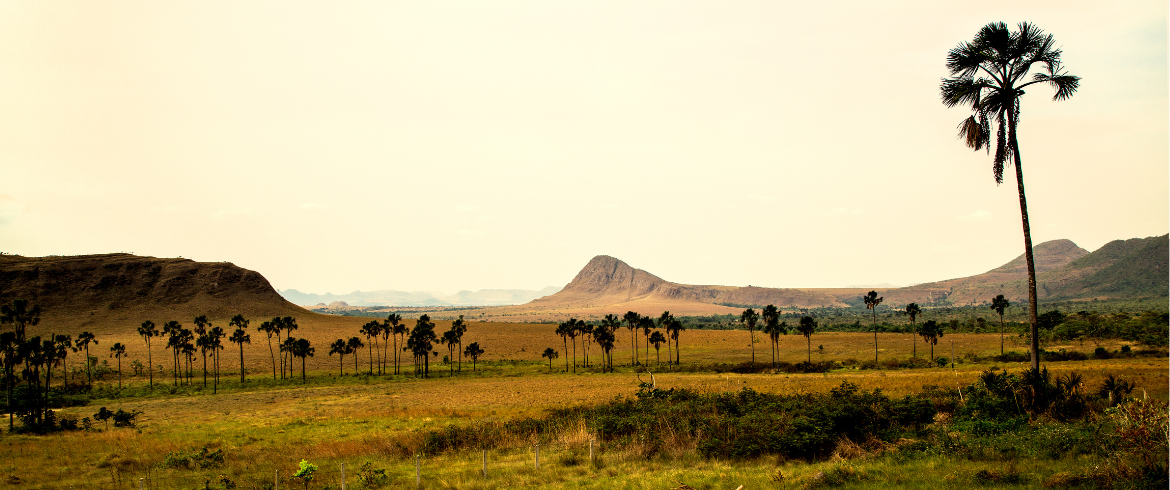
Reducing carbon footprint and transport choices
How to Travel Responsibly in Nature includes thinking about how you get there. Transport choices affect climate and ecosystems.
- Use public transit or carpool where possible. Fewer cars mean less road damage and pollution.
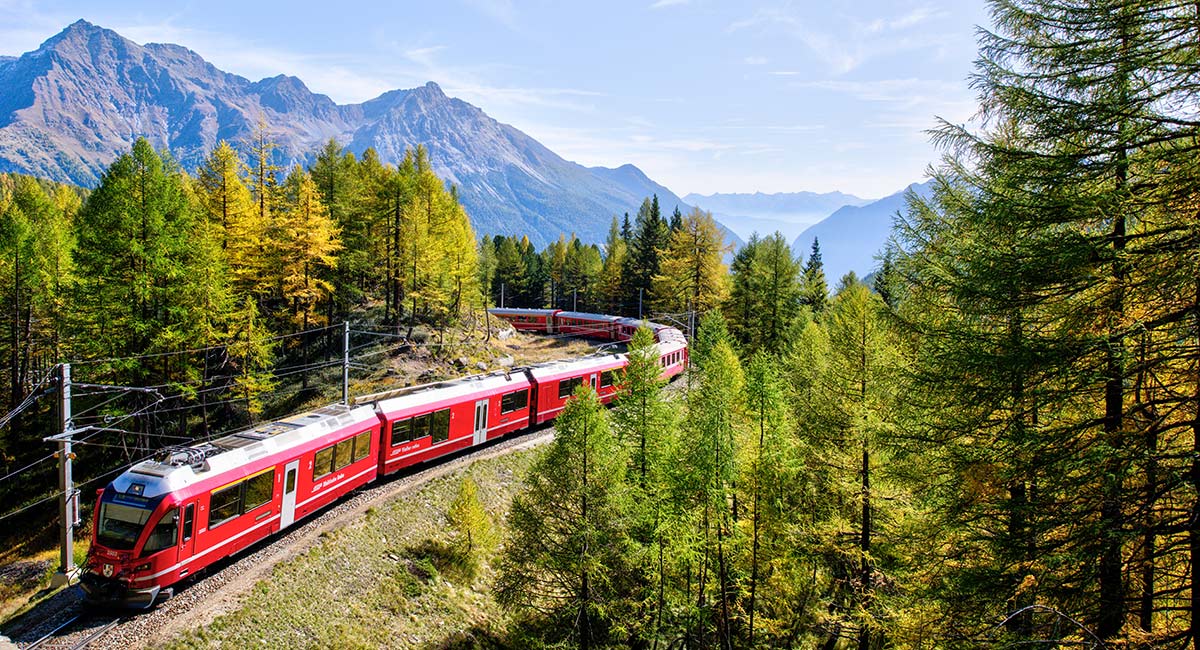
- Choose lower-emission options. Trains and buses often have smaller carbon footprints.
- Offset thoughtfully. If you must fly, use reputable carbon offset programs as a last step.
- Combine trips. Stay longer and explore more to reduce frequent travel.
Small changes in travel habits add up over time.
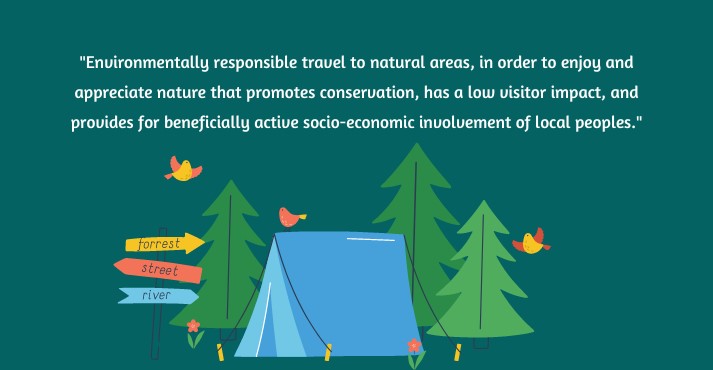
Supporting local communities and conservation
How to Travel Responsibly in Nature means helping the people who live near wild places. You can give back while you travel.
- Buy local food and gear. Money stays in the community.
- Hire local guides. They provide jobs and shared knowledge.
- Respect cultural sites. Learn and follow local customs.
- Donate to local conservation projects. Even small gifts can help habitat protection.
Community support builds trust and strengthens long-term protection.

Gear, packing, and waste management
How to Travel Responsibly in Nature depends on what you bring. Smart gear reduces impact.
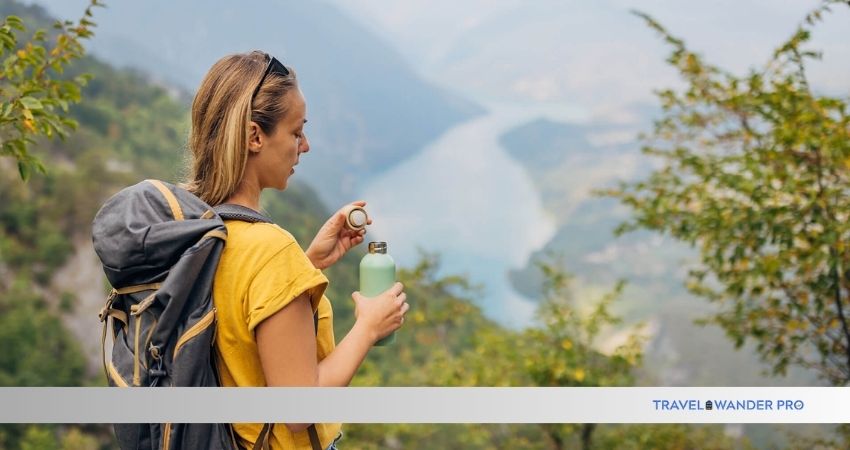
- Pack reusable items. Water bottles, utensils, and bags cut single-use waste.
- Choose durable gear. Long-lasting items mean less replacement and less waste.
- Carry a small repair kit. Fix items rather than discard them.
- Bring a lightweight trash bag. Pack out all non-biodegradable waste.
- Dispose of human waste properly. Use toilets, or follow local rules for catholes.
Good gear choices make trips cleaner and cheaper over time.
Personal experience: lessons learned and mistakes to avoid
How to Travel Responsibly in Nature is easier with practice. I learned this the hard way on a windy ridge trip. I left a fuel canister cap behind. It blew down to a meadow. I felt guilty and returned the next day to search for hours. I found it, but the lesson stuck: small items matter.
Other lessons I learned:
- Plan for weather. A wet tent can lead to sheltering in fragile areas.
- Talk to locals first. A ranger told me to avoid a stream in spring due to nesting birds.
- Keep group sizes small. Large groups increase noise and trail damage.
These simple changes improved my trips and gave me peace of mind.
PAA-style questions and quick answers
How to Travel Responsibly in Nature often raises common questions. Here are clear answers.
What is the single best thing I can do to travel responsibly in nature?
- Stay on marked trails and pack out your trash. This prevents habitat damage and pollution.
How do I minimize my impact when camping?
- Use established campsites or durable ground and avoid building new fire rings. Use a stove for cooking.
Can I feed wildlife if they approach me?
- No. Feeding wildlife changes natural behaviors and can harm animals and people.
How do I dispose of human waste in the backcountry?
- Use toilets where available. Otherwise follow local rules: dig a 6-8 inch cathole 200 feet from water and pack out toilet paper if required.
How can I support conservation while traveling?
- Hire local guides, donate to local groups, and follow park fees and permits that fund protection.
Frequently Asked Questions of How to Travel Responsibly in Nature
What are the basic rules for responsible nature travel?
Follow Leave No Trace principles, stay on trails, pack out waste, and respect wildlife and locals. These cover most situations.
How close can I get to wildlife?
Keep a safe distance based on species and park rules. Use optics to view animals without disturbing them.
Is it okay to pick plants or take rocks?
No. Leave natural and cultural items where you find them. Removing items degrades habitats and cultural sites.
How do I reduce my travel carbon footprint?
Choose trains, buses, or carpooling when possible, stay longer, and offset unavoidable flights with credible programs. Small choices add up.
What should I do if I see someone damaging the environment?
Prioritize safety. If appropriate, politely inform them about rules or report the issue to park staff or rangers.
Conclusion
Travel responsibly in nature by planning, following simple rules, and showing respect for wildlife and people. Small actions like staying on trails, packing out waste, supporting local guides, and choosing low-impact transport protect wild places more than you might expect. Start with one change on your next trip and build from there. Share what you learn, sign up for local updates, or leave a comment about your best low-impact travel tip — your choices matter.