Last Updated on August 24, 2026
The basics of survival gear are simple: shelter, water, fire, food, tools, and first aid.
I’ve spent years testing kits in mountains, deserts, and backcountry trails, so I know what really matters when you ask, “What Are the Basics of Survival Gear?” This guide breaks down the essentials in clear, usable terms, so you can choose, pack, and use gear with confidence. I’ll share practical examples, common mistakes, and easy checklists you can use today to build a reliable survival setup.
Why the basics of survival gear matter
Knowing the basics of survival gear saves time and lives. Good gear helps you stay warm, hydrated, and oriented until help arrives or you reach safety.
The basics of survival gear are not about having the fanciest items. They are about having the right items and knowing how to use them.
Core categories: what the basics of survival gear include
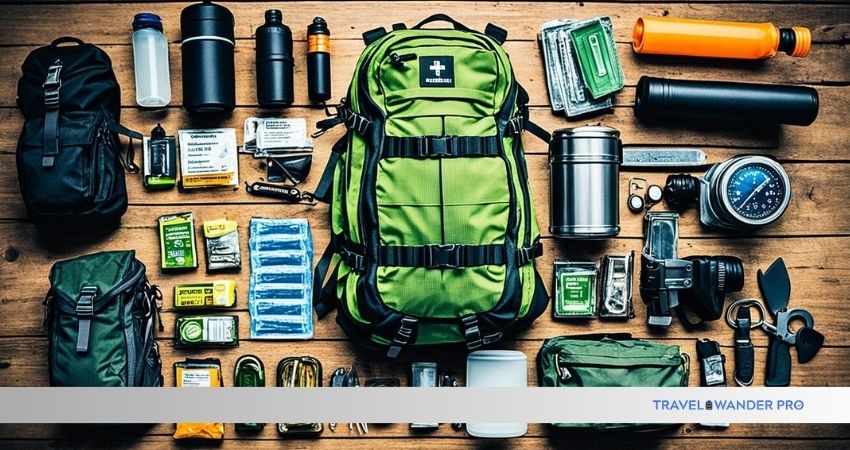
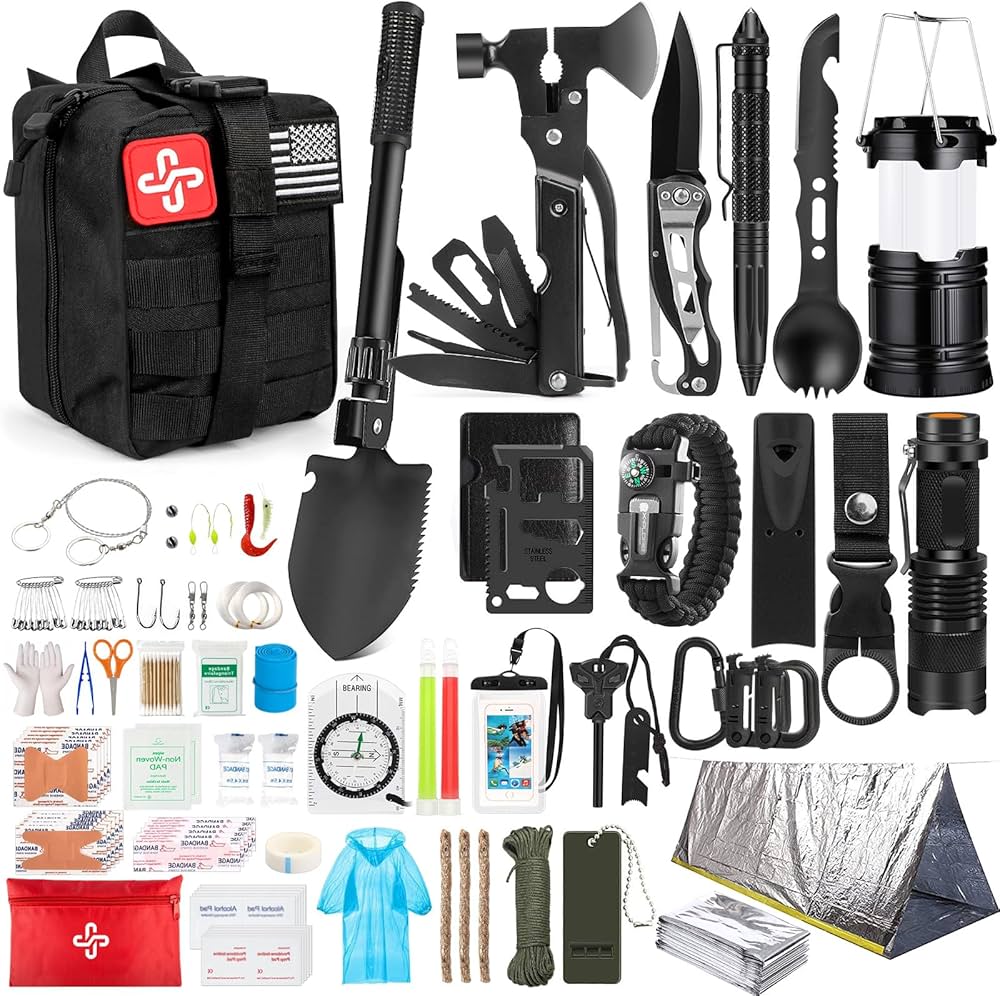
When people ask, “What Are the Basics of Survival Gear?” they mean the core categories you must cover. Below are the main groups and why each matters.
- Shelter and warmth — A tarp, emergency bivy, or lightweight tent protects from wind and rain. A good sleeping bag or emergency blanket prevents hypothermia.
- Water and purification — A durable water bottle, filter straw, and purification tablets ensure safe drinking water. Clean water is a top survival priority.
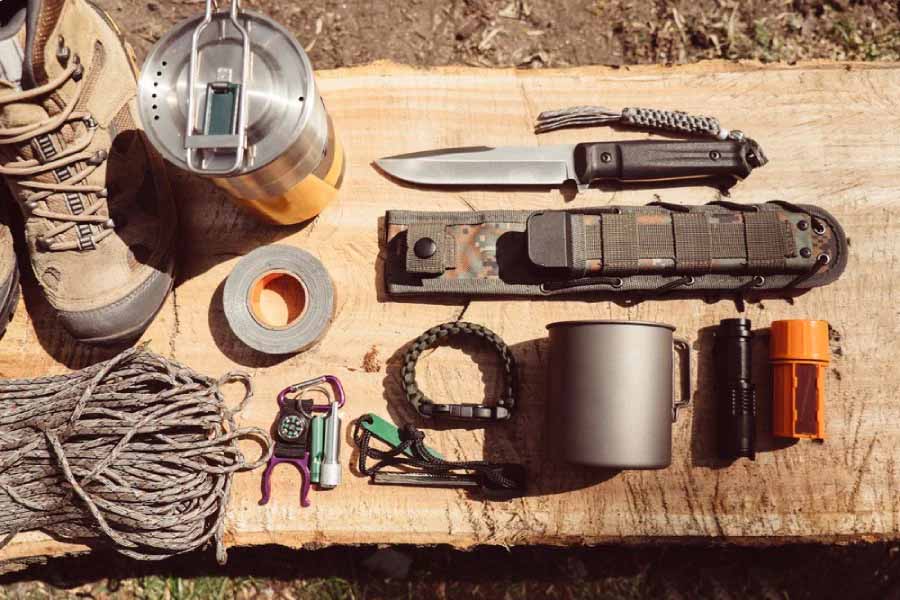
- Fire and heat — A reliable lighter, waterproof matches, ferro rod, and tinder help start fires for warmth, cooking, and signaling.
- Food and cooking — High-calorie emergency rations, a compact stove, and a pot provide energy and morale.
- Navigation and signaling — Map, compass, whistle, and signal mirror help you find or attract help. A GPS device adds redundancy.
- First aid and health — A compact first-aid kit, blister care, and basic meds treat injuries until you can get help.
- Tools and repair — A fixed-blade knife or multi-tool, cordage (paracord), duct tape, and repair patches keep gear working.
- Light and power — Headlamp or compact flashlight plus spare batteries. A small power bank keeps essential electronics running.
- Clothing and footwear — Layered clothing that matches expected weather, plus rain gear and sturdy boots, keeps you mobile and safe.
- Communication — A two-way radio, satellite messenger, or phone with a backup battery helps call for rescue.
These categories form the backbone of the basics of survival gear. Each item solves a core survival need.

How to choose and prioritize survival gear
Choosing gear means balancing weight, reliability, and purpose. Prioritize items that meet multiple needs.
- Start with life-safety items — water, shelter, fire, and first aid get first priority.
- Favor simple, proven tools — reliable items beat novel gadgets in stress situations.
- Pick lightweight and multiuse items — a pot that cooks and collects water saves space.
- Consider environment and season — cold weather calls for a sleeping bag; desert needs sun protection and more water.
- Set redundancy for critical items — two ways to make fire or two water treatments reduce risk.
- Budget realistically — expensive gear can be better, but smart lower-cost items often perform well.
When you ask, “What Are the Basics of Survival Gear?” think first about what keeps you alive and mobile. That focus helps when gear lists grow long.

Packing, maintenance, and testing your kit
A kit is only useful if it’s packed right and tested often. Practice saves lives.
- Organize by priority — keep life-saving items in a top-access pocket.
- Use waterproof bags — protect electronics, matches, and first aid.
- Rotate consumables — replace food, batteries, and medications on a schedule.
- Test gear in safe conditions — try your stove, set up shelter, and practice knots before you need them.
- Keep a checklist — review your kit before trips and after use.
I once learned this the hard way. I trusted a stove I’d never lit and couldn’t cook in rain. Now I test gear on every weekend trip. That single habit fixes more problems than new gear purchases.
Real-world tips and personal experiences
Practical habits matter as much as gear quality. Here are lessons I learned while using the basics of survival gear in real settings.
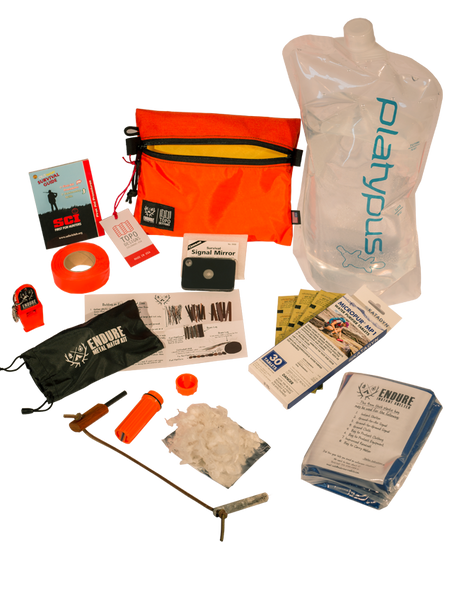
- Pack a simple fire kit in two places. A ferro rod in one pack and waterproof matches in another saved a cold night for me once.
- Use a bottle you can boil water in. I ruined a filter by trying to purify turbid water without pre-filtering; having a boil-capable bottle fixed the problem.
- Keep spare socks and a dry bag. Wet feet create blisters fast. Dry socks saved a long hike for a friend and me.
- Learn to improvise. I used a trash bag as a bivy and a stick stove when my shelter failed in wind.
- Practice patience. Gear can fail; skill and calm increase survival odds more than new gadgets.
These small habits show how the basics of survival gear and training work together.

Common mistakes and limitations of survival gear
Gear helps, but it has limits. Avoid these common errors.
- Relying on gadgets without skills — a GPS won’t help if you don’t know to conserve battery and read a map.
- Overpacking unnecessary items — heavy packs slow you and increase risk.
- Not planning for weather — gear chosen for summer fails in winter conditions.
- Ignoring maintenance — batteries die, seals fail, and stoves clog if not checked.
- Assuming one-size-fits-all — a kit needs tweaks for each trip, person, and environment.
Be honest about limitations. The basics of survival gear are tools, not guarantees.
Quick questions people also ask
How much water should I carry for a survival kit?
Carry a minimum of one liter per person for a short trip and plan for more in hot climates; aim to store at least three days’ worth if possible. Use a filter or purification tablet as backup.
Which single item helps most in survival situations?
A good fixed-blade knife is the most versatile tool; it helps build shelter, prepare food, and make repairs. Combine it with a small fire-starting kit for greater effect.
Can lightweight gear be reliable enough?
Yes. Modern materials give strong, light gear. Choose proven brands and test items to ensure they work under stress.

Frequently Asked Questions of What Are the Basics of Survival Gear?
What are the absolute essentials I should carry?
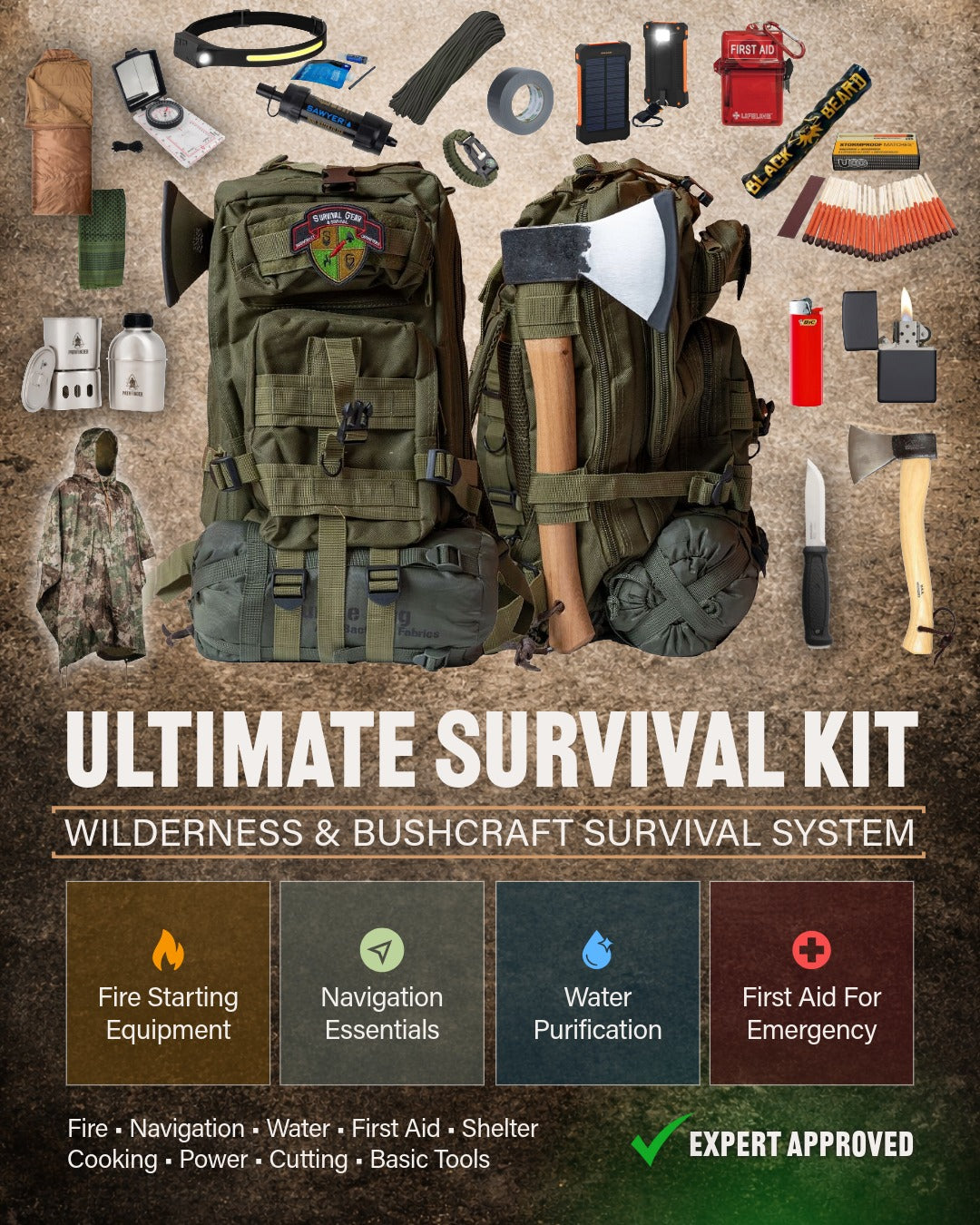
Carry ways to make shelter, secure water, start a fire, and provide first aid. Add navigation and a reliable light source for safety.
How often should I check and update my survival kit?
Inspect your kit before each trip and do a full review every six months to replace food, batteries, and expired meds. Frequent checks prevent surprises in the field.
Is training more important than gear?
Both matter. Gear extends your ability to survive, but training ensures you use that gear correctly. Invest time in basic first aid, firecraft, and map skills.
What’s the best way to keep gear dry?
Use waterproof dry bags and zip-lock bags for small items, and store your pack in a dry place when camping. Keep critical items like matches and electronics sealed separately.
Can I build a practical kit on a small budget?
Yes. Focus on reliable basics: a sturdy knife, water bottle and purification, matches or a ferro rod, and a simple first-aid kit. Buy one high-quality item at a time and test it.
Conclusion
Understanding the basics of survival gear means focusing on shelter, water, fire, food, tools, and first aid, and practicing how to use them. Start small, test your kit, and build skills alongside your gear. Take one step today: test a tool, refresh your first-aid supplies, or practice making a shelter. Share your experience, subscribe for more guides, or leave a comment to ask a specific gear question.