Last Updated on August 24, 2026
Prepare physically, pack smart, learn navigation, and respect altitude and weather.
I have planned, led, and guided many mountain trips, so I know what works. This guide on How to Prepare for Mountain Travel walks you through planning, fitness, gear, safety, and real-world tips. You will get clear steps, checklists, and common mistakes to avoid so you travel mountains with confidence and care.
Planning and research for mountain travel
Good planning is the first step when learning How to Prepare for Mountain Travel. Research shapes safe choices. Pick a route that matches your skills and time. Check maps, trail reports, and seasonal conditions. Learn about permits and local rules.
Key planning actions
- Choose a route and a backup plan. Shorten or change plans if weather is bad.
- Check elevation gain, distance, and estimated hours.
- Learn the best season and typical weather for the area.
- Find permit requirements and local rules for camping and fires.
Why research matters
- Mountain weather can change fast. A sunny morning can turn to wind and snow.
- Knowing the trail profile helps you pack the right gear and pace yourself.
- Alerts and closures can save time and risk.
How to use planning resources
- Use topographic maps to find steep sections and water sources.
- Read recent trip reports to learn trail conditions.
- Contact local rangers or visitor centers for up-to-date info.
Practical example from my experience: I once planned a late-season hike without checking a park notice. A sudden trail closure forced a 12-mile detour. Since then, I always call the ranger before major trips. This is a simple habit that matters when you prepare for mountain travel.

Physical conditioning and skills
Fitness is key when you prepare for mountain travel. Train with short, intense hikes and load a pack. Practice uphill and downhill walking. Add strength work for legs, core, and balance.
Training plan basics
- Hike 2–3 times per week. Include one long hike each week.
- Add stair climbs or hill repeats to build leg strength.
- Do core and balance exercises twice a week.
Skill building to include
- Learn to use trekking poles for balance and to save knees.
- Practice simple navigation with a map and compass.
- Train in the boots and pack you will bring.
Acclimatization and altitude
- If your trip goes above 8,000 feet, plan to gain altitude slowly.
- Spend an extra day at intermediate elevation when possible.
- Watch for headaches, dizziness, and nausea; these can be signs of altitude sickness.
Personal tip: I prepare for mountain travel by doing a loaded 3-hour hike once a week. It shows me what hurts and what gear chafes. That practice has prevented many issues on big trips.

Gear and clothing essentials
Good gear makes mountain travel safer and more enjoyable. Pack layers. Bring weather-proof outerwear. Choose gear based on route, season, and length.
Essential gear list
- Backpack sized to your trip with a rain cover.
- Proper boots or trail shoes with good traction.
- Waterproof shell jacket and breathable mid-layers.
- Warm hat, gloves, and sun hat.
- Headlamp with fresh batteries.
- Map, compass, and GPS device or app.
- First-aid kit and a small repair kit.
- Emergency shelter or bivy for remote trips.
Clothing strategy
- Use a layered approach: base, mid, and outer layers.
- Avoid cotton. Choose synthetic or wool that dries fast.
- Pack extra socks and a warm insulating layer.
Choosing lightweight and reliable gear
- Prioritize gear that you have used and tested.
- Replace worn-out footwear before a big trip.
- Carry a small stove and fuel for cold weather trips.
Real-life note: A forgotten rain jacket once forced me to sleep damp and cold. After that, I place my shell on top of the gear in my pack so I can grab it fast. Small rituals like that come from experience preparing for mountain travel.
Navigation, safety, and emergency preparation
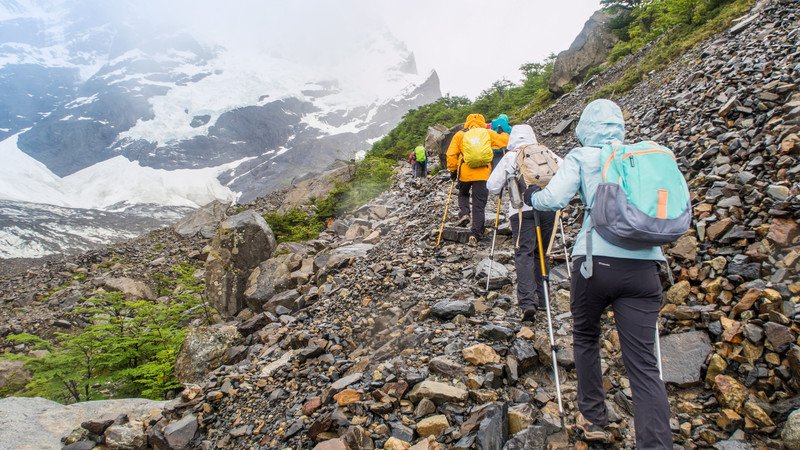
Navigation skills are not optional when you prepare for mountain travel. Know how to read a map and use a compass. Carry backup tech and a physical map.
Navigation tools
- Paper map and compass as primary skills.
- GPS device or phone app as backup, with offline maps.
- Route notes and key waypoints on paper.
Safety routines
- Share your plan and expected return time with someone you trust.
- Check in at key points when possible.
- Use the “turn-around time” rule: set a firm time to head back.
Emergency kit basics
- Whistle, signal mirror, and bright emergency blanket.
- Extra food and water for at least 24 hours.
- Small first-aid kit tailored to your group.
- Fire starter and a compact multi-tool.
When to call for help
- If someone has a serious injury or you are lost at night, call local emergency services.
- Use satellite communicators or emergency beacons for remote trips.
Personal story: Once I navigated us back after a GPS failed by using contour lines and a compass. That reinforced my habit of always carrying a paper map and practicing map skills before trips. Knowing how to prepare for mountain travel includes trusting simple tools.
Food, water, and fuel
Eating and drinking right keeps energy high and mind sharp. Plan meals that are high in calories and easy to cook. Balance carbs, fats, and protein.
Food planning tips
- Pack breakfast that you can eat cold or warm quickly.
- Bring high-energy snacks like nuts, dried fruit, and bars for fuel on the move.
- Choose lightweight dehydrated meals for dinner.
Water management
- Carry enough water for dry stretches and plan refills at mapped sources.
- Treat water if the source is not a reliable spring. Use filters, tablets, or boiling.
- Drink often in small sips to avoid dehydration.
Fuel and stove use
- Match your stove and fuel type to the temperature you expect.
- Learn efficient meal cooking to save fuel and time.
- Store fuel safely and follow local rules on open fires.
Experience tip: On a multi-day trip I miscalculated water and had to ration. Since then, I carry a 1-liter reserve and a reliable filter. Proper water planning is a core part of how to prepare for mountain travel.
Environmental responsibility and permits
Respecting the mountain keeps it wild and safe for others. Follow Leave No Trace principles and get permits when required.
Key practices
- Pack out all trash and food waste.
- Camp at durable sites and use established fire rings if allowed.
- Use a stove instead of building a fire when possible.
Permits and local rules
- Check permit needs for backcountry camping and day use.
- Follow group size limits and seasonal closures.
- Pay fees where required to support land management.
Why this matters
- Small actions protect fragile alpine plants and water sources.
- Permits help manage use and reduce overcrowding.
I once saw a popular route closed by rangers due to damage from careless campsites. That scene always reminds me why following rules matters when you prepare for mountain travel.

Packing checklist and pre-trip routine
A clear checklist reduces stress on the trail. Prepare your pack a day before and do a final gear check.
- Navigation: map, compass, GPS
- Clothing: layers, rain gear, extra socks
- Shelter: tent or bivy, sleeping bag, pad
- Food and water: meals, snacks, filter
- Safety: first-aid kit, headlamp, repair kit
- Tools: knife, multitool, stove and fuel
- Communication: phone, backup battery, emergency beacon
Pre-trip routine
- Test gear at home or on a local hike.
- Break in new boots with short walks.
- Charge electronics and pack spare batteries.
- Check weather again the morning you leave.
Practical packing tip: Lay everything out on the bed and pack by category. That simple step cuts forgotten items and stress. It is one of the easiest ways to prepare for mountain travel.
Common mistakes and how to avoid them
Know common pitfalls so you can avoid them. Preparation beats regret on the trail.
Frequent mistakes
- Underestimating distance and time.
- Ignoring weather forecasts.
- Not carrying proper navigation tools.
- Overpacking or underpacking essentials.
- Skipping acclimatization for high elevation.
How to avoid these errors
- Use conservative pace estimates and add buffer time.
- Plan alternate routes in case of bad conditions.
- Practice skills ahead of time and test gear.
Personal lesson: I once carried too much food and too little fuel. The extra weight slowed us, and the lack of efficient heat made dinners long. Now I balance weight and practicality when I prepare for mountain travel.
How to prepare for mountain travel checklist (quick)
A short, practical checklist you can print or memorize for last-minute prep.
Day-before checklist
- Check weather and trail reports.
- Charge devices, pack spare batteries.
- Lay out clothing and gear.
- Tell a trusted person your plan and return time.
Morning-of checklist
- Eat a good breakfast and hydrate.
- Re-check permits and route notes.
- Do a final pack weight check.
- Put your shell and map in an easy pocket.
When you follow these steps, you reduce risk and enjoy the trip more. This is how to prepare for mountain travel in a clear, repeatable way.
Frequently Asked Questions of How to Prepare for Mountain Travel
How far in advance should I train for mountain travel?
Train for at least 6 to 8 weeks for moderate trips. Focus on hiking, strength, and endurance with one long hike each week.
What clothing should I avoid for mountain travel?
Avoid cotton, as it holds moisture and cools you down. Choose synthetic or wool layers that dry fast and insulate when wet.
How do I prevent altitude sickness?
Gain elevation slowly, stay hydrated, and rest more on higher nights. If symptoms worsen, descend immediately and seek help.
What navigation tools are essential?
A paper map and compass are essential. Bring a GPS or phone app as a backup and carry spare batteries or a power bank.
How much water should I carry?
Carry enough for the dry stretches plus a reserve. Plan to refill from reliable sources and treat water before drinking.
Conclusion
Preparing for mountain travel means planning, training, packing smart, and staying flexible. Use the checklists and tips here to build safe habits and reduce surprises. Start small, practice skills, and learn from each trip so you grow more confident. If you found these tips helpful, try one change on your next hike, share your story in the comments, or subscribe for more guides on mountain travel.