Last Updated on August 9, 2026
When cold weather hits, staying warm can feel like a challenge—especially when you’re traveling. You want to be comfortable, but bulky clothes can slow you down and take up too much space in your bag.
The secret? Learning how to layer your clothes the right way. With the right layers, you’ll stay warm without overheating, move freely, and pack light. Keep reading, and you’ll discover simple tips to master layering for cold weather travel—so you can enjoy every moment, no matter how chilly it gets.
:max_bytes(150000):strip_icc()/tal-short-winter-trips-tout-52c8ed7b31dc4c9f9214e51169e314ab.jpg)
Credit: www.travelandleisure.com
Choose The Right Base Layers
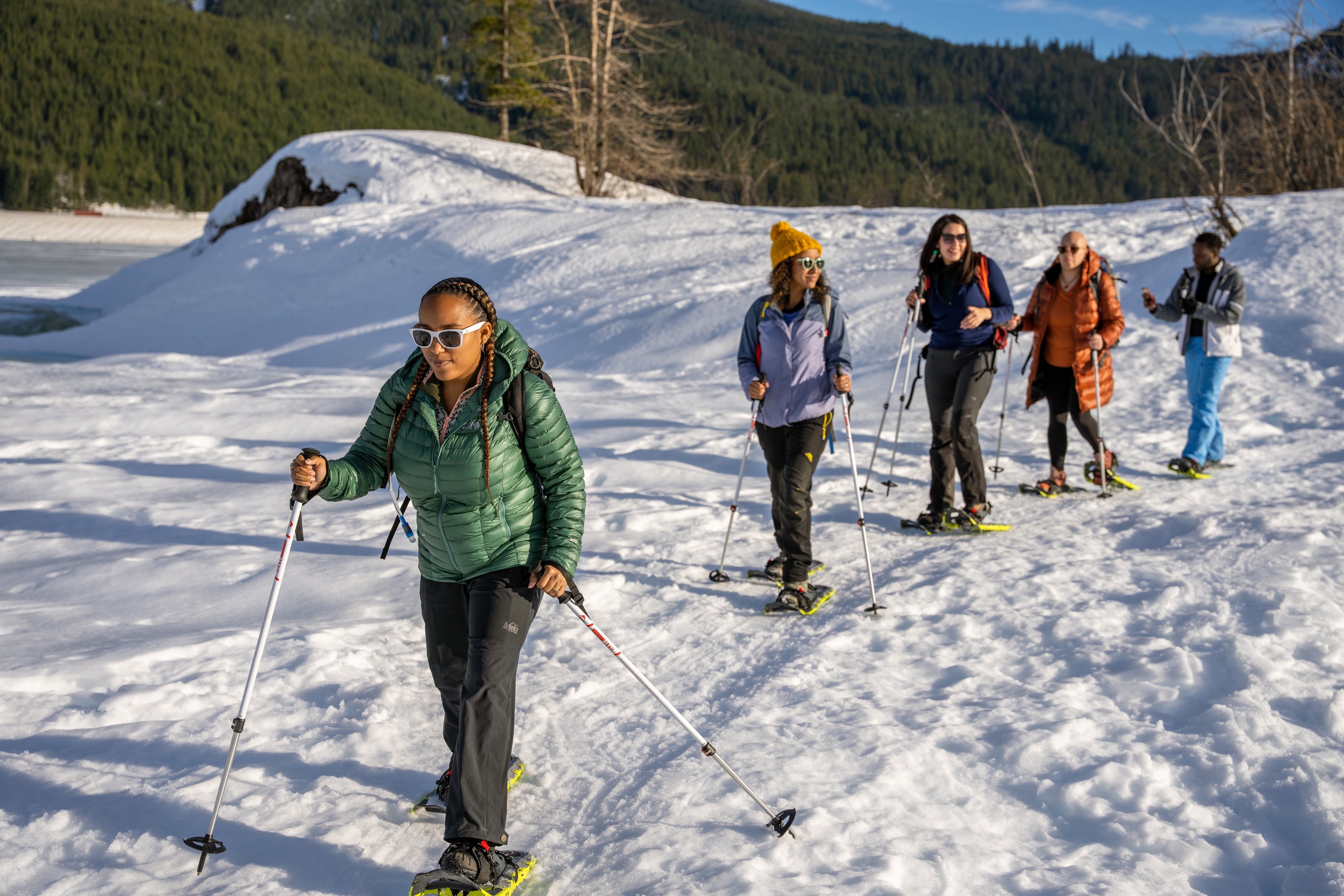
Choosing the right base layers sets the foundation for staying warm during cold weather travel. Base layers sit closest to your skin and control your body temperature. They help keep you dry and comfortable. Picking the right base layers makes a big difference in your overall warmth.
Focus on materials that keep you warm without causing sweat buildup. The fit should allow easy movement without feeling tight or loose. Look for fabrics that pull moisture away from your skin to avoid chills. Here are key points to consider when selecting base layers.
Material Matters
Choose base layers made from wool, synthetic fibers, or blends. Wool, like merino, provides natural warmth and breathability. Synthetic fabrics dry quickly and resist odors. Avoid cotton because it traps moisture and cools you down. The right material keeps you warm and dry during cold days.
Fit And Comfort
Base layers should fit snugly but not squeeze your body. They must allow you to move freely and layer easily under other clothes. Look for stretchy fabrics that feel soft on your skin. Comfort is key for long days outdoors. A good fit helps regulate your body heat better.
Moisture-wicking Options
Moisture-wicking base layers pull sweat away from your skin. This keeps you dry and prevents chills. Materials like polyester and nylon often have this feature. Wool also wicks moisture naturally. Staying dry helps you stay warm and comfortable all day long.
Credit: www.rei.com
Add Insulating Layers
Adding insulating layers is key for staying warm during cold weather travel. These layers trap body heat and keep the cold air out. Choosing the right materials and thickness can make a big difference in comfort.
Insulating layers fit between your base layer and outer shell. They should feel cozy without feeling heavy or tight. The right layers help you adjust to changing temperatures.
Fleece And Down Choices
Fleece is soft, lightweight, and dries quickly. It keeps you warm even if it gets damp. Down offers excellent warmth for its weight. It compresses easily for packing. Synthetic insulation works well in wet conditions.
Pick fleece for active days or damp weather. Choose down for very cold, dry days. Both types work well together for better warmth.
Layering For Flexibility
Use multiple thin layers instead of one thick layer. This lets you add or remove layers fast. If you get too warm, take off a layer. Feel cold? Put one back on. Flexibility helps you stay comfortable all day.
Mix different materials to suit your activity. Fleece under a down jacket works well. This combo traps heat and lets moisture escape.
Balancing Warmth And Bulk
Too many layers can feel bulky and heavy. Choose slim, warm pieces to keep your movement free. Look for insulated jackets with a good warmth-to-weight ratio. Avoid bulky clothes that slow you down.
Try your layers before travel to find the right balance. Warmth matters, but comfort does too. Pack smart to stay warm without extra weight.
Top With Protective Outerwear
Top layers are the last shield against cold weather elements. Choosing the right outerwear can protect you from wind, rain, and snow. This layer keeps the warmth trapped inside while blocking out moisture and cold air.
Outerwear must be durable and designed for harsh conditions. It should fit comfortably over your inner layers without being too tight. The right jacket or coat helps you stay warm and dry throughout your travel adventures.
Waterproof And Windproof Jackets
Waterproof jackets keep rain and snow from soaking your clothes. Windproof materials block cold gusts that can chill you quickly. Look for jackets with sealed seams and water-resistant zippers. These features prevent water from sneaking in. A good jacket also stops cold wind from reaching your skin.
Breathability Features
Breathable outerwear lets sweat escape while keeping rain out. This prevents moisture buildup inside your jacket. Moisture can make you feel cold and uncomfortable. Look for jackets with vents or breathable membranes. These help regulate your body temperature during activity.
Accessories For Extra Protection
Hats, gloves, and scarves add important layers of defense. A warm hat stops heat loss from your head. Gloves keep your fingers warm and dry. Scarves protect your neck and face from cold air. Together, these accessories complete your protective outerwear setup.

Credit: www.garagegrowngear.com
Frequently Asked Questions
What Are The Best Fabrics For Cold Weather Layering?
Wool, fleece, and synthetic materials work well for cold weather. They keep warmth and dry quickly. Cotton is not good because it holds moisture.
How Many Layers Should I Wear For Cold Weather Travel?
Three layers usually work best: a base layer, an insulating layer, and a waterproof outer layer. This setup traps heat and protects against wind and rain.
Can I Mix Different Clothing Layers For Better Warmth?
Yes, mixing layers helps you adjust warmth easily. For example, pair a wool sweater with a fleece jacket. This keeps you warm and flexible.
Should I Wear A Hat And Gloves While Layering Clothes?
Yes, wearing a hat and gloves keeps your head and hands warm. These areas lose heat fast. Don’t forget these accessories on cold trips.
How Do I Avoid Sweating When Layering Clothes?
Choose breathable fabrics like wool or synthetics to reduce sweat. Avoid heavy or tight layers that trap heat. Adjust layers as you move to stay dry.
Conclusion
Dressing right keeps you warm and comfortable on cold trips. Layering clothes helps trap heat and lets you adjust easily. Start with a thin base, add a warm middle, and finish with a windproof outer layer. Choose breathable fabrics to avoid sweat and chill.
Pack smart and stay dry to enjoy your travel. Dressing in layers means you stay ready for changing weather. Stay warm, move freely, and enjoy every moment outside. Safe and cozy travels start with good layering habits.