Last Updated on August 24, 2026
Store specialty bags flat, dry, clean, and kept in airtight, labeled containers away from sunlight.
I’ve spent years organizing gear and retail inventory, testing methods for how to store specialty bags properly so they last longer and stay ready to use. This guide explains the what, why, and how of storing specialty bags properly, with clear steps, practical examples, and real-world tips you can apply today.
Why proper storage matters for specialty bags
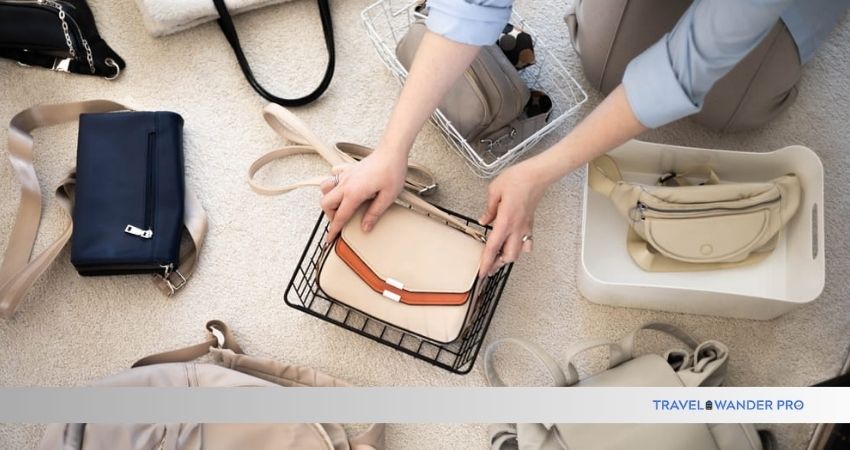
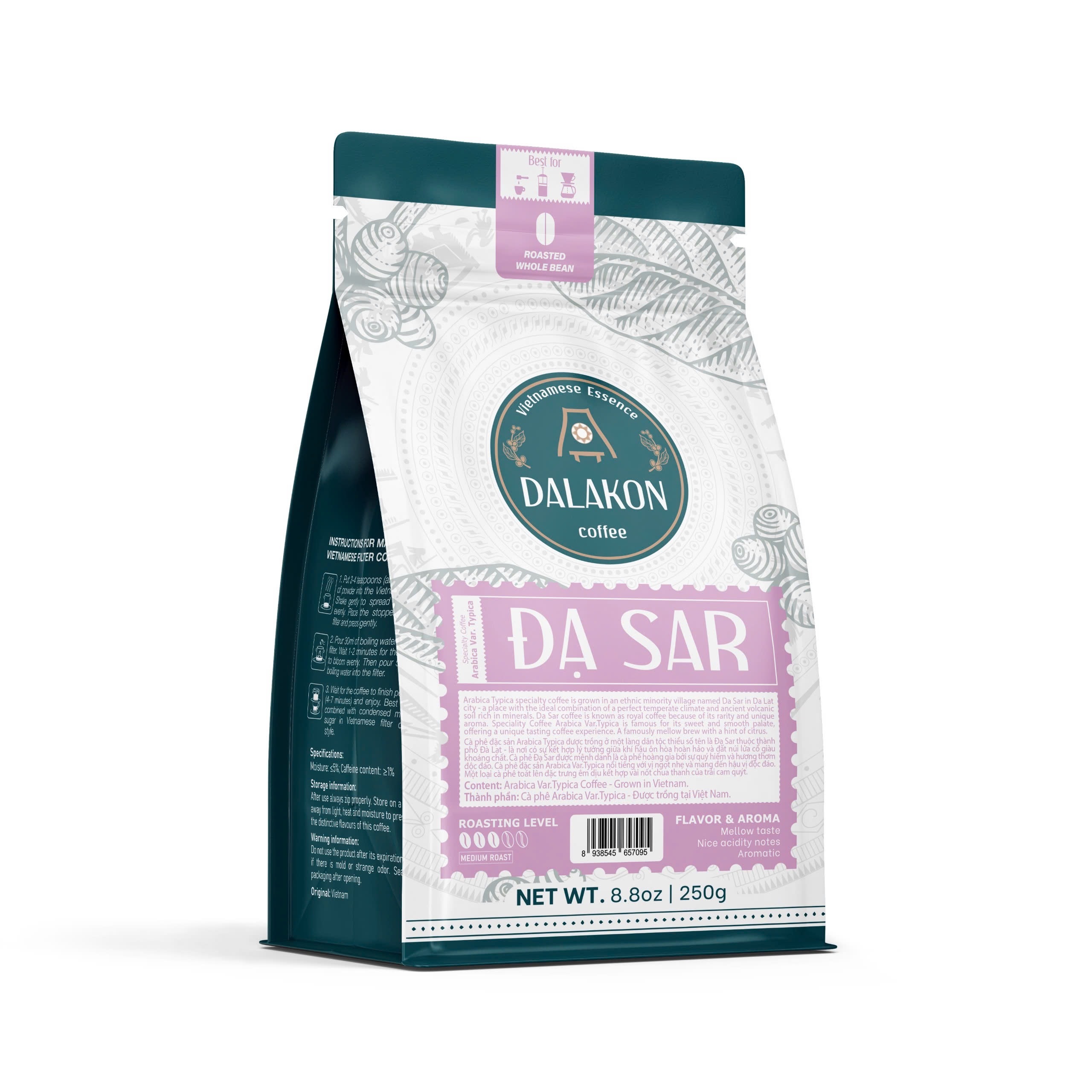
Specialty bags include insulated bags, leather tote bags, vacuum-seal sample bags, designer handbags, and biodegradable food bags. Each type ages differently when exposed to humidity, light, pests, or pressure. Understanding how to store specialty bags properly helps prevent degradation, mold, color fading, shape loss, and odor transfer.
Good storage protects value and use. Proper care can extend a bag’s life by years. Think of storage as simple prevention: a small habit saves time and money later.
Types of specialty bags and their storage needs
Common categories include:
- Insulated or thermal bags: Require dryness and gentle folding to keep insulation layers intact.
- Leather and suede bags: Need stuffing, cool dark storage, and breathable covers.
- Designer fabric bags: Prefer breathable dust covers and flat, low-pressure storage.
- Plastic and vacuum-seal bags: Store sealed, away from heat, and avoid prolonged sunlight.
- Compostable and biodegradable bags: Keep cool and dry to slow breakdown.
Each material has a different vulnerability. Leather dries and cracks without humidity control, while plastics can off-gas and stick when hot. Knowing the material tells you exactly how to store specialty bags properly.
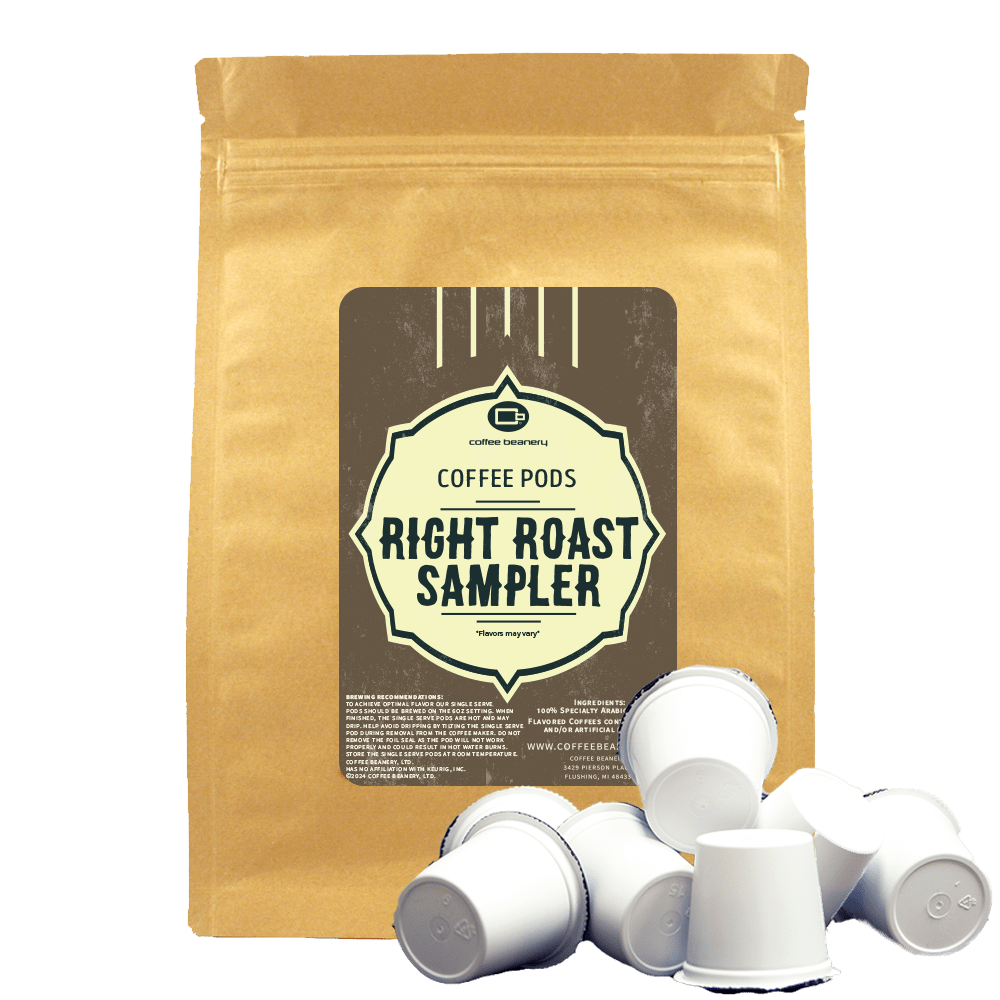
Step-by-step: How to Store Specialty Bags Properly
- Clean before storing
- Empty pockets and remove debris.
- Wipe surfaces with recommended cleaners for the material.
- Let the bag air dry completely before storage.
- Shape and stuff
- Stuff soft or structured bags with acid-free tissue, clean cloth, or bubble wrap to hold shape.
- Avoid newspaper; inks can transfer and stain.
- For vacuum-seal items, follow manufacturer instructions to avoid crushing delicate layers.
- Choose the right container
- Use breathable fabric dust covers for leather and fabric bags.
- Use airtight plastic bins for items sensitive to pests or strong odors.
- Label containers clearly with contents and date.
- Control environment
- Store in a cool, dry area with stable temperature.
- Avoid attics, garages, or basements prone to humidity and temperature swings.
- Use silica gel packs or small dehumidifiers in enclosed bins to control moisture.
- Stack and arrange wisely
- Store flat or upright depending on design; don’t pile heavy items on delicate bags.
- Allow space for airflow; avoid overstuffing shelves or boxes.
- Rotate items seasonally to prevent long-term pressure marks.
Practicing these steps regularly shows you how to store specialty bags properly and reduces surprise damage.

Materials, containers, and accessories that help
Choose storage tools that match the bag type:
- Acid-free tissue paper for stuffing and wrapping.
- Breathable dust covers made of cotton or linen for leather and fabric.
- Clear, rigid plastic totes with tight lids for pest-prone areas.
- Silica gel packs to absorb moisture in closed containers.
- Cotton pillowcases for inexpensive, breathable protection.
Avoid PVC or non-breathable plastics on delicate leathers and suede; they trap moisture and speed deterioration. These choices make a big difference in how to store specialty bags properly.

Common mistakes and how to avoid them
Mistake: Storing items dirty
- Dirt and oils attract pests and stain over time. Clean first.
Mistake: Using non-breathable covers
- Plastic wraps can trap moisture and cause mold. Use breathable options for leather and fabric.
Mistake: Overpacking boxes
- Heavy pressure causes creases and deforms structure. Store items with space and proper support.
Mistake: Ignoring humidity and pests
- Small things like silica packs and sealed bins prevent big problems. Monitor the storage environment periodically.
Avoiding these errors reinforces best practices for how to store specialty bags properly.

Maintenance, inspection, and long-term care
Set a simple schedule:
- Every 3 months: Air out bags and inspect for stains, pests, or mildew.
- Every 6–12 months: Re-stuff and re-clean if needed; replace silica packs.
- After heavy use: Clean and dry immediately before storage.
Record-keeping helps. Keep a log or label with stored date and care notes. This habit makes it easier to maintain value and know when to take action.
Personal tips and real-life examples
From my experience storing camera gear and a small designer collection:
- I learned that soft stuffing with tissue prevents shoulder bag collapse better than firm foam.
- I once lost a leather bag to a damp basement after leaving it in a sealed plastic bag; since then I switched to breathable covers and silica packs.
- For large quantities, clear bins with labeled lids saved hours when I needed to find the right bag quickly.
Practical tip: Photograph each bag before storage and attach the photo to the container label. That saves space and time when you search later. These lessons shaped my approach to how to store specialty bags properly.

How to store specialty bags properly for travel and frequent use
For bags you use weekly:
- Keep a small, accessible rack or open shelf so you don’t compress them.
- Use hooks for straps but avoid hanging heavy leather bags long-term.
- Regularly rotate items so wear spreads evenly.
For travel-ready bags:
- Pack protective covers in your suitcase for quick after-trip storage.
- Clean and dry immediately at home to avoid trapping salt, sand, or moisture.
These small routines make it easy to maintain bags and keep them ready to go.

Frequently Asked Questions of How to Store Specialty Bags Properly
How often should I inspect stored specialty bags?
Inspect stored specialty bags every 3 months for signs of mildew, pests, or structural issues. More frequent checks help you catch problems early.
Can I store leather bags in plastic bins?
You can store leather bags in plastic bins if you include moisture absorbers and open them periodically. For long-term storage, breathable covers are safer to prevent trapped humidity.
Is vacuum sealing good for insulated or thermal bags?
Vacuum sealing can compress insulation and reduce effectiveness, so avoid long-term vacuum storage for insulated bags. Use gentle folding and breathable containers instead.
What should I use to stuff handbags for shape?
Use acid-free tissue paper or clean, soft cloth to stuff handbags; avoid newspaper and glossy paper. Proper stuffing maintains shape without staining.
How do I prevent mold in stored bags?
Control humidity, use silica gel packs, and choose cool, dry storage spaces to prevent mold. Regular airing and inspection also reduce mold risk.
Conclusion
Storing specialty bags properly is mostly about matching the bag’s material to the right cleaning, stuffing, and storage method. Small habits—cleaning before storage, using proper stuffing, choosing breathable covers, and checking periodically—pay off with longer life and preserved value. Start by inspecting what you have, pick the right containers, and make one small change today to protect your collection. Share your storage wins or ask a question below, and consider subscribing for more practical care tips.