Last Updated on August 24, 2026
Clean regularly, test first, and use material-specific methods to protect and extend bag life.
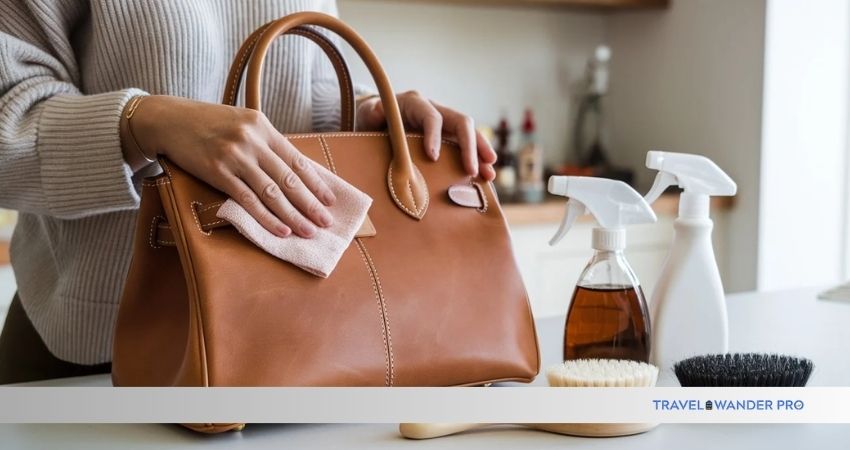
I’ve spent years caring for leather totes, beaded clutches, insulated lunch bags, and travel backpacks. In this guide I share clear, proven steps on how to maintain and clean specialty bags so they look great and last longer. You’ll get practical routines, material-by-material cleaning methods, repair tips, storage advice, and real-life lessons learned from hands-on experience and industry best practices.

Types of specialty bags and why care matters
Specialty bags include leather handbags, suede, beaded or embroidered evening bags, insulated lunch totes, camera bags, designer fabric totes, faux leather, technical backpacks, and vintage pieces. Each has unique fibers, finishes, and hardware that respond differently to moisture, heat, and cleaners. Knowing your bag type is the first step in learning how to maintain and clean specialty bags safely.
Why care matters
- Protects value: Proper care preserves resale value and sentimental worth.
- Extends life: Regular maintenance delays wear, stains, and odor buildup.
- Keeps appearance: Clean hardware, straps, and lining maintain shape and beauty.
Tip: Always read any care tag or manufacturer guidance before attempting cleaning. If none exists, test a hidden area first.

General maintenance checklist
A simple maintenance routine prevents most problems. Follow these steps weekly or monthly depending on use.
- Empty and shake out contents weekly to remove crumbs and dust.
- Brush or wipe the exterior with a soft cloth every 1–2 weeks.
- Spot-check seams and hardware for loose threads or rust.
- Condition leather every 3–6 months using a pH-neutral leather conditioner.
- Air out insulated and damp bags after each use to prevent mold.
Practical routine: I keep a small care kit in my closet with a soft brush, microfibre cloth, pH-neutral soap, leather conditioner, and a small stain stick. This makes quick touch-ups easy.
Cleaning by material
Different materials need different methods. Below are safe, effective approaches for common specialty bag materials.
Leather
- Dust first with a soft cloth.
- Use a damp cloth and mild soap for light dirt; avoid soaking.
- Condition with a cream-based leather conditioner after cleaning.
- Avoid heat, direct sun, and household solvents.
Suede and nubuck
- Use a dry suede brush to lift dirt.
- For stains, use a white eraser or a suede cleaner.
- Avoid water, which can cause spotting and stiffness.
Canvas and cotton
- Spot-clean with mild soap and water.
- For washable liners or removable straps, machine wash on gentle if manufacturer allows.
- Air-dry fully to avoid mildew.
Nylon and polyester
- Wipe with soap and water or a gentle detergent.
- Use a soft brush for zippers and seams.
- Avoid bleach and high heat drying.
Faux leather (PU)
- Wipe with damp cloth and mild soap.
- Avoid oil-based conditioners that can break down the coating.
- Keep away from sharp objects that can peel the surface.
Beaded, embroidered, and embellished bags
- Dust gently with a soft brush.
- Spot-clean only; never machine wash.
- If beads are loose, secure with a clear fabric glue and press gently.
Insulated and lunch bags
- Empty and rinse interior after each use.
- For odors, use baking soda paste or vinegar solution on stains, then rinse.
- Air dry fully with the zipper open.
Vintage and delicate luxury pieces
- Prefer professional cleaning for value items or fragile constructions.
- Avoid DIY treatments that risk loss of patina or structural harm.
Throughout, always test a small hidden spot first. That’s the safest way to learn how to maintain and clean specialty bags without surprises.

Stain removal guide (quick, safe methods)
Treat stains quickly. Fresh stains are easier to remove than set-in marks.
Grease or oil
- Blot, don’t rub, to absorb oil.
- Sprinkle baking soda or cornstarch, let sit, then brush off.
- For leather, follow with leather cleaner.
Ink
- Dab with isopropyl alcohol on a cotton swab, testing first.
- For fabric, use an ink remover formulated for textiles.
Coffee or wine
- Blot immediately with a clean cloth.
- Apply mild detergent mixed with water; rinse by dabbing.
- For stubborn dye, professional cleaning may be necessary.
Mildew or mold
- Wipe with diluted white vinegar (1:1) on non-sensitive materials.
- Dry fully in a ventilated area.
- For serious growth, consider a professional.
Rust
- Use a paste of lemon and salt for small spots on metal hardware.
- Avoid acidic cleaners on leather nearby; protect adjacent surfaces.
Storage and long-term care
How you store a bag affects shape, finish, and hardware. Good habits stop damage before it starts.
Storage rules
- Keep in a cool, dry place away from direct sunlight.
- Stuff bags with acid-free tissue or cotton towels to keep shape.
- Store upright or flat as design dictates; avoid hanging by straps long-term.
- Use breathable dust bags; avoid plastic which traps moisture.
- For long-term storage, open zippers and add a moisture absorber in humid climates.
Seasonal care
- Rotate bags to avoid permanent creases.
- Inspect stored bags quarterly for pests, moisture, or color transfer.

Quick repairs and DIY fixes
Small fixes can save money and prolong use. Here are safe do-it-yourself steps.
Loose strap or hardware
- Tighten screws with a small screwdriver.
- Use fabric glue for clean reattachments on non-structural parts.
- Reinforce weak seams with a heavy-duty needle and thread matching the original.
Small tears and lining issues
- Sew a patch inside lining with simple running stitches.
- Apply seam sealant sparingly for frayed areas.
Scuffed leather
- Use a leather balm to even tone and hide minor scuffs.
- For deep scratches, consider a color-matching leather repair kit.
When to stop
- If the structure, frame, or costly embellishments are involved, seek a professional repair to avoid worsening the damage.
Professional cleaning and when to choose it
Professional cleaners have tools and solvents that hobby methods don’t. Choose pros for:
- Designer or high-value bags with complex finishes.
- Large, set-in stains or water damage.
- Fragile antique, beaded, or heavily embroidered pieces.
How to pick a cleaner
- Look for specialists with bag restoration experience.
- Ask for before-and-after photos and references.
- Get an estimate and a clear explanation of solvents and methods used.
I once sent a soaked leather tote to a specialist. They saved the shape and finish when my home methods would have shrunk and stiffened it. That experience taught me to recognize limits.

Eco-friendly cleaning options
If you prefer low-toxicity choices, try these safe alternatives.
Natural cleaners
- Mild dish soap, water, and white vinegar are effective for many fabrics.
- Baking soda neutralizes odors in liners and interiors.
- Olive oil and lemon can sometimes restore sheen to very dry leather, but test first.
Sustainable products
- Use biodegradable soaps and plant-based leather conditioners.
- Reuse soft cloths and avoid disposable wipes where possible.
Limitations
- Natural cleaners can be gentler but less effective on heavy stains or set dye.
- Professional cleaning may still be necessary for valuable items.

My personal experience and lessons learned
I’ve cleaned dozens of specialty bags over the years. Here are honest takeaways.
What worked
- Regular light maintenance beat deep cleaning every time.
- Testing a hidden spot saved many bags from discoloration.
- Investing in a small care kit prevented most common problems.
Mistakes to avoid
- Never soak leather or suede.
- Don’t use household solvents like nail polish remover on fabric.
- Avoid heat to dry bags; it shrinks, warps, and cracks finishes.
A memory: I once used too much leather oil and left a bag slippery and darkened. I learned to apply conditioner sparingly and buff well.
PAA-style quick questions
What is the easiest way to keep a bag from smelling?
- Air it out regularly and wipe liners after spills. Use baking soda for persistent odors.
Can I put my canvas bag in the washing machine?
- Only if the manufacturer says it’s safe. Use gentle cycle, cold water, and air-dry.
How often should I condition leather?
- Every 3–6 months for regular use; less if used rarely.
Frequently Asked Questions of How to Maintain and Clean Specialty Bags
What is the safest cleaner for mixed-material bags?
Use a mild soap solution (one teaspoon mild soap per cup of water) and test an invisible area first. Dab gently and avoid soaking to protect both leather and fabric sections.
Can I remove water stains from suede?
Lightly brush and use a suede eraser for small stains. For large or dark water stains, professional cleaning is recommended to avoid damage.
How do I stop color transfer between bags?
Store light and dark bags separately and avoid direct contact with dyed clothing. Use tissue between bags and rotate use to reduce prolonged contact.
Are ultrasonic or steam cleaners safe for specialty bags?
Steam or ultrasonic cleaners can damage finishes, glue, and delicate embellishments. Avoid them unless a specialist recommends and handles the process.
How long will a properly cared-for specialty bag last?
With consistent care and timely repairs, many specialty bags last years or even decades. Lifespan depends on material, use, and storage conditions.
Is it okay to use baby wipes on my bag?
Baby wipes can be too wet or contain additives that affect finishes. Use a damp microfibre cloth instead for safer cleaning.
When should I take my bag to a professional cleaner?
If the bag is valuable, fragile, has set-in stains, or suffered water/fire damage, professional cleaning is the safer choice to avoid irreversible harm.
Conclusion
Caring for specialty bags is a small investment that pays off in beauty, longevity, and value. Use material-specific methods, keep a simple maintenance routine, test before treating, and seek professional help for high-value or delicate pieces. Start today by checking the care label of one bag, emptying and wiping it down, and making a small care kit for quick touch-ups. Share your bag stories or ask questions below — your next clean could be the one that saves a treasured piece.