Last Updated on August 24, 2026
Waterproof bags keep your gear dry by blocking water, moisture, and splash during wet conditions.
I have designed gear guides and tested outdoor equipment for years, and I trust waterproof bags to protect tools, electronics, and clothing. This article explains what waterproof bags are, how they work, when to use them, and how to choose and care for the right one. Read on to get practical tips, real-world examples, and clear buying guidance so you can pick the best waterproof bags for your trips and daily life.
What Are Waterproof Bags?
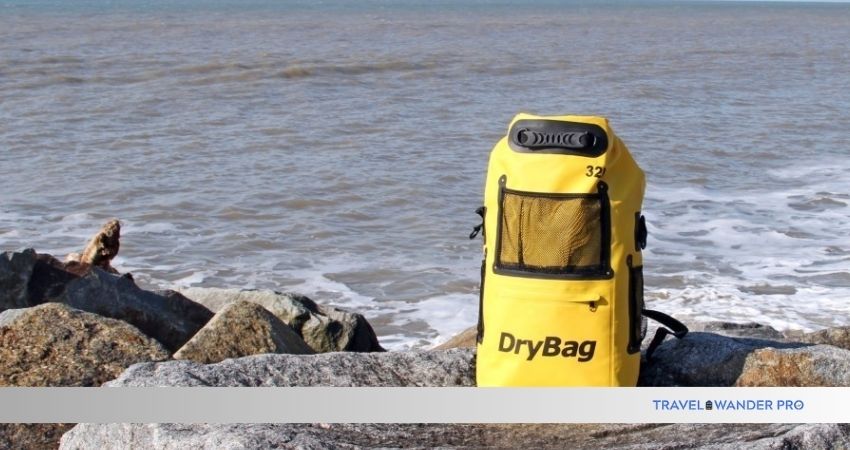
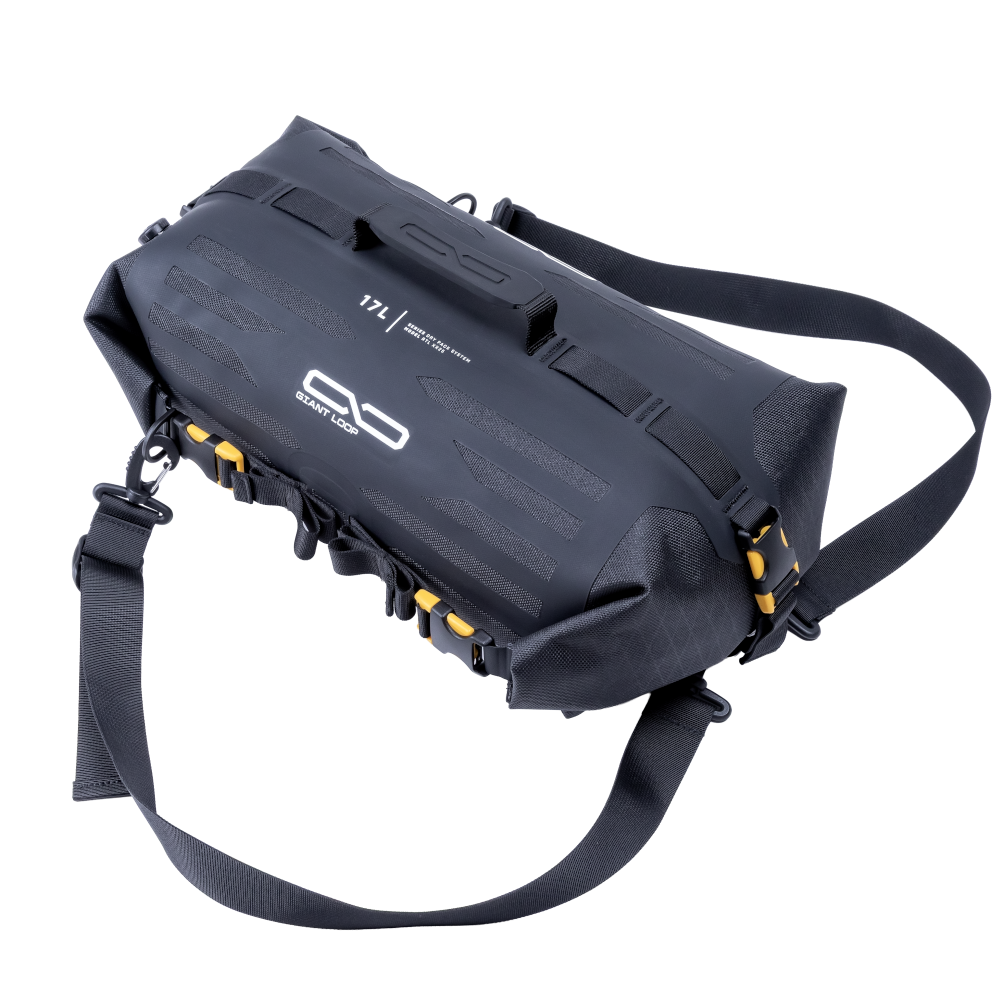
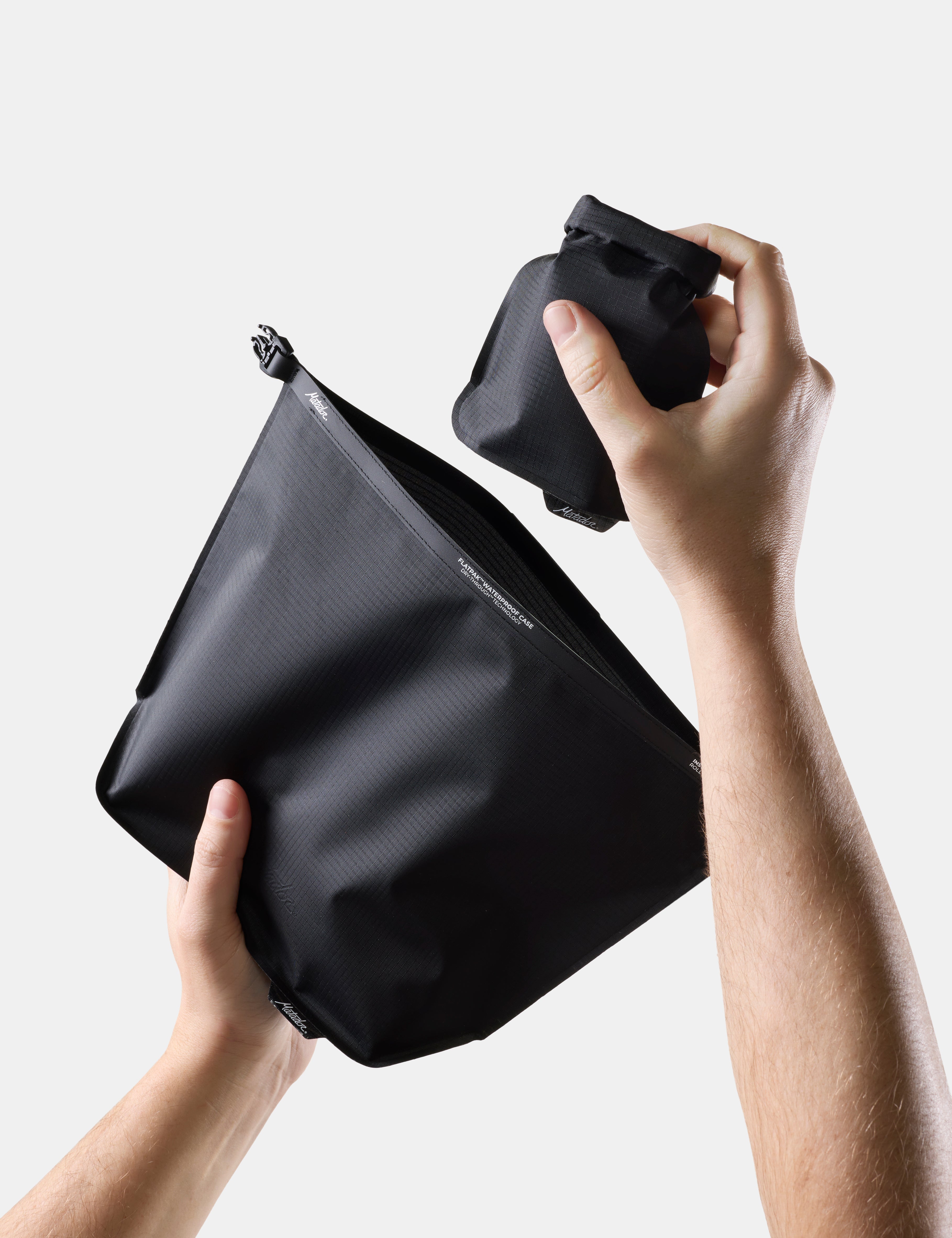
Waterproof bags are containers made to stop water from getting inside. They use sealed seams, water-tight closures, or waterproof materials to protect items. These bags range from simple dry sacks for kayaking to hard cases that survive drops and submersion. I have used many waterproof bags on trips, and they all share one goal: keep contents dry and safe.

Types of Waterproof Bags
There are several common types of waterproof bags. Each type suits different needs.
- Dry bags
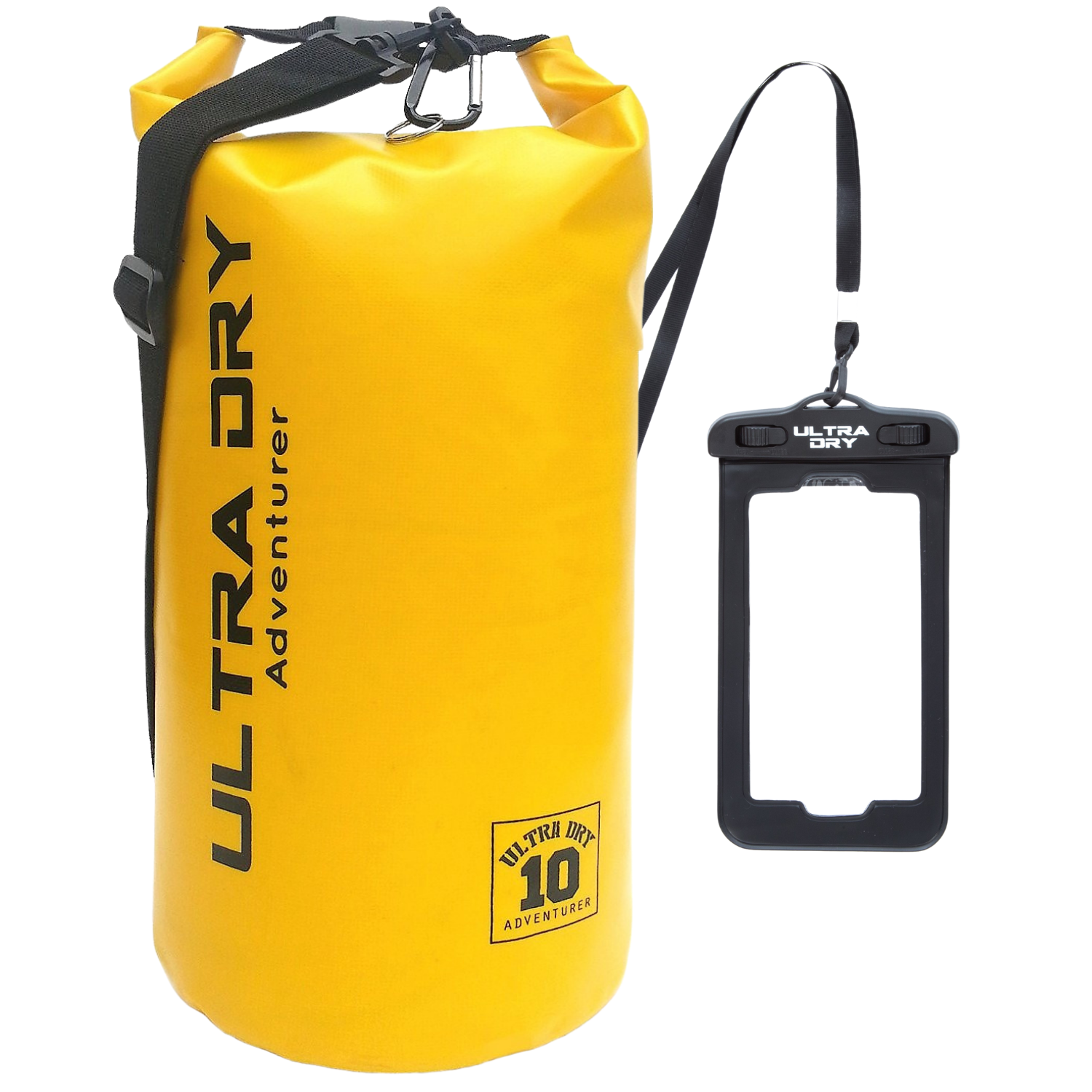
- Lightweight roll-top bags for paddling, boating, and simple gear protection.
- Waterproof backpacks
- Structured packs with welded seams and waterproof zippers for hiking or commuting in heavy rain.
- Waterproof phone pouches
- Small soft or hard pouches that let you use a touchscreen while protecting a phone from water.
- Hard waterproof cases
- Rigid boxes with gasket seals for cameras, drones, and sensitive tools.
- Waterproof tote and duffel bags
- Larger bags for travel and gear that need more space and weather protection.
I prefer a roll-top dry bag for day paddles and a hard case for photo gear. Choosing the right type depends on the activity and item value.
How Waterproof Bags Work
Waterproof bags rely on materials, seals, and design.
- Materials
- PVC, TPU, coated nylon, and molded plastics resist water penetration.
- Seams and closures
- Welded seams and roll-top closures prevent water entry at joints.
- Zippers and gaskets
- Waterproof zippers and rubber gaskets add protection for high-value gear.
- Pressure and submersion ratings
- Some cases are rated to specific depths. Ratings show limits for submersion, not just splashes.
From testing gear, I learned that a claimed waterproof zipper is not the same as full submersion protection. Always check the product rating if you expect deep-water exposure.
When to Use Waterproof Bags
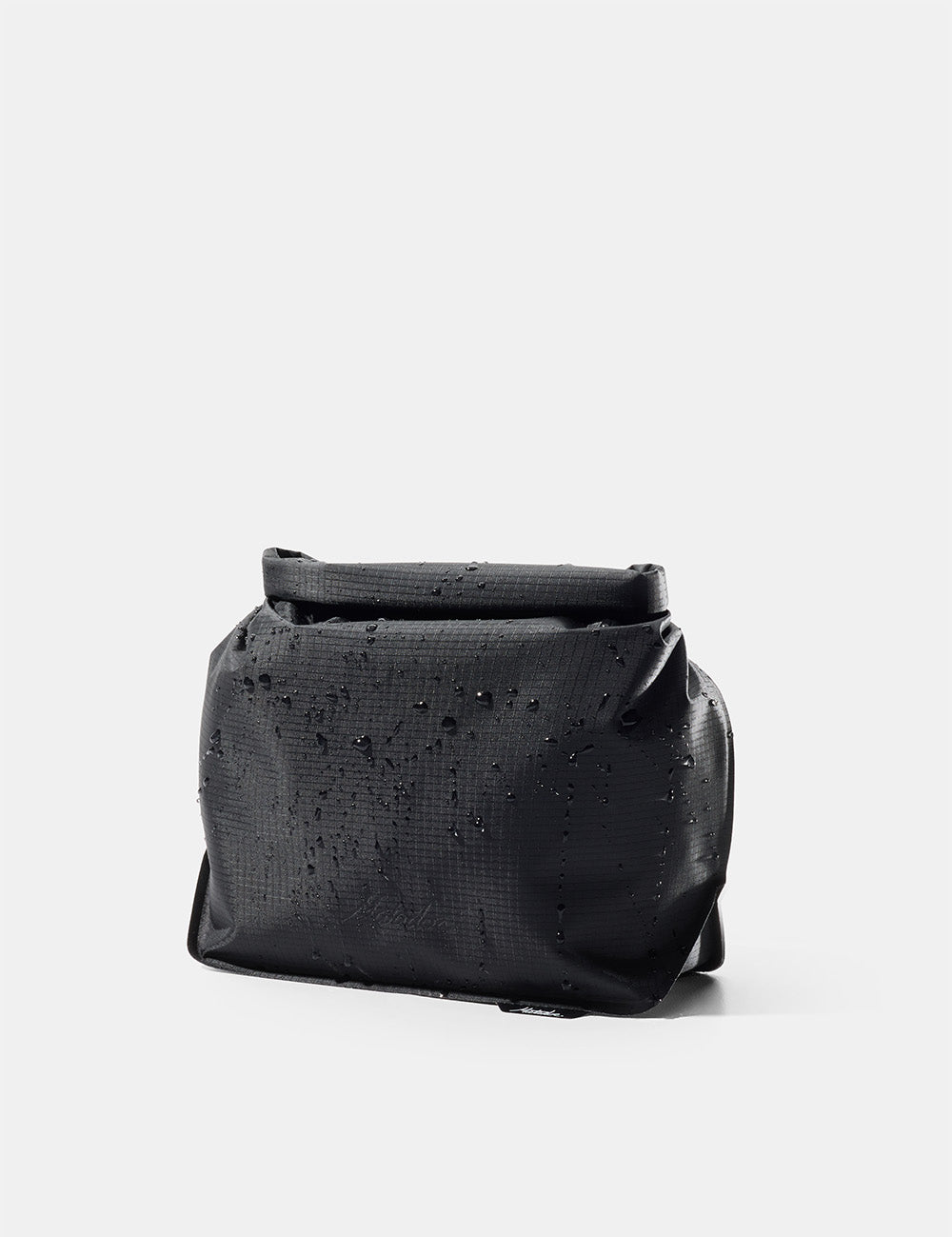
Waterproof bags are useful whenever water, sand, mud, or moisture can damage what you carry. Common situations include:
- Water sports
- Kayaking, rafting, paddleboarding, and sailing often need dry bags for clothes and electronics.
- Outdoor adventures
- Hiking, mountain biking, and camping when rain or river crossings are possible.
- Travel and commuting
- Protect documents, cameras, and laptops during storms or in humid climates.
- Work and professional use
- Field technicians, photographers, and emergency responders use rugged waterproof bags.
- Everyday protection
- Storing phones, wallets, and keys in a backpack pocket that might get wet.
Short PAA-style questions:
Do waterproof bags keep electronics safe from rain?
Yes. Quality waterproof bags prevent rain and splashes from reaching devices, but verify ratings for full submersion protection.
Can I swim with a waterproof bag?
Some hard cases and rated dry bags allow short submersion. Only swim with a bag if it is specifically rated for water depth.
Are waterproof bags breathable?
Most fully waterproof bags are not breathable. That means condensation can form inside; use silica packs or ventilation when safe.
How to Choose the Right Waterproof Bag
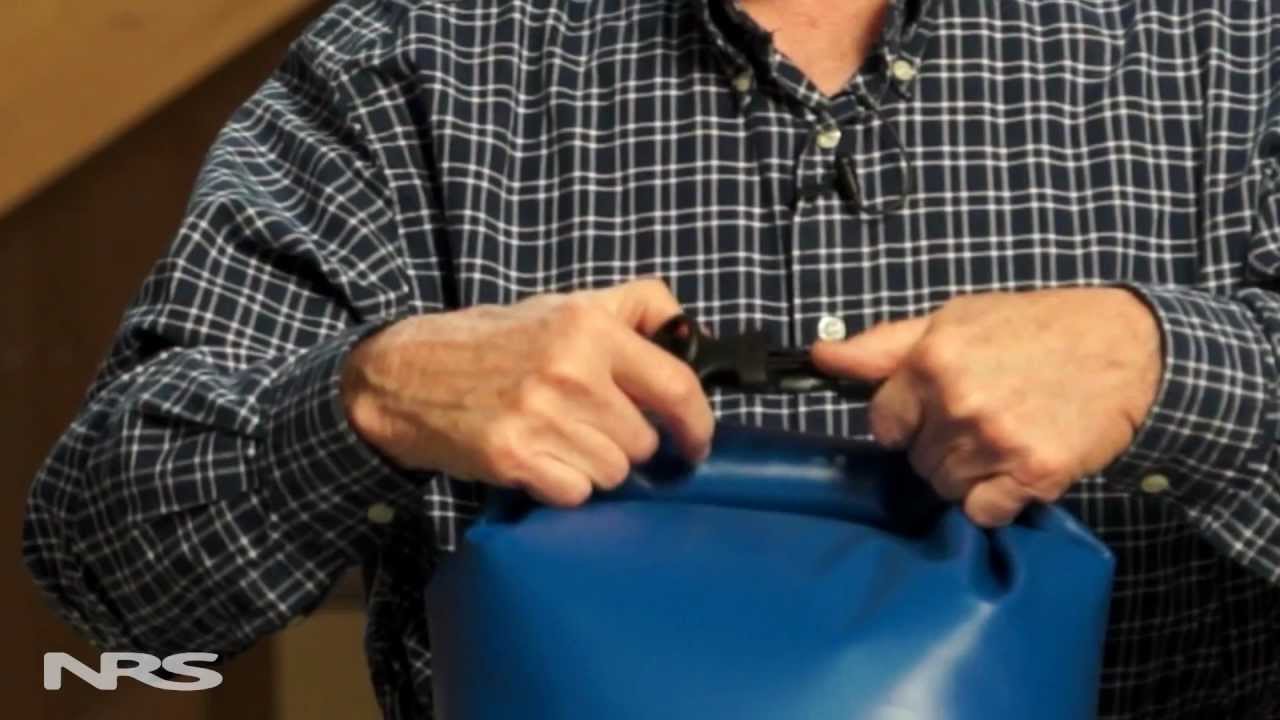
Match the bag to the risk and your gear. Use these steps.
- Assess risk
- Will the bag face splashes, heavy rain, or full submersion?
- Check ratings and specs
- Look for IP ratings or depth ratings for submersion.
- Pick material and closure
- TPU or coated nylon for light duty, hard plastic cases with gaskets for gear protection.
- Size and carrying style
- Choose a size that fits your essentials and a carry style you will use often.
- Test before use
- Do a simple home test with nonessential items to confirm seals and closures work.
From experience, many people overbuy capacity. A compact waterproof bag that fits essentials is often more practical than a large, half-empty bag.
Care and Maintenance
Regular care keeps waterproof bags effective.
- Rinse after salt or mud exposure
- Use fresh water to avoid corrosion or abrasion.
- Dry fully before storage
- Prevent mold by airing the bag inside out.
- Check seams and closures
- Inspect welds, zippers, and gaskets for wear or damage.
- Replace seals or parts when worn
- Gaskets and zipper seals can degrade; replace or repair as needed.
- Store in a cool, dry place
- Avoid UV and heat exposure that can weaken materials.
I once lost a camera mount because I ignored a small tear in a dry bag. Regular checks saved me later.

Common Mistakes and Tips
Avoid these common errors and use these tips to get the most out of waterproof bags.
- Mistake: assuming all waterproof bags are submersible
- Tip: read ratings and test if needed.
- Mistake: overpacking and stressing seams
- Tip: leave room for proper sealing and use padding for fragile items.
- Mistake: trusting a zipper alone
- Tip: combine a sealed pouch with a bag for layered protection.
- Tip: use silica gel packets to reduce internal moisture.
- Tip: label contents and keep a small repair kit on long trips.
Personal note: I now carry a small repair kit and a backup dry pouch on every boat trip. It has prevented multiple gear losses.
Frequently Asked Questions of What Are Waterproof Bags and When to Use Them?
What is the difference between water-resistant and waterproof bags?
Water-resistant bags resist light rain and splashes but can leak under heavy water exposure. Waterproof bags use sealed closures and materials to stop water even in harsher conditions.
Can waterproof bags be used for air travel?
Yes, many waterproof bags are allowed in checked and carry-on luggage, but check airline rules for batteries or electronics. Hard waterproof cases are often preferred for fragile gear in checked bags.
How do I test a waterproof bag at home?
Place a dry paper towel or tissue inside, seal the bag, and submerge or spray it for a short time. Check the paper towel for dampness to confirm the seal.
Are waterproof bags safe for cameras and drones?
Yes, when the bag or case is rated for submersion or heavy splash and properly sealed. Use additional padding to prevent impact damage during transport.
How long do waterproof bags last?
Lifespan varies by material and use; quality bags can last many years with proper care. Regular inspection and maintenance extend their useful life.
Conclusion
Waterproof bags protect items from water, sand, and moisture and are essential for outdoor sports, travel, and daily life. Choose the right type by matching risk, material, and rating, and maintain the bag with simple care steps to keep gear safe. Start by testing a new bag and packing it sensibly; a small investment in the right waterproof bags can save expensive equipment and hassle. If this guide helped, try one recommended bag for your next trip, share your experience below, or subscribe for more practical gear advice.