Last Updated on August 24, 2026
Pick a lightweight, durable, compartmented bag that meets airline carry-on rules.
I’ve spent years testing bags for overnight trips, business travel, and gym stops between flights. This guide will walk you through exactly how to select a gym bag for travel with clear steps, real-world tips, and mistakes to avoid. You’ll learn what features matter, which bag types work best, and how to pack smart so your gym bag becomes a travel-friendly tool—not a hassle.
Why the right gym bag for travel matters
Choosing the right gym bag for travel saves time and stress. A good bag protects your gear. It keeps odors and leaks from other luggage. It helps you move faster through airports. It lets you work out on the road without extra friction.
Selecting the right bag affects packing, security checks, and comfort while carrying. If you know how to select a gym bag for travel, you reduce delays and improve your travel routine.

Key factors to consider when you decide how to select a gym bag for travel
Focus on a few core traits. They determine how well the bag performs on trips.
Size and capacity
Select a size that fits airline carry-on limits and your workout kit. A 30–40 liter bag often works for overnight or 2–3 day trips. If you pack shoes and wet items, go larger or use compression.Weight
Choose a lightweight shell. Heavy bags eat into your luggage allowance and tire you out. Empty weight under 3 pounds is a good target for backpacks and duffels.Material and durability
Look for ripstop nylon, ballistic nylon, or coated polyester. These resist tears and stand up to rough handling. Seams and zippers should be reinforced.Compartments and organization
Separate shoe and wet pockets from clothes. Internal compression straps help keep gear compact. Dedicated tech pockets protect chargers and phones.Security and closures
Lockable zippers and hidden pockets help protect valuables. Consider RFID-lined pockets for your cards.Comfort and carry options
Multiple carry modes add flexibility. Convertible straps let you carry the bag as a backpack, duffel, or shoulder bag. Padded straps reduce strain.Airline compliance and carry-on rules
Confirm dimensions for domestic and international carry-on rules. If you travel often by plane, prioritize bags that meet strict carry-on sizes.Water resistance and odor control
Water-resistant fabrics and drainable wet pockets keep clothes dry. Antimicrobial linings and removable washable pockets prevent smells.Style and versatility
Neutral, low-profile styles work for both gym and business travel. A bag that looks good with casual and formal outfits expands its use.Price and warranty
Balance cost with expected lifespan. Good warranties and repair programs add value.
Each factor matters when you think about how to select a gym bag for travel. Prioritize features that match your trip style and frequency.
Types of gym bags ideal for travel
Different bag types match different travel needs. Knowing them helps you decide how to select a gym bag for travel.
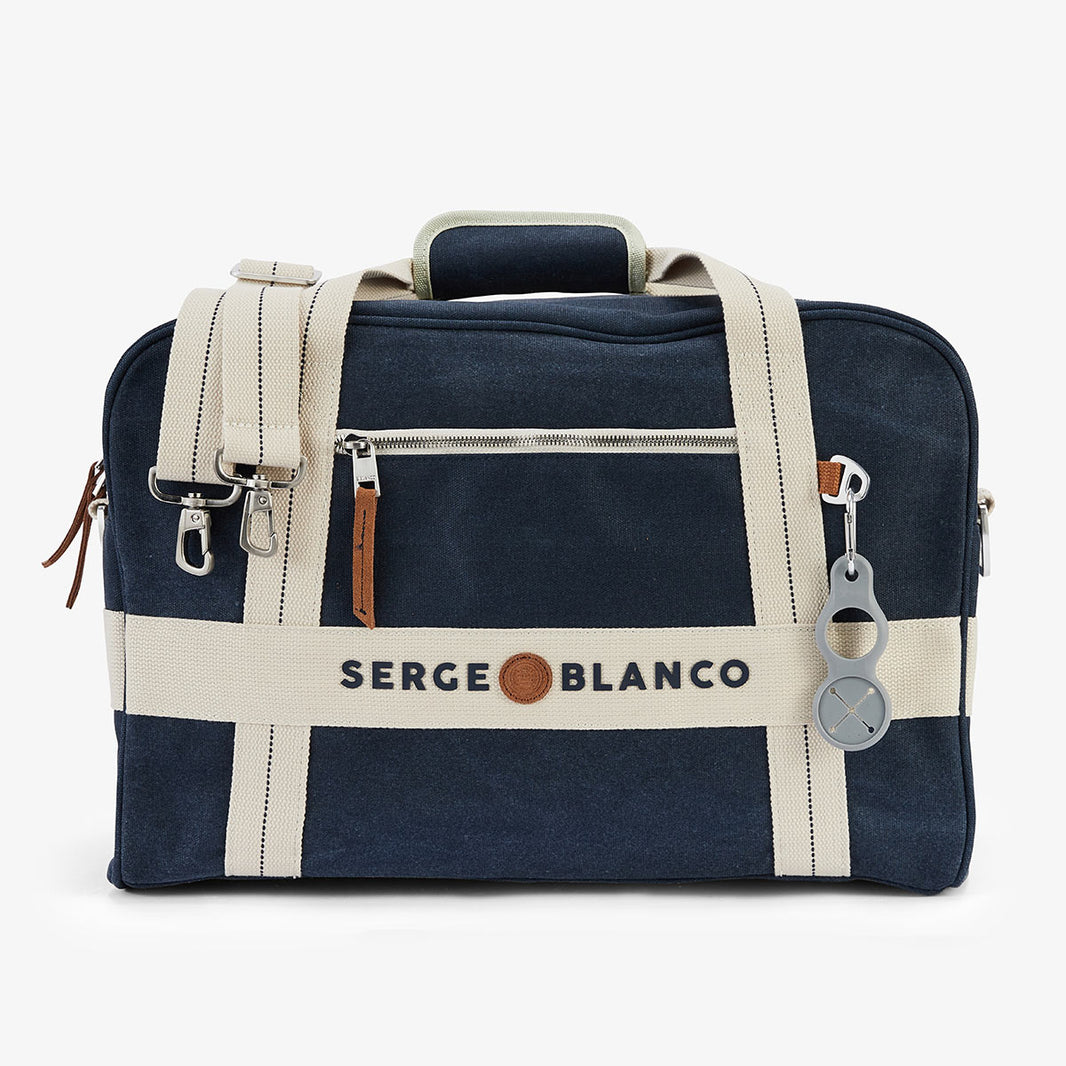
Travel duffel
Spacious and easy to load. Good for weekend trips and flexible packing.Backpack-style gym bag
Hands-free, balanced carry. Best if you walk or commute a lot.Weekender bag
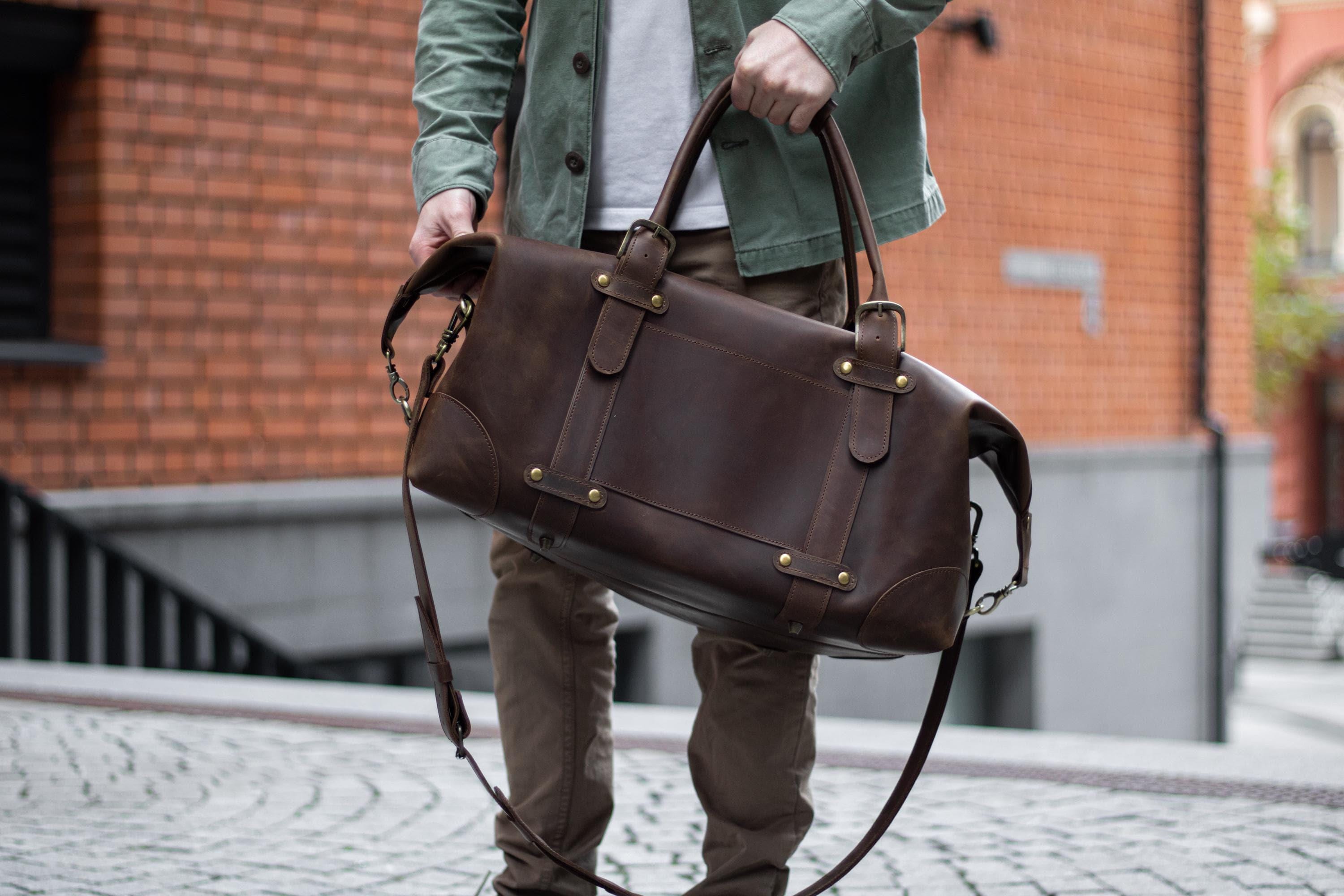
Sleek and stylish. Often fits carry-on rules and looks good in a business setting.Rolling gym bag
Eases strain on long airport walks. Best for heavy loads or long trips.Convertible bags
Transform between backpack and duffel modes. Offer the most flexibility.Tote or hybrid bag
Simple and quick to access. Works well for short trips and quick gym stops.
When you learn how to select a gym bag for travel, test the bag type with your typical itinerary before buying.
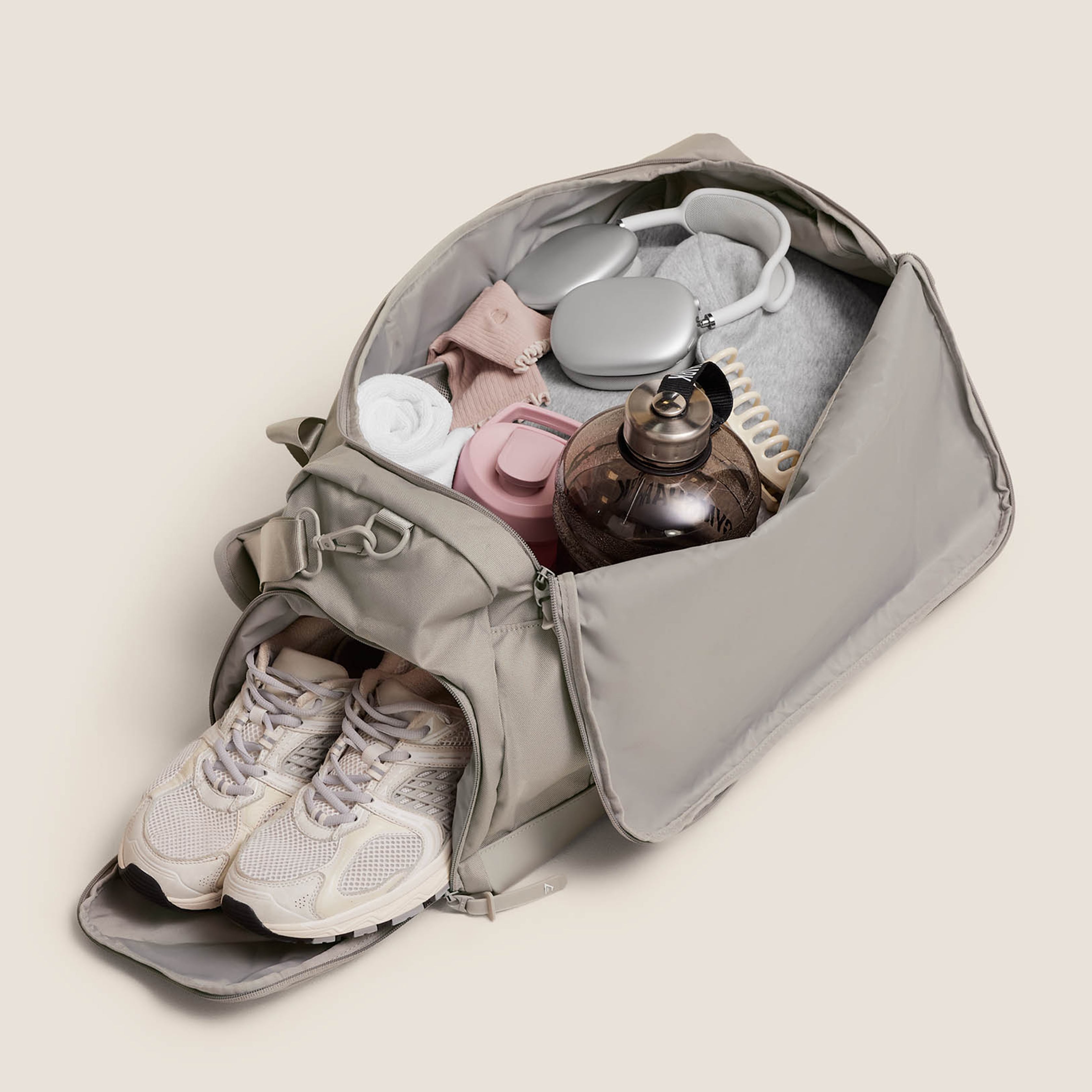
How to pack a gym bag for travel
Packing smart makes any gym bag travel-friendly. Follow this quick routine.
Plan what you need
List essential items: shoes, workout clothes, towel, toiletries, headphones, charger, water bottle.Use packing cubes or compression sacks
They reduce bulk and make it easy to find items.Isolate wet or sweaty gear
Put wet items in a waterproof pouch or wet pocket immediately.Protect electronics
Place chargers and phones in padded pockets. Keep cords tidy with elastics.Balance weight
Put heavy items close to your back for backpacks. Center weight for duffels.Keep travel documents and valuables accessible
Use a small hidden pocket or RFID sleeve.Use odor control
Pack a small sachet of activated charcoal or a washable odor bag.
Following these steps will help you put the lessons from “How to Select a Gym Bag for Travel” into practice when you pack.
Common mistakes and how to avoid them
Avoid these pitfalls when you learn how to select a gym bag for travel.
Buying by looks alone
Don’t choose a bag just because it looks good. Test compartments and durability first.Ignoring airline rules
A bag that won’t fit in the cabin becomes a hassle and can cost you money.Overestimating size needs
Bigger bags encourage overpacking. Pick a size that matches trip length.Neglecting odor management
Sweaty gear can ruin clothes in shared luggage. Use wet pockets and wash inserts.Skipping warranty and return checks
Check the return policy and warranty terms before you buy.
These simple checks prevent frustration and help you use your gym bag the right way.

Personal experience: lessons I learned about how to select a gym bag for travel
I’ve tested gym bags across dozens of trips. One early mistake was buying a heavy, fashion-forward bag that shredded after a year. I learned to always inspect seams and zippers before buying. I now carry a convertible backpack-duffel that fits most carry-on limits. It saved me time at airports and kept my gear separate from my clothes.
A tip that changed my routine: dedicate one small pouch for electronics and keys. It keeps security lines fast. Another tip: always pack a lightweight foldable bag for extra storage on return trips. These small habits came from experience and repeated travel.

Choosing the best bag based on travel style
Match the bag to how you travel and train.
Short business trips
Use a sleek weekender or compact convertible bag that fits carry-on rules.Frequent weekend gym trips
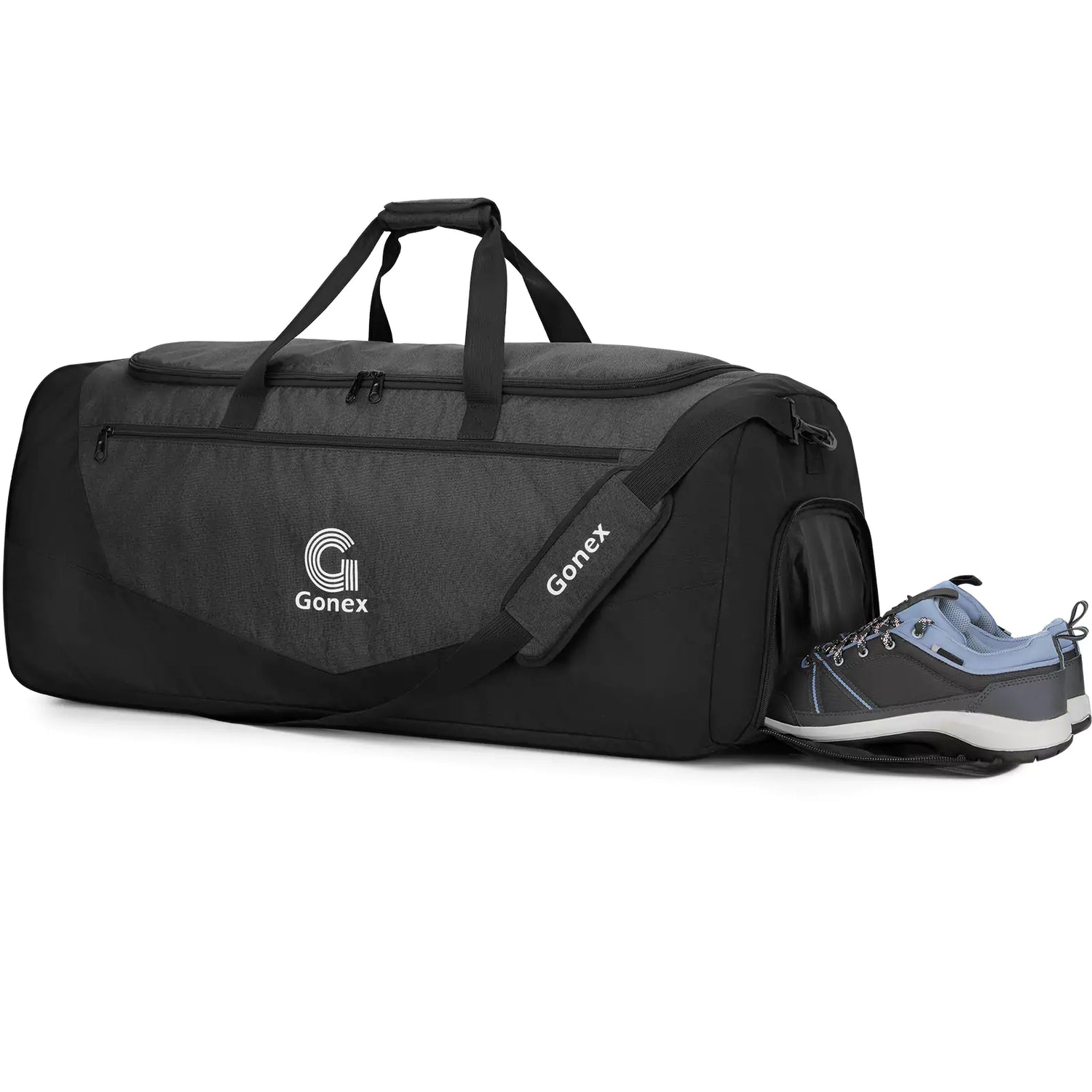
Choose a durable duffel with a shoe compartment and wet pocket.Long trips with multiple workouts
Pick a rolling bag or large duffel with good organization and a durable shell.Urban commuting and gym stops
Use a backpack style with quick-access pockets and a laptop sleeve.
Consider your routine as you apply how to select a gym bag for travel. The right bag fits the way you move.
Maintenance and care tips
A good gym bag lasts longer with basic care.
Empty and air out the bag after use.
Let wet items dry before sealing the bag.Clean linings and removable pouches regularly.
Hand wash or machine wash when allowed.Repair small tears early.
Reinforce seams or patch holes before they grow.Use a waterproof spray for fabric bags.
That adds a layer of protection without changing look.
Regular care keeps a bag usable for years and protects your investment in how to select a gym bag for travel.

Frequently Asked Questions of How to Select a Gym Bag for Travel
What size gym bag should I take for weekend travel?
Choose a 30–40 liter bag for most weekend trips. This range fits clothes, shoes, and a towel while often meeting carry-on rules.
Can a gym bag be used as a carry-on on planes?
Yes, many gym bags qualify as carry-on if they meet airline size limits. Always check the airline’s current dimensions before you fly.
Do I need a separate bag for shoes and wet gear?
A separate shoe or wet pocket is highly recommended. It prevents odors and keeps dry clothes clean.
Are rolling gym bags worth it for travel?
Rolling bags are great for heavy loads and long airport walks. They add weight but reduce strain on your back.
How do I stop my gym bag from smelling?
Air out the bag after use, wash removable liners, and use odor absorbers like activated charcoal. Quick cleanup after workouts prevents persistent smells.
Is a backpack or duffel better for travel?
It depends on your travel. Backpacks are hands-free and good for walking. Duffels offer easier access and larger single compartments.
Conclusion
Choosing how to select a gym bag for travel boils down to matching features to your trips. Pick the right size, prioritize durable materials, and choose compartments that solve real problems like wet gear and tech protection. Test a bag with a short trip before committing and maintain it for a long life.
Take action today: review your travel needs, try a bag in store or order from a retailer with a good return policy, and use the packing checklist above. If you found these tips helpful, try one change on your next trip and leave a comment about what worked for you.