Last Updated on August 27, 2026
Packing your sleeping bag the right way can make a big difference in your backpacking trip. If you’ve ever struggled with a bulky, heavy pack or wasted time trying to fit your sleeping bag inside, this guide is for you.
You’ll learn simple, effective steps to pack your sleeping bag so it takes up less space and stays protected. Keep reading, and you’ll discover tips that will save you effort and help your backpack feel lighter from the very start.
Choosing The Right Sleeping Bag
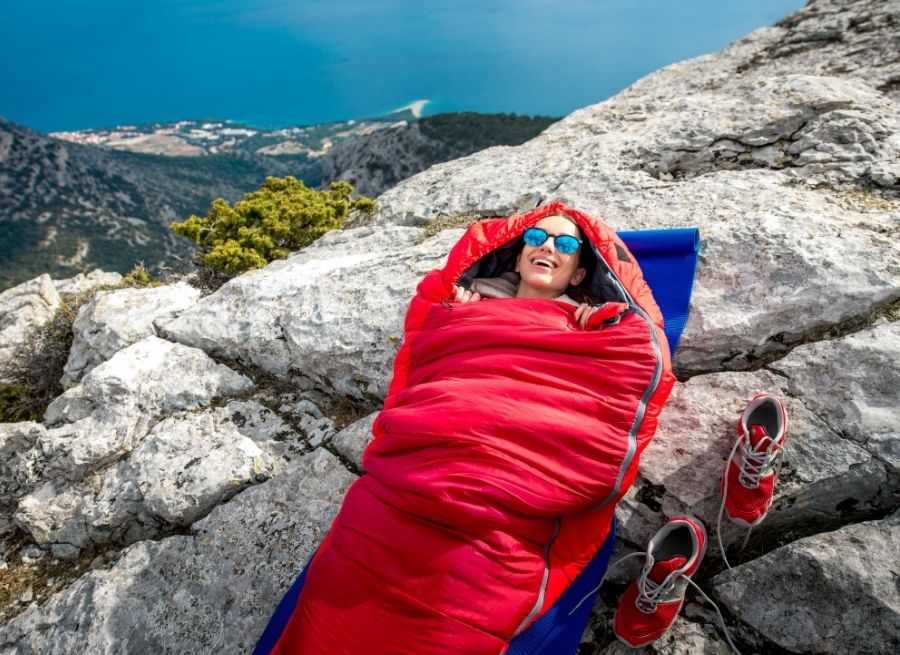
Packing a sleeping bag in a backpack requires picking the right one first. The right sleeping bag keeps you warm and fits your trip needs.
Think about where you will camp and how long you will stay. This helps you choose a sleeping bag that is easy to carry and use.
Types Of Sleeping Bags
Sleeping bags come in different shapes and materials. Each type suits different weather and comfort needs.
- Rectangular:Roomy and good for mild weather.
- Mummy:Tight fit that keeps heat well for cold weather.
- Quilt:Lightweight and versatile, good for warm weather.
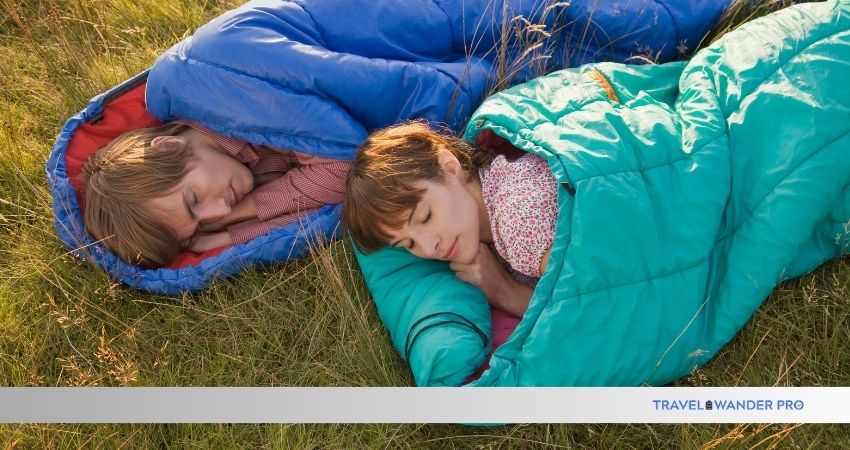
- Double:Made for two people, heavier and bulkier.
Size And Weight Considerations
Size and weight matter a lot when packing a sleeping bag. A lighter bag is easier to carry on long hikes.
Choose a sleeping bag size that fits your body but does not add extra weight. Smaller bags save space in your backpack.
- Pick a bag that matches your height and width.
- Look for lightweight materials like down or synthetic fill.
- Compression sacks help reduce bag size for packing.
- Balance warmth with the bag’s weight for comfort.
Preparing The Sleeping Bag
Getting your sleeping bag ready for packing is crucial. It ensures comfort and longevity of your gear. Here’s how to prepare your sleeping bag effectively.
Proper preparation involves cleaning, drying, and choosing the right packing method. Follow these steps for a seamless experience.
Cleaning And Drying
Before packing, ensure your sleeping bag is clean and dry. This prevents odors and mold. Follow these tips to clean and dry your bag properly.
- Check the label for washing instructions.
- Use a gentle detergent and cold water.
- Air dry your sleeping bag thoroughly before packing.
Rolling Vs. Stuffing
Deciding between rolling or stuffing is key to packing efficiency. Both have their pros and cons. Choose the method that suits your needs best.
Rolling involves folding the sleeping bag neatly. It may take longer but reduces wrinkles. Stuffing is quicker and helps maintain loft, but can be bulkier.
| Method | Pros | Cons |
| Rolling | Neat and organized | Time-consuming |
| Stuffing | Faster packing | Less compact |
Packing Techniques
Packing a sleeping bag properly saves space and keeps it dry. Using the right techniques helps you carry it comfortably. This guide covers key ways to pack your sleeping bag in a backpack.
Focus on compressing the bag and placing it in the best spot. These steps protect your gear and make your load balanced.
Using Compression Sacks
Compression sacks reduce the size of your sleeping bag. They push out air and make the bag compact. This saves space inside your backpack.
- Put the sleeping bag loosely into the compression sack.
- Seal the sack tightly to avoid air leaks.
- Use the straps on the sack to press down evenly.
- Keep compressing until the sack is small enough.
- Check the sack for any holes or weak spots.
Optimal Placement In Backpack
Where you place your sleeping bag affects comfort and balance. The bag should be easy to reach and help stabilize the load.
| Placement | Benefits |
| Bottom of backpack | Keeps heavy gear low, balances weight |
| Outside roll-on | Saves inside space, quick access |
| Inside near back panel | Keeps sleeping bag warm and dry |
| Under top lid | Easy to reach for rest breaks |
Additional Packing Tips
Packing your sleeping bag properly helps keep it clean and dry. Good packing also saves space in your backpack.
Here are some extra tips to protect your sleeping bag and fit it efficiently in your pack.
Protecting From Moisture
Moisture can damage your sleeping bag and reduce its warmth. Always keep it dry during your trip.
Use a waterproof stuff sack or dry bag to protect your sleeping bag from rain and wet ground.
- Pack your sleeping bag in a waterproof bag
- Store it inside your backpack’s dry compartment
- Use plastic bags as an extra moisture barrier
- Avoid placing the bag near liquids or wet gear
Maximizing Space Efficiency
Saving space makes room for other important gear. Compress your sleeping bag tightly for a smaller size.
Rolling your sleeping bag can also save space and reduce wrinkles.
- Use a compression sack to squeeze out air
- Roll the sleeping bag tightly from the foot end
- Place the bag at the bottom or outside of your backpack
- Fill small gaps with soft items to avoid wasted space
Frequently Asked Questions
How Do I Roll My Sleeping Bag For Backpack Packing?
Start by laying it flat, then roll tightly from the foot end to the head end.
What Is The Best Way To Compress A Sleeping Bag?
Use a compression sack with straps to push out air and reduce size.
Can I Pack A Wet Sleeping Bag Safely?
No, always dry your sleeping bag before packing to avoid mold and smell.
Where Should I Place The Sleeping Bag In My Backpack?
Pack it at the bottom or outside pocket for easy access and balance.
How To Keep My Sleeping Bag Clean While Packed?
Use a clean stuff sack and avoid placing it on dirty or wet surfaces.
Conclusion
Packing your sleeping bag right saves space and keeps it dry. Roll it tight and use compression straps if you have them. Put it at the bottom of your backpack for balance. Make sure it stays clean to last longer.
Practice a few times before your trip to get faster. Simple steps make your hiking or camping easier and more fun. Remember, a well-packed sleeping bag means better rest outdoors.