Last Updated on August 22, 2026
Have you ever felt weighed down by your backpack while traveling? Carrying too much can make your trip uncomfortable and tiring.
But how light should your backpack really be? Finding the ideal backpack weight is key to enjoying every step of your adventure without unnecessary strain. You’ll discover the perfect balance between packing what you need and staying comfortable on the move.
Keep reading to learn how to pack smart and travel light, so your journey feels effortless from start to finish.
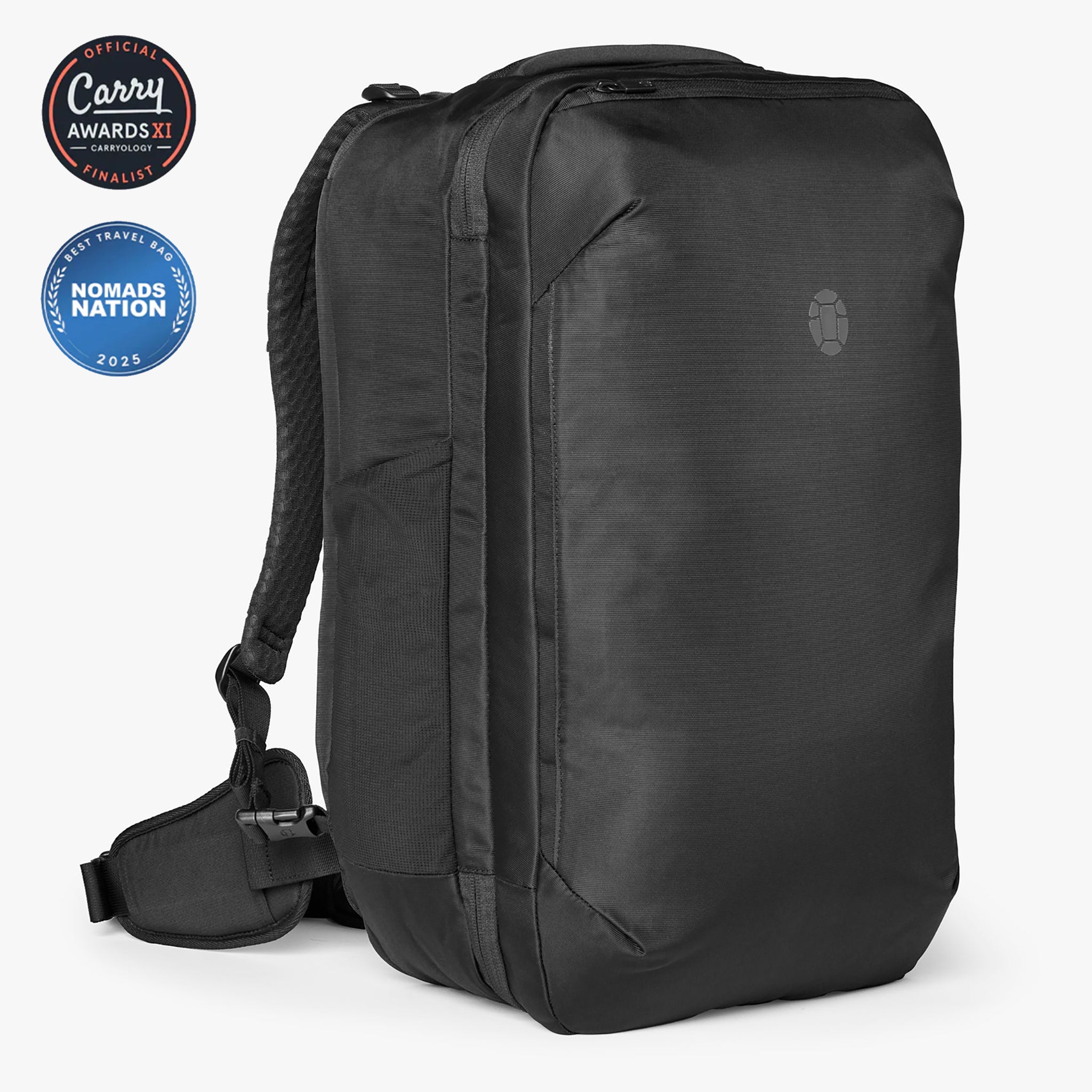
Credit: www.tortugabackpacks.com
Factors Affecting Backpack Weight
Choosing the right backpack weight depends on many factors. These factors help travelers pack smart and carry comfort. Knowing what affects backpack weight guides better travel planning.
Trip Duration And Purpose
Long trips need more supplies and clothes. This adds weight to the backpack. Short trips allow for lighter packing. The purpose matters too. Business trips might require gadgets and documents. Hiking trips need gear like tents and food. Each trip type changes the ideal backpack weight.
Traveler’s Physical Condition
Each traveler has different strength and stamina. Stronger people can carry heavier loads. Others might need to pack lighter to avoid pain. Age and fitness level matter a lot. Packing within personal limits keeps travel safe and fun. Comfort should never be sacrificed for more stuff.
Climate And Terrain
Cold climates require warm clothing and extra layers. These items add bulk and weight. Hot climates need lighter clothes but more water. The terrain affects gear choice too. Rough trails may need hiking boots and poles. Smooth city walks call for lighter shoes. Climate and terrain shape what goes into the pack.
Credit: www.tortugabackpacks.com
Recommended Weight Limits
Knowing the right backpack weight helps make travel easier and more fun. Carrying too much can cause pain and slow you down. Carrying too little may mean missing important items. Recommended weight limits guide travelers on how much to pack without overburdening themselves.
General Guidelines
Backpack weight should usually stay under 20% of your body weight. For example, if you weigh 150 pounds, your backpack should weigh no more than 30 pounds. Keeping weight light helps avoid strain and fatigue. It also makes moving through airports and cities easier.
Weight Recommendations By Traveler Type
Casual travelers can carry backpacks weighing between 15 to 25 pounds. Backpackers and hikers need lighter packs, around 10 to 20 pounds. Business travelers often carry 10 to 15 pounds for laptops and clothes. Families may carry heavier loads but should share items among members.
Adjusting Weight For Different Travel Styles
Minimalist travelers pack very light, often under 15 pounds. Adventure travelers may carry more gear but should still stay below 25 pounds. Long-term travelers balance weight with the need for extra clothes and supplies. Adjust your backpack weight based on your trip length and activities planned.
Tips To Reduce Backpack Weight
Reducing backpack weight makes travel easier and more enjoyable. A lighter backpack helps you move faster and feel less tired. Simple changes can cut pounds from your load. Focus on packing smart, choosing light gear, and staying organized.
Essential Packing Strategies
Start by choosing only what you truly need. Avoid packing “just in case” items. Stick to versatile clothes that match each other. Roll clothes instead of folding to save space. Use travel-sized containers for liquids and toiletries. Limit electronics and gadgets to essentials only. Regularly review your list to remove extras. Less stuff means less weight.
Choosing Lightweight Gear
Pick gear made from light materials like nylon or polyester. Use compact sleeping bags and tents if camping. Choose shoes that are durable but light. Replace heavy bottles with collapsible water containers. Lightweight gear cuts pounds but still works well. Always check gear weight before buying. Small savings add up quickly.
Organizing For Comfort And Efficiency
Pack heavy items close to your back for balance. Use packing cubes to separate items and save space. Keep frequently used items near the top or outside pockets. Distribute weight evenly to avoid strain. Tighten straps to keep the load stable. A well-organized pack feels lighter and improves posture.
Frequently Asked Questions
What Is The Best Backpack Weight For A Day Trip?
A good backpack weight for a day trip is 10 to 15 pounds. This keeps your load light and comfortable for walking all day. Carry only essentials like water, snacks, and a light jacket.
How Heavy Should A Travel Backpack Be For Long Trips?
For long trips, keep your backpack under 20% of your body weight. This helps prevent back pain and fatigue during travel. Pack only important items and avoid extras.
Can A Heavy Backpack Cause Health Problems?
Yes, carrying a heavy backpack can strain your back and shoulders. It may lead to pain and poor posture over time. Always choose a backpack weight that feels easy to carry.
How To Reduce Backpack Weight For Travel?
To reduce weight, pack only necessary items and use lightweight gear. Choose clothes that can be layered and worn multiple times. Avoid packing too many gadgets or heavy books.
Conclusion
Choosing the right backpack weight makes travel easier and more fun. Carrying too much can cause pain and slow you down. Keep your bag light to move quickly and stay comfortable. Think about the trip length and what you really need.
Small, smart packing helps avoid extra weight. Travel light, enjoy more, and feel free to explore. Your backpack weight affects your whole travel experience. Pack wisely and make your journey smooth and happy.