Last Updated on August 24, 2026
Keep gear clean, dry, inspected, repaired, and stored properly after every trip.
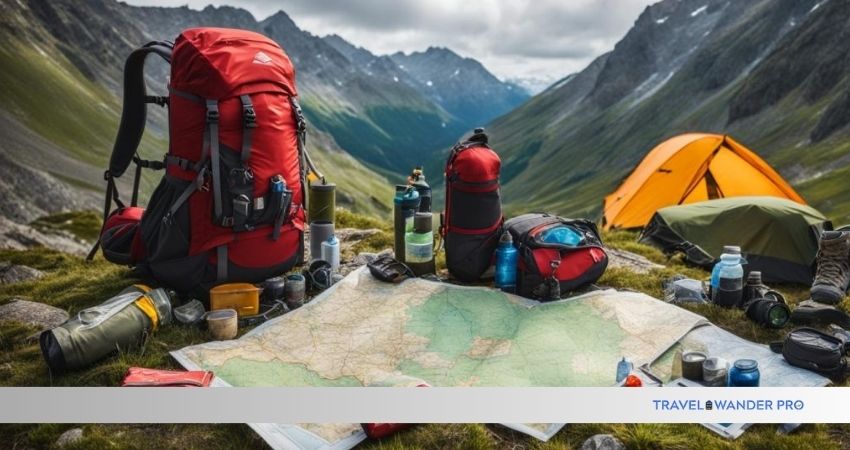
I’ve spent years guiding trips, testing gear, and fixing kit at the trailhead. This guide on How to Maintain Your Adventure Equipment brings clear steps, field tips, and lab-style care routines that keep your kit safe, light, and ready. I’ll share what I do, what pros recommend, and simple checks you can use before, during, and after every outing.
Why proper care matters
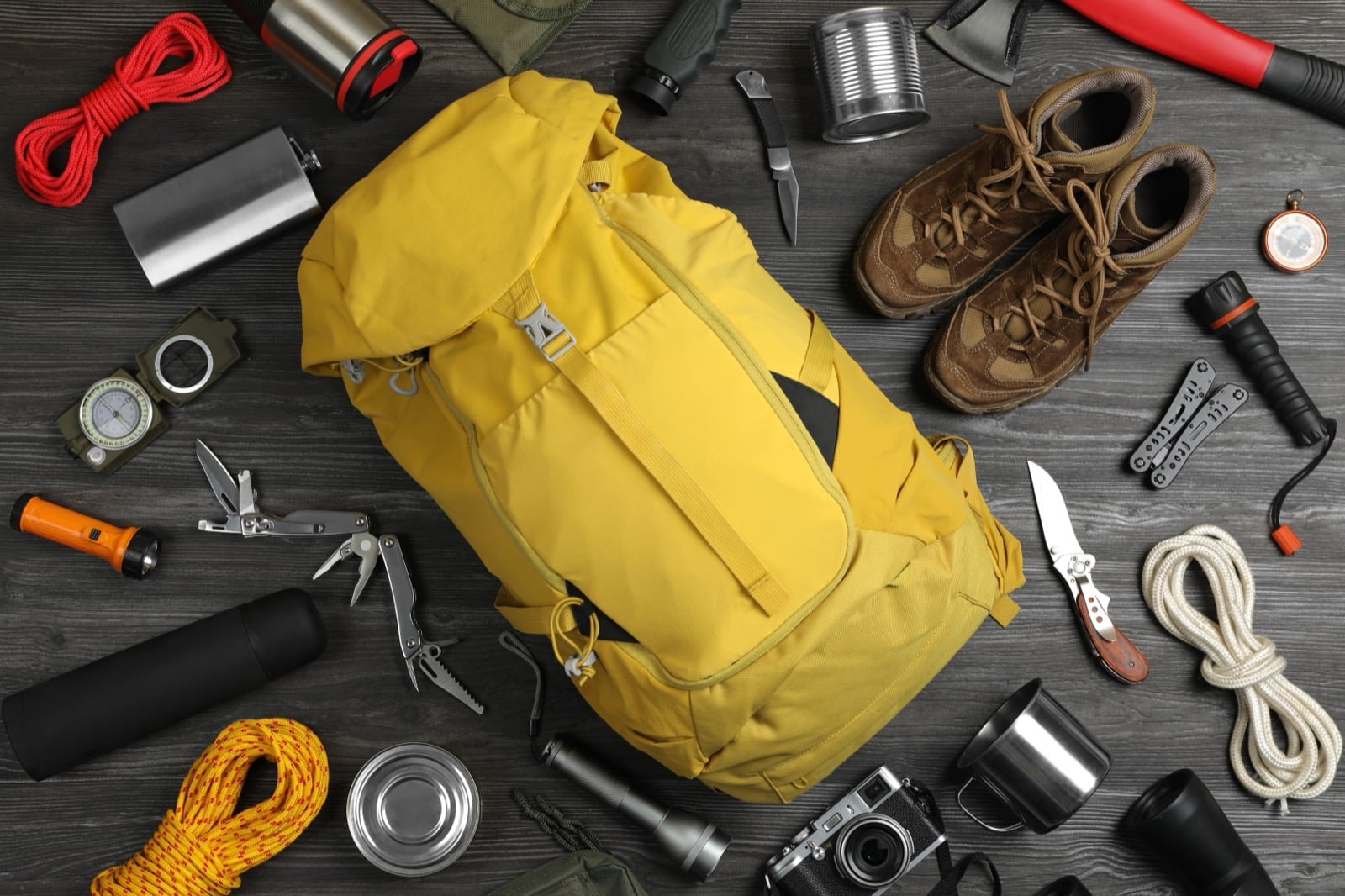
Well-kept gear lasts longer. It saves money and keeps you safe. Small issues can become big failures in harsh conditions. Knowing How to Maintain Your Adventure Equipment reduces risks and gives you more days outside.
- Protect your investment: gear is costly and repairable when caught early.
- Preserve performance: clean and proper care keep insulation, seals, and moving parts working.
- Improve safety: worn rope, cracked stove seals, or rotted webbing are avoidable hazards.
Core gear categories and how to care for each
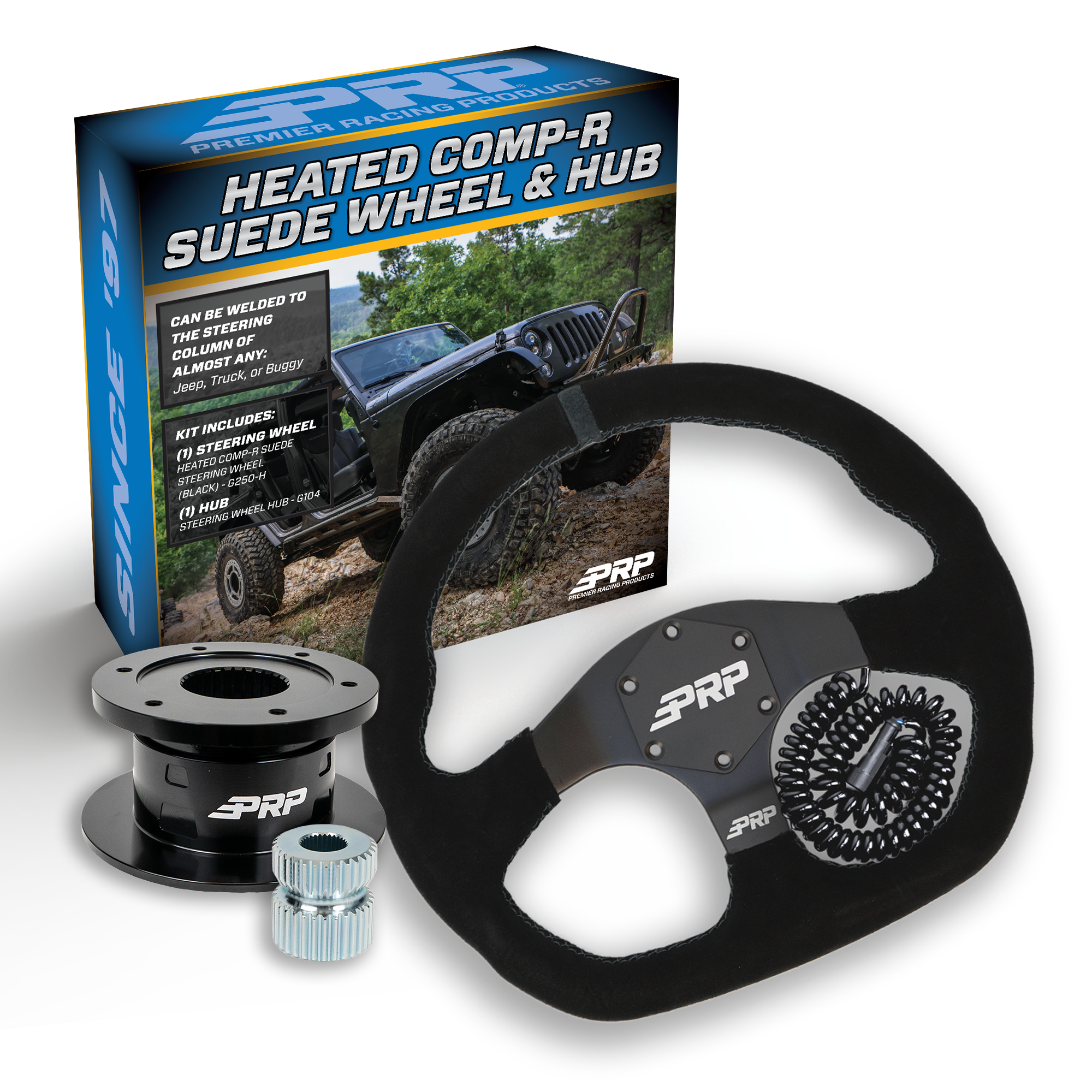
Different kit needs different care. Below are simple rules for common items and quick why-it-matters notes to help you apply How to Maintain Your Adventure Equipment.
- Tents — Clean, dry, patch small tears, reseal seams when needed. Store loosely folded in a dry place.
- Sleeping bags — Spot clean, wash infrequently (use specific cleaners), dry fully, store uncompressed in a cotton sack or hang.
- Backpacks — Clean dirt from zippers and frames, check stitching, re-waterproof if pack uses a DWR finish.
- Boots and shoes — Clean mud, treat leather, re-glue sole edges, replace worn laces and insoles.
- Climbing rope and hardware — Inspect for core damage, retire rope per usage standards, keep carabiners and cams free of grit and lubricated with recommended products.
- Stoves and fuel systems — Clean jets, check O-rings, run test fires, follow manufacturer maintenance.
- Water filters — Backflush, disinfect between seasons, replace cartridges on schedule.
- Electronics and batteries — Remove batteries for storage, charge lithium cells periodically, dry and ventilate waterproof housings.
- Clothing — Wash breathable fabrics with tech wash, restore durable water repellent (DWR), avoid fabric softeners.
Routine checklist: daily, monthly, and seasonal tasks
A checklist cuts mistakes. Use short tasks to keep maintenance simple and repeatable for How to Maintain Your Adventure Equipment.
Daily (after each trip)
- Shake out debris from bags and tents and dry gear fully.
- Spot check zippers, seams, and fasteners for damage.
- Empty pockets and clean out moisture and food crumbs.
Monthly
- Deep-clean technical clothing with proper cleaners and reapply DWR.
- Inspect footwear for sole wear and re-glue minor separations.
- Run a function test on stoves, filters, and electronics.
Seasonal
- Wash and loft down gear with approved cleaners; air or machine-dry fully.
- Store sleeping bags uncompressed in a hooped closet or large bag.
- Long-term deep inspection of ropes and harnesses; retire if damaged or aged.
Deep cleaning, repairs, and storage best practices
You don’t need to be a pro mechanic to do solid repairs. Many fixes are simple and cheap if done early. These tips help you handle deep clean and long-term care for How to Maintain Your Adventure Equipment.
- Cleaning
- Use specialized cleaners for down and technical fabrics to avoid stripping oils.
- Clean mud and salt with fresh water; salt dries into fibers and corrodes metal.
- Use a soft brush and gentle soap for leather and suede; follow with conditioner.
- Repairs
- Patch small tent holes with industry patches or a tiny seam-sealer for fabric tears.
- Replace zipper sliders or use a zipper repair kit for snagged teeth.
- For climbing gear and critical safety items, consult a pro for major repairs and consider retirement over risky repair.
- Storage
- Store in a cool, dry place out of sunlight. UV weakens fabric and cords.
- Avoid compressed storage for insulated items like sleeping bags.
- Remove fuel and dry stoves fully before storage to prevent corrosion.

Field care: quick fixes and best practices on the trail
Small field skills keep trips rolling. Learn a few tricks to handle common issues and keep practicing How to Maintain Your Adventure Equipment when you are away from home.
- Zipper jam — rub a little dry graphite or candle wax along the teeth and work slowly.
- Tent tear — use repair tape inside and out for a temporary fix; sew or patch at base camp.
- Leaky water bottles — swap seals or use a bandage temporarily and replace parts at home.
- Wet gear — dry near your body heat in a sleeping bag or use a suspended clothesline across a sheltered area.
- Stoves — clean jets with a fine needle and carry spare o-rings and a repair kit.

Tools and supplies to carry for maintenance
Pack a small, tailored kit. These items let you do most common fixes and are lightweight to carry as you practice How to Maintain Your Adventure Equipment.
- Multi-tool with pliers and small blade.
- Needle, heavy thread, and repair tape for fabrics.
- Superglue and small patches for plastic and hard parts.
- Spare buckles, cord, and webbing samples.
- Mini stove repair kit and spare seals.
- Zip ties, duct tape, and safety wire.
- Small bottle of tech cleaner and a soft cloth for quick cleanups.
Cost, safety, and knowing when to replace
Knowing when to fix and when to replace saves money and reduces risk. Use clear rules for retirement to keep safe while following best practices for How to Maintain Your Adventure Equipment.
- Replace rope and harnesses after visible damage, heavy shock, or per manufacturer timelines.
- Retire sleeping pads that leak repeatedly or have broken seams.
- Replace plastics and fuel canisters if cracking or corrosion appears.
- Consider cost-per-day: sometimes new gear is cheaper than repeated repairs.
- When in doubt about safety gear, opt to replace rather than risk failure.

Personal experience and common mistakes to avoid
From guiding trips I learned the hard way. Here are the top mistakes I see and how I fixed them, to help you master How to Maintain Your Adventure Equipment.
- Mistake: leaving wet gear in a trunk. Lesson: mold forms fast and can ruin insulation. Fix: dry gear asap and air out packs each evening.
- Mistake: ignoring a small rip. Lesson: torn seams grow fast under load. Fix: patch early and carry a small sewing kit.
- Mistake: skipping manual checks for stoves and filters. Lesson: a clogged jet or filter can end a trip. Fix: do monthly checks and run bench tests.
- Tip: I keep a repair bag with spares and tape. It paid off when a tent pole snapped on a windy night. The quick splint and tape held until I could replace the pole.
People also ask — quick answers
What is the most important part of gear maintenance?
- Regular inspection and complete drying are the most important actions. Check seams, zippers, and moving parts after each trip.
How often should I clean my down sleeping bag?
- Clean it only a few times a season or as needed. Use a down-specific cleaner and dry thoroughly to restore loft.
Can I repair a tent pole in the field?
- Yes, with a splint, tape, and spare shock cord you can make a safe temporary repair. Replace the pole or sleeve the break when possible.
How do I store batteries and electronics long term?
- Remove batteries or store electronics with a partial charge in a dry place and add silica packs to keep moisture low.
When should I retire climbing ropes?
- Retire ropes after major falls, visible core damage, or per the rope maker’s timeline. If unsure, consult a trained rigger.
Frequently Asked Questions of How to Maintain Your Adventure Equipment
How often should I inspect my gear before a trip?
Inspect critical gear before every trip. Quick checks take minutes and prevent most failures.
What cleaners are best for technical fabrics and down?
Use cleaners made for technical gear and down. Regular detergents strip oils and damage insulation quickly.
How do I disinfect a water filter after long storage?
Backflush with clean water and run a mild bleach or tablet solution through, then rinse fully. Follow manufacturer guidance for safe concentrations.
Can I machine-wash tents and backpacks?
Most backpacks should be hand-cleaned; tents can often be machine-washed on gentle cycles but check instructions. Avoid dryers and heat on coated fabrics.
What are signs that a sleeping bag needs replacement?
Loss of loft, stubborn smells, or torn fabric and broken zippers are signs to consider replacement. If repairs won’t restore function, replace.
Conclusion
Good maintenance keeps gear reliable, safe, and ready. Use simple routines: clean, dry, inspect, repair, and store correctly. Start small—add one habit this week and build from there. Try the daily checklist on your next trip, share your repairs, and join the conversation by leaving a comment or subscribing for more gear care tips.