Last Updated on August 24, 2026
RFID protection in bags blocks wireless scanners from reading your card and ID chips without permission.
I have tested travel gear and studied digital theft risks for years, so I know how RFID protection in bags works and when it matters. This article explains the tech, real risks, common solutions, and how to pick an effective RFID-protected bag. Read on to make smarter choices about keeping your cards and passport safe.

What is RFID protection in bags?
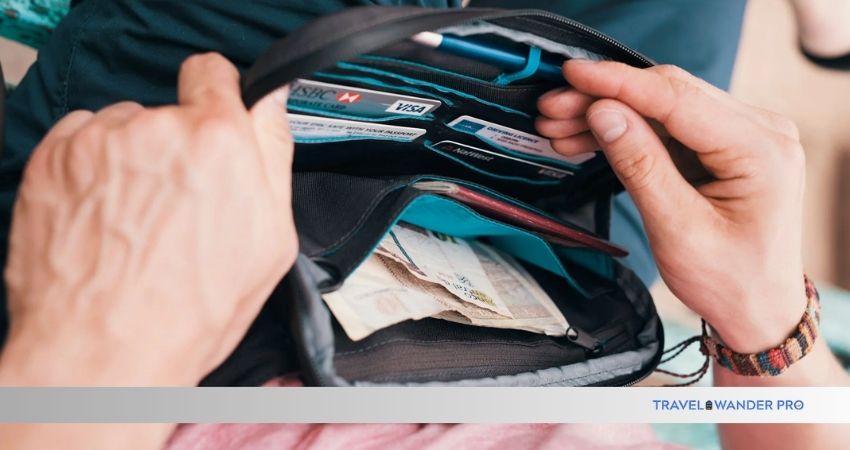
RFID protection in bags means built-in shielding stops radio waves from reaching RFID chips in cards and passports. The shield acts like a small Faraday cage. It blocks scanners from reading information without your consent.
RFID stands for radio-frequency identification. Many credit cards, transit passes, and passports use RFID chips for quick wireless reads. That convenience also opens a small window for thieves with scanners. RFID protection in bags reduces that window by preventing unauthorized reads.

How RFID and RFID skimming work
RFID chips respond to radio signals. A reader sends a radio pulse. The chip wakes up and sends data back. That data can include card numbers or passport details.
Skimming is when someone uses a reader to capture that response from a distance. Usually the reader must be close. Most public attacks are opportunistic. They use handheld scanners near crowded places, buses, and stations.
RFID protection in bags interferes with the radio pulse. The shielding either absorbs or reflects the signal. Without the signal, the chip can’t reply. That makes skimming much harder.

Types of RFID protection used in bags
Manufacturers use several methods to provide RFID protection in bags. Each method works a bit differently.
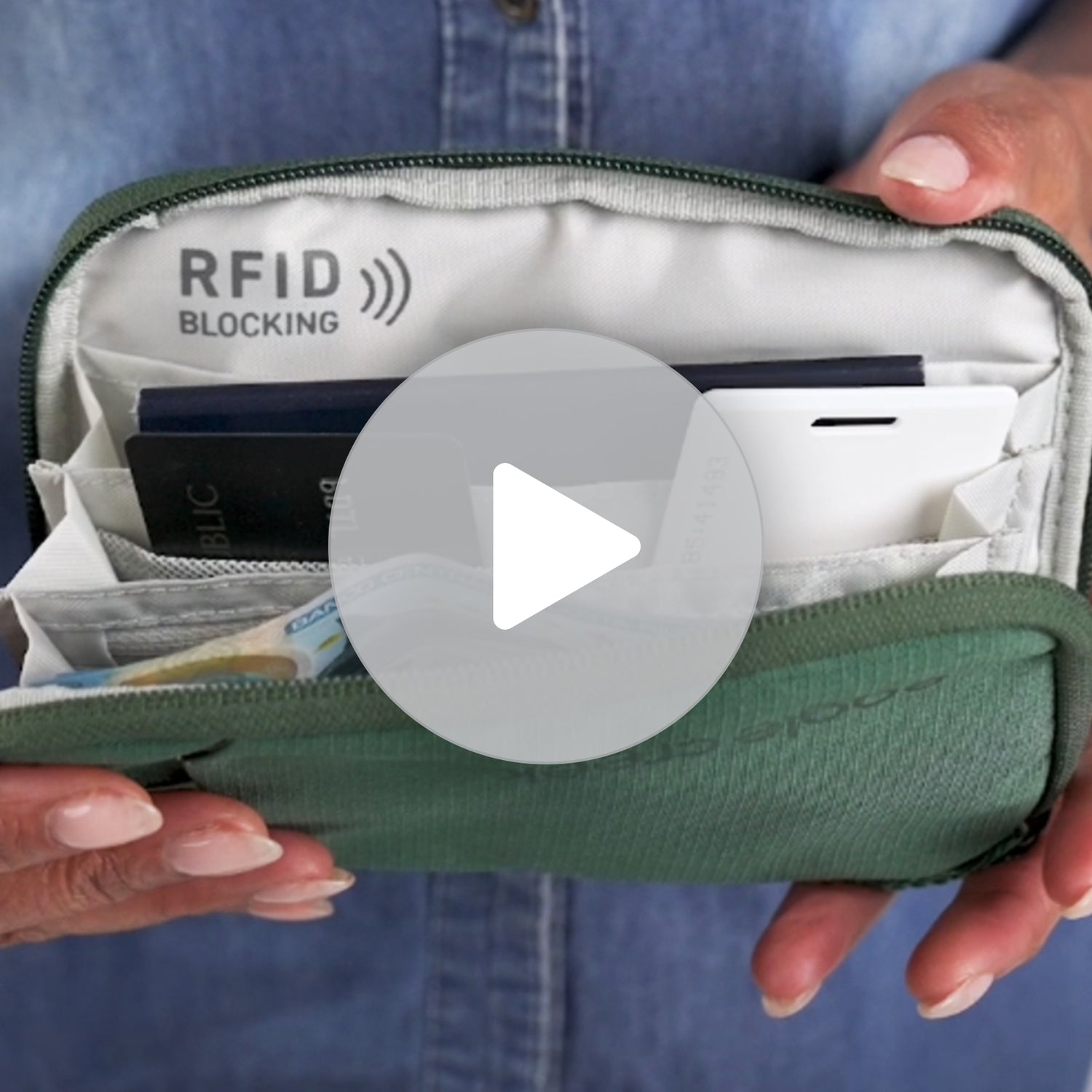
- Metallic fabric lining. A thin metal weave inside a pocket blocks radio waves. It’s common and affordable.
- Aluminum or foil pockets. A dedicated pocket with a metallic shell created like a small Faraday pouch.
- RFID sleeves and wallets. Removable sleeves fit cards or passports and block reads.
- Active blocking tech. Less common; it uses electronic noise to confuse scanners.
- Certification and testing. Some makers test blocking range and label results. Look for test data or measured readings.
Each type affects convenience and weight. For travel, a metal-lined passport pocket works well. For daily carry, RFID sleeves keep a few cards protected.
Benefits and limitations of RFID protection in bags
Benefits
- Extra privacy. It prevents casual or opportunistic reads.
- Low cost. Many RFID-protected bags are affordable.
- Simple to use. You keep cards in a labeled pocket or sleeve.
Limitations
- Not a full security solution. RFID protection does not stop card skimming that uses stolen data from breaches.
- Varying quality. Some linings only reduce range rather than fully block scans.
- Inconvenience. You may need to move cards out of the pocket to pay.
It’s important to know that RFID protection in bags is one layer. Combine it with good habits like monitoring statements and using contactless limits.
How to choose the right RFID-protected bag
Choose a bag based on your needs. Check these points when shopping for RFID protection in bags.
- Tested blocking. Look for measured blocking range or vendor test notes.
- Labeled pockets. Clear RFID pockets make it easy to store cards.
- Material and build. Sturdy seams and reliable liners last longer.
- Size and function. Pick a bag that fits your daily items and travel needs.
- Price and warranty. Higher price doesn’t always mean better blocking. A good return policy helps.
Simple tests at home can help. Place a working card in the pocket and try to pay or scan with a reader. If the reader fails at normal contact distance, the pocket likely blocks RFID.

When RFID protection matters — and when it does not
Use RFID protection in bags when you travel or spend time in crowds. Airports, trains, and busy streets increase opportunistic risks. For everyday local errands, the risk is lower but not zero.
Most modern credit cards use secure payment layers. They have limits, tokenization, and detection for fraud. This reduces the harm from a quick skim. Still, protecting passports and older transit cards with static data can be sensible.
I recommend RFID protection in bags if you carry passports, many contactless cards, or travel often. If you only carry a single modern card and you watch your transactions closely, it may be less critical.
Personal experience, tips, and mistakes to avoid
I’ve tested dozens of travel bags and RFID sleeves. A few quick lessons I learned the hard way:
- Don’t assume any bag blocks perfectly. Test before you rely on it.
- Avoid stuffing the RFID pocket with metal objects. Coins and keys can damage liners.
- Use dedicated sleeves for passports. They add a small step but increase safety.
- Replace worn bags. Worn seams and frayed lining reduce blocking power.
- Combine tools. I pair an RFID-protected wallet with app alerts for transactions.
One mistake I made was trusting a cheap bag without testing. It reduced scan distance but did not stop a handheld reader. After that I switched to bags with vendor test data and kept backups in sleeves.

Common myths and misconceptions about RFID protection in bags
Myth: RFID protection prevents all fraud.
Reality: It only blocks wireless reads. It cannot stop breaches or cloned data from other sources.
Myth: All RFID-protected bags are equal.
Reality: Quality varies. Some only cut range. Look for tested products.
Myth: You must use RFID protection always.
Reality: Use it where it adds value. Travel and crowded places are prime cases.
Myth: RFID skimming is rampant and easy.
Reality: It happens, but most skimming is opportunistic. Strong bank protections reduce fraud impact.
Practical checklist: How to test RFID protection at home
Follow these steps to test RFID protection in bags quickly.
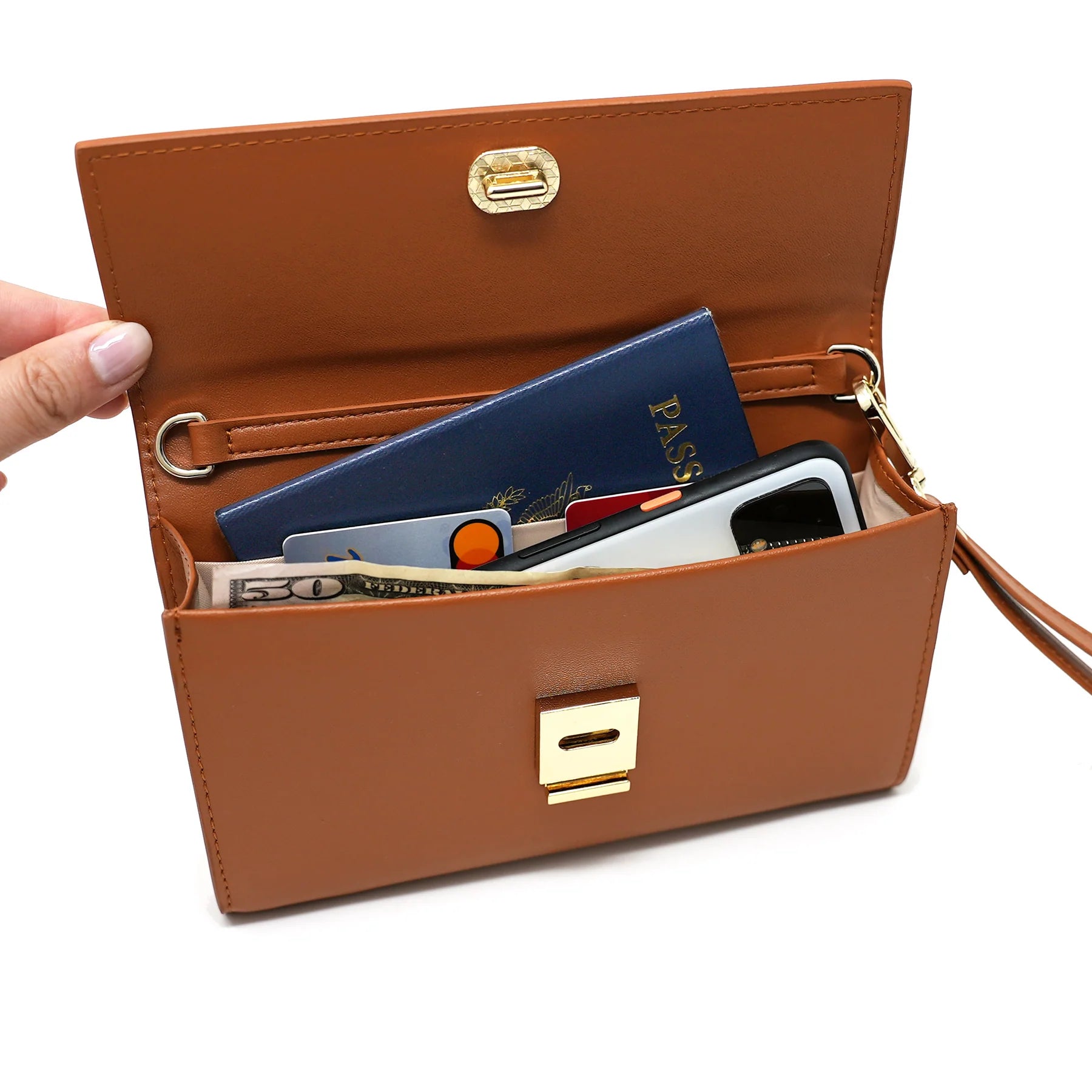
- Place a working contactless card or passport in the RFID pocket.
- Try a reader or a payment terminal at normal contact distance.
- If the reader cannot detect the chip, the pocket likely blocks RFID.
- Move the item to other pockets to confirm differences.
- Retest after a month to check wear and tear.
If you lack a reader, ask a friend with a compatible contactless device or use a public ticket gate to test read behavior.
SEO and safety signals: what to look for on product pages
When researching RFID protection in bags, check product pages for these clues.
- Clear mention of RFID blocking and how it works.
- Test results or measured blocking distances.
- Customer photos and reviews mentioning tests.
- Warranty or return policy for peace of mind.
- Visible lining or labeled pockets in product images.
Trust vendors who explain limits and show real tests. Avoid vague claims without evidence.
Frequently Asked Questions of What Is RFID Protection in Bags?
What does RFID protection in bags actually block?
RFID protection in bags blocks radio waves that wake and read RFID chips. It prevents nearby scanners from receiving chip data without physical contact.
Can RFID-blocking bags stop all types of card fraud?
No. RFID-blocking bags only stop wireless reads. They do not stop online breaches, cloned magnetic strips, or phishing attacks.
How can I test if my bag has RFID protection?
Place a working contactless card or passport inside the labeled pocket and try a payment terminal or reader. If the reader can’t detect the chip at normal distance, the pocket blocks RFID.
Are RFID sleeves better than built-in pockets?
Both work. Sleeves let you protect individual cards and are easy to replace. Built-in pockets are convenient for daily carry and travel organization.
Is RFID protection worth the cost for daily use?
It depends. For frequent travelers or people who carry passports and multiple contactless cards, it adds value. For minimal local use, it may be less necessary.
Does RFID protection interfere with legitimate scans?
Sometimes. You may need to remove a card or passport from the pocket for a quick read at a terminal. That is a normal trade-off for increased privacy.
Conclusion
RFID protection in bags adds a simple, low-cost layer of privacy against wireless scans. It works best when chosen wisely, tested at home, and used with smart habits like monitoring accounts and using secure payment options. Try a tested bag or sleeves, avoid worn linings, and pair protection with other security steps.
Take action today: test your current bag, try a certified RFID sleeve, or read product test results before you buy. If this guide helped, leave a comment with your experience or subscribe for more practical security tips.