Last Updated on August 9, 2026
Choose a travel wallet by prioritizing security, size, organization, material, and travel-specific features.
I’ve spent years testing bags, pockets, and wallets across cities and countries. This guide on How to Choose a Travel Wallet condenses real-world experience, practical tests, and buyer-smart criteria so you pick a travel wallet that keeps your essentials safe, accessible, and light. Read on for clear steps, checklists, and lessons learned from trips where a good wallet made the difference between smooth travel and a day of stress.
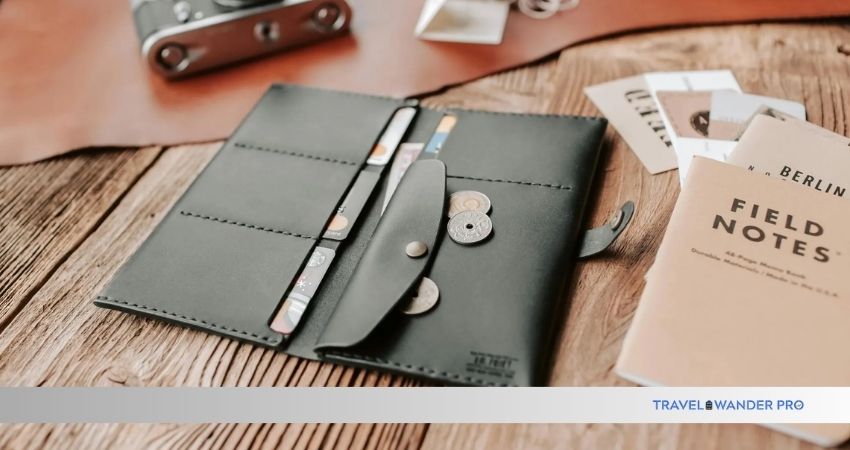
Why a Good Travel Wallet Matters
A travel wallet protects documents, cash, and cards from theft, loss, and weather. Choosing the right wallet makes airport lines, local buses, and long walks easier because everything you need is organized and quick to reach. Knowing how to choose a travel wallet in advance saves time, lowers stress, and can prevent identity theft or missed flights.
Types of Travel Wallets
Travel wallets come in many forms. Pick the style that fits your trip and comfort.
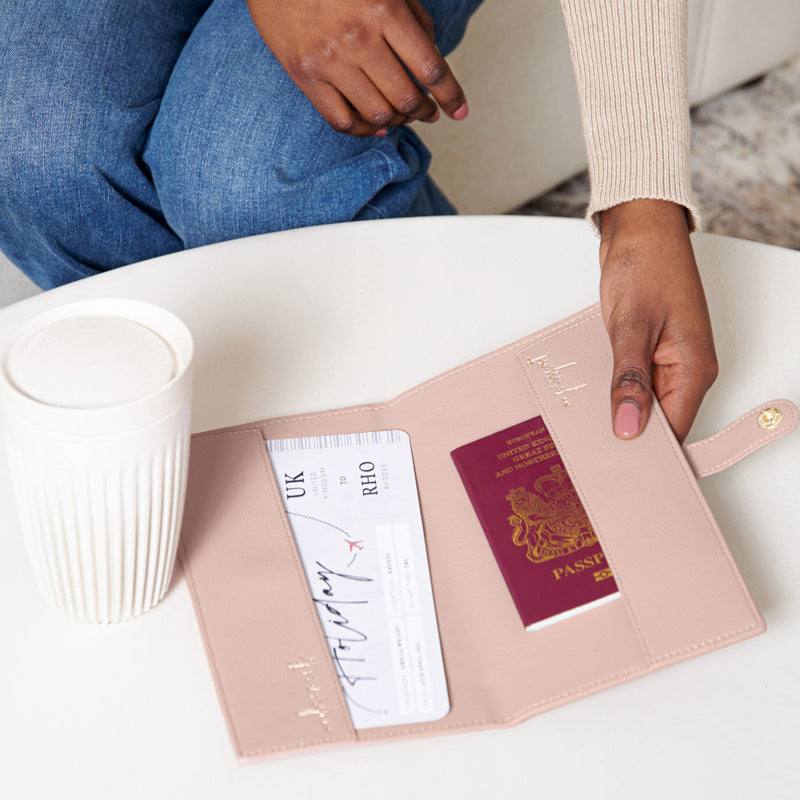
- Passport wallet
- Slim design for passport, boarding pass, and a few cards.
- Neck wallet
- Worn under clothing for maximum security on crowded streets.
- Zip-around travel wallet
- Full closure keeps coins and cards secure and weatherproof.
- Bifold or trifold travel wallet
- Familiar wallet shape with added travel pockets.
- Money belt or waist pouch
- Concealed and secure for longer stays or high-risk areas.
- Travel organizer
- Larger, for multiple passports, currencies, SIM cards, and receipts.
To master how to choose a travel wallet, match the type to your trip length and risk level.
Key Features to Look For When Choosing a Travel Wallet
How to Choose a Travel Wallet starts by checking core features. Prioritize these to get the most useful, durable product.
Security and Theft Protection
- RFID-blocking lining to help prevent digital pickpocketing.
- Strong zippers and secure snaps to stop casual snags.
- Low-profile colors and slim shapes to avoid drawing attention.
Size and Capacity
- Carry only what you need: passport, 1–3 cards, some cash, and boarding pass.
- Compact wallets fit front pockets for security; larger organizers are for checked bags or daybags.
- Test fit: put your passport and most-used card in the wallet before buying.
Organization and Accessibility
- Dedicated passport sleeve and card slots reduce fumbling.
- A quick-access pocket for boarding passes speeds through security.
- Coin pocket or zippered compartment prevents loose change from spilling.
Material and Durability
- Leather ages well but can be heavier and absorb water.
- Synthetic nylon or polyester is lightweight and dries quickly.
- Consider waterproof or water-resistant options for rainy climates.
Comfort and Wearability
- Front-pocket wallets are safer on public transit.
- Neck wallets are great for crowded markets but can be awkward on flights.
- Money belts conceal items but can be uncomfortable for long sightseeing days.
Special Travel Features
- Clear ID window for quick hotel check-ins.
- Built-in cable or tracker pockets for small tech.
- Removable inserts for modular packing.

Match Wallet to Travel Style
How to Choose a Travel Wallet depends on the trip you plan. Match the wallet to the travel style to get maximum utility.
- Backpacking and budget travel
- Lightweight, front-pocket wallet or money belt to prevent theft.
- Business travel
- Sleek passport wallet with card slots and a boarding pass pocket.
- Family travel
- Larger organizer for multiple passports, emergency cash, and receipts.
- City breaks
- Slim zip-around wallet or front-pocket card holder for quick access.
- Adventure or water-based trips
- Waterproof pouch or dry bag compatible wallet to protect documents.
Think about local risk level, expected activities, and how often you need to access items.

How to Choose a Travel Wallet: Step-by-Step Checklist
Follow this checklist to make the final decision fast and confident.
- Identify travel needs
- List what you must carry each day: passport, cards, cash, SIM, keys.
- Prioritize security
- Decide if RFID blocking or concealed carry is necessary.
- Choose size and fit
- Test how the wallet feels in pockets or under clothing.
- Check organization
- Ensure there are pockets for each item and a quick-access slot.
- Inspect materials and closures
- Look for strong stitching, good zippers, and water resistance.
- Evaluate wearability
- Try the wallet during a short walk to test comfort.
- Read real-world reviews
- Prefer reviews that mention long trips or specific issues like zippers failing.
- Set a budget and buy quality
- A reliable wallet is a small investment compared to travel replacement costs.
This clear sequence helps you learn how to choose a travel wallet without getting overwhelmed.
Common Mistakes and How to Avoid Them
People often pick the wrong travel wallet for predictable reasons. Avoid these errors.
- Choosing too big a wallet
- Bulky wallets are visible and attract attention; pick a slim option unless you need large capacity.
- Overlooking closure quality
- Cheap zippers or snaps fail; test them before travel.
- Ignoring weather protection
- A soaked passport is hard to replace; use water-resistant materials in wet climates.
- Forgetting organization
- No dedicated pockets mean lost boarding passes and slow security lines.
- Not testing for comfort
- A “secure” money belt that chafes will ruin a trip.
How to Choose a Travel Wallet includes avoiding these mistakes by testing and prioritizing features.

Personal Experience: What I've Learned About How to Choose a Travel Wallet
I once traveled for three weeks with a cheap trifold and learned the hard way. It stretched, lost cards, and a ripped seam cost me a day waiting for replacements. Since then I test wallets on weekend trips, check stitch quality, and carry a slim backup cardholder.
Lessons learned
- Carry a backup: an emergency card or hidden cash can save a day.
- Test in advance: carry the wallet for a day to check comfort and access speed.
- Simplicity wins: fewer pockets mean less chance to lose something.
These hands-on tips reflect real travel trials and help you pick a wallet that lasts.
Maintenance and Care for Travel Wallets
Simple care extends a wallet’s life. Clean, dry, and inspect regularly.
- Leather care
- Use a leather conditioner periodically and avoid prolonged sun exposure.
- Synthetic care
- Spot clean with mild soap, rinse, and air dry.
- Zipper and hardware maintenance
- Keep zippers clear of lint; a small brush can help.
- Replace when necessary
- If seams fail or the material thins, replace before a major trip.
Routine care keeps your wallet reliable and avoids mid-trip surprises.
Quick PAA Questions
What is the safest place to carry a travel wallet?
Carry it in a front pocket or concealed under clothing; avoid back pockets in crowded areas.
Should a travel wallet have RFID blocking?
RFID blocking adds a layer of protection for contactless cards; use it if you’re concerned about digital theft.
Frequently Asked Questions of How to Choose a Travel Wallet
What size travel wallet should I get?
Choose a size that holds your passport and essentials without being bulky. Smaller wallets that fit front pockets tend to be safer.
Do I need RFID protection in a travel wallet?
RFID protection helps against certain types of electronic theft, but it is not a complete security solution—combine it with good habits.
Is a money belt better than a neck wallet?
Money belts are more discreet, while neck wallets are easier to access; pick based on comfort and the security level of your destination.
How many cards should I carry in a travel wallet?
Carry only the cards you will use: one primary, one backup, and an ID. Leave extra cards in your hotel safe if possible.
Can a travel wallet be waterproof?
Some wallets have waterproof materials or zippers. For water-heavy trips, choose a waterproof option or use a dry bag.
How often should I replace my travel wallet?
Replace your wallet if stitching, zippers, or material show significant wear—typically every few years with regular travel.
Are passport holders necessary for short trips?
Not always. For short trips, a slim passport sleeve or front-pocket wallet is often enough. For frequent travel, a passport wallet adds convenience.
Conclusion
Choosing the right travel wallet boils down to matching security, size, and organization to your travel style. Test options in real life, favor durable materials, and carry a minimal, well-organized set of essentials. Use the checklist here to make a quick, confident choice and avoid common mistakes. Pick a wallet that reduces stress and speeds you through travel days—then enjoy the trip. If this guide helped, try one recommended style on a short trip and share your experience or questions below.