Last Updated on August 2, 2026
Planning a trip can be exciting, but figuring out how much money you’ll really need can feel overwhelming. You want to enjoy your adventure without worrying about overspending or running out of cash.
That’s where setting a realistic travel budget comes in. When you know exactly how to plan your expenses, you can relax and focus on making memories. You’ll discover simple steps to create a budget that fits your travel style and your wallet.
Keep reading to take control of your travel costs and make your next trip stress-free and unforgettable.

Credit: www.bizzabo.com
Estimate Trip Costs
Estimating trip costs is crucial to setting a realistic travel budget. It helps you avoid surprises and ensures your funds last throughout your adventure. Breaking down your expenses into key categories makes planning clearer and more manageable.
Transportation Expenses
Transportation often takes up a big chunk of your budget. Consider all modes of travel—from flights and trains to buses and taxis. Don’t forget to check for additional fees like baggage charges or airport transfers.
Booking tickets early can save you money. Use fare comparison websites and set alerts for price drops. Also, think about local transportation at your destination; sometimes renting a bike or using public transit is cheaper than taxis.
Accommodation Fees
Accommodation costs vary widely depending on location and type. Research hotels, hostels, vacation rentals, and even homestays to find options within your budget. Look at reviews and cancellation policies before you commit.
Try to book places that include extras like breakfast or free Wi-Fi to reduce daily expenses. I once saved a lot by choosing a guesthouse with a kitchen, allowing me to cook instead of eating out every day. What kind of lodging fits your travel style and budget best?
Daily Living Costs
Daily expenses add up quickly and can be unpredictable. Budget for meals, snacks, sightseeing, and small purchases. Checking average prices for food and activities at your destination helps you set realistic daily limits.
Plan some flexibility in your daily budget for unexpected treats or emergencies. Tracking your spending during the trip can keep you from overspending and help adjust your plans if needed. How much are you comfortable spending each day without stress?
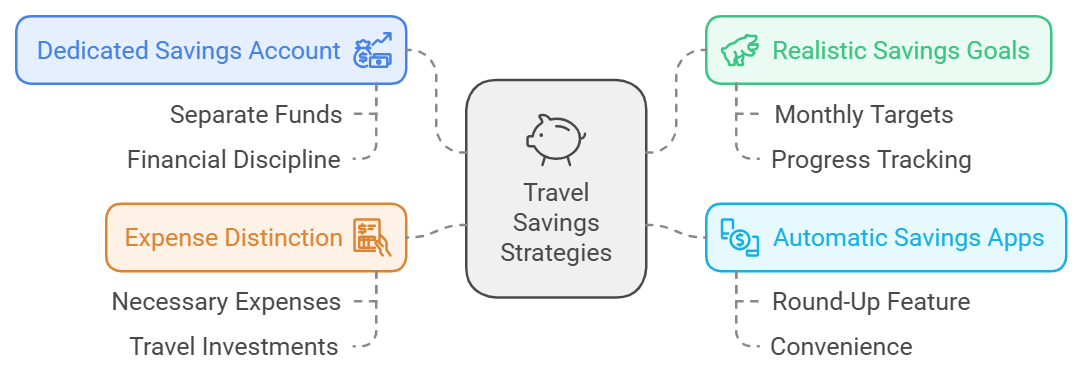
Credit: medium.com
Create A Flexible Budget
Creating a flexible travel budget means building room for change and surprises without breaking your bank. It’s about planning ahead but staying open to adjustments. This approach helps you enjoy your trip with less stress and more freedom.
Include Emergency Funds
Every travel budget should have a safety net. Set aside an emergency fund that covers unexpected situations like medical needs or last-minute flight changes. Think of it as your travel insurance in cash—ready to use when things don’t go as planned.
How much should you save? A good rule is to keep at least 10-15% of your total budget just for emergencies. This small extra can save you from major headaches and keep your trip on track.
Plan For Unexpected Expenses
Unexpected expenses can pop up anywhere: a sudden sightseeing opportunity, local events, or even a special meal you didn’t plan for. Instead of cutting fun parts out, add a buffer in your budget specifically for these surprises.
Try breaking down your budget into categories with extra amounts for each:
| Category | Planned Amount | Buffer Amount |
|---|---|---|
| Food | $300 | $50 |
| Transport | $200 | $40 |
| Activities | $150 | $30 |
Does your budget allow for these extras? If not, consider adjusting your main expenses or saving a bit more before your trip. Flexibility means you get to say “yes” to unexpected joys without guilt.
Track And Adjust Spending
Tracking and adjusting your spending helps keep your travel budget realistic. It lets you see where your money goes and spot any changes needed. This practice avoids surprises and keeps your trip enjoyable without stress.
Use Budgeting Tools
Budgeting tools help organize your travel expenses clearly. Apps and spreadsheets let you enter costs like flights, food, and activities. They show how much you spend and what is left. Many tools send alerts if you go over budget. Choose one that is easy to use and fits your style.
Review Expenses Regularly
Check your spending often during your trip planning and travel. Look at your budget every few days or weekly. Compare actual expenses to your plan. Note any differences and find reasons for them. Adjust your budget to stay on track. This helps avoid running out of money before the trip ends.

Credit: medium.com
Frequently Asked Questions
How Do I Estimate Daily Travel Expenses Accurately?
Calculate costs for food, transport, and activities per day to set a clear daily budget.
What Are The Biggest Travel Costs To Consider?
Flights, accommodation, meals, and local transport usually take the largest share of your budget.
How Can I Save Money While Budgeting For Travel?
Choose budget-friendly hotels, use public transport, and eat at local restaurants to cut costs.
Should I Include Emergency Funds In My Travel Budget?
Yes, always set aside extra money for unexpected events or emergencies during your trip.
How To Adjust My Budget If Prices Suddenly Increase?
Review your spending plan, cut non-essential expenses, and look for cheaper alternatives quickly.
Conclusion
Creating a realistic travel budget ensures stress-free adventures. Start by understanding your travel needs. Prioritize essentials like accommodation and food. Research destinations and compare costs. Consider unexpected expenses. Set aside a small emergency fund. Track your spending during the trip.
Adjust as needed. This keeps you on track. Enjoy your travels without financial worries. Remember, every journey is unique. Tailor your budget to fit your plans. Happy travels!