
Last Updated on August 9, 2026
Luggage tags are durable ID labels attached to bags to help find, identify, and protect belongings.
I’ve worked in travel gear design and used hundreds of luggage tags on trips worldwide. This guide explains what luggage tags are, why they matter, and how to pick and use them to keep your bags safe and easy to spot. Read on for clear, practical advice and real-world tips that save time and stress at the airport.

What are luggage tags?
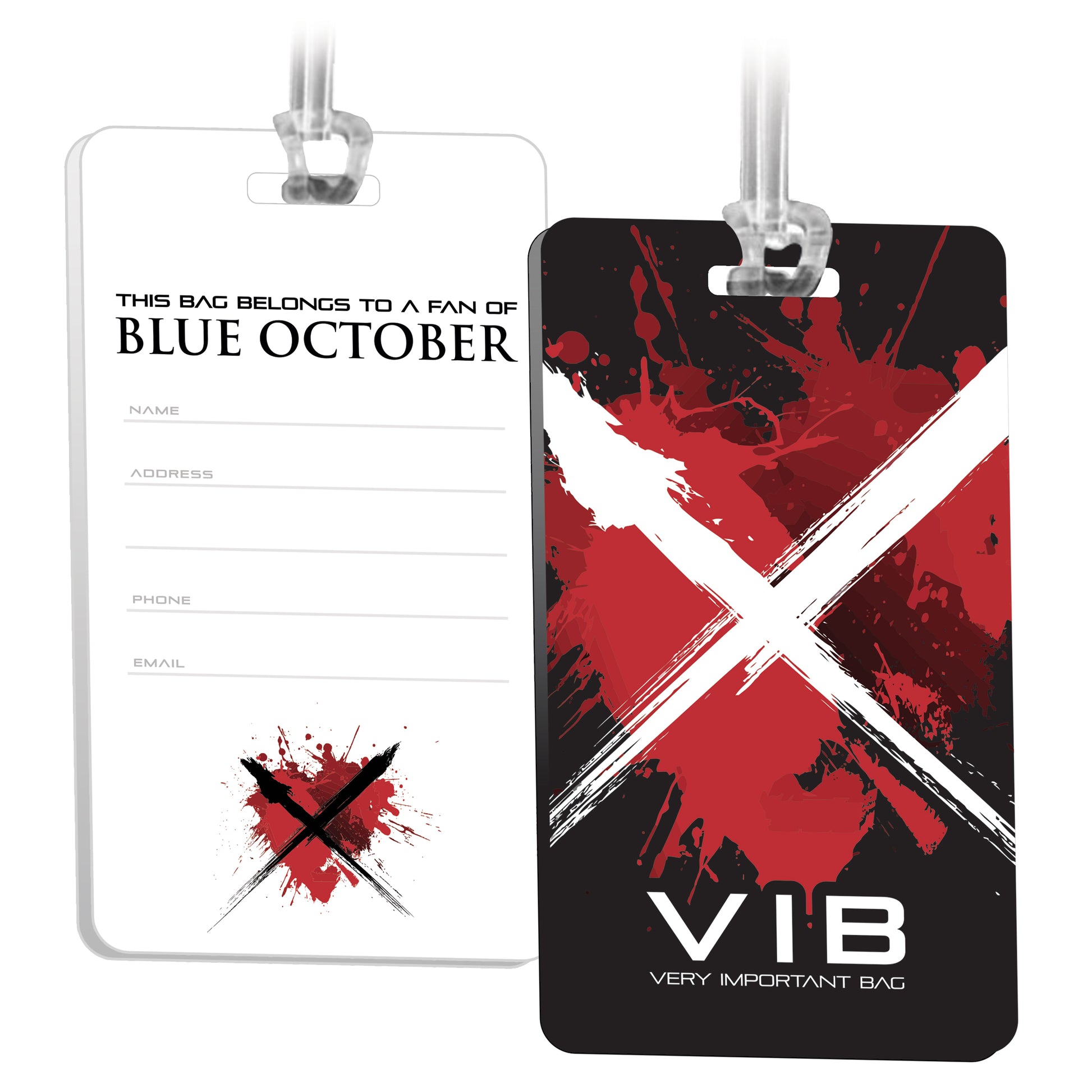
Luggage tags are small labels you attach to suitcases, backpacks, or carry-ons. They show contact details and sometimes flight or booking info. Tags come in many forms: simple paper inserts in a plastic sleeve, stitched leather tags, heavy-duty metal tags, and electronic smart tags.
A proper tag usually includes:
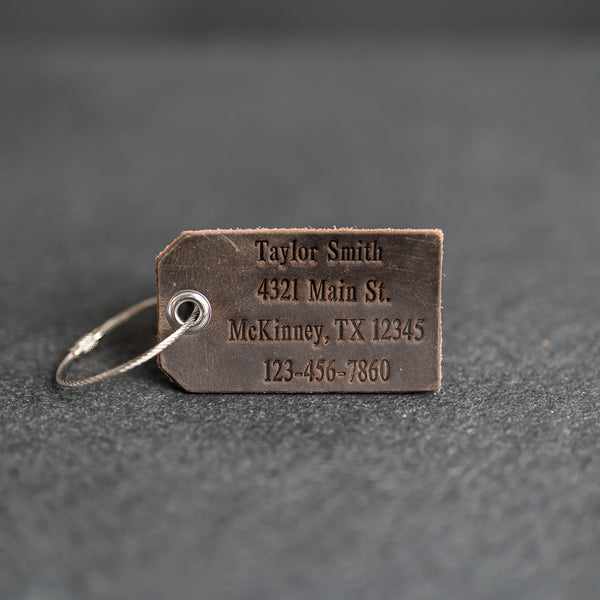
- Full name
- Phone number and email
- Home city or destination
- Optional: itinerary, frequent flyer, or emergency contact
Luggage tags do one job well: connect a bag to its owner. They are simple tools that work behind the scenes to reduce lost-bag headaches.
Types of luggage tags
Different travel styles demand different tags. Here are the common types and what they offer.
Physical tags
- Plastic sleeve with paper card — cheap and common.
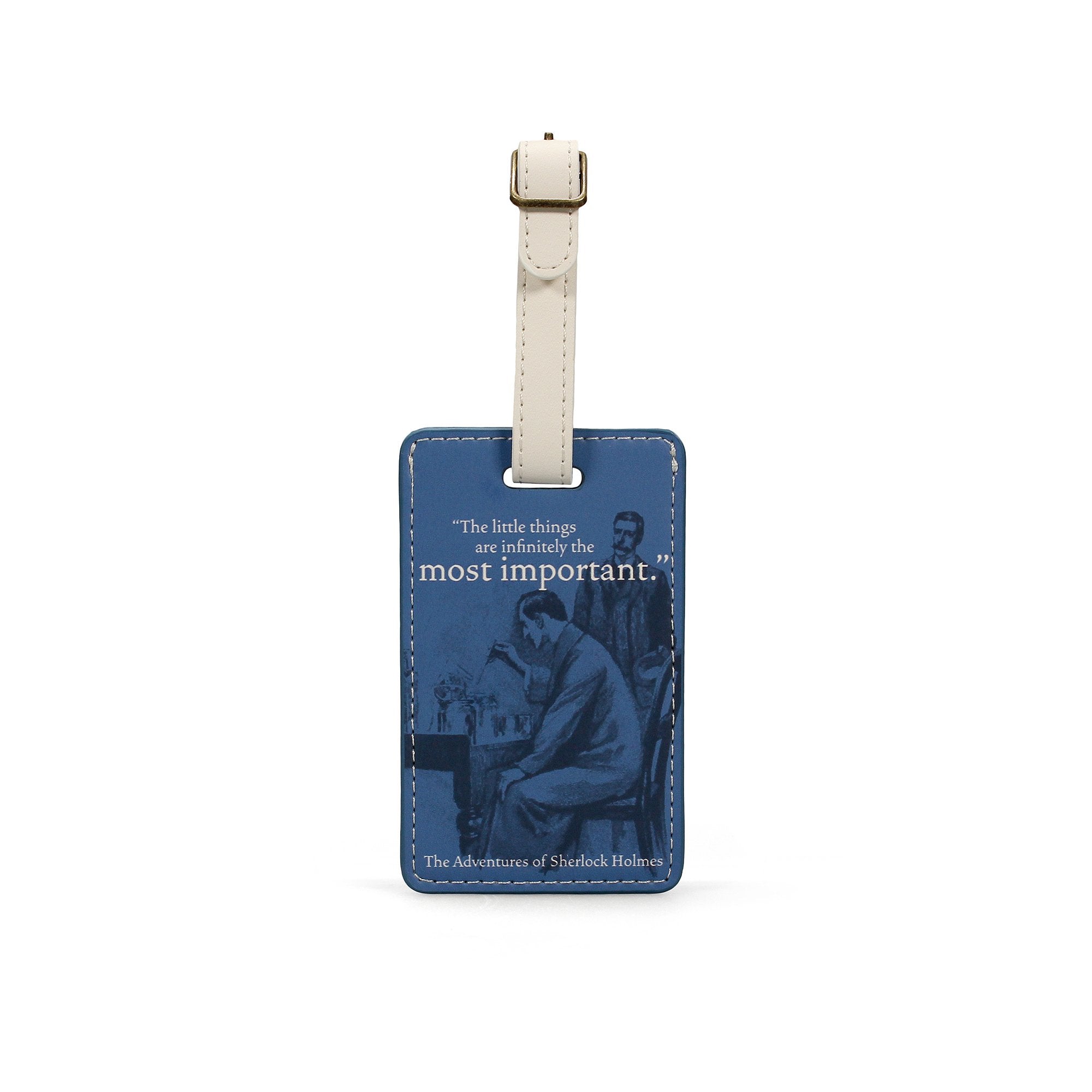
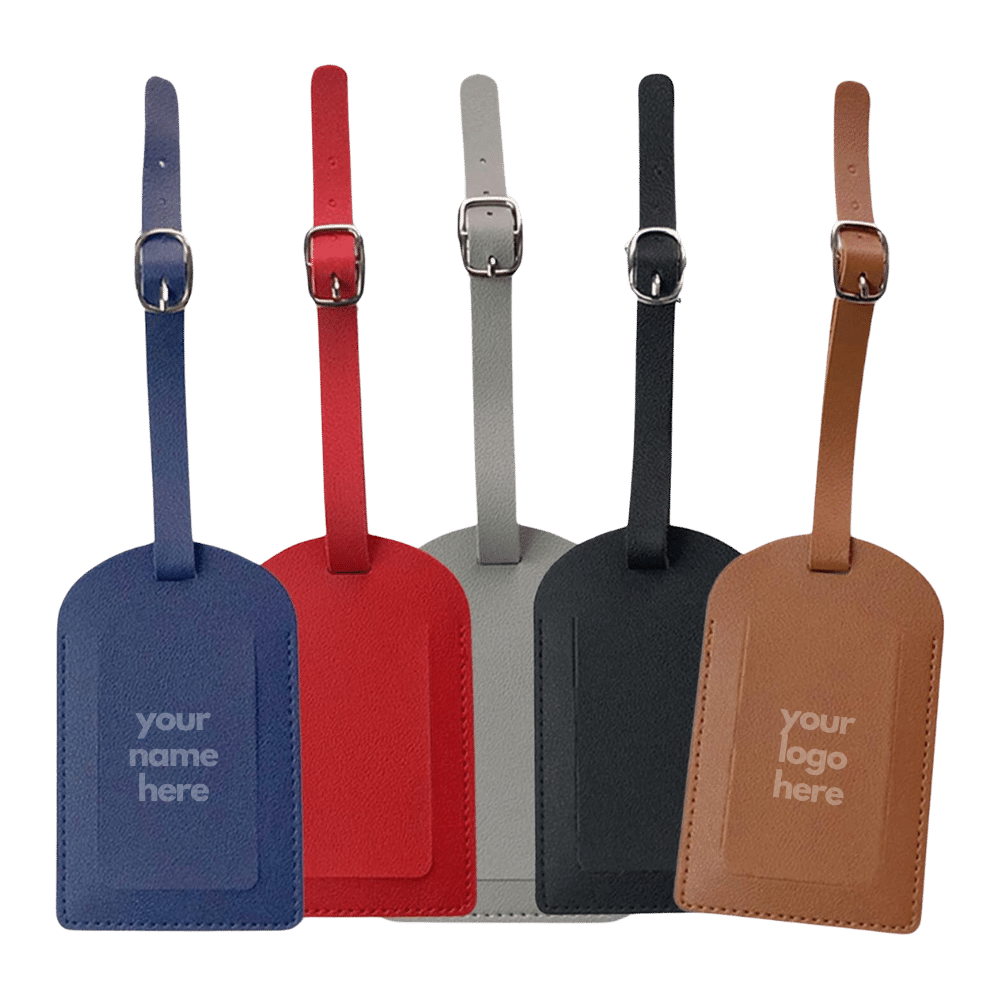
- Leather or fabric tag — durable and stylish.
- Metal tag — rugged and long-lasting.
Security-focused tags
- Privacy flap tags — hide contact details to reduce identity exposure.
- Locking strap tags — resist being pulled off.
Smart and tech tags
- Bluetooth tags — pair with your phone to track a bag nearby.
- GPS-enabled tags — offer broader tracking but need power and often a subscription.
Disposable or airline tags
- Paper tags issued by airlines at check-in — typically temporary and used only for identification in transit.
Each type has pros and cons. Match the tag to your travel pattern, frequency, and need for visibility or privacy.

Why luggage tags are important
Luggage tags help in ways that matter when travel gets messy. Here are the key reasons to use them.
Quick identification
- Tags make bags easier to spot on crowded carousels or storage areas.
- Bright or unique tags reduce the chance of someone grabbing the wrong bag.
Lost-and-found recovery
- Baggage handlers and lost-property teams rely on tags to route bags back to owners.
- Even simple tags speed up recovery compared to unmarked luggage.
Proof of ownership
- Tags can support claims when luggage is damaged or mishandled.
- Personal details help carriers match bags to passengers quickly.
Deterrence and personalization
- A clear tag lowers the chance of theft from casual opportunists.
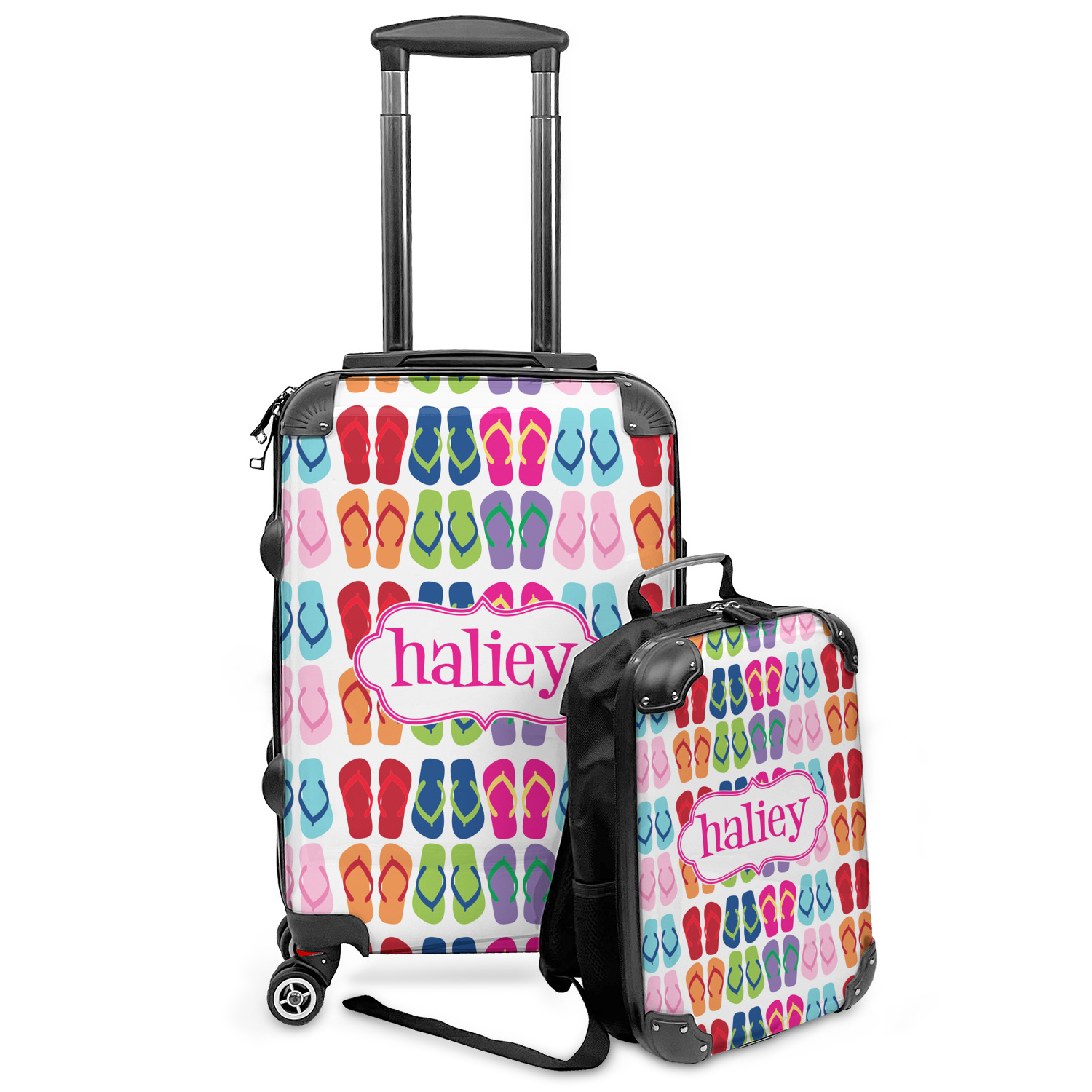
- Personalized tags let you express style and make luggage instantly recognizable.
Peace of mind
- For frequent travelers, a good tag reduces worry about lost luggage and delayed connections.
Using a tag does not guarantee 100% recovery. But it raises the odds dramatically.

How to choose the right luggage tag
Choosing a tag is simple if you think about travel needs. Use these criteria.
Durability
- Pick materials that survive bumps, rain, and conveyor belts.
- Metal or thick leather lasts longer than thin plastic.
Attachment method
- A secure strap or riveted loop is better than flimsy ties.
- Check that the strap fits your bag’s handle or trolley.
Visibility
- Bright colors or unique shapes help on carousels.
- Large text or contrasting colors increase readability.
Privacy and safety
- Consider tags with a privacy flap or the option to hide full details.
- Use a contact email instead of home address if you’re cautious.
Information format
- Use clear, legible type or a printed insert.
- Include a local phone number if traveling abroad.
Price and warranty
- Cheap tags can fail quickly. Spending a little more often pays off.
- Look for tags with replaceable inserts or a warranty.
I prefer a mid-priced leather tag with a secure strap and an internal privacy sleeve. It balances durability with discretion and looks professional on business trips.
Security and privacy: what to watch for
Luggage tags reveal personal information. Take steps to protect yourself.
Limit exposed data
- Don’t list your full home address on an external tag.
- Include city and a phone or email instead.
Use privacy features
- Choose tags with a cover or internal card slot.
- Place a second ID card inside the suitcase as backup.
Careful with tech tags
- Bluetooth trackers can help, but they can be discovered and misused if not secured.
- Use reputable brands and set good privacy controls.
In airports, a visible name and phone safely help staff reach you. But avoid adding anything that makes identity theft easier. Balance recovery needs and privacy.
How to attach and use luggage tags properly
Attaching a tag matters as much as choosing one. Follow these steps.
- Pick a stable spot
- Attach tags to the handle or a sturdy loop near the top.
- Secure the strap
- Tighten straps and fasten buckles or rivets so tags can’t slip off.
- Add internal ID
- Place a copy of your contact card inside the bag in case the external tag is lost.
- Photograph your luggage
- Take a photo of the bag and tag before you fly. It helps airline staff with claims.
- Update information
- Change phone numbers or emails before each trip if needed.
A small habit—adding an internal card—saved me time after a baggage slip-up. The airline found my bag faster because they had contact inside.

Common mistakes and limitations
Even good tags can fail if used poorly. Watch for these errors.
- Using the wrong attachment point that breaks under pressure.
- Handwriting that’s hard to read or fades in rain.
- Only relying on an external tag without internal info.
- Forgetting to remove or update info for return trips.
Also, airline-issued paper tags are temporary and can tear. Treat them as short-term ID, not a replacement for a durable personal tag.
Luggage tags, airlines, and lost baggage procedures
Luggage tags help airlines sort and return bags. Here’s how they fit into airport systems.
- Airlines scan bag tags to match luggage to flights and passengers.
- Tags assist ground staff during transfers and re-routing.
- If luggage is lost, an external tag speeds up the tracing process.
If your bag is mishandled, file a report immediately and provide photos and tag details. Keep your baggage claim number, and ask for a reference. Tags reduce the time to resolution and increase the chance of a quick return.
My experience and practical tips
From years of travel, I learned small habits matter.
- Use two tags: one visible outside and a duplicate inside.
- Bright or unique tags reduce carousel mix-ups.
- Replace fragile tags yearly if you travel often.
- Test any tech tag before a long trip to ensure battery and connectivity.
Once, my checked bag went to the wrong city. A clear external tag and an inside card helped the airline route it back within 48 hours. That experience taught me to always carry a photo of my luggage and use dependable tags.
Related concepts and alternatives
There are other ways to keep track of luggage that work with or instead of tags.
- Luggage straps with ID panels
- Suitcase labels printed with personal info
- Smart suitcases with built-in tracking
- Temporary airline-issued tags
Each option has trade-offs for cost, convenience, and privacy. Combine methods for the best protection.
Frequently Asked Questions of What Are Luggage Tags and Why Are They Important?
What information should I put on a luggage tag?
Include your full name, a reachable phone number, and an email. You can add a city or destination instead of a full home address to protect privacy.
Do luggage tags really help recover lost luggage?
Yes. Clear identification speeds up the process and increases the chance that airlines and lost-and-found services return your bag quickly.
Are smart luggage tags worth the money?
Smart tags help find nearby bags and alert you to movement, but they need batteries and setup. They can be worth it for frequent travelers who want extra tracking.
Can luggage tags be stolen or removed?
Tags can be pulled off if not secured properly. Use strong straps, locking loops, or riveted attachments to reduce the risk.
Should I put my full address on a luggage tag?
It’s safer not to. Use a city and phone number or email instead, and keep a full address on an internal card inside the bag.
Conclusion
Luggage tags are small but powerful tools. They increase the chance of finding a lost bag, speed up airline handling, and reduce stress at the airport. Choose a durable tag, protect your privacy, and use a backup internal ID to maximize effectiveness. Try adding a bright, secure tag to your bag before your next trip and take a quick photo of it—those two simple steps can save hours of worry later. Share your travel tag tips below or subscribe for more practical travel gear advice.