Last Updated on August 24, 2026
Traveling is exciting, but nothing ruins a trip faster than food poisoning. You don’t want to spend your vacation feeling sick, stuck in a hotel room, or worse—at a hospital.
The good news? You can protect yourself with a few simple steps. You’ll discover easy and effective ways to keep your meals safe, no matter where you go. Keep reading to learn how to enjoy your food without worry and make the most of every moment on your trip.

Credit: puntamitahospital.com
Safe Food Choices
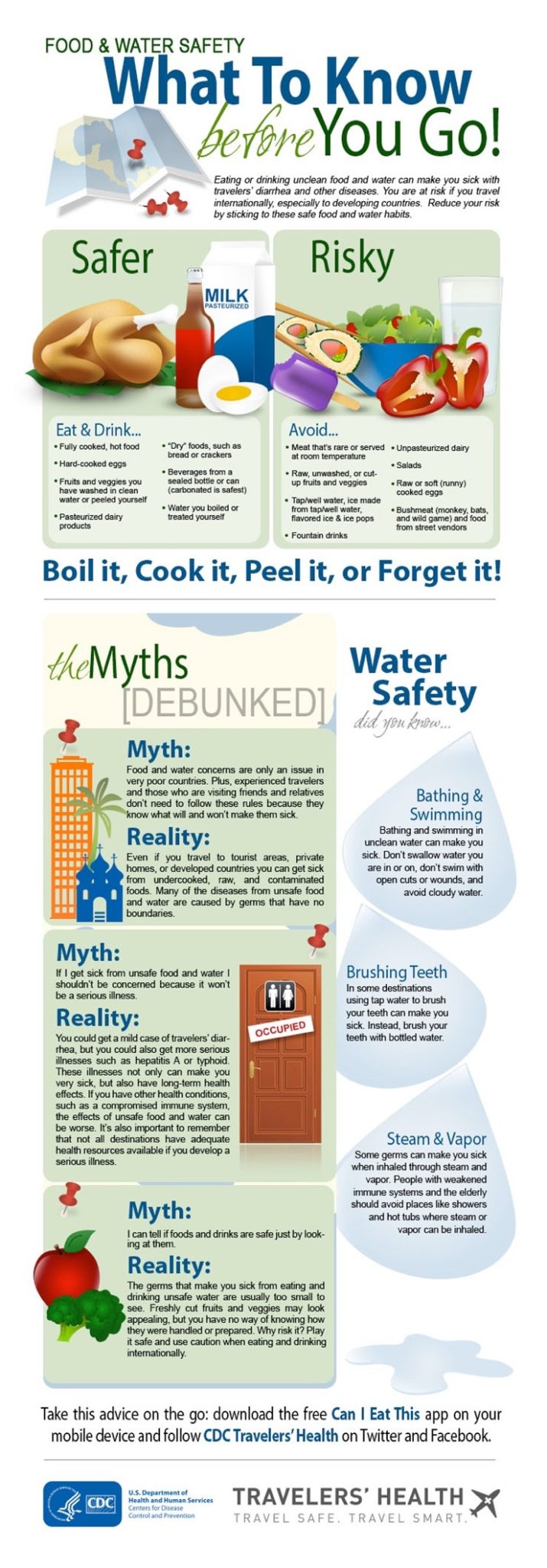
Choosing safe foods while traveling helps keep you healthy. Careful food choices lower the risk of food poisoning. Pay attention to where and what you eat. Simple steps make a big difference in avoiding stomach issues.
Selecting Reputable Eateries
Pick places that look clean and busy. Crowded spots often mean fresh food. Check if the restaurant has good hygiene ratings. Avoid street vendors with poor cleanliness. Trusted eateries use fresh ingredients and proper cooking methods.
Avoiding Risky Foods
Skip raw or undercooked meat and seafood. Avoid unwashed fruits and vegetables. Eat fruits you can peel yourself, like bananas. Stay away from dairy products that are not pasteurized. Choose hot, fully cooked meals over cold dishes.
Choosing Bottled Water
Drink only sealed bottled water. Avoid tap water and ice cubes. Use bottled water for brushing teeth too. Check the seal before buying to ensure safety. Safe water prevents many common travel illnesses.

Credit: foodready.ai
Food Handling Tips
Handling food safely is key to avoiding food poisoning while traveling. Careful food handling stops germs from spreading. This keeps your meals safe and your body healthy. Follow these simple tips to protect yourself.
Washing Hands And Utensils
Wash your hands before eating or preparing food. Use soap and clean water. Rub your hands for at least 20 seconds. Clean utensils before each use. Avoid touching food with dirty hands or tools. This lowers the risk of contamination.
Storing Leftovers Properly
Keep leftovers in clean, airtight containers. Store them in a cool place or refrigerator. Eat leftovers within two days. Reheat food until it is hot all the way through. Proper storage stops bacteria from growing.
Using Sanitizers And Disinfectants
Use hand sanitizers if soap and water are unavailable. Choose sanitizers with at least 60% alcohol. Wipe down surfaces and utensils with disinfectants. This kills germs that cause illness. Carry small bottles of sanitizer for travel convenience.
Recognizing Symptoms
Recognizing the symptoms of food poisoning early helps you act quickly. Knowing what to watch for can protect your health. This knowledge is crucial while traveling, where medical help might be far away. Read on to understand common signs, when to get help, and steps to take after exposure.
Common Signs Of Food Poisoning
Stomach pain and cramps often come first. Nausea and vomiting may follow soon after eating. Diarrhea can be frequent and watery. Fever and chills might also appear. Feeling weak or tired is common. Symptoms usually start within hours or days.
When To Seek Medical Help
Seek help if vomiting lasts more than two days. Blood in stool needs urgent care. High fever above 101.5°F (38.6°C) is a warning. Severe dehydration signs include dizziness or dry mouth. If symptoms worsen quickly, visit a doctor immediately. Children, elderly, and pregnant women need faster attention.
Preventive Measures After Exposure
Drink plenty of water to avoid dehydration. Rest as much as you can. Avoid solid foods until vomiting stops. Use oral rehydration solutions if possible. Avoid medicines that slow diarrhea unless advised. Keep hands clean to stop spread. Monitor symptoms to catch changes early.
Credit: businesstravellife.com
Frequently Asked Questions
What Foods Should I Avoid To Prevent Food Poisoning While Traveling?
Avoid raw or undercooked meats, seafood, and eggs. Stay away from unpasteurized dairy products and street food with poor hygiene.
How Can I Keep My Hands Clean During Travel?
Wash hands with soap and water often. Use hand sanitizer when water is not available to reduce germs.
Is It Safe To Drink Tap Water In Other Countries?
Tap water safety varies by country. Drink bottled or boiled water to avoid waterborne illnesses.
What Are Signs Of Food Poisoning To Watch For?
Look for nausea, vomiting, diarrhea, stomach cramps, and fever. Seek medical help if symptoms are severe or last long.
How Can I Store Food Safely While Traveling?
Keep perishable foods cold in a cooler or refrigerator. Eat leftovers quickly and avoid food left out too long.
Conclusion
Traveling should be fun and safe. Choose clean places to eat. Always wash your hands before meals. Drink bottled or boiled water only. Avoid raw or undercooked foods. Stay alert to how food looks and smells. These small steps help keep sickness away.
Enjoy your trip with peace of mind. Stay healthy and travel smart.