Last Updated on August 24, 2026
Imagine you’re far from home, enjoying your trip, when suddenly a medical emergency strikes. What do you do?
Knowing how to handle medical emergencies while traveling can make all the difference between panic and quick action. This guide is here to help you stay calm, prepared, and confident no matter where you are. Keep reading to learn simple yet powerful steps you can take to protect yourself and your loved ones during unexpected health crises on the road.
Your safety is worth it.
Credit: www.theworldwanderers.com
Prepare Before Your Trip
Preparing before your trip reduces stress during a medical emergency. Planning ahead helps you stay safe and healthy abroad. Taking simple steps can make a big difference in an emergency.
Research Local Healthcare Facilities
Find nearby hospitals and clinics at your destination. Know their locations and operating hours. Check if they accept your travel insurance. Save emergency phone numbers on your phone. This knowledge helps you act fast if needed.
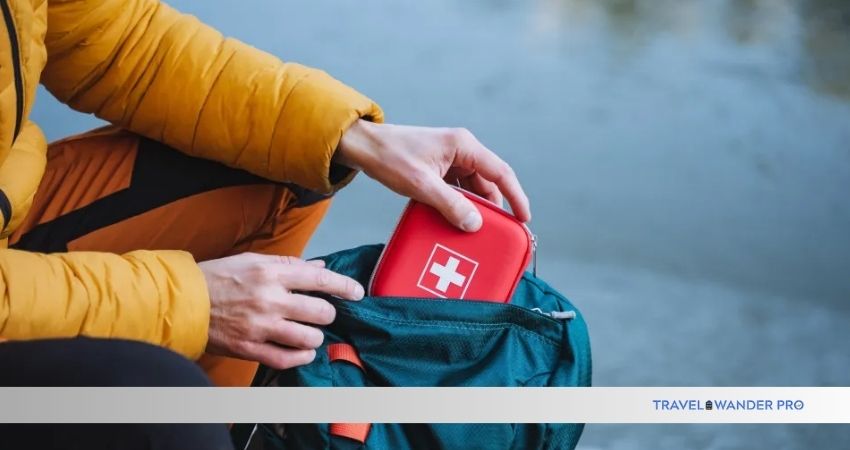
Pack A Medical Kit
Include basic supplies like bandages, pain relievers, and antiseptics. Add any personal medications with enough doses for the trip. Pack a thermometer and allergy medicine if necessary. Keep the kit in an easy-to-reach bag. A well-stocked kit helps treat minor injuries immediately.
Share Travel Plans With Family
Tell someone you trust your travel details. Share your itinerary, accommodation, and contact numbers. Update them if your plans change. This allows them to assist or alert help if something goes wrong. Someone aware of your trip adds an extra safety layer.

Credit: news.va.gov
Recognize Common Medical Emergencies
Travel brings joy and new experiences but can also bring health risks. Recognizing common medical emergencies helps you act fast. Quick action can prevent serious problems. Learn to spot early signs of common emergencies to stay safe on your trip.
Signs Of Dehydration And Heatstroke
Dehydration happens when the body loses too much water. Common signs include dry mouth, dizziness, and dark urine. Feeling very thirsty or weak also signals dehydration. Heatstroke is severe and needs urgent care. Look for hot, dry skin and confusion. Rapid heartbeat and headache are warning signs too. Move to shade and cool down immediately.
Handling Allergic Reactions
Allergic reactions can be mild or life-threatening. Watch for hives, swelling, or itching. Trouble breathing or swallowing means a serious reaction. These signs need emergency help right away. Use an epinephrine injector if available. Keep calm and call for medical support. Avoid the allergen to stop the reaction from worsening.
Dealing With Injuries And Fractures
Injuries like cuts, bruises, and broken bones are common while traveling. Check for pain, swelling, or deformity in limbs. Stop any bleeding with clean cloth or bandage. Avoid moving the injured area if you suspect a fracture. Seek medical help quickly. Immobilize the limb with a splint or padding if you know how. Stay calm and keep the injured person comfortable.
Respond Effectively During Emergencies
Reacting quickly and clearly during a medical emergency can save lives. Staying calm helps you make smart choices. Knowing what to do keeps the situation under control. The right steps reduce stress for everyone involved.
Preparation and clear action are key to handling emergencies while traveling. Focus on immediate needs and seek help fast. Every second counts in a medical crisis abroad.
Contacting Emergency Services Abroad
Know the local emergency number before you travel. It varies by country. Use a phone or ask someone nearby to call. Speak slowly and clearly. State your location and the problem. Provide your exact address or landmarks. Stay on the line until help arrives. Save the number in your phone for quick access.
Administering First Aid
Learn basic first aid before your trip. Stop bleeding by applying pressure. Use clean cloth or bandages if available. Keep the injured person calm and still. Check their breathing and pulse. Do not move them if you suspect a serious injury. Help with CPR only if trained. Use your first aid kit for wounds or burns.
Managing Language Barriers
Carry a translation app or phrasebook. Learn key emergency words in the local language. Show written symptoms or medical conditions if you cannot speak well. Use gestures and facial expressions to explain. Ask for help from locals or hotel staff. Keep important medical documents handy. Clear communication speeds up treatment.
Credit: www.momentdental.com
Frequently Asked Questions
What Essential Items Should I Pack For Medical Emergencies While Traveling?
Carry a basic first-aid kit with bandages, pain relievers, antiseptic wipes, and any personal medications. Include a copy of your prescriptions and emergency contact numbers.
How Can I Find Medical Help Quickly In A Foreign Country?
Use your smartphone to search for nearby hospitals or clinics. Ask locals or hotel staff for trusted medical facilities.
Should I Buy Travel Insurance For Medical Emergencies?
Travel insurance can cover unexpected medical costs and hospital stays. It offers financial protection and peace of mind during your trip.
What Steps Should I Take If Someone Has A Medical Emergency While Traveling?
Stay calm and call local emergency services immediately. Provide clear information about the location and nature of the emergency.
How Do I Communicate Medical Needs In A Country With A Language Barrier?
Carry a card with key medical information in the local language. Use translation apps or ask a bilingual person for help.
Conclusion
Handling medical emergencies while traveling requires quick thinking and preparation. Always keep important medical information handy. Know the local emergency numbers before you travel. Carry a basic first aid kit and any needed medications. Stay calm and seek help immediately if something happens.
Being ready can protect your health and safety abroad. Travel smart, stay safe, and enjoy your trip with peace of mind.