Last Updated on August 24, 2026
You’re excited about your trip, but the thought of feeling tired and out of sync after a long flight is already wearing you down. Jet lag can turn your adventure into a struggle, leaving you drained and unable to enjoy your time.
But what if you could arrive feeling refreshed and ready to go? You’ll discover simple, effective ways to avoid jet lag during long flights. These tips are easy to follow and designed to help your body adjust faster, so you can make the most of every moment after you land.
Keep reading to learn how to take control of your travel experience and say goodbye to jet lag for good.
Credit: www.zzzquil.com
Pre-flight Preparation
Preparing before a long flight helps reduce jet lag. Planning ahead can make your trip smoother and more comfortable. Small steps before you fly can improve how you feel after landing.
Adjusting Your Sleep Schedule
Start changing your sleep time a few days before your trip. Go to bed and wake up one hour earlier or later, based on your destination. This helps your body get used to the new time zone. Try to get good rest each night during this adjustment.
Choosing The Right Flight Time
Pick a flight that matches your sleep pattern if possible. Night flights allow you to sleep on the plane. Daytime flights may help you stay awake and adjust faster. Think about your arrival time and how it fits with your new schedule.
Packing Essentials For Comfort
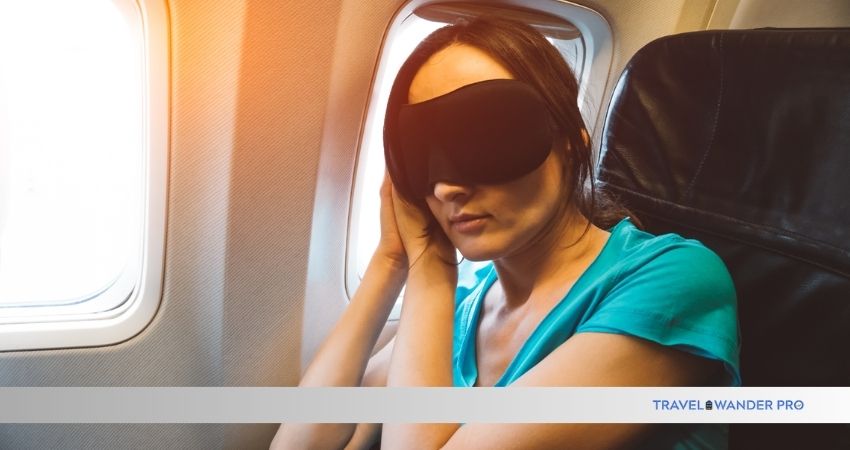
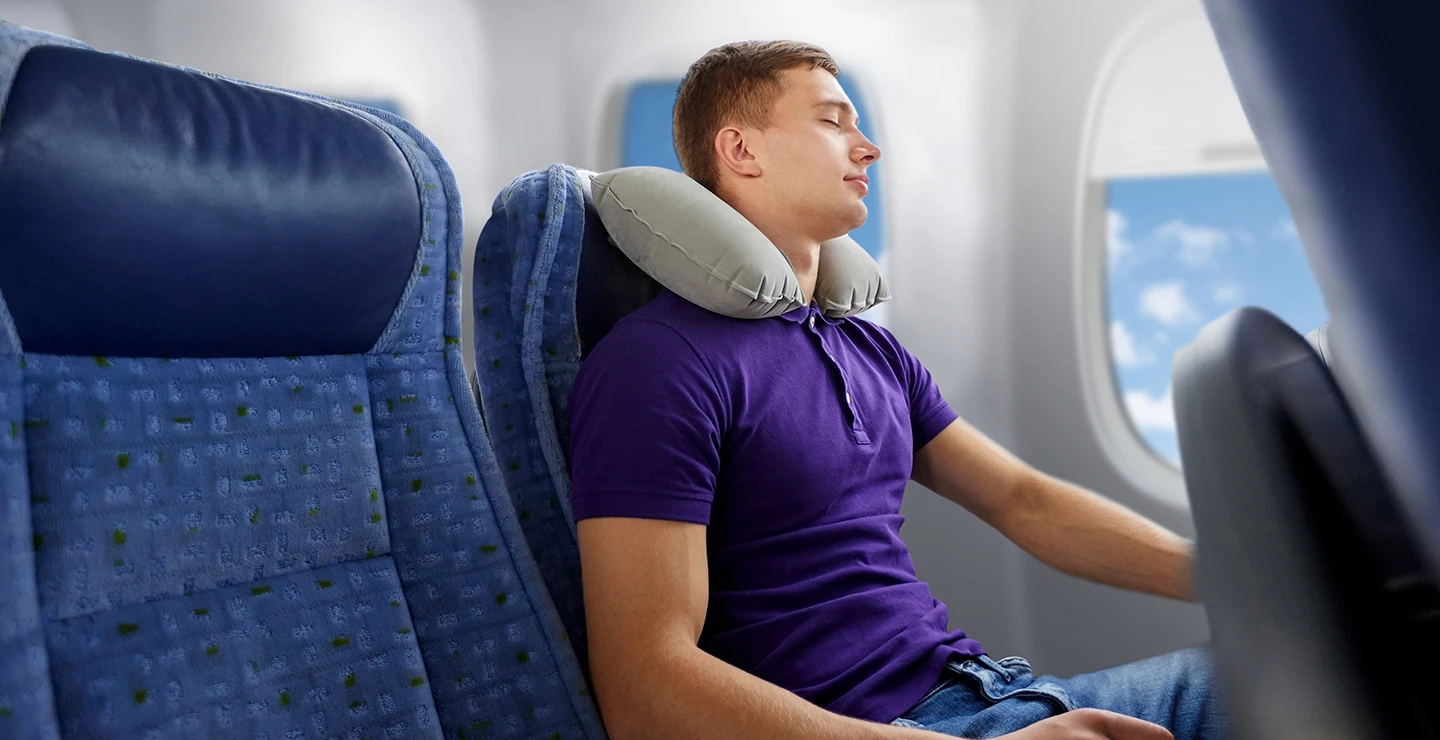
Bring items that help you relax during the flight. A neck pillow supports your head and neck. Earplugs and an eye mask block noise and light. Wear loose, comfortable clothes. These small comforts help you rest better on the plane.

Credit: blog.turkishairlines.com
In-flight Strategies
Long flights can make jet lag worse, but smart choices during the flight help. In-flight strategies focus on keeping your body balanced and ready for the new time zone. Small habits on the plane make a big difference.
Staying Hydrated
Airplane cabins are very dry. This makes your body lose water fast. Drink water often to stay hydrated. Avoid alcohol and caffeine; they dry you out more. Carry a water bottle and fill it after security. Staying hydrated helps your body adjust easier.
Managing Sleep On The Plane
Try to sleep according to your destination’s time. Use a neck pillow and eye mask to block noise and light. Avoid bright screens before sleeping. Short naps help if you cannot sleep long. Resting well reduces tiredness after landing.
Moving And Stretching Regularly
Staying still can cause stiffness and discomfort. Stand up and walk the aisle every hour. Stretch your legs, arms, and back in your seat. Moving helps blood flow and lowers swelling. It also keeps you alert during the flight.
Post-flight Recovery
After a long flight, your body needs time to recover. This phase is crucial to fight jet lag. Restoring your natural rhythm helps you enjoy your trip more. Focus on smart habits that support your body’s adjustment.
Adapting To The New Time Zone
Set your watch to the local time right after landing. Try to follow the new schedule for sleeping and eating. Avoid naps longer than 30 minutes during the day. Gradually shift your activities to match the local time. This helps reset your internal clock quickly.
Light Exposure And Activity
Spend time outside in natural light during the day. Morning sunlight helps you wake up and stay alert. Evening light exposure should be limited to help you sleep at night. Light affects your body’s sleep hormones. Light exercise like walking can improve blood flow and reduce tiredness.
Healthy Eating And Rest
Eat light, balanced meals to avoid digestive discomfort. Drink plenty of water to stay hydrated. Avoid caffeine and heavy meals close to bedtime. Create a calm, dark environment for sleep. Use earplugs or eye masks if needed. Quality rest supports your recovery and energy levels.

Credit: www.qantas.com
Frequently Asked Questions
What Are The Best Tips To Prevent Jet Lag On Long Flights?
Stay hydrated, adjust your sleep schedule before flying, and avoid alcohol. Try to sleep on the plane if it matches your destination’s night time. Move around during the flight to keep your blood flowing.
How Does Adjusting Your Watch Help Reduce Jet Lag?
Changing your watch to the destination’s time helps your mind adapt faster. It reminds you when to eat and sleep according to the new time zone. This simple trick can ease the time shift in your body.
Can Light Exposure Improve Jet Lag Symptoms?
Yes, light helps reset your internal body clock. Spend time outside in natural sunlight after arrival. Avoid bright screens before bedtime to help your body relax.
Should I Sleep Or Stay Awake During A Long Flight?
Try to sleep if it is nighttime at your destination. Stay awake if it is daytime there to adjust faster. Listening to your body’s signals is key.
What Foods Or Drinks Help Avoid Jet Lag?
Drink plenty of water to stay hydrated and avoid caffeine or alcohol. Eat light meals rich in protein and avoid heavy foods. Healthy snacks help maintain energy without upsetting your stomach.
Conclusion
Avoiding jet lag helps you enjoy your trip more. Plan your sleep and meals to match your destination. Stay hydrated and move during the flight to feel better. Use light exposure to reset your body clock. Small changes make a big difference in how you feel.
Travel smarter, not harder. Your body will thank you for it. Safe travels and enjoy every moment of your journey!