Last Updated on August 24, 2026
Traveling during health crises can feel risky and overwhelming. You want to explore new places, but safety is your top priority.
What if you don’t know how to protect yourself and your loved ones? What if a simple mistake could lead to serious health issues? This guide will show you clear, easy steps to keep you safe while still enjoying your trip.
By the end, you’ll feel confident and prepared to travel without unnecessary worry. Ready to discover how to make your next journey both exciting and secure? Keep reading.

Credit: www.portland.gov
Pre-trip Health Preparations
Preparing your health before a trip is crucial during health crises. Taking simple steps can protect you and others. These preparations help reduce risks and make travel safer. Focus on key actions before you leave home.
Check Travel Advisories
Check official travel advisories from trusted sources. Learn about current health risks at your destination. Follow guidelines and warnings carefully. Adjust your plans based on the latest updates. Avoid areas with high health risks if possible.
Get Vaccinations And Medications
Visit your doctor to get required vaccinations. Some vaccines protect against local diseases. Ask about preventive medicines to carry with you. Start vaccinations early to allow time for immunity. Keep a record of all your vaccines handy.
Pack Essential Health Supplies
Bring masks, hand sanitizers, and disinfectant wipes. Pack enough supplies for the entire trip. Carry any personal medications in their original containers. Include a basic first aid kit with bandages and pain relievers. Prepare to stay clean and healthy on the go.
Safety Practices While Traveling
Traveling during health crises requires careful attention to safety. Following good practices helps protect you and others. Staying safe is about simple habits you can do every day.
Maintain Hygiene And Sanitation
Wash your hands often with soap and water. Use hand sanitizer when soap is not available. Avoid touching your face, especially eyes, nose, and mouth. Clean your phone, keys, and other items regularly. Carry disinfectant wipes to clean surfaces before use.
Follow Social Distancing Guidelines
Keep a safe distance from others in crowded places. Stay at least six feet away from people not in your group. Avoid busy areas and peak travel times. Respect signs and barriers set up for distancing. Choose open-air spaces for breaks and meals.
Use Protective Gear Properly
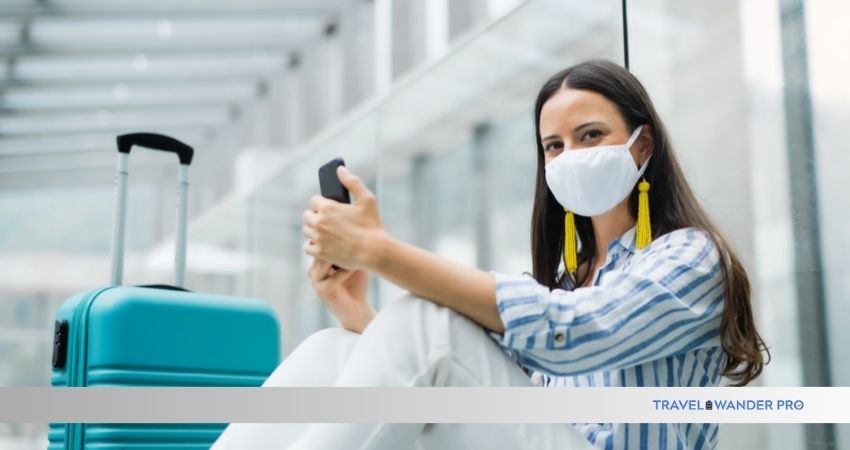
Wear masks that cover your nose and mouth fully. Use masks in crowded or indoor spaces. Replace masks if they become damp or dirty. Handle masks only by the ear loops or ties. Dispose of single-use masks safely after use.
Managing Health Emergencies Abroad
Travel plans can change fast during health crises. Staying informed and prepared helps protect your well-being abroad. Carry essential supplies and know local health resources for safe travel.
Know Local Healthcare Options
Research healthcare facilities near your destination before traveling. Find hospitals, clinics, and pharmacies with good reviews. Check if they speak English or offer translator services. Know the location and emergency numbers of these places. This helps in quick action during health issues abroad.
Have Emergency Contacts Ready
Save important phone numbers on your phone and on paper. Include local emergency services, your country’s embassy, and nearby hospitals. Add contacts of family or friends who can assist you remotely. Having these numbers handy saves time and reduces stress during emergencies.
Use Travel Insurance Effectively
Choose travel insurance that covers health emergencies and medical evacuation. Keep a copy of your insurance policy and emergency hotline with you. Understand the claim process and what expenses are covered. Contact your insurer immediately if you need medical help abroad.

Credit: ruralhealth.utah.gov
Credit: reproductiverights.org
Frequently Asked Questions
How Can I Protect Myself While Traveling During A Health Crisis?
Wear a mask in crowded places and wash hands often. Keep hand sanitizer handy. Avoid close contact with sick people.
What Are The Best Travel Destinations During Health Emergencies?
Choose less crowded, open-air locations with good medical facilities. Avoid places with high infection rates or poor hygiene.
How Do I Prepare My Travel Documents For Health Checks?
Carry vaccination proof and recent health test results. Check the destination’s entry requirements before you leave.
What Should I Pack To Stay Safe On Trips?
Bring masks, hand sanitizer, disinfectant wipes, and any needed medicines. Pack a small first-aid kit for emergencies.
How Do I Handle Symptoms If I Get Sick While Traveling?
Seek medical help right away and isolate yourself. Inform your travel companions and follow local health guidelines.
Conclusion
Traveling safely during health crises takes careful planning and smart choices. Stay informed about your destination’s health rules and follow them closely. Carry essential supplies like masks and hand sanitizer at all times. Keep a safe distance from others and avoid crowded places when possible.
Listen to your body and seek help if you feel unwell. These simple steps help protect you and others. Stay calm, stay safe, and enjoy your trip with peace of mind. Safe travels start with good habits and common sense.