
Last Updated on August 24, 2026
Traveling can be exciting, but it also comes with some health risks you might not expect. Knowing what these risks are can protect you from unpleasant surprises and keep your trip safe and enjoyable.
Are you aware of the common travel health dangers that could affect you? From food and water issues to insect bites and jet lag, understanding these risks helps you stay prepared. Keep reading to learn how to spot these hazards and what steps you can take to protect your health wherever you go.
Your next trip could be safer and more fun than ever before.
Credit: health.hawaii.gov
Infectious Diseases
Infectious diseases are a common risk when traveling to different places. These illnesses spread from one person or source to another. Travelers may face these diseases due to changes in environment, hygiene, or exposure to new germs. Understanding these risks helps travelers stay safe and healthy.
Waterborne Illnesses
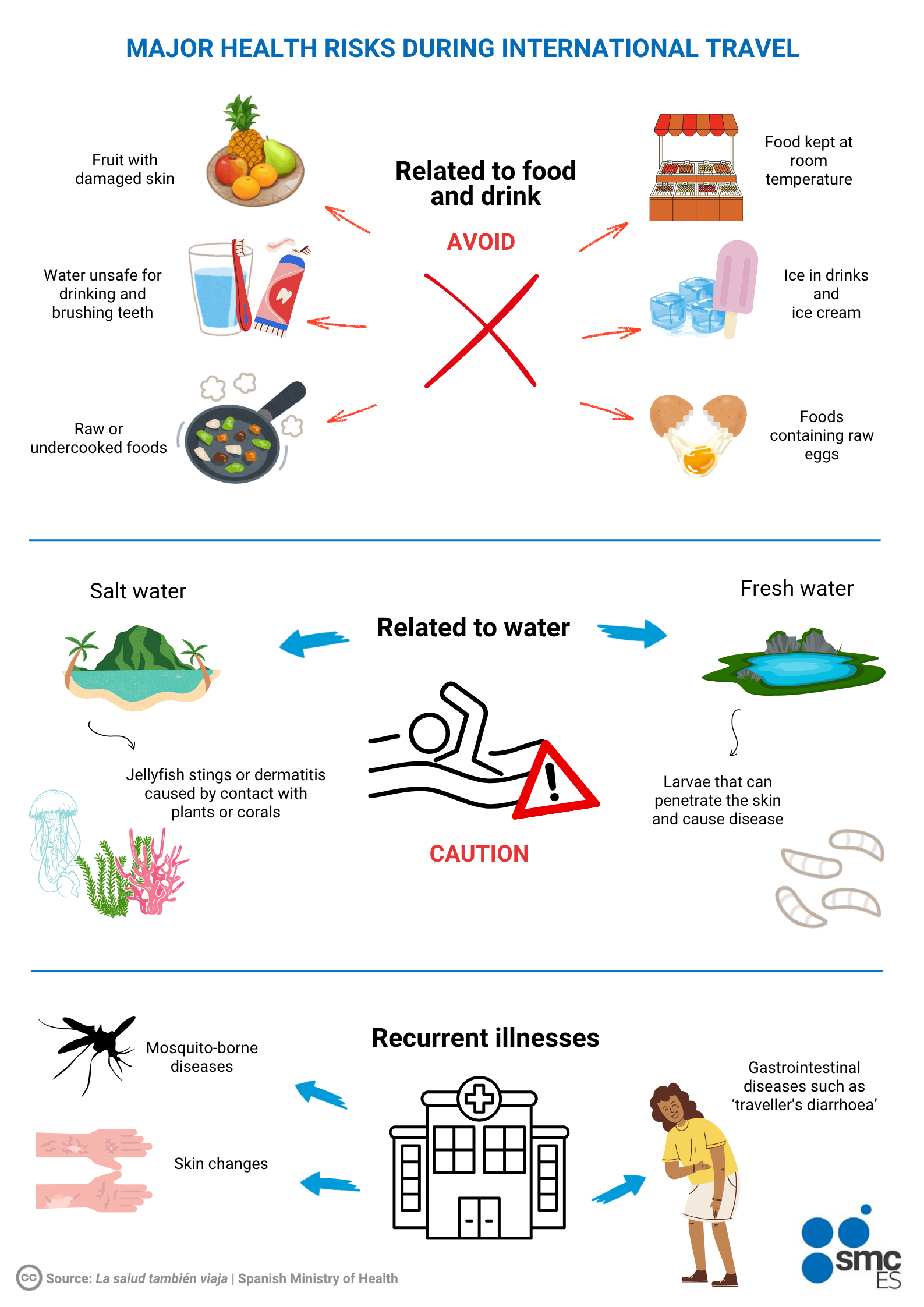
Waterborne illnesses come from drinking or using unsafe water. Contaminated water may carry bacteria, viruses, or parasites. Common examples include cholera, giardiasis, and hepatitis A. Symptoms often include diarrhea, stomach pain, and vomiting. Avoid drinking tap water or using ice made from it. Always choose bottled or boiled water for drinking and brushing teeth.
Vector-borne Diseases
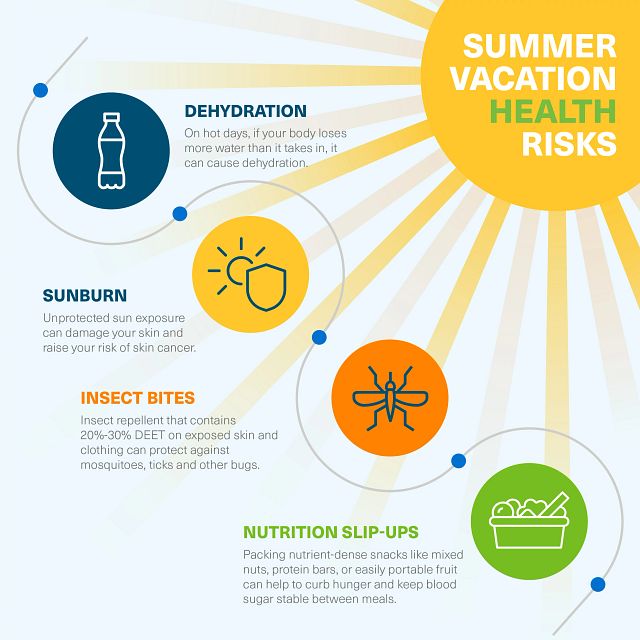
Vector-borne diseases spread through insects like mosquitoes, ticks, and fleas. These bugs carry harmful germs without showing symptoms. Diseases such as malaria, dengue fever, and Lyme disease are common examples. Protect yourself by using insect repellent and wearing long sleeves. Sleeping under mosquito nets also reduces the risk of bites.
Respiratory Infections
Respiratory infections spread through coughing, sneezing, or close contact. Travelers may catch colds, flu, or more serious infections like tuberculosis. Crowded places increase the chance of catching these illnesses. Wearing masks and washing hands often helps lower the risk. Avoid close contact with sick people to stay healthy.
Credit: sciencemediacentre.es
Travel-related Injuries
Travel-related injuries are common and can affect any traveler. They often happen due to unfamiliar environments or risky activities. Understanding these risks helps you stay safe and enjoy your trip.
Traffic Accidents
Traffic accidents are a major cause of injuries abroad. Roads may have different rules and conditions. Drivers might not always follow traffic laws. Watch carefully when crossing streets or driving. Use seat belts and helmets for protection. Avoid night travel in unfamiliar areas to reduce risk.
Outdoor Activity Risks
Outdoor activities like hiking, swimming, or biking carry injury risks. Trails can be slippery or uneven. Water activities may lead to drowning or cuts. Always use proper gear and follow safety instructions. Avoid risky spots and check weather conditions before starting.
Food And Water Safety
Eating unsafe food or drinking contaminated water can cause illness. Stomach problems are common travel injuries. Drink bottled or boiled water only. Eat cooked food and avoid raw fruits or vegetables unless peeled. Wash hands before meals to prevent infections.
Chronic Condition Management
Managing chronic conditions while traveling needs careful planning. Travelers with ongoing health issues must consider several factors to stay safe and healthy abroad.
Changes in environment and routine can affect health. Knowing common challenges helps reduce risks and avoid emergencies.
Medication Access
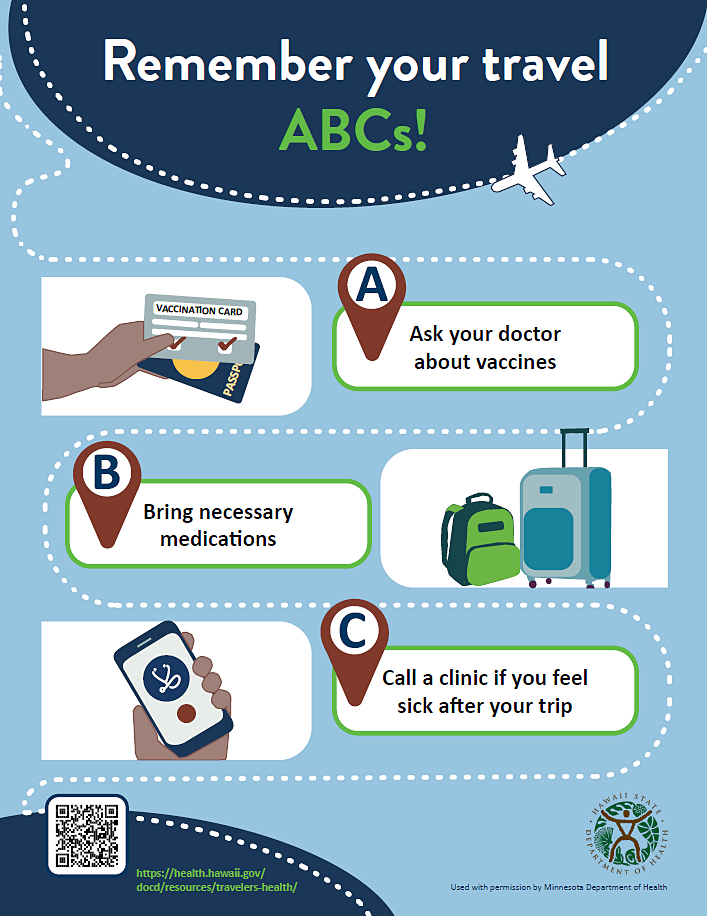
Carrying enough medication is essential. Some medicines may not be available in other countries. Bring a copy of prescriptions and doctor’s notes. Store medicines in original packaging for easy identification. Check customs rules about carrying medication. Plan for delays or lost luggage by having a backup supply.
Altitude And Climate Effects
High altitudes can worsen some chronic conditions. Lower oxygen levels may cause breathing issues or fatigue. Hot or cold climates affect body functions differently. Sudden weather changes can trigger symptoms. Adjust activity levels to match the environment. Consult a doctor about travel to extreme climates.
Stress And Fatigue
Travel often causes stress and tiredness. These factors can worsen chronic illnesses. Long flights and time zone changes disrupt sleep. Poor rest lowers the body’s ability to fight illness. Plan rest breaks and avoid overexertion. Practice relaxation techniques during the trip to stay balanced.
Credit: www.capbluecross.com
Frequently Asked Questions
What Are The Most Common Travel Health Risks Worldwide?
Travelers often face risks like food poisoning, mosquito bites, and sunburn. These can cause illness or discomfort during trips. Knowing these helps in planning safer travel.
How Can Travelers Prevent Mosquito-borne Diseases?
Using insect repellent and mosquito nets reduces bites. Wearing long sleeves and avoiding dawn or dusk outdoor activities also helps. Vaccines may be needed for some regions.
What Food And Water Risks Should Travelers Watch For?
Eating street food or drinking tap water can cause stomach problems. Stick to bottled water and cooked meals to stay safe. Avoid ice cubes in drinks abroad.
How Does Jet Lag Affect Travel Health?
Jet lag disrupts the body’s internal clock, causing tiredness and confusion. Resting well and adjusting sleep times before travel eases symptoms. Staying hydrated also helps recovery.
When Should Travelers Seek Medical Advice Before A Trip?
See a doctor if traveling to high-risk areas or having chronic illnesses. Vaccinations and health checks prepare your body for new environments. Early advice reduces health risks abroad.
Conclusion
Travel brings joy but also some health risks. Knowing these risks helps you stay safe. Simple steps like vaccinations and clean water can prevent illness. Protect yourself from insects and avoid risky foods. Always carry a basic first aid kit.
Stay aware of your surroundings and local health advice. Healthy travel means more fun and less worry. Prepare well and enjoy your trip with peace of mind. Safe travels!