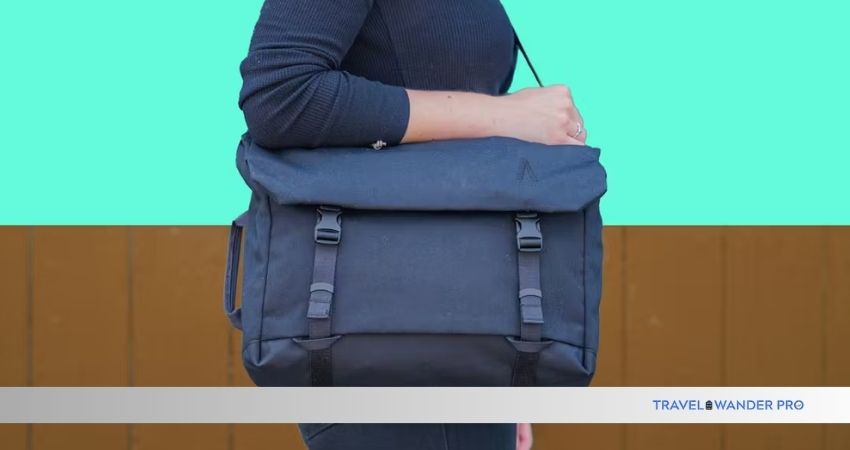
Last Updated on August 24, 2026
Pick a messenger bag that fits your daily load, protects tech, and stays comfy on the move.
I’ve spent years testing bags for city commutes, client visits, and weekend trips. This guide shows exactly how to choose a messenger bag for daily travel. I’ll walk you through the key features, real-world checks, common mistakes, and practical tips I learned the hard way. Read on to make a smart buy that lasts.

Why pick a messenger bag for daily travel
Messenger bags balance style and function. They sit comfortably across the body. They give quick access to essentials. For many, a messenger bag beats a backpack for meetings and public transit.
Messenger bags work well for short trips, daily commutes, and errands. You can carry a laptop, notebook, chargers, water bottle, and small purchases. They keep items organized and easy to reach. This makes them a top choice when you learn how to choose a messenger bag for daily travel.
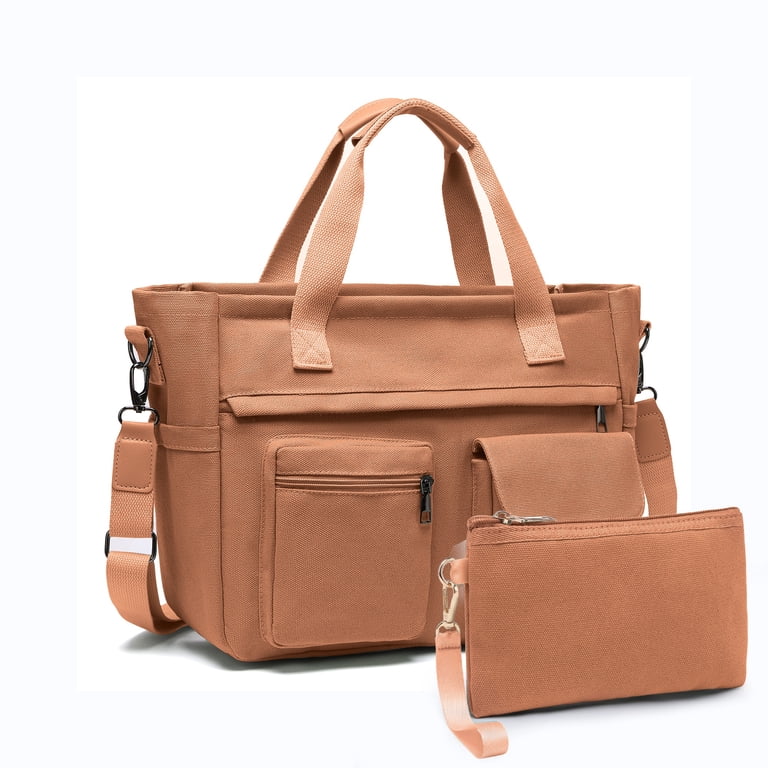
Key features to evaluate when choosing a messenger bag for daily travel
Start by checking these features. They matter every day.
Size and capacity
Choose a size that fits your items. Measure your laptop and notebooks first. Look for internal pockets sized for your devices. Avoid bags that feel empty or overstuffed.
Material and durability
Materials affect weight and life span. Common options are canvas, nylon, leather, and waxed canvas. Thicker weaves and reinforced stitching last longer. Look for abrasion-resistant fabrics at stress points.
Strap and comfort
A wide, padded strap reduces shoulder strain. An adjustable strap lets you switch carry style. Check strap hardware for metal buckles and strong stitching.
Compartment layout and organization
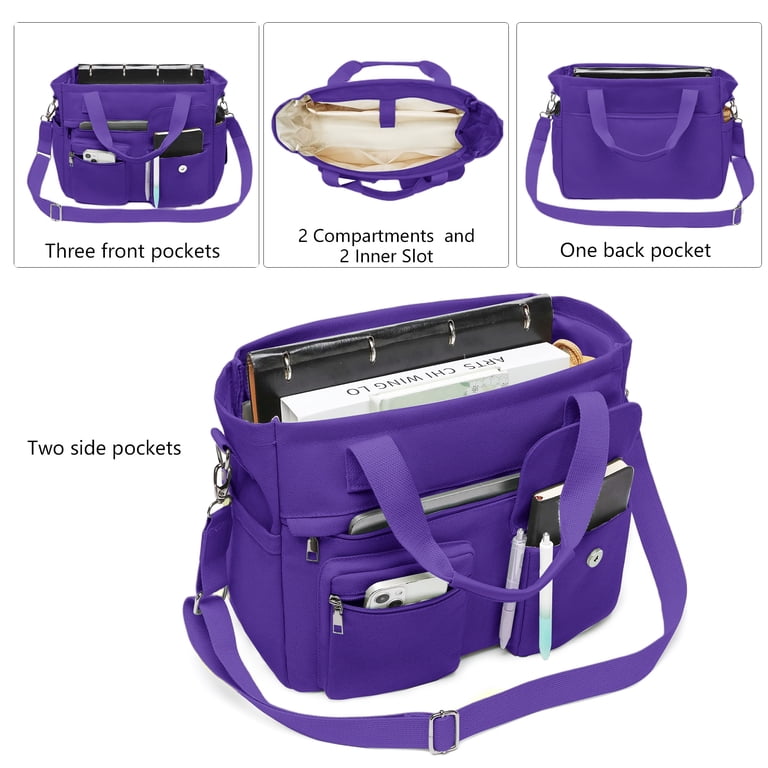
Good organizers save time. Look for:
- A padded laptop sleeve inside
- Quick-access outer pockets for phone and keys
- Zippered pockets for small items
- A main compartment that opens wide
Security and closures
Consider how the bag closes. Magnetic buckles are fast but can open slightly. Buckles and zippers are more secure. Some bags include lockable zips for travel.
Weather resistance
Daily travel means rain and spills. Choose water-resistant fabric or a bag with a rain flap. A separate rain cover is a plus for heavy weather.
Weight
Light materials reduce fatigue. But extremely light bags can lack structure. Aim for a balance between heft and protection.
Laptop and tech protection
A padded sleeve matters. Look for at least 10 mm of foam padding or a suspended laptop sleeve. Also check for internal cable routing and a power bank pocket.
Style and professional fit
Messenger bags can be casual or formal. Match the bag to your daily life and outfits. Leather or refined canvas works for offices. Bright colors work for creative fields.

How to choose a messenger bag for daily travel — step-by-step buying guide
Follow these steps before you buy.
- List your daily items.
- Include laptop, charger, wallet, water bottle, umbrella, and any work tools.
- Measure the largest items.
- Set a budget and value target.
- Decide how long you want the bag to last.
- Higher price often buys better materials and warranty.
- Match size to load.
- Pick a bag with a slightly larger internal volume than your measured items.
- Avoid extra bulk if you travel light most days.
- Test comfort and fit in person.
- Wear the bag across the body and walk around the store.
- Add weight to simulate a full day and check strap comfort.
- Inspect materials and hardware.
- Look for tight stitching and strong zippers.
- Check lining and seams for reinforcement.
- Check organization features.
- Open every pocket and test access.
- Ensure your phone and keys have quick-access spots.
- Confirm laptop protection.
- Place your laptop in the sleeve to test fit and padding.
- Check whether the sleeve keeps the laptop off the bag’s bottom.
- Consider maintenance and warranty.
- Ask about repair services and warranties.
- Choose materials you can clean easily.
- Read reviews and test long-term reports.
- Look for feedback on seams, zippers, and water resistance.
- Prioritize bags with positive long-term use reviews.
- Make the purchase and run a 30-day test.
- Use the bag daily for a month.
- Return or replace it if issues show up.
Personal tip: I once bought a slim messenger that fit my laptop perfectly. After two months, the strap tore at the stitching. Now I always check the underside of straps and test by carrying twice my usual load for a few minutes.

Common mistakes to avoid when buying a messenger bag
Avoid these traps that many buyers fall into.
- Buying by color or looks only. Function matters more for daily travel.
- Choosing too-small bags. They force poor packing and damage items.
- Ignoring strap comfort. A narrow strap can cause pain on long days.
- Skipping in-person testing. Photos often hide important flaws.
- Assuming leather is always durable. Some leathers scratch and stain easily.

Materials, care, and maintenance
Materials change how the bag looks and performs. Here are simple pros and cons.
- Canvas
- Durable and casual. Can be heavy when thick.
- Treat with fabric protector for water resistance.
- Waxed canvas
- Water-resistant and ages well. Needs re-waxing occasionally.
- Nylon
- Lightweight and strong. Often water-resistant.
- Clean with mild soap and air dry.
- Leather
- Looks polished and wears well. Can be heavy and needs care.
- Condition periodically and protect from heavy rain.
- Recycled materials
- Eco-friendly and increasingly durable. Check for performance specs.
Care tips:
- Clean spills quickly.
- Avoid machine washing unless the tag allows it.
- Store dry and out of direct sun.
Price vs value: how much to spend
Set expectations by use case.
- Under $50
- Good for casual, infrequent use. Materials may be thin.
- $50–$150
- Best for regular use. Expect decent materials and better organization.
- $150–$300
- Higher quality fabrics, better protection, and repair options.
- $300+
- Premium materials, refined fit, and strong warranties.
Invest more if you commute daily and carry expensive tech. Think of the bag as gear. A reliable bag saves time and protects devices.

Quick answers to common buyer questions
How big should my messenger bag be for a 13-inch laptop?
Pick a bag that lists a laptop sleeve for 13-inch devices and add 1–2 inches for chargers and cases. Measure your laptop with its case to be safe.
Can messenger bags be comfortable for long commutes?
Yes. A padded, wide strap and good weight distribution make long commutes comfortable. Test with realistic weight before buying.
Is a messenger bag safer than a backpack in crowded areas?
Messenger bags offer quicker access but can be easier to pickpocket. Use zippered pockets and wear the bag across the body in crowded places.

People Also Ask: quick PAA-style answers
Will a messenger bag fit a water bottle and umbrella comfortably?
Most mid-size messenger bags have room. Choose one with side pockets or a roomy main compartment.
How do I keep my messenger bag from rubbing against my coat?
Adjust the strap to wear the bag higher across your chest. A strap pad can reduce rubbing and improve comfort.
Are sling-style messenger bags a good choice for cycling?
They can work for short rides. For long or fast cycling, a backpack with sternum straps offers more stability.

Frequently Asked Questions of How to Choose a Messenger Bag for Daily Travel
What size messenger bag should I buy for daily travel?
Choose one that fits your largest daily items with a little extra space. Measure your laptop, notebook, and any accessories first.
How much padding do I need for laptop protection?
Aim for at least 10 mm of foam or a sleeve that suspends the laptop above the bag’s bottom. Extra padding is helpful if you carry fragile gear.
Is a water-resistant bag necessary for daily use?
If you commute in rainy areas or carry electronics, yes. Water-resistant fabric or a rain cover can prevent damage.
How can I test a bag’s durability before buying?
Inspect stitching, zippers, and strap attachments closely. Try stretching seams and checking for reinforced stitching at stress points.
Can I convert a messenger bag for travel beyond daily use?
Yes. Pick one with a roomy main compartment and secure closures. You may want a bag with a luggage pass-through for longer trips.
How often should I clean or maintain my messenger bag?
Light cleaning after heavy use is good. Deep cleaning or conditioning depends on material—leather less often, canvas or nylon more often.
Final thoughts and next steps
You now know how to choose a messenger bag for daily travel. Focus on size, comfort, protection, and material. Test the fit and inspect hardware before buying. Start with a clear list of what you carry and let that guide your choice.
Make a practical pick today. Try a bag for a week and return it if it fails your real-life test. If you found this guide helpful, share your experience, subscribe for more gear tips, or leave a comment about your favorite messenger bag.