Last Updated on August 24, 2026
A travel blanket is a compact, portable blanket designed for comfort on the go.
I’ve spent years testing travel gear and writing about practical travel items. This article explains what a travel blanket is, when to use a travel blanket, how to pick the right one, care tips, and real-world tricks I learned from flying, road tripping, and camping. Read on to find the perfect travel blanket for your needs and avoid common mistakes I made early on.

What is a travel blanket?
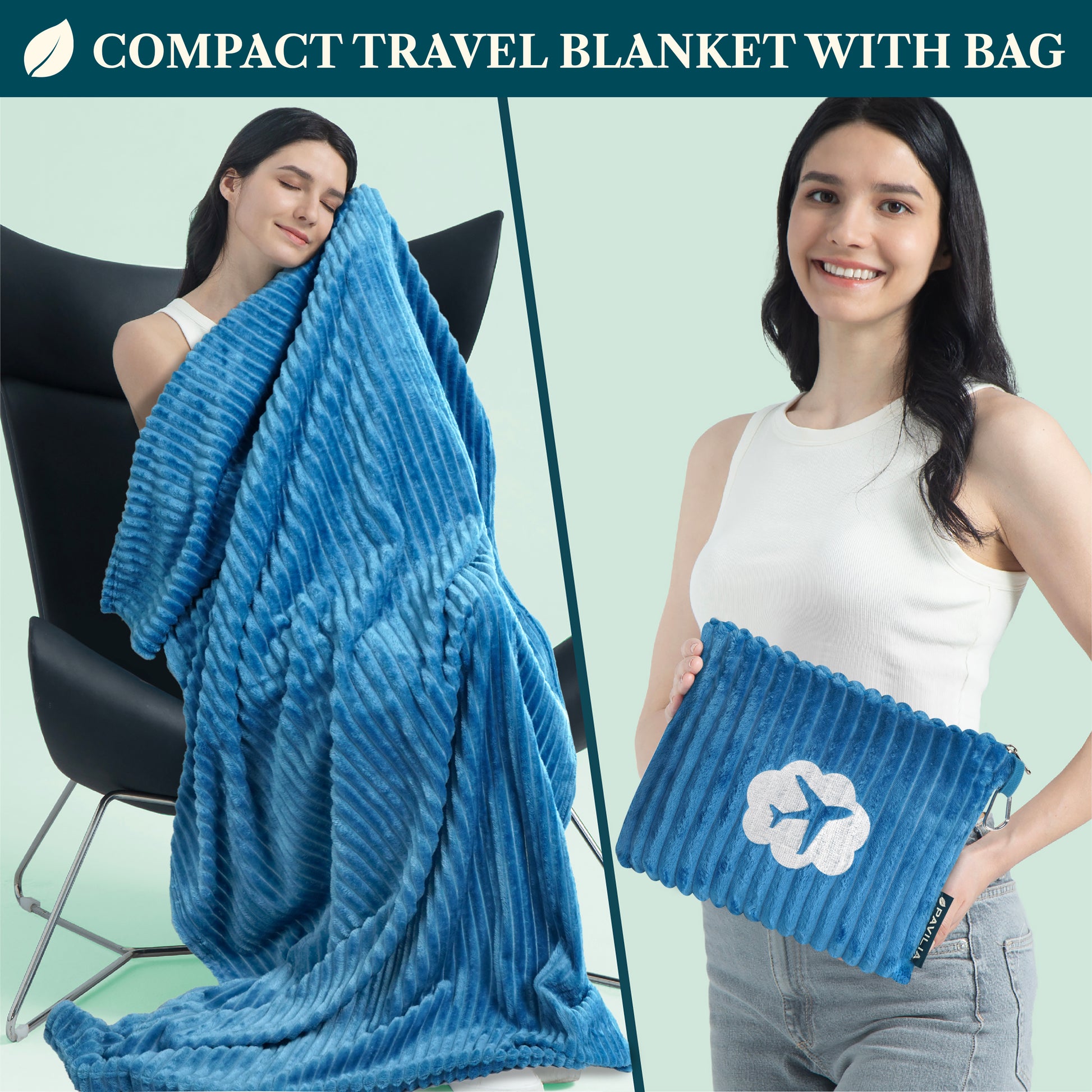
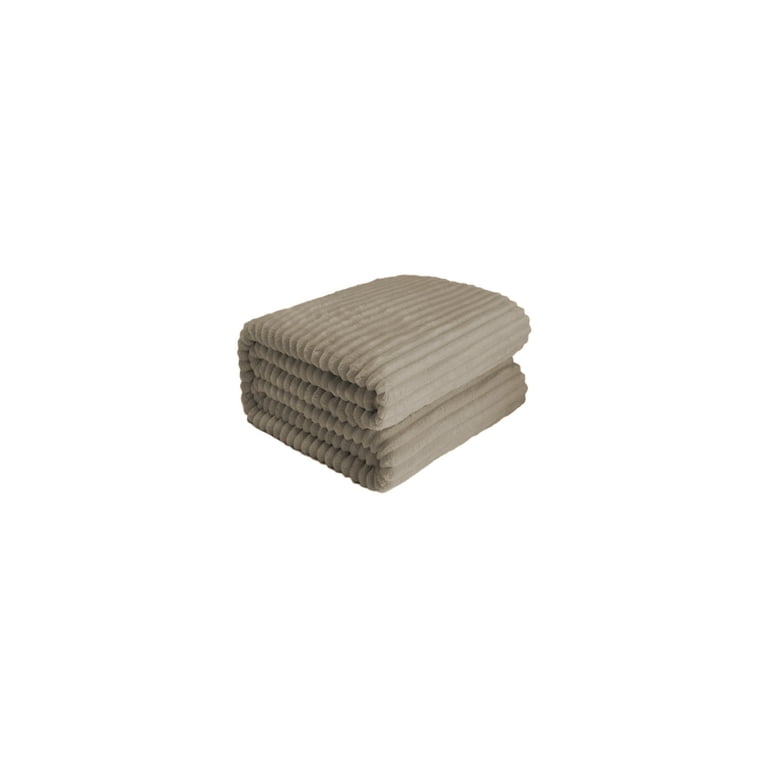
A travel blanket is a small, lightweight blanket made for use while traveling. It focuses on comfort, packability, and quick-dry materials. Most travel blankets fold, roll, or stuff into a pouch. Some convert into a pillow or have straps to clip to a bag.
A travel blanket often uses synthetic fibers, fleece, wool blends, or ultralight down. Designs range from large throws to wearable blankets and compact travel throws meant for plane cabins. The goal is to give warmth and comfort without bulk.
Key features to look for in a travel blanket
Choosing the right travel blanket means matching features to your trips. Below are the most important attributes.
- Size and coverage
- Choose a blanket that covers your shoulders and lap for flights.
- For sleeping or camping, pick a full-size travel blanket or a travel quilt.
- Weight and packability
- Look for lightweight materials if you carry a backpack.
- Ultralight down and compressible fleece roll small into pouches.
- Material and warmth
- Fleece warms quickly and is machine-washable.
- Down is warm and compresses well but requires care.
- Merino wool resists odors and regulates temperature.
- Multipurpose design
- Some travel blankets double as a pillow or seat cover.
- Wearable travel blankets have sleeves or snaps to stay on.
- Hygiene and washability
- Choose machine-washable fabrics for repeated use.
- Removable covers or pouches help keep a blanket clean during long trips.
- Airline and security friendly
- Check that your travel blanket fits carry-on rules if you plan to stow it separately.
- Simple designs avoid problems at security checkpoints.

When to use a travel blanket
A travel blanket is useful in many travel moments. It brings comfort and practical warmth exactly when you need it.
- On planes and trains
- Airplanes can get cold and seats are often cramped. A travel blanket adds warmth and privacy.
- During long car rides
- A travel blanket makes naps more comfortable in the back seat.
- At airports and terminals
- Use a travel blanket to rest on hard benches or to block drafts.
- On camping trips and road trips
- A lightweight travel blanket can be a mid-layer or an extra layer in a sleeping bag.
- For outdoor events
- Picnics, concerts, and stargazing are more comfortable with a compact throw.
- As a child care item
- Travel blankets double as a clean play surface or nap blanket for kids.
People also ask
- Is a travel blanket worth it?
- Yes. A travel blanket is inexpensive compared with the comfort it adds on long trips.
- Can a travel blanket replace a sleeping bag?
- For warm-weather camping, a travel blanket may suffice. In cold conditions, a sleeping bag is safer.
- How warm is an ultralight travel blanket?
- Warmth varies by material. Down offers the most warmth per weight, while fleece provides quick warmth but more bulk.
Types of travel blankets and best uses
Knowing types helps you pick the right travel blanket for each trip. Here are common options and when to choose them.
- Fleece travel blanket
- Best for short trips, flights, and quick cleanups. Easy to wash and affordable.
- Down or synthetic down blanket
- Best for backpacking and cold-weather travel. Compresses small and offers great warmth.
- Merino wool travel blanket
- Best for long trips where odor control and temperature regulation matter.
- Wearable travel blanket
- Best for in-seat use and hands-free warmth. Great for long flights and train rides.
- Travel throw with pouch
- Best for urban travel and commuting. Easy to stow in a backpack or carry-on.
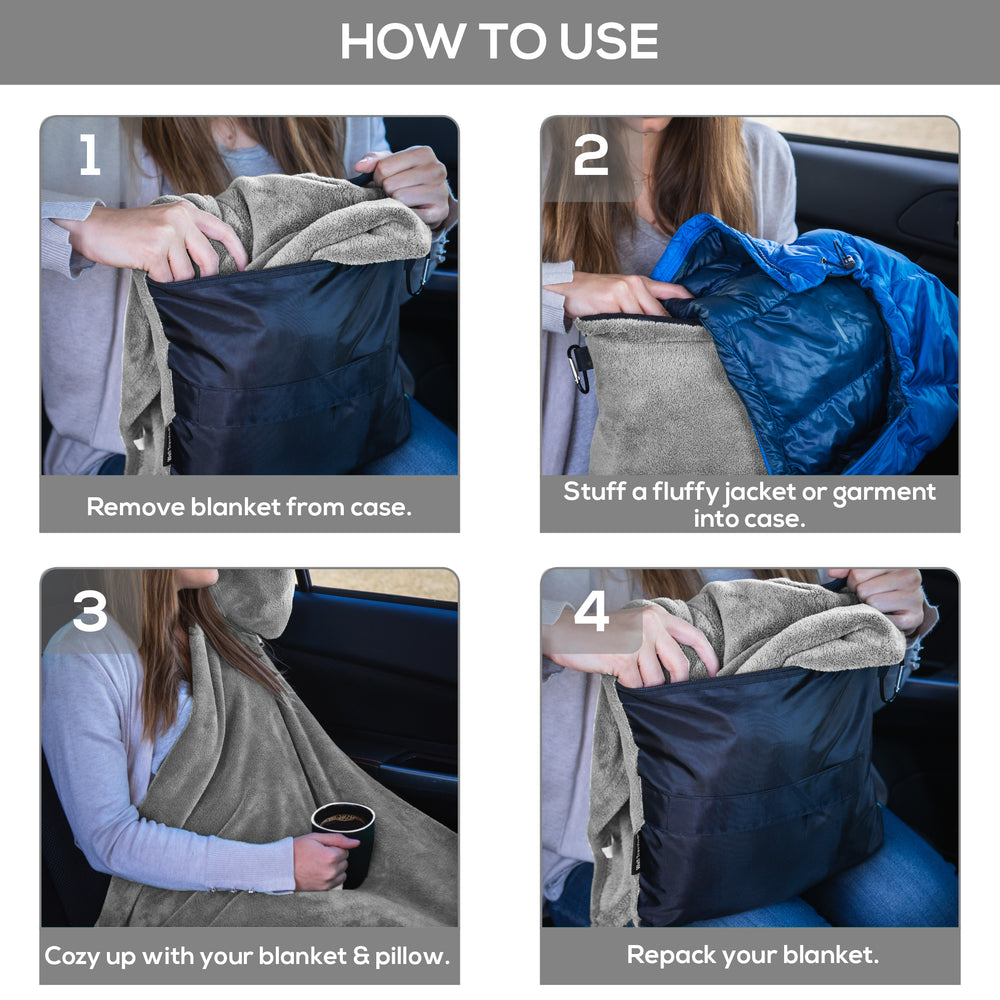
- Convertible blanket-pillow
- Best for space-conscious travelers. Serves two functions in one item.

How to choose the right travel blanket for you
Match the travel blanket to your style and trip length. Use this checklist to decide.
- Ask how often you travel and in what conditions.
- Prioritize weight for backpacking and warmth for cold trips.
- Check dimensions to ensure it covers you comfortably.
- Look for a stuff sack or pouch for neat storage.
- Consider breathability if you sweat easily in transit.
- Test materials in-store if possible, or read hands-on reviews.
My tip from experience: buy slightly larger than you think you need. I once bought a compact throw that left my feet exposed on an overnight flight. A few extra inches makes naps more restful.

Care and maintenance
A clean travel blanket performs better and lasts longer. Follow these care steps.
- Washing
- Machine-wash most fleece and synthetic blankets on gentle cycles.
- Use a mild detergent for down; tumble dry with clean tennis balls to restore loft.
- Drying and storage
- Fully dry before storing to avoid mildew.
- Store loosely in a breathable bag rather than compression for long-term health of down.
- Odor control
- Merino resists smells, but for synthetic fabrics, wash promptly after sweat exposure.
- Repair and small fixes
- Sew small tears quickly. Use fabric glue for quick field fixes.

Packing, carrying, and using a travel blanket in the field
Small habits make a travel blanket more useful. Here are practical packing tips.
- Roll or stuff
- Stuffing into a pouch saves space and avoids creases.
- Use compression when needed
- Compression sacks work for down blankets on backpacking trips.
- Attach to your bag
- Clip a blanket pouch to the outside of a pack for easy access during waits.
- Layering strategy
- Use the travel blanket as a mid-layer under a jacket for colder nights.
- Keep a dedicated travel blanket in your car
- A spare blanket in the trunk is handy for emergencies.
From my trips, I learned to keep a compact blanket in my carry-on. On one winter flight, the cabin heater failed, and having my travel blanket saved a sleepless night.
Travel blanket limitations and when to avoid using one
Travel blankets help a lot, but they are not always ideal. Know the limits.
- Not a substitute for a heavy sleeping bag in cold conditions
- A travel blanket rarely provides the same insulation as a rated sleeping bag.
- Hygiene concerns in public spaces
- Airport blankets can be used instead, but personal travel blankets are cleaner.
- Bulk for minimalists
- Some travel blankets add more weight than a travel hoodie or layers.
- Airline policies and security
- Rarely an issue, but bulky blankets may be inspected at security.

Personal experience and real-world tips
I’ve used many travel blankets over years of trips. Here are lessons I learned the hard way.
- Avoid cheap, thin throws for long flights. They wear out quickly.
- Invest in a washable down or merino option if you travel monthly.
- Use a wearable travel blanket on overnight trains. It keeps hands free for snacks and a book.
- Always pack a small carabiner on the pouch. It saves time when boarding buses and ferries.
- For kids, choose colorful, durable blankets that are easy to wash.
These simple choices made my journeys more comfortable and reduced the number of times I woke up cold.
Travel blanket alternatives
If you don’t want a travel blanket, consider these substitutes.
- Large scarf or shawl
- Lightweight and multi-use, good for short trips.
- Travel hoodie or jacket
- Wear your warmth, save space.
- Sleeping bag liner or quilt
- Better for overnight camping needs.
- Rent or borrow on-site
- Hotels and flights may provide blankets; carry a small one as backup.
Frequently Asked Questions of What Is a Travel Blanket and When to Use It?
What is the main purpose of a travel blanket?
A travel blanket provides portable warmth and comfort while in transit. It is compact to fit into carry-on bags and designed for quick use.
Can a travel blanket be used on long-haul flights?
Yes. A travel blanket is ideal for long flights because it helps regulate temperature and improves sleep comfort. Choose a larger, warmer model for overnight trips.
How do I wash a travel blanket safely?
Follow the care label. Most fleece and synthetics are machine-washable on gentle. Down requires mild detergent and a tumble dry with dryer balls to restore loft.
Is a down travel blanket worth the extra cost?
If you value warmth-to-weight ratio and compressibility, a down travel blanket is worth the cost. It packs small and keeps you warmer than many synthetics.
Can I use a travel blanket for camping?
Yes, but know its limits. For cold nights, pair a travel blanket with a sleeping bag or use a travel quilt rated for temperature.
How big should a travel blanket be?
For in-seat use, a 40×60 inch travel throw works well. For sleeping or sharing, choose larger dimensions or a full-size travel quilt.
Conclusion
A travel blanket is a simple item that can change how comfortable you feel on trips. It gives warmth, privacy, and hygiene in planes, trains, cars, and outdoor settings. Choose a travel blanket that matches your travel style: lightweight and compressible for backpacking, cozy and washable for frequent flyers, or wearable for hands-free warmth. Try one on your next trip and notice how small comfort upgrades make travel more enjoyable. Share your favorite travel blanket tip below, subscribe for more gear guides, or leave a comment about what worked for you.