Last Updated on August 24, 2026
Use travel locks to deter theft, secure bags, and protect valuables while traveling.
I have years of hands-on travel and security experience helping travelers get safer on the road. This guide explains how to use travel locks for security, which types work best, how to choose and apply them, and practical tips I learned from testing locks on trains, planes, and hostels. Read on for clear steps, real-life advice, and mistakes to avoid so your next trip is safer and less stressful.

Why travel locks matter for security
Travel locks are a simple, low-cost layer of defense. They deter opportunistic theft and stop casual tampering with luggage, backpacks, and small cases. Using travel locks for security can save you time and stress if a bag is opened by mistake or by someone with bad intent. Locks are not perfect, but they change the math for a thief and make your gear a harder target.
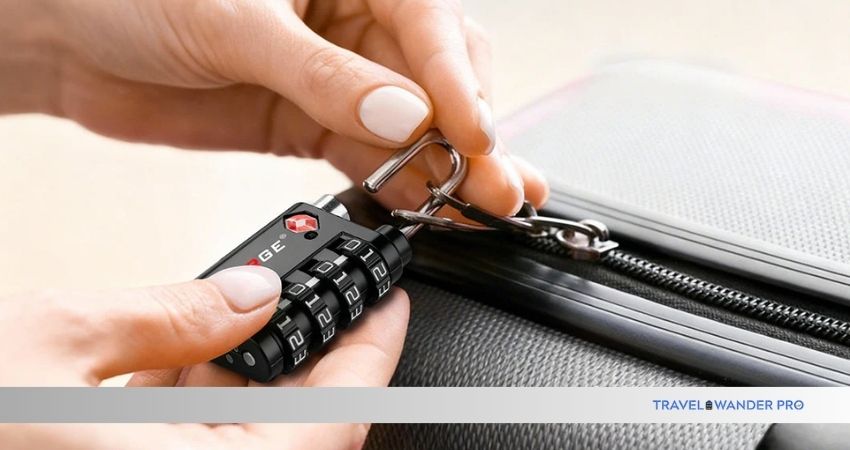
Types of travel locks and how they work
There are several common travel locks to consider, each with pros and cons depending on your needs.
- Combination padlocks: Easy to use and no key to carry. They work well for zippers and lockers, but cheap ones can be guessed or bypassed.
- Keyed padlocks: Strong and simple. Keep a spare key in a separate place to avoid lockouts.
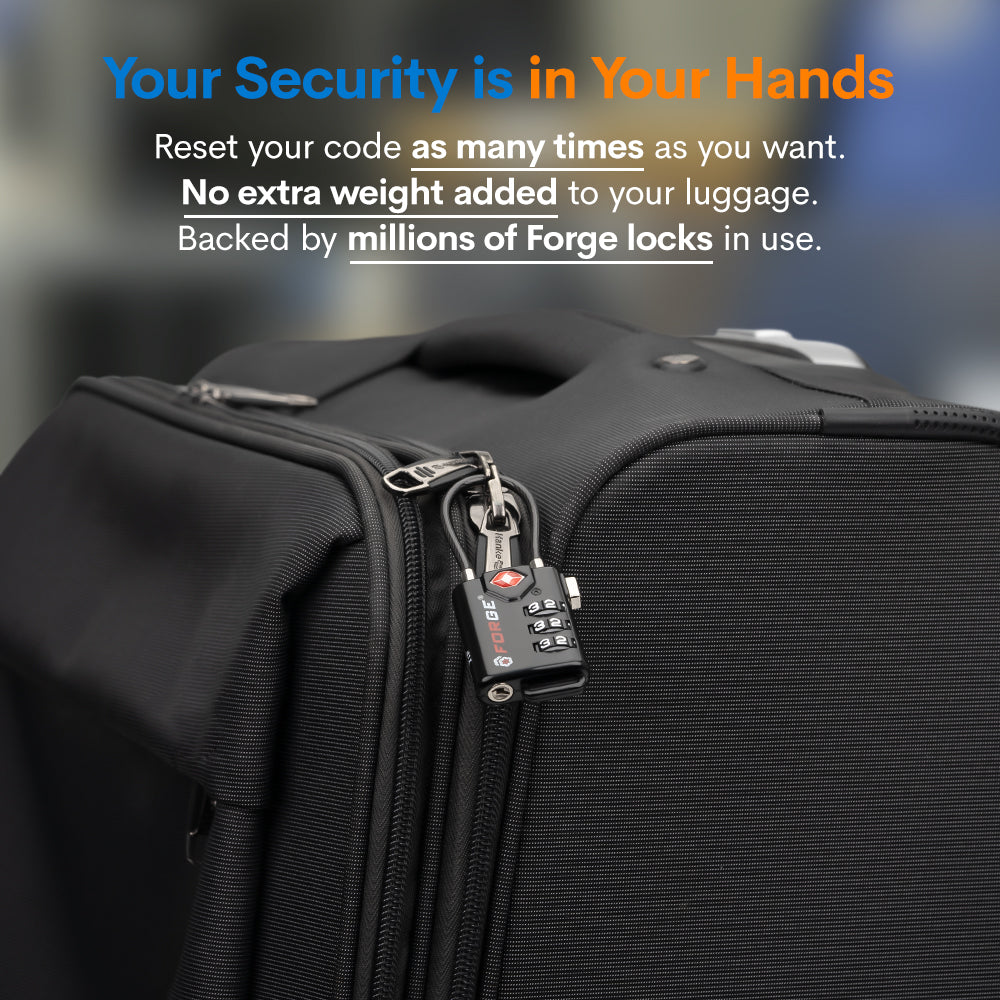
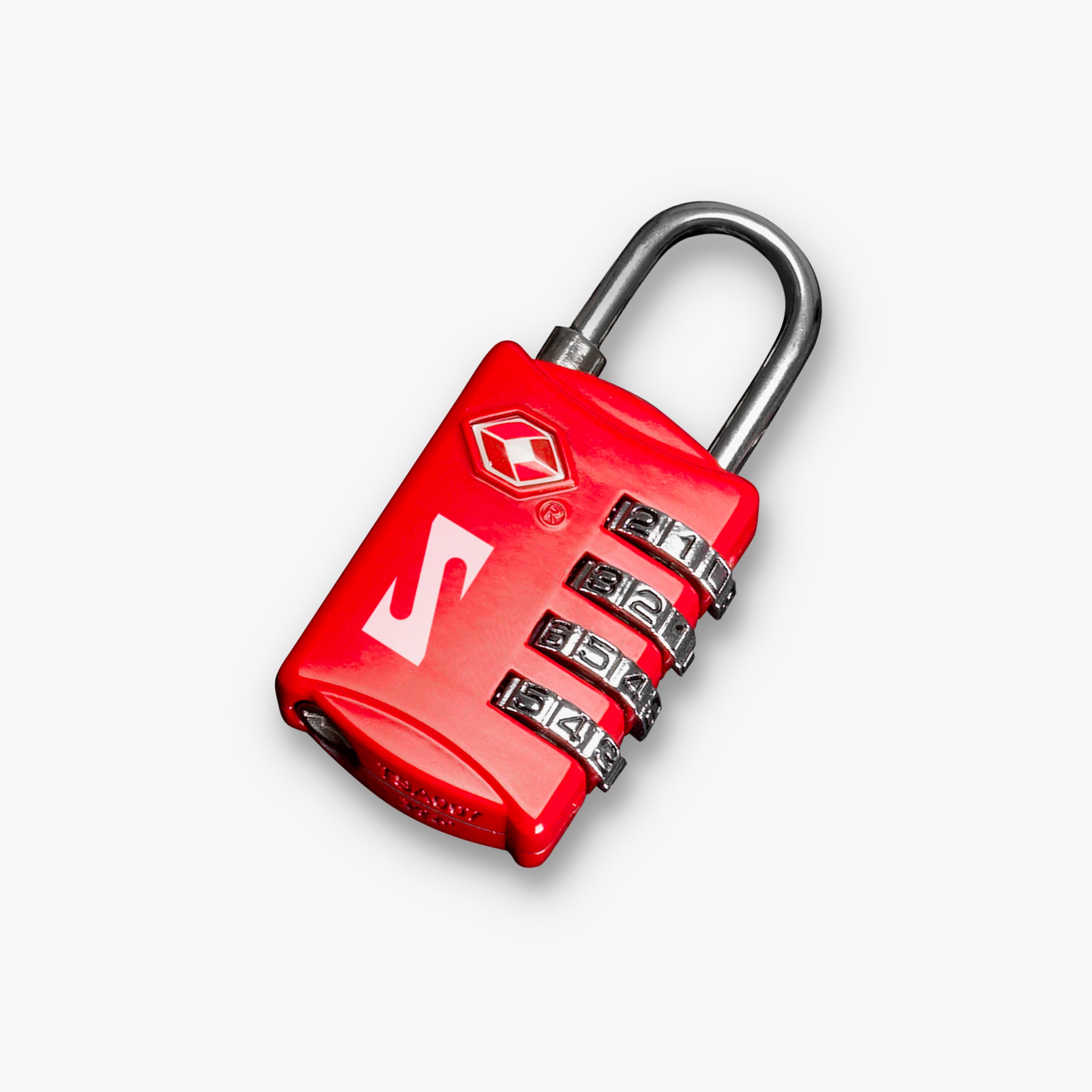
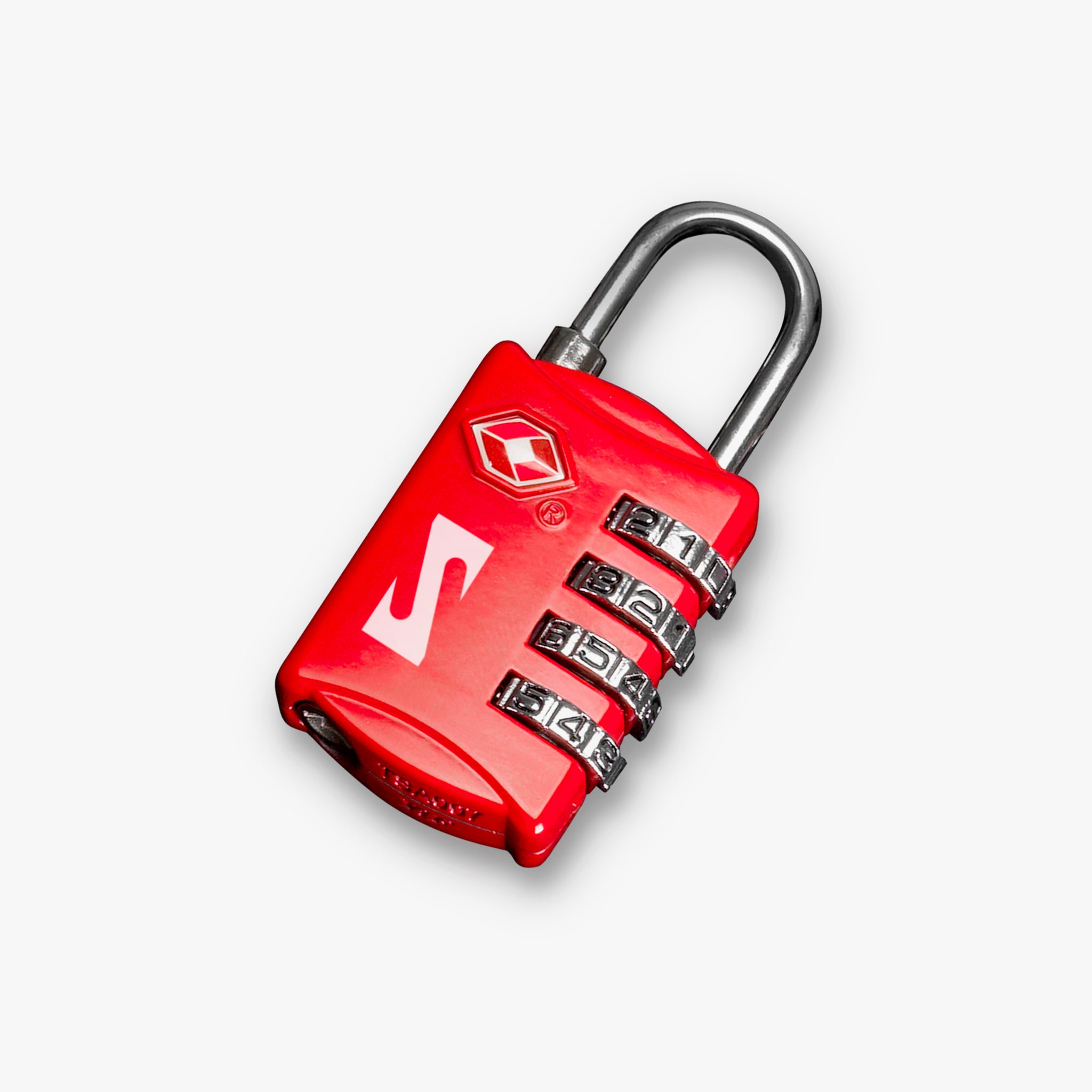
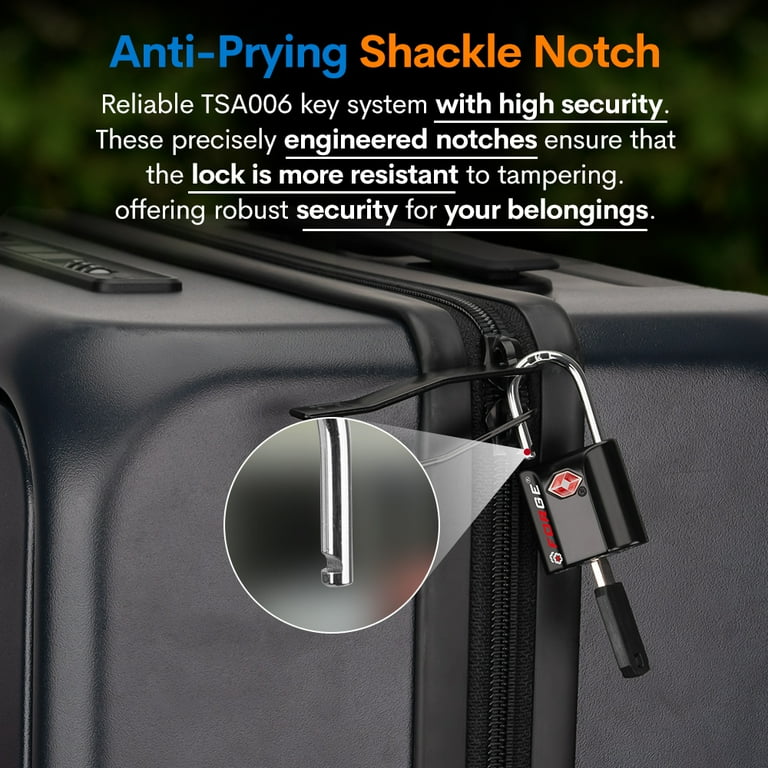
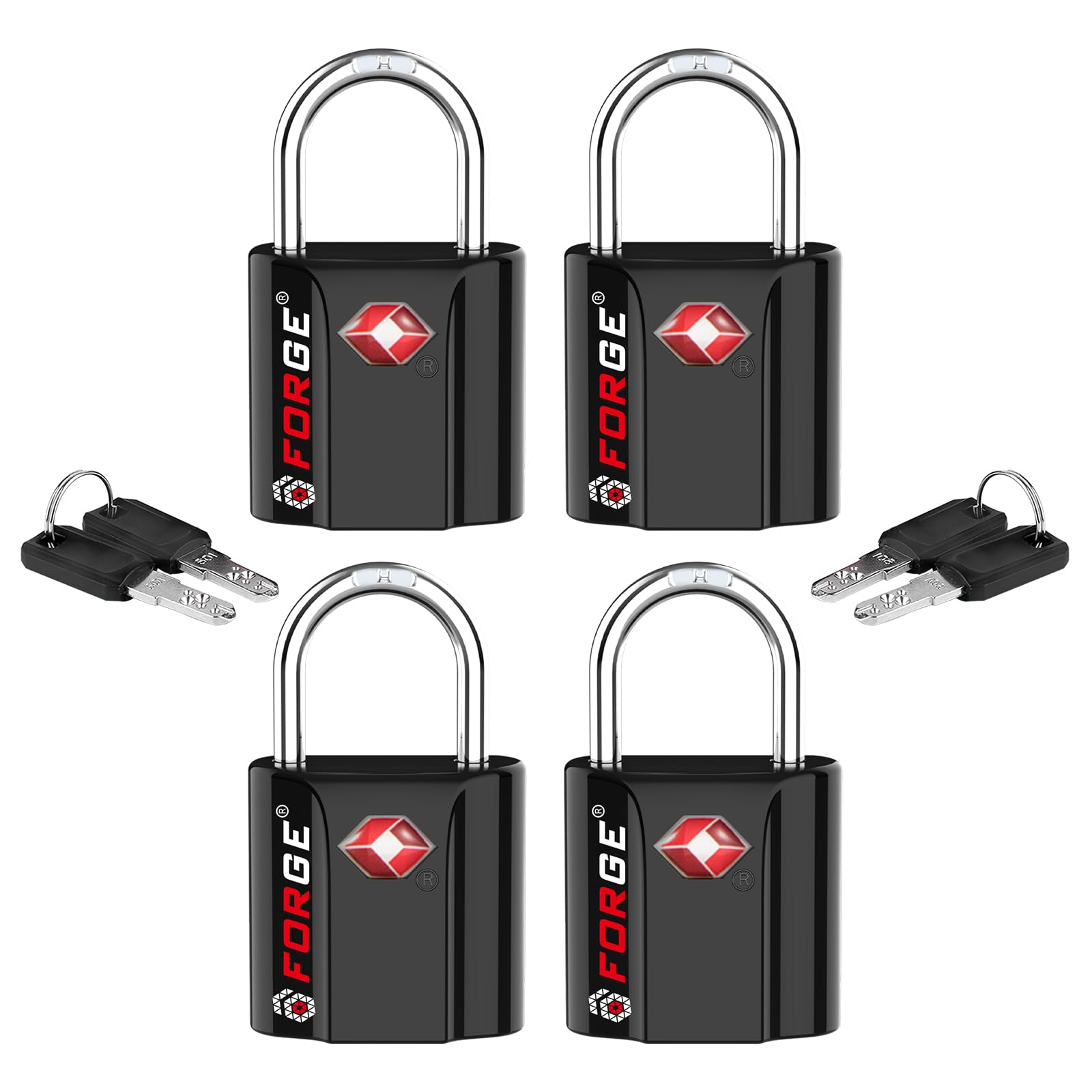
- TSA-approved locks: Designed for luggage checked in the U.S., these let airport agents open bags with a master key without breaking the lock. They are convenient but slightly weaker than heavy-duty locks.
- Cable locks: Flexible and good for securing multiple items or wrapping around fixed objects. Best for backpacks, laptop bags, and securing a suitcase to a chair.
- Luggage straps with integrated locks: Add visibility and a locking point. They help prevent zipper tampering and make your bag easy to spot on a carousel.
- Smart travel locks: Use Bluetooth or apps and can offer logs or remote unlock. They improve convenience, but battery life and app security matter.
Knowing how to use travel locks for security starts with picking the right type for your trip and the items you value most.
How to choose the right travel lock
Pick a lock by matching features to your travel style and priorities.
- Choose a TSA-approved lock when checking luggage that may be inspected at airports. This reduces the chance an inspector will cut the lock.
- Pick hardened steel or zinc alloy for padlocks when theft risk is higher. Avoid thin metal that can be snapped easily.
- Prefer resettable combinations if you dislike carrying keys. Write your code in a secure place until you memorize it.
- For backpacks and gear, pick a cable lock with a thin, flexible loop and a secure locking head.
- Balance weight and durability. Heavy locks add protection but also weight; for carry-on day bags, lighter locks are fine.
- Consider smart locks only if you trust the manufacturer and know how to secure the app and backups.
When deciding, think about scenarios: checked baggage, hostel lockers, train compartments, or securing electronics. This context shapes the best choice for using travel locks for security.
 effectively (step-by-step)”
style=”max-width: 100%; height: auto; border: 2px solid black; border-radius: 10px; display: block; margin: 0 auto;”
loading=”lazy”
/>
How to use travel locks effectively (step-by-step)
Follow these steps to get the most protection from travel locks.
- Inspect your lock before leaving home.
- Test the combination or key function and note any defects. A faulty lock is worse than none.
- Secure zipper pulls through the lock or zipper lock loop.
- Thread both pulls through the lock to prevent easy opening.
- Use cable locks for backpacks or when you need to tether a bag to a fixed object.
- Wrap the cable through bag handles and around a fixed anchor like a chair or pole.
- Use luggage straps with locks as a visible deterrent.
- Straps also reduce accidental zipper openings and make bags identifiable.
- Store spare keys and lock codes separately.
- Keep a spare key in a hotel safe or a different bag to avoid lockouts.
- Combine methods for higher risk situations.
- Use a TSA lock on checked luggage and a cable lock on electronics inside the bag.
- Check locks after long trips and before reusing.
- Salt, moisture, and rough handling can weaken a lock over time.
From my travel tests, threading zipper pulls through a small TSA-approved lock prevented casual access at busy stations. Using two modest locks on a backpack top compartment kept my camera gear untouched during a festival.
Common mistakes and how to avoid them
Avoid these pitfalls to make your locks work as intended.
- Relying on locks alone
- Locks deter, but they do not stop determined thieves. Pair locks with vigilance and good packing.
- Using cheap, thin locks
- A low-cost lock can be bypassed in seconds. Spend a bit more for sturdiness.
- Keeping keys or codes with the locked bag
- This creates easy access for anyone who finds the bag. Store spares separately.
- Forgetting TSA rules
- If you use a non-TSA lock on checked luggage, expect possible damage if the bag is inspected.
- Overlooking local theft tactics
- Pickpockets may target zippers on public transport. Use locks that address those risks directly.
Learning from mistakes I made early on, I now always keep a small, locked pouch inside my bag for passports and use a cable lock when leaving my day pack unattended.

Additional security measures to pair with travel locks
Travel locks work best as part of a broader security plan.
- Use a hotel safe for passports, extra cash, and electronics.
- Add tamper-evident seals for checked bags to spot interference quickly.
- Use tracking devices for high-value items so you can locate them if stolen.
- Photograph serial numbers and important documents before travel.
- Practice “layered security” by distributing valuables across multiple places rather than one pouch.
When you combine these steps with travel locks for security, you reduce the chance and cost of loss. I once recovered a lost device because I had its serial number logged and tracking enabled alongside a lock on the bag.
Quick traveler questions (PAA-style)
Can I use a regular padlock on checked luggage?
Yes, but airport security may cut non-TSA locks if inspection is needed. Use TSA-approved locks for checked bags to avoid damage.
Do travel locks prevent all theft?
No. Travel locks mainly deter opportunistic thieves and slow down tampering. For determined thieves, combine locks with other measures.
Are smart travel locks safe?
Smart locks can be safe if the app and firmware are updated and protected by strong account security. Battery failure and connectivity are practical limits to consider.
Frequently Asked Questions of How to Use Travel Locks for Security
What is the best travel lock for international trips?
A TSA-approved combination lock is often best for international trips because it avoids having locks cut during airport inspections. For backpacks or short-term use, a sturdy cable lock can add flexibility.
Can airport security open TSA locks without damaging them?
Yes, approved agencies use master keys to open TSA locks so luggage can be inspected and relocked without damage. Non-TSA locks may be cut if inspection is necessary.
How should I secure a backpack in a hostel or shared space?
Use a cable lock to anchor the backpack to a fixed object and put valuables in a small lockbox or the hostel locker. Keep important items on you when possible.
Are luggage straps with locks worth it?
Yes, they add visible deterrence and reduce accidental openings. They also make luggage easier to spot and can slow down casual tampering.
What should I do if I lose my lock key or forget the combination?
Try to locate a spare key or reset instructions. If unavailable, contact a locksmith or luggage service at the airport or hotel; avoid forcing the lock, which can damage your bag.
Can travel locks protect electronics inside checked baggage?
They can help, but checked bags are still at risk. Keep electronics in carry-on luggage when possible and use padded, locked compartments for extra safety.
Conclusion
Travel locks for security are a practical, low-cost tool that reduce risk and increase peace of mind. Choose the right type, use them correctly, and combine them with other measures like safes, tracking, and paperwork backup. Start by testing a lock at home, setting a secure code or spare key plan, and practicing tethering techniques for backpacks. Try one or two changes on your next trip and see how much more secure and calm your travel feels. Share your experiences, subscribe for more travel-security tips, or leave a comment about what worked for you.