Last Updated on August 24, 2026
Keep essentials visible, grouped, and placed near daily routines for fast, reliable access.
I’ve spent years helping busy households and professionals streamline daily life. This guide shows practical steps and tested setups for how to keep your essentials easily accessible, whether at home, on the go, or at work. You’ll get simple systems, product ideas, quick fixes, and habits you can start today to save time and reduce stress. Follow along and you’ll find methods that fit your routines and space.
Why easy access to essentials matters
When essentials are easy to reach, you waste less time and feel less frazzled. Clear, repeatable places reduce decision fatigue and make routines smoother. Whether it’s keys, meds, chargers, or work tools, knowing where things live speeds up every day. This section explains why knowing how to keep your essentials easily accessible improves productivity and calm.

Core principles to keep essentials accessible
Follow simple rules. Use zones, visibility, and habit anchors to keep items within reach. Group like items together so your brain learns where to look. Rotate seasonally and purge rarely used items every few months.
- Zone items by activity. Put coffee tools near the kettle and chargers near outlets to match actions.
- Make essentials visible. Open baskets, clear trays, and pegboards beat closed boxes for frequently used things.
- Limit choices. Keep only what you use daily in prime spots to reduce clutter and speed decisions.
- Use habit anchors. Attach items to routines. For example, put your wallet with your phone charger on a nightly charging tray.
- Use small containers. Sort small items into labeled trays so you can grab one thing without digging.
- Keep backups smartly. Store a spare phone charger in your bag and another at home in a known spot.
Common quick questions
What’s the fastest way to start? Pick one zone, like the entryway, and assign permanent homes for three top items.
How often should I adjust? Check and tweak locations seasonally and after major life changes.
Room-by-room setups: home, travel, and work
Home setups should match daily flow. Near the front door, place a tray for keys, masks, sunglasses, and a small pouch for change. In the kitchen, use a drawer organizer for daily meds, a charging station on the counter for devices, and a command hook for reusable bags.
Work setups should reduce friction. Keep a desk caddy for pens, sticky notes, and chargers. Use a small tech pouch in your briefcase with universal cables and a portable battery. Label drawers so teammates can return shared items to a set place.
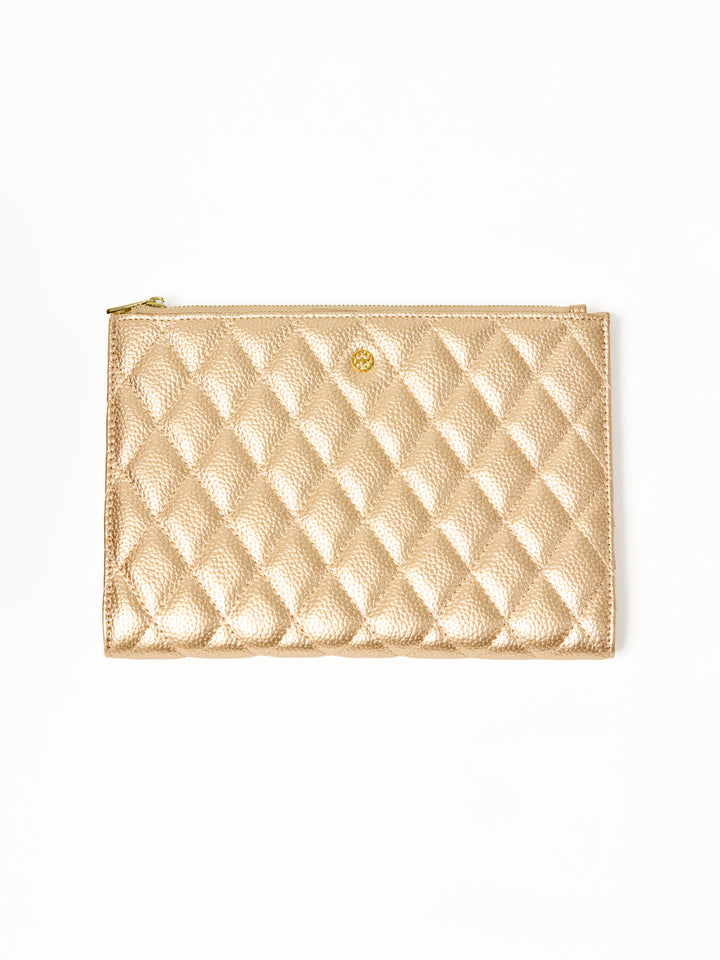
Travel setups favor portability. Pack a dedicated pouch for travel essentials: passport, boarding pass, earplugs, and a compact charger. Use a clear toiletry pouch for fast security checks. Before leaving, use a short checklist to confirm essentials are present.
Practical example
I set a pocket-sized “leave-the-house” checklist by the door. It has three items: keys, phone, wallet. I taught my family to glance at the tray before walking out. That one habit cut “where are my keys?” moments in half.

Organizational tools and products that help
Choose tools that match how you move. Simple items often work best.
- Open trays and bowls. Best for keys and face masks because you can see them at a glance.
- Drawer organizers. Great for chargers, cables, and small tools so items don’t tangle.
- Pegboards and wall hooks. Use for bags, hats, and frequently worn jackets to free up surfaces.
- Clear pouches and labeled bags. Ideal for travel and seasonal swap-outs so contents are visible.
- Charging docks and cable stations. Centralize power needs and reduce cable hunting.
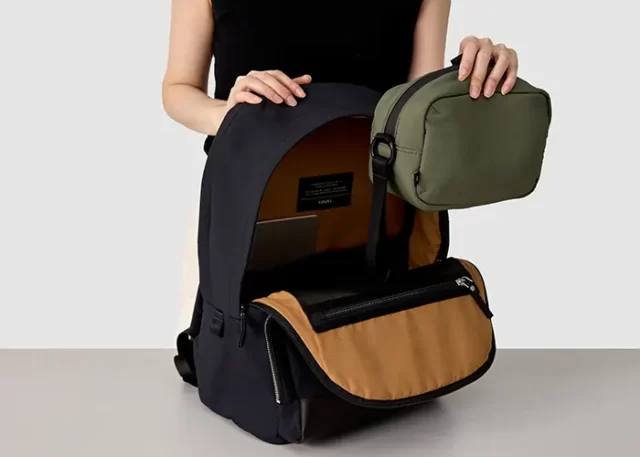
- Portable pouches. Keep a tech pouch in your work bag and a grooming kit in your travel bag.
- Small shelves near doorways. Create a dedicated landing zone for outgoing items.
When choosing products, prioritize durability and simplicity. Research shows durable, easy-to-clean organizers prevent frequent replacements and make systems more likely to stick.

Maintenance routines and habits
Good systems fail without small maintenance. Set quick habits to keep essentials accessible.
- Weekly 5-minute check. Scan key zones and return stray items to their homes.
- Monthly purge. Remove items you haven’t used in 30 days from prime spots.
- End-of-day reset. Quick tidy before bed makes mornings easier and enforces where things belong.
- Replace worn items promptly. A broken clip or frayed charger leads to messy backups and lost time.
- Teach household members. Share where things go and why; consistency is key.
From my experience, the weekly check is the most powerful. It only takes five minutes and prevents drift. Treat it like brushing your teeth—small, consistent, and non-negotiable.

Common mistakes and how to avoid them
Many people set up systems that are too complicated or hidden. Common traps include: putting essentials in hard-to-reach spots, over-organizing with too many labeled boxes, or failing to adapt systems as life changes.
How to avoid them
- Keep prime spots simple. If you need a step stool to reach it, it’s not truly accessible.
- Avoid over-labeling. Labels help, but too many tiny boxes lead to confusion.
- Test for 30 days. Use a system for a month and note what fails. Then simplify and try again.
- Involve others. If a household member fights the system, co-design a compromise so everyone follows the same rules.
Frequently Asked Questions of How to Keep Your Essentials Easily Accessible
How do I decide which items are “essentials”?
Essentials are items you use at least several times per week or in an emergency. Start by tracking what you reach for over a week, then assign homes for the top items.
Can small spaces still keep essentials accessible?
Yes. Use vertical storage, wall hooks, and compact organizers to create visible homes. Prioritize the most-used items for prime spots.
What’s the best way to manage tech cables and chargers?
Use a dedicated charging station and labeled cable ties. Keep one spare charger in your bag and one near your bed to avoid scrambling.
How often should I reorganize my system?
Review and tweak every three months or after life changes like moving or a new job. Small seasonal updates keep systems aligned with your routines.
What if others in my home don’t follow the system?
Make the system easy and obvious. Place signs, show the routine, and set a shared weekly reset time. Consistency and brevity win people over.
Conclusion
Making essentials easy to find reduces stress and buys time. Use zones, visibility, simple containers, and short maintenance habits to build systems that last. Start with one zone, test it for a month, and expand what works. Try the weekly five-minute check and a nightly reset to lock in the gains. If this guide helped, try one change today and share your result or question below — I’d love to hear how your system improves daily life.