Last Updated on August 24, 2026
Traveling is exciting, but unexpected problems can happen anytime. Are you ready if your flight is canceled, your luggage is lost, or you face a medical emergency far from home?
Preparing an emergency plan for travel isn’t just smart—it can save you time, money, and stress. You’ll discover simple steps to create a plan that keeps you safe and confident wherever you go. Keep reading, because being prepared can turn potential travel disasters into manageable situations.

Credit: 2021-2025.state.gov
Assess Travel Risks
Assessing travel risks is a key step before any trip. It helps you stay safe and enjoy your journey. Knowing what dangers exist lets you plan better. You can avoid problems and handle surprises with less stress.
Start by learning about the specific risks at your destination. Health issues, local laws, and natural hazards all matter. Each place has its own challenges. Taking time to check these details makes your travel smoother and safer.
Research Destination Hazards
Check for natural dangers like floods, earthquakes, or storms. Some areas have higher crime rates or unsafe neighborhoods. Find news reports or government travel warnings. These sources give clear, up-to-date information. Understanding these hazards guides your daily plans and routes.
Evaluate Health Concerns
Look into common illnesses or diseases at your destination. Some places require vaccines or special medications. Check if clean water and food are easy to find. Carry basic first-aid supplies and any needed prescriptions. Staying healthy helps you enjoy your trip fully.
Check Local Laws And Customs
Learn the key rules and cultural practices of the area. Some actions legal at home might be illegal abroad. Dress codes, alcohol rules, and public behavior vary widely. Respecting these laws avoids fines or trouble. Understanding customs also shows respect to locals.

Credit: businesstravellife.com
Create Communication Strategies
Creating clear communication strategies is vital before traveling. It helps keep everyone informed and safe. A solid plan ensures quick help during emergencies. This section covers key steps to build effective communication for your trip.
Share Itinerary With Contacts
Give trusted people your travel schedule. Include flight times, hotel names, and planned activities. Share updates if your plans change. This helps others know your location and safety status. They can act faster if something goes wrong.
Set Up Emergency Contacts
List important phone numbers before traveling. Include local emergency services, your country’s embassy, and family members. Save these numbers on your phone and write them down. Share the list with someone you trust. This ensures quick access in emergencies.
Plan For Connectivity Issues
Expect limited phone or internet access in some areas. Download maps, important documents, and emergency info offline. Carry a portable charger for your devices. Consider buying a local SIM card or a travel hotspot. These steps keep you connected when needed most.
Pack Emergency Supplies
Packing emergency supplies is a key step in preparing for travel. These items help you stay safe and handle unexpected problems. A well-packed bag can make a big difference in an emergency.
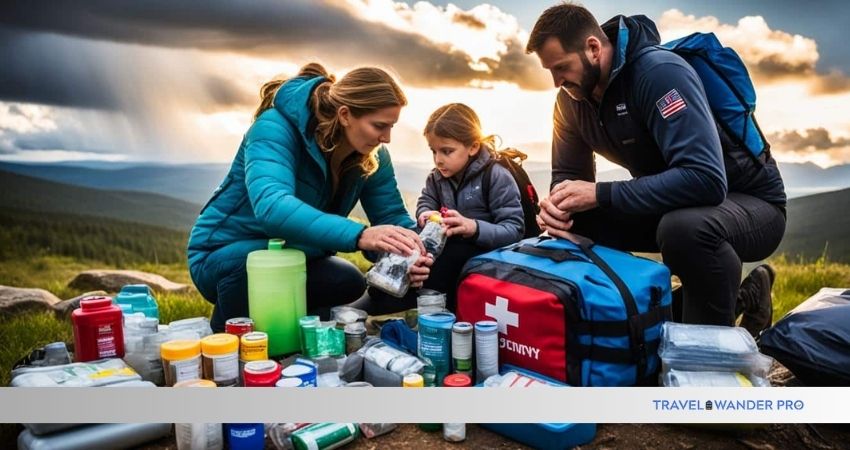
Assemble First Aid Kit
Include bandages, antiseptic wipes, and pain relievers in your kit. Add any personal medicine you need. Keep the kit small but complete. This kit helps treat minor injuries fast.
Include Important Documents
Carry copies of your passport, ID, and travel insurance. Store digital copies on your phone or cloud. Important papers speed up help in emergencies. Keep them safe and easy to reach.
Prepare Backup Resources
Bring extra phone chargers and power banks. Pack a flashlight and spare batteries. Have some cash in local currency. Backup tools keep you connected and prepared for power loss.
Credit: blog.oncallinternational.com
Frequently Asked Questions
What Are The Key Steps To Create A Travel Emergency Plan?
Start by listing emergency contacts and local emergency numbers. Pack a basic first aid kit and copies of important documents. Share your plan with family or friends before traveling.
How Can I Stay Safe During Unexpected Travel Emergencies?
Stay calm and find a safe place immediately. Contact local authorities or your country’s embassy for help. Keep your phone charged and carry extra cash or cards.
What Essential Items Should Be In A Travel Emergency Kit?
Include a flashlight, first aid supplies, extra phone charger, and important documents. Pack some snacks, water, and any required medications. A whistle or small tool can be useful too.
Why Is Sharing My Travel Emergency Plan Important?
It helps others know how to reach you or assist if needed. Sharing details can speed up help during an emergency. It also gives peace of mind to your loved ones.
How Do I Prepare For Medical Emergencies While Traveling?
Know your health insurance coverage abroad and carry your insurance card. Learn basic first aid and carry prescribed medications with you. Identify nearby hospitals or clinics at your destination.
Conclusion
Preparing an emergency plan for travel keeps you safe and calm. It helps you handle surprises without stress. Know important contacts and carry necessary documents. Pack a small emergency kit with first aid items. Share your plan with family or friends before leaving.
Practice what to do in different situations. Staying ready makes your trip more enjoyable and secure. Planning ahead is a smart step every traveler should take. Stay alert, stay safe, and enjoy your journey with confidence.