Last Updated on August 24, 2026
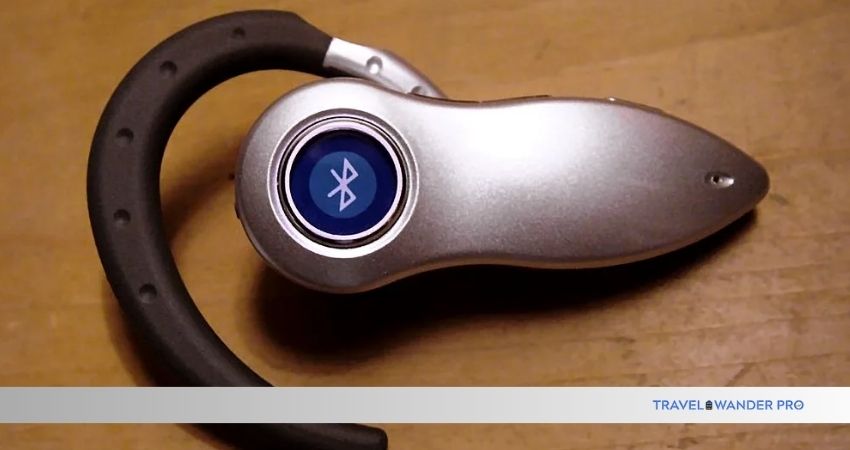
Bluetooth devices are wireless gadgets that link and exchange data over short distances.
I’ve spent years working with consumer gadgets, networks, and smart home installs, so I know how Bluetooth shapes everyday tech. This article answers What Are Bluetooth Devices and How Are They Used? in clear, practical terms. Read on for simple definitions, hands-on tips, security guidance, buying advice, and real-world examples that make Bluetooth easy to use and safe.

What Are Bluetooth Devices and How Are They Used? — Definition and Basics
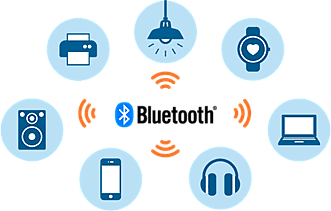
What Are Bluetooth Devices and How Are They Used? is a question about a wireless standard and the gadgets that use it. Bluetooth devices are electronics that use radio waves to form short-range links between phones, speakers, watches, computers, and more. The core idea is simple: devices talk to one another without cables using standard rules called Bluetooth protocols.
Key points about Bluetooth basics:
- Bluetooth operates in the 2.4 GHz band and uses frequency-hopping to reduce interference.
- There are classic Bluetooth modes for audio and data and Bluetooth Low Energy (BLE) for low-power sensors.
- Pairing establishes trust. After pairing, devices use encryption and device addresses to communicate.
I’ll use plain examples and practical steps so you can understand What Are Bluetooth Devices and How Are They Used? from both a user and technical view.
How Bluetooth Works: Protocols, Pairing, and Profiles
Explaining What Are Bluetooth Devices and How Are They Used? means covering how they actually connect and transfer data. Bluetooth stacks define profiles that tell devices what they can do. For example, the A2DP profile sends stereo audio to headphones while the HID profile lets a keyboard send keystrokes.
How the connection process works:
- Discovery: Devices scan and advertise their presence.
- Pairing: Devices exchange keys and often require a PIN or confirmation.
- Bonding: Devices save the pairing so they reconnect automatically later.
- Profile negotiation: Devices agree which Bluetooth profiles to use.
Technical evolution:
- Bluetooth Classic is ideal for streaming audio and sustained data links.
- Bluetooth Low Energy (BLE) is optimized for periodic, low-energy messages, like fitness trackers.
- Recent versions improved speed, range, and coexistence with Wi‑Fi.
These mechanics answer What Are Bluetooth Devices and How Are They Used? by showing the rules that govern real-world interactions.

Common Types of Bluetooth Devices
When readers ask What Are Bluetooth Devices and How Are They Used?, they often mean which gadgets use Bluetooth. Here’s a clear list.
Common categories:
- Audio devices: headphones, earbuds, speakers, hearing aids.
- Input devices: keyboards, mice, game controllers.
- Wearables: smartwatches, fitness bands, heart-rate monitors.
- Smart home: bulbs, locks, thermostats, sensors.
- Automotive: hands-free kits, infotainment, tire-pressure sensors.
- Health and medical: glucose meters, pulse oximeters.
- Industrial and IoT: beacons, asset trackers, environmental sensors.
Each device type uses different Bluetooth profiles and power modes. Knowing the type helps pick the right device and solve issues faster.
Practical Uses and Everyday Examples
Answering What Are Bluetooth Devices and How Are They Used? means showing how they fit into daily life. Here are practical examples I use and recommend.
Real-world uses:
- Listening to podcasts on wireless earbuds during commutes.
- Pairing a Bluetooth keyboard to a tablet for writing.
- Using a smartwatch to receive notifications from a paired phone.
- Connecting a phone to car audio for hands-free calling and navigation.
- Deploying BLE sensors to monitor temperature in a smart home.
From my experience, the most satisfying Bluetooth setups are those where devices auto-reconnect and stay secure. A clear naming convention helps when multiple devices appear during discovery.

Security, Privacy, and Best Practices
If you care about What Are Bluetooth Devices and How Are They Used?, you must also care about security. Bluetooth offers encryption, but user behavior matters.
Security tips:
- Turn Bluetooth off when not in use to reduce exposure.
- Use the latest firmware to patch vulnerabilities.
- Avoid pairing in public places when possible.
- Remove old pairings from devices you no longer use.
- Prefer devices that support secure simple pairing and BLE privacy features.
Limitations exist. Pairing dialogs can vary by platform, and some legacy devices use weak PINs. Be honest about risks and update devices regularly.
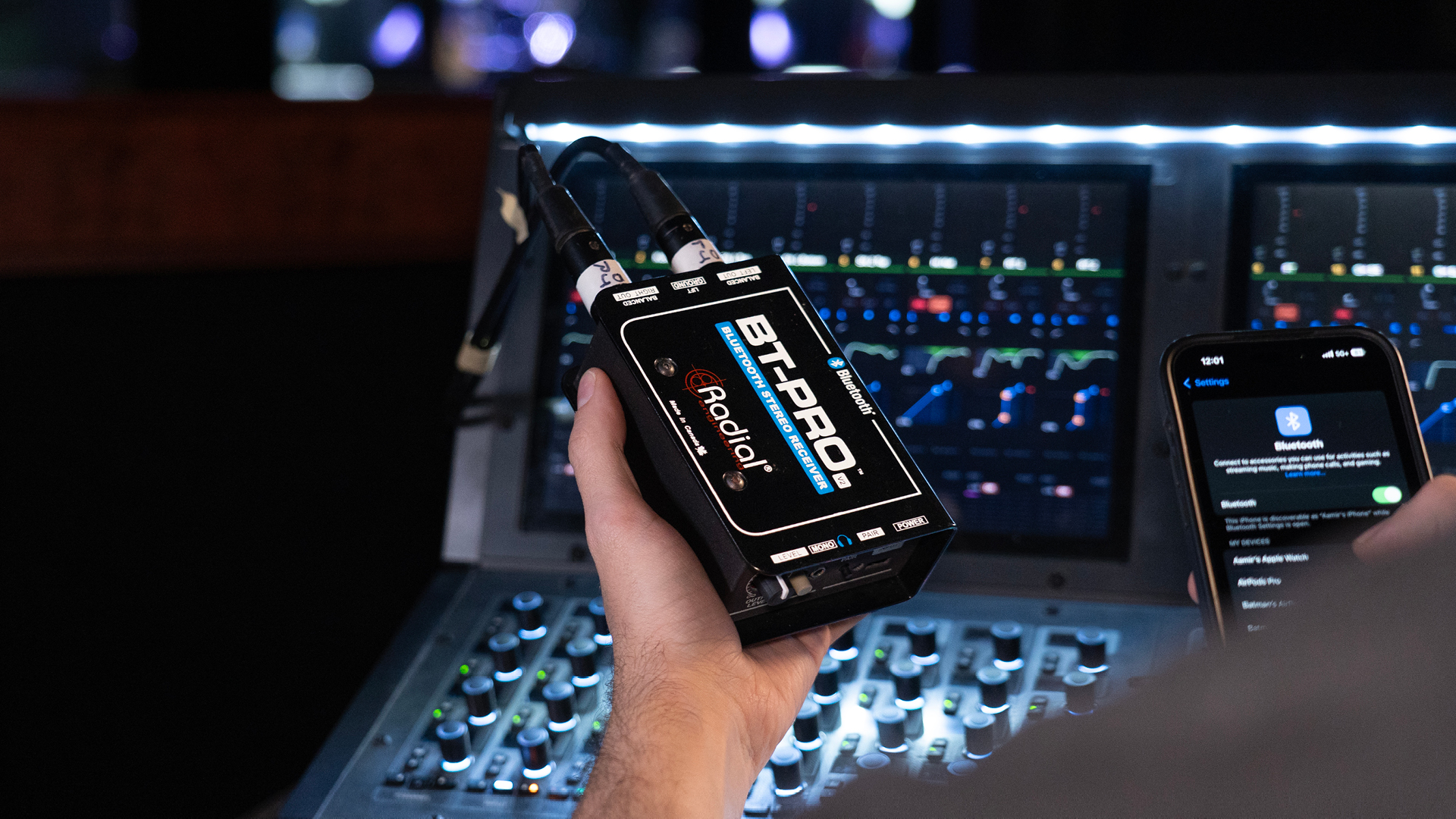
Troubleshooting Common Bluetooth Problems
When people ask What Are Bluetooth Devices and How Are They Used?, they often run into pairing or audio problems. Here are simple fixes I rely on.
Quick troubleshooting steps:
- Restart both devices and try pairing again.
- Ensure devices are within typical range (about 10 meters for many devices).
- Check battery levels; low power reduces transmit strength.
- Clear saved pairings on both devices and re-pair from scratch.
- Update device drivers and firmware if available.
If audio stutters, move away from Wi‑Fi routers or microwave ovens. For intermittent disconnects, try forgetting the device and creating a new bond.
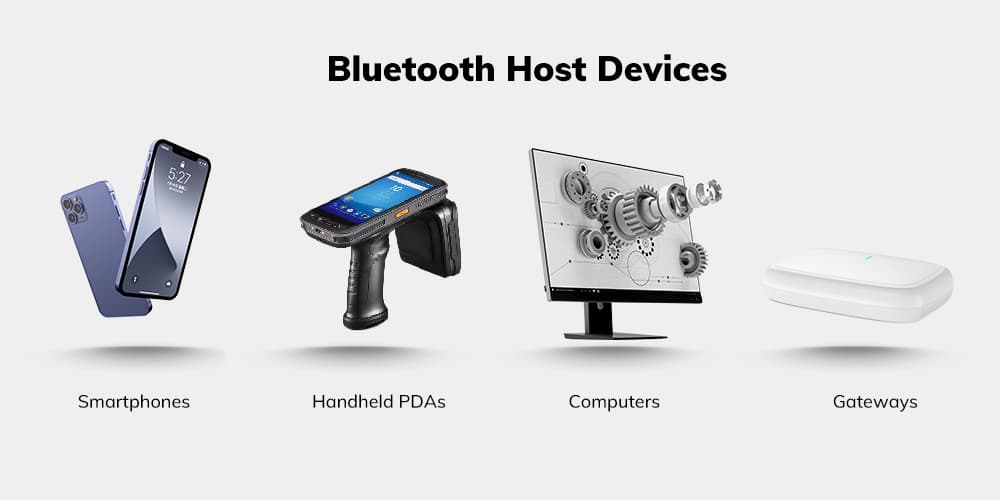
Buying Guide: Choosing the Right Bluetooth Device
To answer What Are Bluetooth Devices and How Are They Used? for shoppers, follow these actionable tips. I test gear regularly and look for practical value.
Buying checklist:
- Confirm the Bluetooth version and profiles you need (A2DP for audio, BLE for sensors).
- Look for multi-point support if you want one headset to connect to multiple sources.
- Check battery life claims and real-world reviews.
- Prioritize firmware update support from the manufacturer.
- Consider warranty and customer support reputation.
A well-chosen Bluetooth device saves time and reduces compatibility headaches.

Personal Experience: Lessons from Real Setups
I often help friends and clients set up smart homes. These experiences taught me what works and what doesn’t when explaining What Are Bluetooth Devices and How Are They Used?.
What I learned:
- Label devices clearly so family members can identify them during pairing.
- Central hubs or updated phones simplify managing many Bluetooth sensors.
- Some cheap devices skip security best practices; investing a bit more reduces long-term risk.
- Compatibility matrices matter. Check manufacturers’ notes for supported platforms.
One time, a smart lock failed because the door sensor used a different BLE profile than the hub. Replacing the sensor with a compatible model solved the issue fast. These hands-on lessons make Bluetooth practical.
People Also Ask (PAA) Style Questions
What Are Bluetooth Devices and How Are They Used? is a big topic. Here are short PAA answers to common sub-questions.
-
How far can Bluetooth devices communicate?
- Typical range is about 10 meters for consumer devices, but some Bluetooth versions and antennas extend to 100 meters or more in open space.
-
Can multiple devices connect to one Bluetooth device?
- Many devices support one-to-many connections, but true multi-point audio or many-sensor networks depend on the host’s capabilities and profiles.
-
Is Bluetooth secure enough for banking apps?
- Bluetooth uses encryption, but sensitive apps should use end-to-end protections on top of Bluetooth and follow platform security best practices.
Frequently Asked Questions of What Are Bluetooth Devices and How Are They Used?
What Are Bluetooth Devices and How Are They Used? — simple summary
Bluetooth devices are gadgets that connect wirelessly over short ranges using standardized protocols. They are used for audio, data transfer, remote control, and sensing in everyday products.
How do I pair a Bluetooth device?
Turn on Bluetooth on both devices, make one discoverable, select it from the other device’s list, and confirm any PIN or code if prompted. Once paired, many devices will reconnect automatically in the future.
Why is my Bluetooth audio choppy?
Audio can be choppy due to interference, low battery, distance, or outdated drivers. Move closer, charge devices, and update firmware to improve playback.
What’s the difference between Bluetooth Classic and BLE?
Bluetooth Classic handles high-bandwidth tasks like audio streaming, while BLE focuses on low-energy, intermittent data like sensor updates. Choose the type based on power and data needs.
Can Bluetooth devices be hacked?
Bluetooth has had vulnerabilities, but keeping devices updated and following best practices reduces risk. Avoid pairing in public places and remove unused pairings to limit exposure.
Conclusion
Understanding What Are Bluetooth Devices and How Are They Used? helps you pick the right gear, set it up securely, and troubleshoot problems quickly. Bluetooth powers many everyday conveniences, from earbuds to smart locks, and small choices—like keeping firmware current and turning off unused radios—make a big difference. Try applying one tip today: audit the Bluetooth pairings on your phone and remove devices you don’t recognize. If you found this helpful, leave a comment, share your experience, or subscribe for more practical guides.