Last Updated on August 24, 2026
Choose a lightweight mirrorless camera with stabilization, long battery life, and easy lens options for travel.
I’ve guided travelers, bloggers, and pro shooters for years on how to choose a camera for travel. This guide breaks the choice into clear steps. You’ll learn the right camera type, the key specs that matter, how lenses and gear affect your trip, and real-world tips I learned from shooting in crowded cities and remote trails. Read on to make a confident, practical choice that fits your travel style and photos.
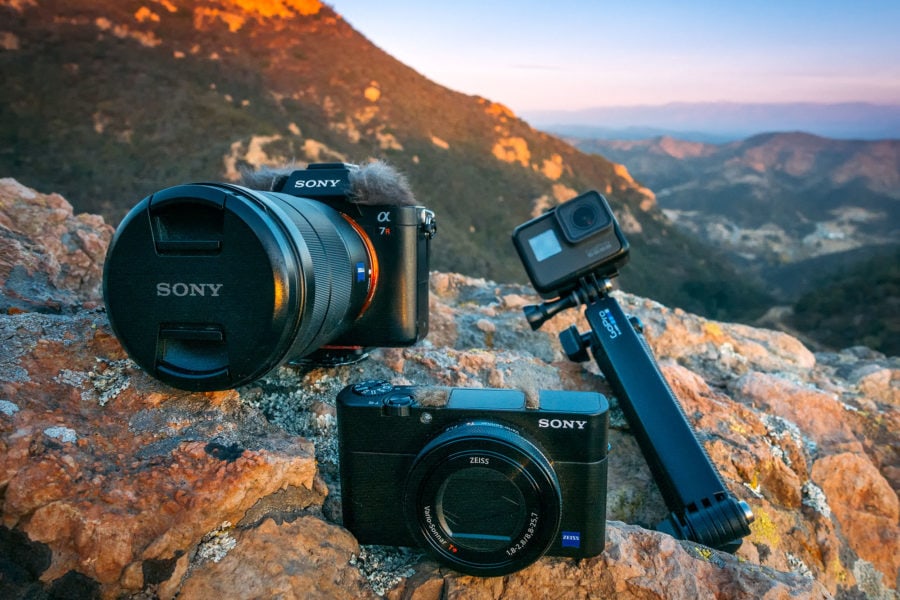
How to Choose a Camera for Travel: Key Factors
Picking the right camera for travel starts with matching gear to how you travel and the photos you want. Think about size, weight, image quality, battery life, durability, and how easy the camera is to use on the move. These core factors will shape every other decision.
Here are the main things to weigh:
- Size and weight — Lighter cameras let you explore longer and carry less.
- Image quality — Sensor size and lens quality decide sharpness and low-light performance.
- Stabilization — Built-in stabilization helps when you shoot handheld.
- Battery life and spares — A small camera with poor battery life can ruin a day.
- Durability and weather sealing — Essential for outdoor or adventure travel.
- Connectivity — Wi-Fi or Bluetooth helps you back up and share quickly.
- Lenses and versatility — Interchangeable lenses add flexibility but add weight.
If you focus on these essentials, you make decisions that suit your trips, not marketing hype. How to choose a camera for travel is mostly about trade-offs. Decide which trade-offs you will accept and which you won’t, then pick the model that fits.
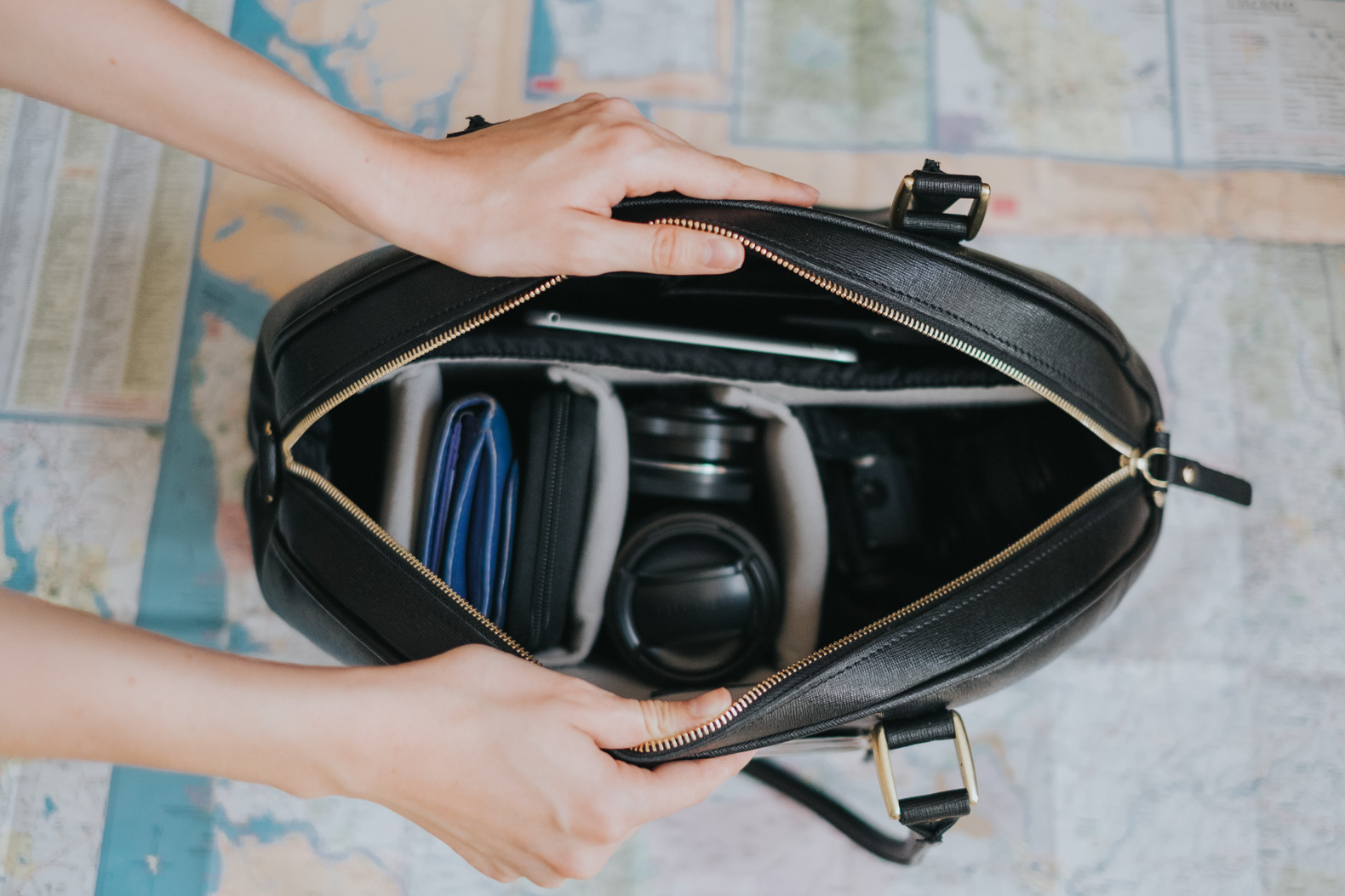
Camera Types: Pros and Cons for Travel
Different camera types suit different travel styles. Here’s a quick, clear breakdown.
- Point-and-shoot / Compact cameras
- Pros: Small, pocketable, easy to use.
- Cons: Limited zoom and low-light ability.
- Smartphone cameras
- Pros: Always with you, great for instant sharing and light travel.
- Cons: Limited sensor size, less control for creative shots.
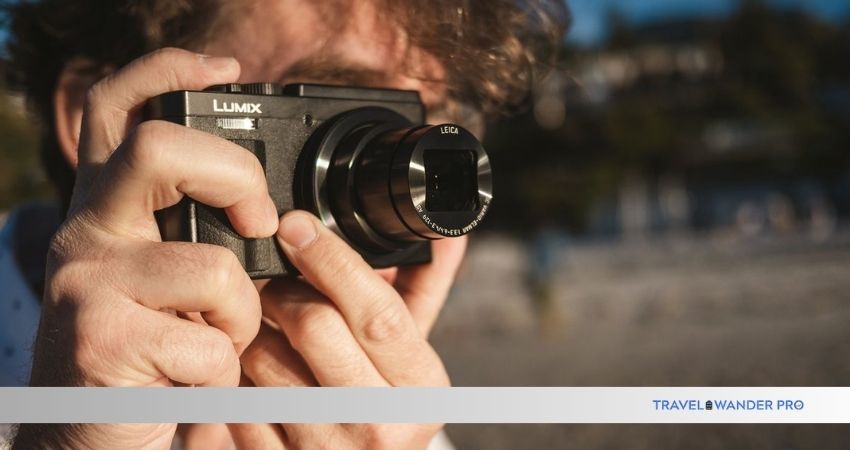
- Mirrorless cameras
- Pros: Great image quality, lighter than DSLRs, strong lens ecosystem.
- Cons: Can get expensive with multiple lenses.
- DSLR cameras
- Pros: Robust, excellent battery life, broad lens choices.
- Cons: Heavier and bulkier.
- Bridge cameras and travel zooms
- Pros: Huge zoom range in one body.
- Cons: Smaller sensors limit image quality in low light.
Think: are you backpacking, city-hopping, or doing a photo tour? For fast, flexible travel, mirrorless often offers the best balance of size and quality. If you need one-lens simplicity, a high-end compact or travel zoom might be better. Use these pros and cons to match a camera to your trip style.
Essential Specs Explained
Understanding specs helps you avoid marketing traps. Here’s what matters most.
- Sensor size
- Larger sensors (APS-C, full-frame) give better image quality and low-light performance.
- Smaller sensors (1-inch, micro four thirds) are lighter but struggle in low light.
- Megapixels
- More megapixels help large prints and cropping. Don’t chase numbers alone.
- Aperture and lens speed
- Wider apertures (f/1.8, f/2.8) help in low light and create soft backgrounds.
- Image stabilization (IBIS or lens IS)
- Stabilization helps handheld shooting and slower shutter speeds.
- Autofocus
- Look for fast, reliable autofocus with subject tracking for moving scenes.
- Video capabilities
- 4K is common now. Consider bit rates and overheating for long shoots.
- Battery life and charging
- Carry a spare battery or a power bank for USB-chargeable cameras.
- Connectivity and storage
- Wi-Fi, Bluetooth, dual card slots, and UHS-II support matter for backup and speed.
When you ask how to choose a camera for travel, focus on a handful of specs that align with your use. For me, stabilization and battery life beat an extra megapixel every time.
Lenses and Accessories for Travel
Lenses define what you can photograph. Accessories keep you shooting.
Recommended lens strategies:
- One versatile zoom
- 24–70mm or 24–105mm equivalent covers most travel needs with less kit.
- One compact prime
- A 35mm or 50mm prime is small, bright, and great for street scenes.
- Telephoto for wildlife or distant subjects
- Consider a lightweight zoom like 70–200mm if needed.
- Macro or wide-angle only if your trip demands it
Must-have accessories:
- Extra batteries and memory cards
- Compact tripod or tabletop tripod
- Quality camera strap or sling for comfort
- Weather protection: rain cover or dry bag
- Small cleaning kit and microfiber cloth
Pack only what you will use. Lenses add weight fast. I once carried three heavy lenses and used only one — a lesson that reshaped how I pack.

Budgeting and Real-World Scenarios
Your budget determines options, but smart choices beat high price tags.
Budget tiers and who they suit:
- Under $500
- Good point-and-shoots or older mirrorless/used models. Great for casual travelers.
- $500–$1,200
- Entry-level mirrorless or compact pro cameras. Best balance of price and quality.
- $1,200–$2,500
- Mid-range mirrorless or entry full-frame. For enthusiasts who want better low-light and lenses.
- $2,500+
- Pro bodies and fast glass for demanding work and professional trips.
Scenario picks:
- Backpacking light — Compact mirrorless or high-end compact.
- City travel and street photography — Small mirrorless with a 35mm prime.
- Adventure travel — Rugged compact, weather-sealed mirrorless, or action camera.
- Vlogging — Mirrorless with flip screen, mic input, and good autofocus.
How to choose a camera for travel here means matching budget to the scenes you want to capture. Don’t overspend on gear that solves problems you don’t have.
Packing, Care, and Practical Tips
Packing smart keeps gear safe and ready.
Packing tips:
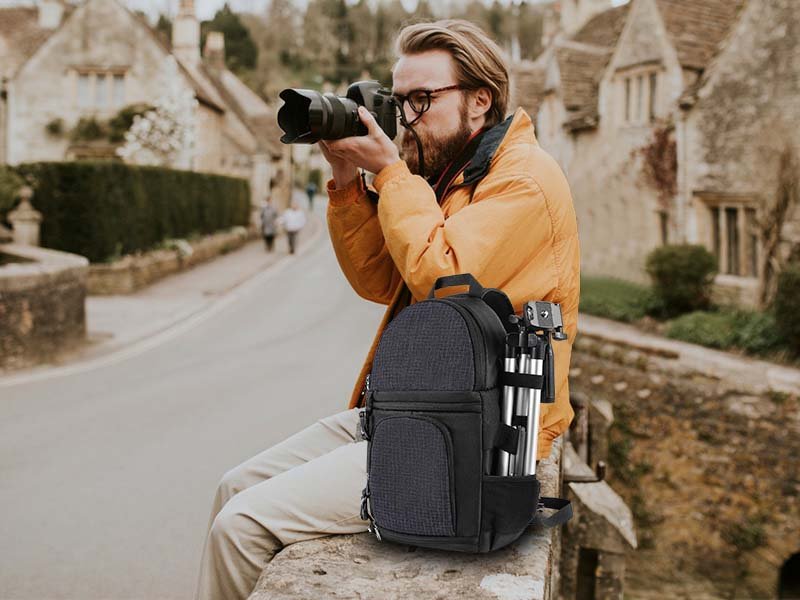
- Keep a daily kit with one body, one lens, battery, and cards.
- Use a carry-on or daypack and keep gear close while traveling.
- Use silica packs to control moisture in humid climates.
- Insure your camera if it’s valuable to your work.
Shooting tips on the road:
- Shoot RAW when you need flexibility editing.
- Use in-camera stabilization or a small tripod for low-light shots.
- Charge at night and rotate batteries.
- Back up photos to a portable drive or cloud each day.
I once lost a day of shots due to a corrupted card. Now I back up twice each day. It’s simple and saves heartache.
Buying Used, Renting, or Upgrading
Not sure whether to buy new? Try renting or buying used.
- Renting
- Rent for a special trip or to test a camera before buying. It’s cost-effective for one-off needs.
- Buying used
- Check shutter count and condition. Reputable dealers often offer short warranties.
- Upgrading
- Upgrade when lenses or workflow require it, not just for the newest model.
These options let you test how to choose a camera for travel without overspending. Renting a higher-end mirrorless for a week taught me whether I truly needed full-frame — I sometimes did, but not always.
My Experience: Lessons and Mistakes
I’ve shot in rainy islands, deserts, and crowded markets. Here are what I learned.
- Travel light — I stopped carrying three camera bodies and freed up weight.
- Prioritize easy-to-use gear — Complex menus slow you down on the street.
- Protect batteries from cold — Cold drains power fast; keep spares warm.
- Don’t ignore comfort — A bad strap will ruin your day.
- Learn simple editing — Quick edits make photos travel-ready fast.
These lessons shaped how I advise others on how to choose a camera for travel. Practical use beats specs on paper.
People also ask
Which camera type is best for travel photos?
Mirrorless cameras often offer the best mix of image quality, light weight, and lens choices for travel. High-end compacts and smartphones can also be excellent for casual travel.
How much should I spend on a travel camera?
Spend what matches your goals and trips. For serious travel photography, $800–$2,000 usually gets a solid mirrorless kit and a versatile lens.
Do I need interchangeable lenses for travel?
Interchangeable lenses add flexibility but increase weight. One versatile zoom and one prime cover most travel needs.
Frequently Asked Questions of How to Choose a Camera for Travel
What is the best camera for backpacking?
Choose a lightweight mirrorless or compact camera with good battery life and stabilization for long hikes and minimal gear.
Can I use my smartphone instead of a camera for travel?
Yes. Modern smartphones take excellent photos and are ideal for light travel and instant sharing, but they have limits in low light and zoom.
How important is image stabilization for travel photography?
Very important. Stabilization reduces blurry shots when shooting handheld and lets you use slower shutter speeds without a tripod.
Should I prioritize sensor size or lens quality?
Both matter, but lens quality often has a bigger effect on final image quality than an extra sensor size step. Aim for a balance.
How many lenses should I bring on a trip?
Bring one versatile zoom and one small prime. Add telephoto only if you expect wildlife or sports; keep weight in mind.
Is weather sealing necessary for travel cameras?
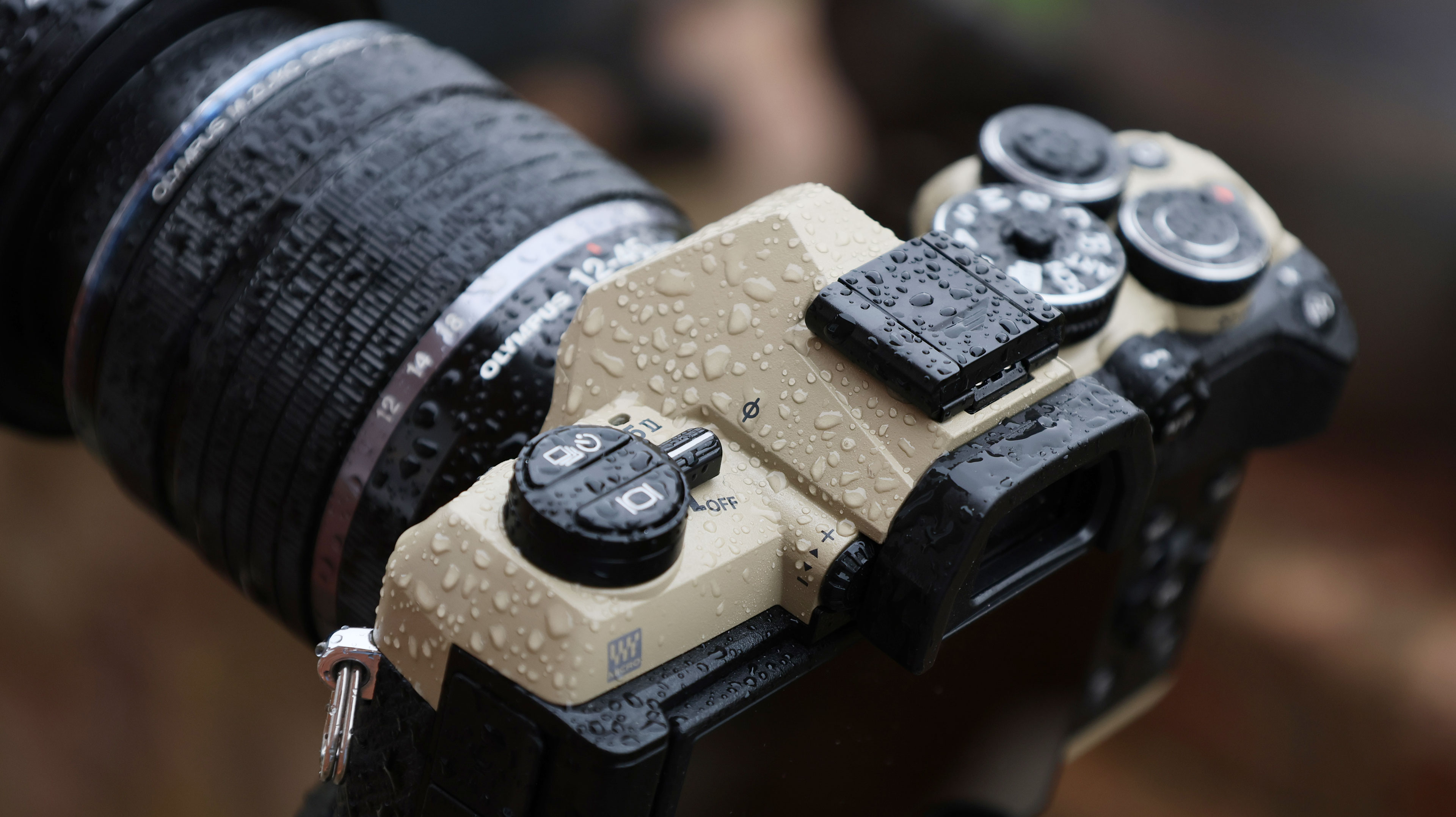
If you travel in rain, snow, or dusty environments, weather sealing is highly recommended to protect your gear.
Conclusion
Choosing gear is a personal trade-off. Match size, image quality, and durability to your travel plans. Prioritize stabilization, battery life, and a versatile lens. Test and rent if unsure, and pack light. Takeaction: pick one camera to try on a short trip, practice with it, and refine your setup from real experience. If this guide helped, subscribe for more travel camera tips or leave a comment about your next trip.