Last Updated on August 2, 2026
Traveling across different time zones can throw off your body clock and leave you feeling tired and out of sync. But it doesn’t have to ruin your trip.
Imagine stepping off the plane feeling refreshed and ready to explore, no matter where you are in the world. You’ll discover simple, effective tips to help you adjust quickly and enjoy every moment of your journey. Keep reading to learn how you can beat jet lag and make the most of your travel experience.
Adjusting Your Sleep Schedule
Adjusting your sleep schedule is crucial when traveling across time zones. It helps minimize jet lag and keeps your energy levels balanced. The key is to prepare your body’s internal clock to match the new time zone as smoothly as possible.
Gradual Shift Before Departure
Start shifting your sleep schedule a few days before you leave. Move your bedtime and wake-up time by 30 to 60 minutes closer to your destination’s time zone each day.
This small change eases your body into the new rhythm. I once flew from New York to Paris and adjusted my sleep by 45 minutes daily before the trip. It made waking up early in Paris much less painful.
Using Light Exposure
Light controls your body clock more than anything else. Spend time outside in natural light during the morning if you need to wake up earlier at your destination.
In the evening, avoid bright screens and dim your environment to signal your body it’s time to wind down. If you’re unsure when to expose yourself to light, apps like Timeshifter can guide you based on your itinerary.
Napping Smartly
Short naps can boost your alertness but long naps may confuse your body clock. Keep naps under 30 minutes to avoid deep sleep, which can make you groggy.
Plan naps to fill energy gaps rather than replace full sleep cycles. For instance, a 20-minute nap during a long layover can refresh you without messing up your nighttime sleep.
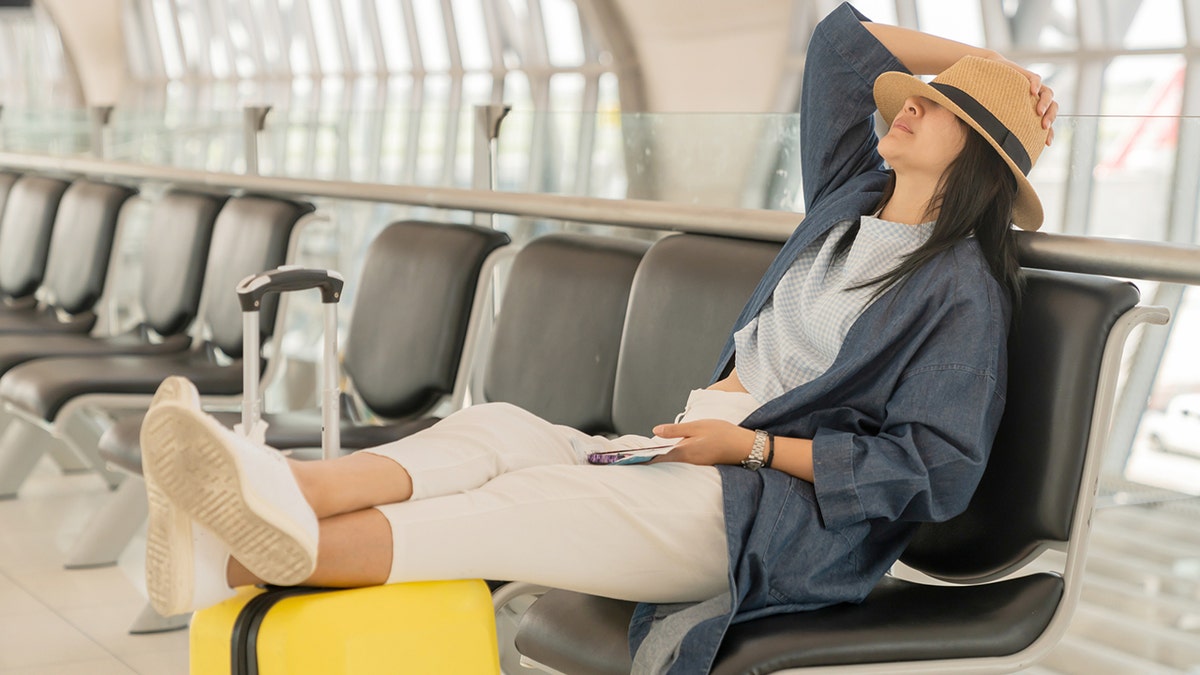
Credit: www.foxnews.com
Managing Jet Lag Symptoms
Jet lag can hit hard, leaving you tired, disoriented, and out of sync with your new environment. Managing these symptoms effectively helps you enjoy your trip and stay productive. Let’s look at practical ways to ease this common travel challenge.
Hydration And Nutrition Tips
Drinking plenty of water is one of the simplest ways to combat jet lag. Airplane cabins are dry, which can dehydrate you faster than usual. Keep a reusable water bottle handy and sip regularly throughout your flight and after landing.
Your food choices also play a big role. Avoid heavy, greasy meals during travel; they can make you feel sluggish. Instead, choose balanced meals rich in fruits, vegetables, and lean protein to keep your energy steady.
Have you noticed how caffeine affects your sleep? Limit coffee and energy drinks, especially close to bedtime in your new time zone. Opt for herbal teas or light snacks if you need a pick-me-up.
Exercise And Movement
Staying active helps reset your body clock faster. Stretching or walking around the airport and airplane breaks up long periods of sitting and improves circulation. This can reduce fatigue and stiffness upon arrival.
Once you reach your destination, try to get outside during daylight hours. Natural light signals your brain to adjust to the new time zone. Simple activities like a morning jog or an evening stroll can make a big difference.
Think about your own routines—how does moving your body impact your energy levels? Using exercise strategically can help you fight jet lag without medication.
Using Sleep Aids Wisely
Sleep aids, like melatonin supplements, can help regulate your sleep cycle but should be used carefully. Taking melatonin at the wrong time can confuse your body clock even more. Aim to take it 30-60 minutes before your desired bedtime in the new time zone.
Avoid relying on sleeping pills for long trips; they can cause grogginess and don’t address the root issue. Instead, focus on creating a comfortable sleep environment with darkness, cool temperature, and minimal noise.
Have you tried adjusting your sleep schedule before traveling? Gradually shifting your bedtime a few days ahead can reduce dependence on aids and ease the transition.
Planning Activities Around Time Zones
Planning your activities around different time zones is key to making the most of your trip. It helps you stay productive, enjoy local culture, and maintain your energy levels. Getting this right can turn a confusing schedule into a smooth, enjoyable experience.
Scheduling Important Tasks
Identify your priority tasks and fit them into the local time when you feel most alert. If you’re traveling east, you might find mornings harder, so plan demanding work for the afternoon. On a trip to the west, mornings can be your power hours.
Use tools like world clocks or calendar apps that adjust for time zones automatically. This helps avoid missing meetings or deadlines. Have you ever missed an important call just because of a time zone mix-up?
Adapting To Local Mealtimes
Eating at local mealtimes helps reset your body clock faster. It also gives you a chance to try new foods and enjoy local dining customs. For example, if locals eat dinner at 9 PM, waiting to eat then can help you blend in and feel more settled.
Try to gradually shift your meal times a few days before traveling. This reduces the shock to your system. Have you noticed how hunger signals can get confusing when crossing time zones?
Timing Social Interactions
Socializing at the right time can boost your mood and help you connect with locals or fellow travelers. Avoid contacting friends or family back home at odd hours. Instead, plan calls during overlapping waking hours to keep relationships strong without disturbing anyone.
Consider local customs for social hours, like afternoon tea in some countries or late-night gatherings in others. This awareness can open doors to unique experiences. When was the last time you changed your social schedule to match a new place?

Credit: www.yahoo.com

Credit: www.youtube.com
Frequently Asked Questions
How Can I Adjust My Sleep Schedule For New Time Zones?
Gradually shift your sleep time by one hour daily before traveling. This helps your body adapt.
What Are The Best Tips To Avoid Jet Lag?
Stay hydrated, avoid caffeine, and get sunlight to reset your internal clock quickly.
How Does Light Exposure Help With Time Zone Changes?
Light controls your body clock. Morning light wakes you up; evening light helps you sleep.
Should I Take Naps When Crossing Multiple Time Zones?
Short naps can help, but avoid long naps to prevent worsening jet lag.
What Foods Help Reduce Travel Fatigue Across Time Zones?
Eat light meals with protein and vegetables. Avoid heavy, greasy foods that cause tiredness.
Conclusion
Traveling across time zones can be challenging. Simple preparation helps. Adjust your sleep schedule before traveling. Stay hydrated and eat light meals. Move around during flights to boost circulation. Use apps to track local time. Rest when you arrive. Explore at your pace.
Listen to your body. Feel tired? Take short naps. Enjoy local culture and sights. Experience new places with a fresh mind. These tips make time zone travel smoother. Enjoy your journey. Safe travels!