Last Updated on August 2, 2026
Traveling during a pandemic can feel risky and overwhelming. You want to explore new places and enjoy your trip, but staying safe is your top priority.
What if you could protect yourself and your loved ones without missing out on the adventure? You’ll discover simple, practical tips that make traveling safer and less stressful. Keep reading, and learn how to take control of your journey while keeping health risks low.
Your next trip can be both exciting and safe—here’s how.
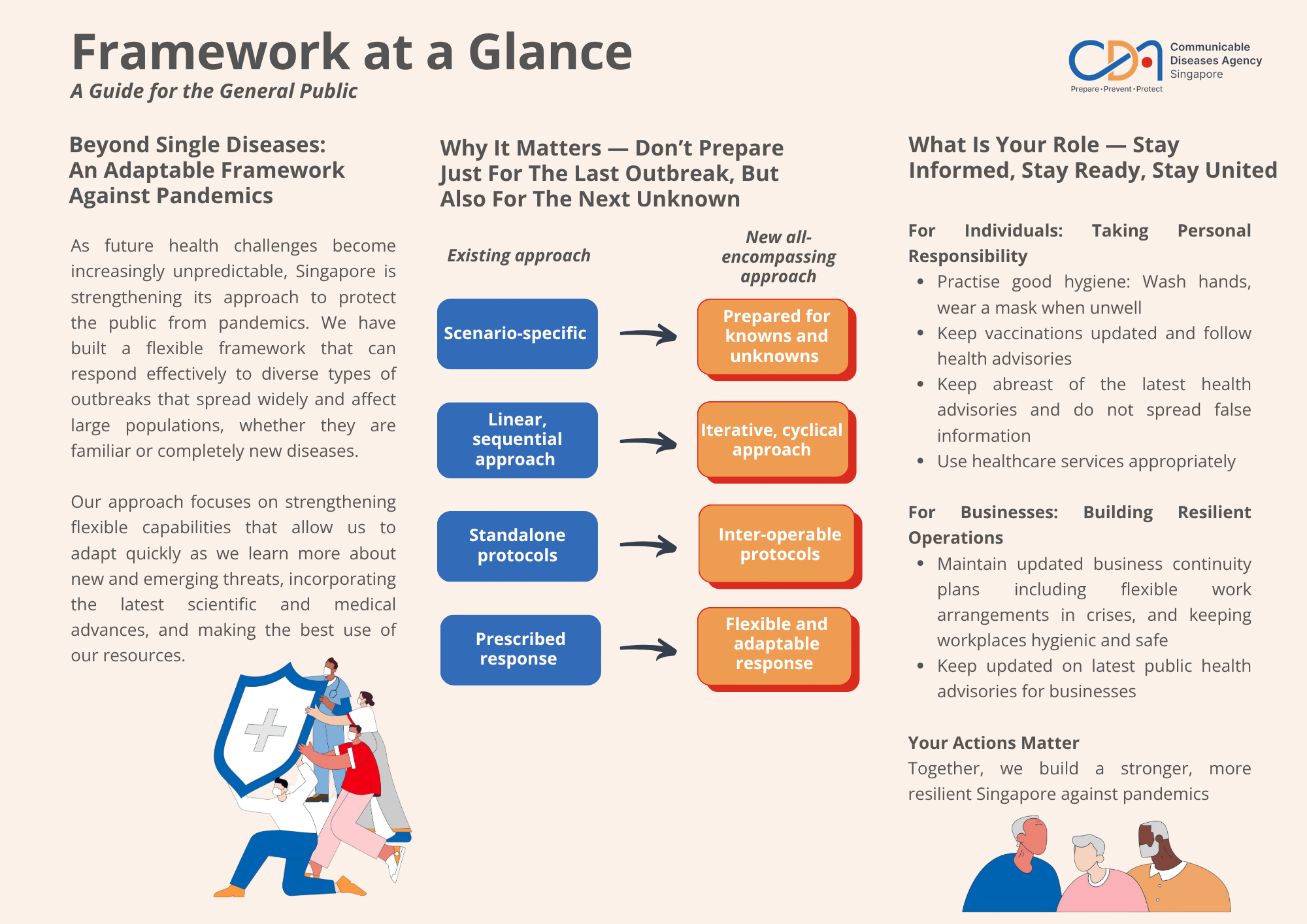
Credit: www.cda.gov.sg
Preparing Your Trip
Preparing your trip during a pandemic means more than just packing your bags. It requires thoughtful planning to keep yourself and others safe. Every choice you make before leaving home can impact your travel experience and health.
Researching Travel Restrictions
Check the latest rules for your destination and any places you’ll stop along the way. Restrictions can change quickly, so look at official government websites and local health authorities. Pay attention to testing requirements, quarantine rules, and mask mandates.
Have you ever booked a trip only to find out last minute that entry rules changed? Avoid this by setting alerts for updates on travel restrictions. Knowing what to expect helps you avoid surprises and plan better.
Packing Health Essentials
Your suitcase should include more than clothes. Bring a supply of masks, hand sanitizer, disinfectant wipes, and a digital thermometer. These items help you stay protected and monitor your health on the go.
Consider adding a small first-aid kit with over-the-counter medicine and any personal prescriptions. You never know when you might need them, especially if local stores are closed or stocked out. Packing smart keeps you prepared for unexpected situations.
Booking Flexible Accommodations
Choose hotels or rentals that offer free cancellations or easy rescheduling. This flexibility is crucial if your plans change due to health issues or new travel restrictions. Many places now highlight their flexible policies—look for those options.
Think about accommodations with enhanced cleaning protocols and contactless check-in. These features reduce contact and lower your risk of exposure. Have you checked if your hotel offers these safety measures before booking?

Credit: srs.ubc.ca
Staying Safe While Traveling
Traveling during a pandemic requires extra care and attention. Staying safe protects you and others around you. Simple habits can reduce your risk significantly.
Focus on hygiene, choose safe transport, and avoid crowded spots. These steps keep your journey safer and more comfortable.
Maintaining Hygiene Practices
Keep your hands clean by washing them often with soap and water. Use hand sanitizer when soap is not available. Avoid touching your face, especially eyes, nose, and mouth. Carry disinfectant wipes to clean surfaces like seats, handles, and trays. Wear a face mask properly to cover nose and mouth at all times.
Choosing Safe Transportation
Pick transportation options with good ventilation. Prefer private cars or taxis over crowded buses or trains. Check if the vehicle is cleaned regularly. Maintain distance from others while waiting or inside the vehicle. Avoid touching surfaces unnecessarily during your trip.
Avoiding Crowded Places
Plan your travel to avoid busy times and locations. Stay away from crowded airports, stations, and tourist spots. Choose outdoor places over indoor ones whenever possible. Keep a safe distance from others in lines or waiting areas. Use apps or websites to check crowd levels before traveling.
Managing Health Emergencies
Managing health emergencies while traveling during a pandemic requires quick thinking and preparation. Your ability to recognize symptoms early, find medical help promptly, and handle quarantine situations can make a huge difference in your safety and peace of mind. Let’s break down these crucial steps to help you stay in control no matter where you are.
Recognizing Symptoms
Pay close attention to your body. Common symptoms like fever, cough, fatigue, or sudden loss of taste and smell could signal an infection. You don’t have to wait until symptoms worsen—early recognition helps you act faster.
Keep a simple checklist on your phone or notebook. Note any new or unusual signs immediately. Have you ever ignored mild symptoms only to regret it later? Don’t let that happen on your trip.
Accessing Medical Care
Before you travel, research local healthcare options near your accommodation. Knowing which hospitals or clinics accept travelers and what their hours are can save precious time. Some countries require you to have travel insurance that covers COVID-19 treatment—make sure you have that sorted.
If you start feeling unwell, contact a medical professional right away. Many places offer telemedicine services, so you can get advice without leaving your room. Keep emergency numbers handy and don’t hesitate to ask your hotel or host for help if you’re unsure where to go.
Handling Quarantine Situations
Quarantine might feel like a setback, but it’s your best defense against spreading illness. Prepare a quarantine kit with essentials like medications, snacks, chargers, and entertainment before you leave home. This small effort can keep you comfortable if you need to isolate.
Communicate clearly with your accommodation about your situation. Some hotels offer special quarantine packages or support services. How would you stay productive and positive if stuck in quarantine away from home? Planning your mental and physical health strategies ahead can make all the difference.
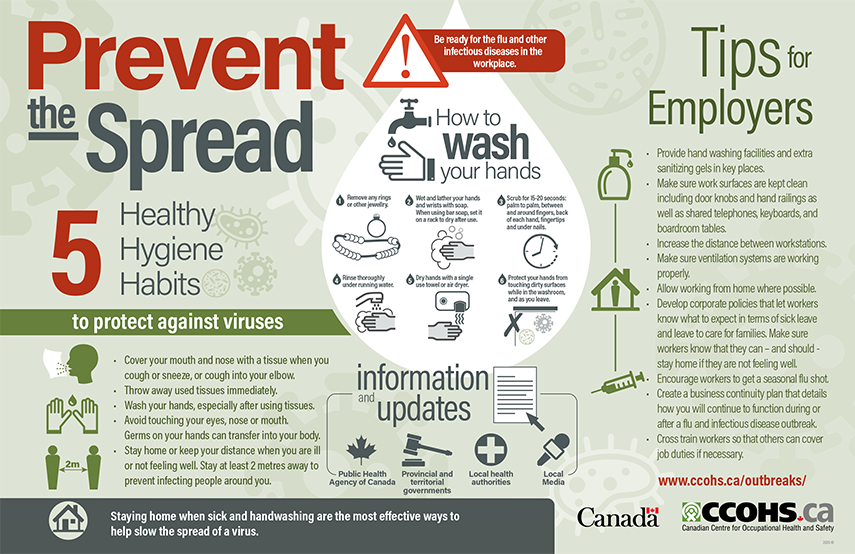
Credit: www.ccohs.ca
Frequently Asked Questions
What Are The Safest Travel Methods During A Pandemic?
Private cars and walking reduce contact with others and lower infection risk.
How Can I Protect Myself At Airports And Stations?
Wear masks, keep distance, and sanitize hands often in crowded places.
Is It Safe To Stay In Hotels During A Pandemic?
Choose hotels with strong cleaning rules and contactless check-in options.
What Travel Documents Are Required For Pandemic Safety?
Carry vaccination proof, negative test results, and follow local travel rules.
How To Handle Food And Drink Safely While Traveling?
Eat packed meals and drink bottled water to avoid crowded restaurants.
Conclusion
Traveling safely during a pandemic requires careful planning. Prioritize health and safety measures. Wear a mask in crowded places. Keep a sanitizer handy. Choose destinations with low infection rates. Stay informed about travel guidelines. Avoid unnecessary risks. Check local health advisories regularly.
Opt for contactless services when possible. Trust reliable sources for updates. Your safety comes first. Enjoy your journey responsibly. Remember, small steps make a big difference. Stay safe. Travel smart.