Last Updated on August 24, 2026
Manage cables and chargers by sorting, labeling, and using simple organizers to cut clutter fast.
I have spent years fixing messy desks and setting up tidy tech spaces for homes and small offices. I know how to manage cables and chargers efficiently, and I will show clear steps you can use today. This guide combines practical tips, safe habits, and tested setups so you get neat, reliable charging and less stress.

Why good cable care matters
Tangled cords slow you down. Loose chargers wear out faster and can cause safety hazards. Learning how to manage cables and chargers efficiently saves time, money, and frustration.
Benefits you’ll see
- Fewer lost chargers and fewer trips to buy replacements.
- Faster device setup and less desk clutter.
- Safer power use, with less risk of overheating or trips.
What happens when you ignore cable care
- Chargers fray and fail sooner.
- Dust, heat, and strain damage connectors.
- Wasted time untangling cables before meetings or travel.
Key terms and core principles
Define what you’re organizing. A cable is any cord that transmits power or data. A charger typically converts wall power to device power. Good cable management keeps these items accessible, safe, and long-lasting.
Core principles to follow
- Sort by function and frequency of use.
- Shorten or hide excess cable length.
- Label and group similar cables.
- Keep power and data lines separate when possible.
PAA-style quick questions
- How long should chargers last? Chargers can last years with care, but frayed or hot chargers should be replaced.
- Is cable organization worth it? Yes — it saves time and prevents damage.
- Can I mix power and data cables? You can, but separate when possible to reduce interference and heat.

Step-by-step setups for home and office
Follow these steps to set up a tidy charging area.
- Assess and remove
- Unplug all chargers. Toss broken or obsolete cables. Keep only what you use.
- Sort and group
- Group items by device and by use case, like daily, weekly, or rarely used.
- Choose a hub location
- Place a charging station near a power outlet and in a spot that fits your routine.
- Shorten and fix cables
- Use wraps, Velcro ties, or cable reels to remove slack.
- Label and store
- Label both ends of each cable. Store spares in a drawer or box with dividers.
Practical examples
- Desk setup: Put a multiport charger on the desk, route cables under the desk with clips, and use a cable box to hide the power strip.
- Living room: Use a small basket to hold a single multiport charger and keep a short charging cable for each device.
- Shared office: Create a labeled rack with labeled shelves and a checklist for each charger.
Travel and portable solutions
Travel makes cable clutter worse. Keep a travel kit ready.
Essentials for travel
- A small pouch for chargers and adapters.
- Short cables that match your devices.
- A multiport USB charger to reduce the number of plugs.
Tips for frequent travelers
- Roll cables neatly and secure them with bands.
- Use color-coded tags or small labels for fast ID.
- Keep a minimal backup — one extra cable per device type.
 maintenance, and longevity”
style=”max-width: 100%; height: auto; border: 2px solid black; border-radius: 10px; display: block; margin: 0 auto;”
loading=”lazy”
/>
Safety, maintenance, and longevity
Safety matters as much as neatness. Proper care keeps chargers working and prevents hazards.
Safety checklist
- Avoid bent connectors and frayed insulation.
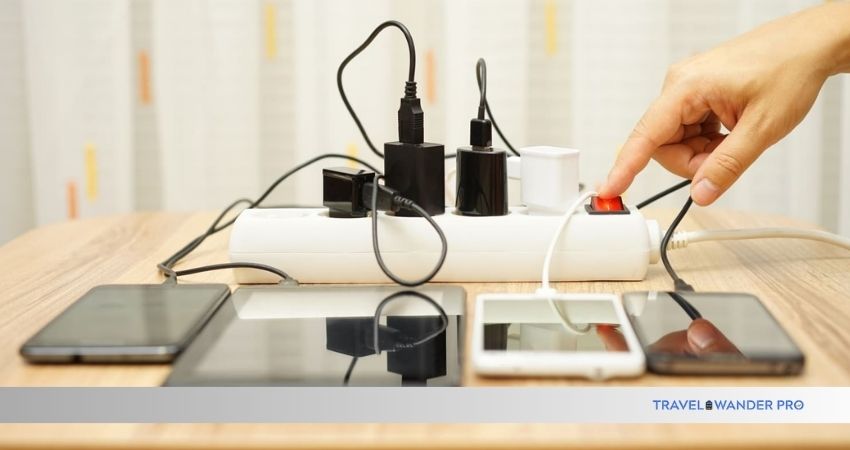
- Do not overload outlets or use damaged surge protectors.
- Keep chargers away from heat and liquids.
- Replace cables with exposed wires immediately.
Maintenance routine
- Wipe connectors with a dry cloth now and then.
- Test chargers monthly for heat or unusual smells.
- Rotate cables in heavy-use zones to extend life.
Sustainable and budget-friendly options
You don’t need to spend much to get neat cables. Small changes add up.
Low-cost solutions
- Reuse bread clips, twist ties, or fabric scraps as cable ties.
- Repurpose small boxes or jars to store chargers.
- Buy second-hand charging stations or simple cable clips.
Sustainability tips
- Repair plugs with heat-shrink tubing before tossing.
- Recycle old chargers at an electronics drop-off.
- Choose multiport chargers to cut the number of adapters you own.

Tools and products worth having
A few simple tools make a big difference.
Useful tools
- Velcro straps and cable ties for bundling.
- Cable clips and adhesive mounts to route lines.
- Label maker or masking tape and pen for clear labeling.
- Cable sleeves and raceways to hide groups of cords.
- A multiport charger or docking station to reduce outlet clutter.
How to pick them
- Match tool size to cable size. Thin cables need small clips.
- Choose re-usable ties for frequent changes.
- Check ratings on power equipment for safety.
My experience, mistakes, and lessons
I once set up a media desk with too-long cables that tangled under the table. I learned to measure before buying and to secure cables in stages. Simple steps saved the setup.
What I tested and learned
- Short cables make life easier. I swapped long cords for 1- to 3-foot versions.
- Labels matter. I used small colored stickers and never hunted for the right cable again.
- One central multiport charger cut charging time and outlet use in half.
Avoid these common mistakes
- Don’t stash heat-producing chargers in closed boxes without ventilation.
- Don’t mix power and fragile data cables in the same tight bundle.
- Don’t skip labeling — it costs seconds now but saves minutes daily.

How to Manage Cables and Chargers Efficiently — final tips
Keep a simple routine. Weekly checks and quick tidy-ups prevent big messes. Make low-effort habits like winding cables after use and keeping a dedicated basket for loose chargers. The phrase how to manage cables and chargers efficiently sums up this routine: sort, shorten, label, and store.
Repeat what works
- Use a dedicated spot for charging.
- Replace bad cables quickly.
- Keep a small toolkit for cable fixes.
Frequently Asked Questions of How to Manage Cables and Chargers Efficiently
How often should I replace chargers and cables?
Replace cables at the first sign of wear, fraying, or exposed wires. Chargers that get hot or smell bad should be swapped immediately.
Can I use one charger for many devices?
Yes. A multiport charger or USB-C PD hub can charge many devices safely if it has the right power rating for each device.
What is the best way to label cables?
Label both ends with short names or color codes. Use a label maker or write on masking tape with a permanent marker for clarity.
Are wireless chargers better for cable management?
Wireless chargers reduce cable ends but still need a power cable. They help some, but they do not remove the need to organize power leads.
How do I keep cables safe under a desk?
Use adhesive clips, cable trays, or a raceway to route cords. Avoid sharp bends and keep cables off the floor to reduce wear.
How can I stop chargers from overheating in a box?
Provide ventilation, avoid stacking hot adapters, and use a box with slots or a small fan if needed. Never seal power adapters in an airtight container.
Is it worth labeling phone charger ends?
Yes. Labeling saves time and reduces the risk of using the wrong charger on sensitive devices.
Conclusion
Tidy cables make daily life simpler. Follow the steps here: sort, shorten, label, and store. Start small with a travel pouch or a single multiport charger and build from there. Take a few minutes now to sort your cords, and you’ll save hours later. Try one tip this week and notice the difference — leave a comment to share your setup or ask a question.