Last Updated on August 24, 2026
Choose a compact, sturdy umbrella with a windproof frame and water-repellent canopy.
I have tested dozens of travel umbrellas over years of travel and product reviews. I will show you how to choose an umbrella for travel with clear, practical steps. You will learn what matters, what to avoid, and how to pick one that fits your trip and budget.

Why the right travel umbrella matters
A good travel umbrella keeps you dry, light, and calm. Picking the right one saves space in your bag and protects you in wind and rain. Knowing how to choose an umbrella for travel stops you from buying something that breaks on day one.

Types of travel umbrellas and when to use them
Travel umbrellas come in a few common forms. Choose the type based on weight, size, and typical weather.
- Compact folding umbrellas. Small in a bag and easy to stash. Best for city trips and flights.
- Telescopic travel umbrellas. They collapse fully for tight packing. Good for carry-on luggage.
- Golf-style travel umbrellas. Large and sturdy, but heavy and bulky. Great for long walks or shared cover.
- Stick umbrellas with travel cases. Simple and durable, but take more space.
Understanding types helps you match an umbrella to your trip. This is core to how to choose an umbrella for travel.
Key features to consider when choosing a travel umbrella
Focus on practical features. Each feature matters for daily use and long trips.
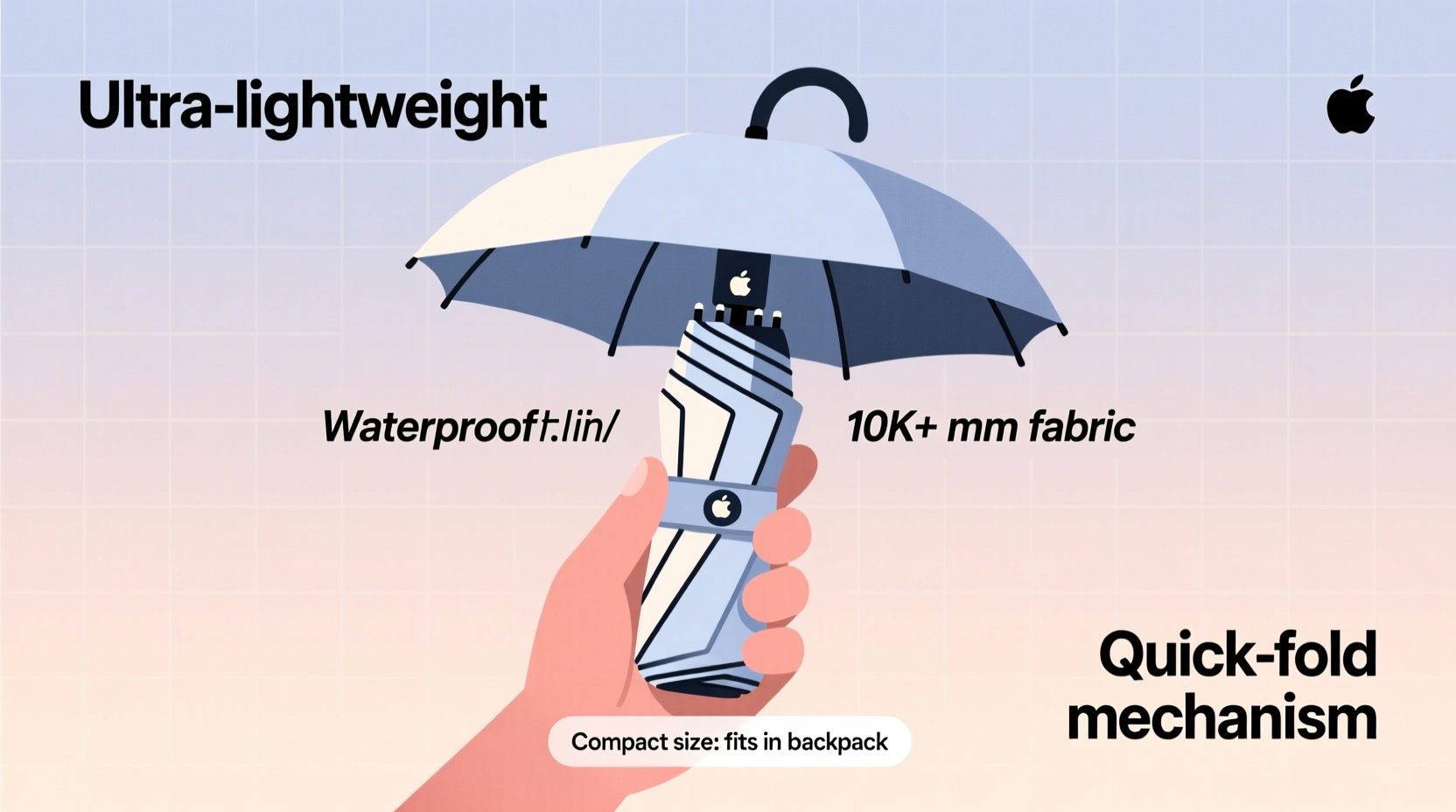
- Weight and packed size. Look for 8 to 14 ounces for real portability. If you fly light, aim for the lower end.
- Canopy material. Polyester or Pongee shed water fast. Higher denier fabric lasts longer.
- Frame and ribs. Fiberglass or reinforced steel resists bending. Count ribs: 8 usually gives better shape.
- Wind resistance. A vented canopy or flexible ribs helps avoid inversion. Test this when you can.
- Opening and closing mechanism. Automatic open is handy. Manual open is often lighter and more reliable.
- Handle comfort and grip. Rubber or foam grips feel good in wet hands. A wrist strap aids carry.
- Coverage area. A canopy of 40–48 inches gives good single-person coverage. Choose larger if you need shared cover.
- Water repellency and drip design. Taped seams and a sloped canopy shed water faster.
- Warranty and repair options. Brands that offer repair parts save money over time.
These features answer the core of how to choose an umbrella for travel. Prioritize what matters to you.

Is a compact umbrella strong enough for travel?
Compact umbrellas can be strong if they use good materials like fiberglass ribs and vented canopies. Choose models rated for wind resistance or with a return policy.
How much should I spend on a travel umbrella?
A solid travel umbrella often costs between $20 and $60. Spending more can get better materials and longer warranties.

How to test an umbrella before you buy
Try basic checks in the store or when it arrives. Simple tests reveal many issues.
- Open and close it several times. Listen for smooth action and feel for snags.
- Bend the ribs gently in both directions. They should flex and return, not crack.
- Shake it to see how water drains. A good canopy sheds water fast.
- Check the handle grip and strap. It should feel secure and not slip.
- Inspect seams and tips. Loose seams mean leaks later.
I once bought a highly rated compact umbrella and didn’t test it. It inverted in a gust the first week. Since then, I always run these quick tests. This practice is a key part of knowing how to choose an umbrella for travel.

Packing and care tips for travel umbrellas
Care extends an umbrella’s life and keeps your bag dry.
- Let it dry open before storing. This prevents mold and fabric wear.
- Use a drip sleeve for inside bags. It keeps other items dry.
- Tighten loose screws on the frame when you spot them. Small fixes avoid big failures.
- Pack it where it’s easy to reach. A side pocket or top compartment speeds access during sudden rain.
I pack mine in an easily reachable side pocket. I learned this after being soaked running to a taxi. Small habits matter when you travel.

Where to buy and budget guidance
Buy from stores with good return policies or trusted online retailers. Check user reviews for wind tests and durability reports.
- Budget buys. Under $25 can work if you accept shorter lifespans. Great for rare use.
- Mid-range picks. $25–$60 gives sturdier materials and better warranties. Best balance for frequent travelers.
- Premium models. $60+ for lifetime repairs and top materials. Worth it for heavy users or gift purchases.
Compare specs, read recent reviews, and check warranty terms. This helps you narrow choices when you learn how to choose an umbrella for travel.

Frequently Asked Questions of How to Choose an Umbrella for Travel
How big should a travel umbrella be?
A travel umbrella should have a canopy of 40–48 inches for single-person use. Larger canopies offer more coverage but add weight.
Is automatic open necessary for travel?
Automatic open is convenient for quick shelter but adds weight and mechanical parts. Manual models are lighter and often last longer.
Can a compact umbrella handle strong wind?
Some compact umbrellas handle wind well if they have flexible ribs and a vented canopy. Look for windproof claims and user wind-test reviews.
How do I keep an umbrella from leaking in my bag?
Let the umbrella dry fully before storing. Use a drip sleeve or separate pouch to protect other items in your bag.
What materials make the best travel umbrellas?
Fiberglass ribs and Pongee or high-denier polyester canopies balance weight and durability. Handles with non-slip grips help in wet weather.
How often should I replace a travel umbrella?
Replace it when ribs break, the canopy tears, or the opening mechanism fails. With care, a good umbrella can last several years.
Are foldable umbrellas allowed in airplane carry-on?
Yes, foldable umbrellas are generally allowed in carry-on bags. Check airline rules if you plan to use a sharp handle or strap.
Can I repair a bent rib myself?
Small bends can often be fixed by gently straightening or replacing ribs if replacement parts are available. Some brands offer repair shops or parts for common fixes.
Conclusion
Choosing the right umbrella for travel saves time, money, and stress. Focus on weight, wind resistance, canopy material, and a reliable frame. Test before you buy and care for the umbrella on the road. Try one of the mid-range models if you travel often, and pack it where you can reach it fast. Now pick an umbrella that fits your trips, and enjoy drier travels—share your picks or questions below.