Last Updated on August 9, 2026
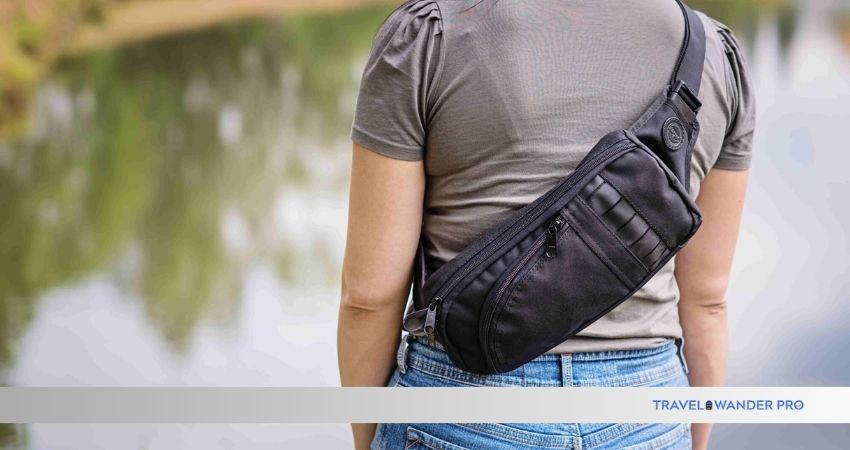
A sling bag is a single strap crossbody bag worn across the chest for easy access.
As a gear tester and frequent traveler, I’ve used sling bags for commuting, day trips, and city walks. This guide explains what a sling bag is, how to wear and use one, how to pick the right model, and real-world tips from my own tests so you can make smart choices and use a sling bag confidently.
What is a sling bag?
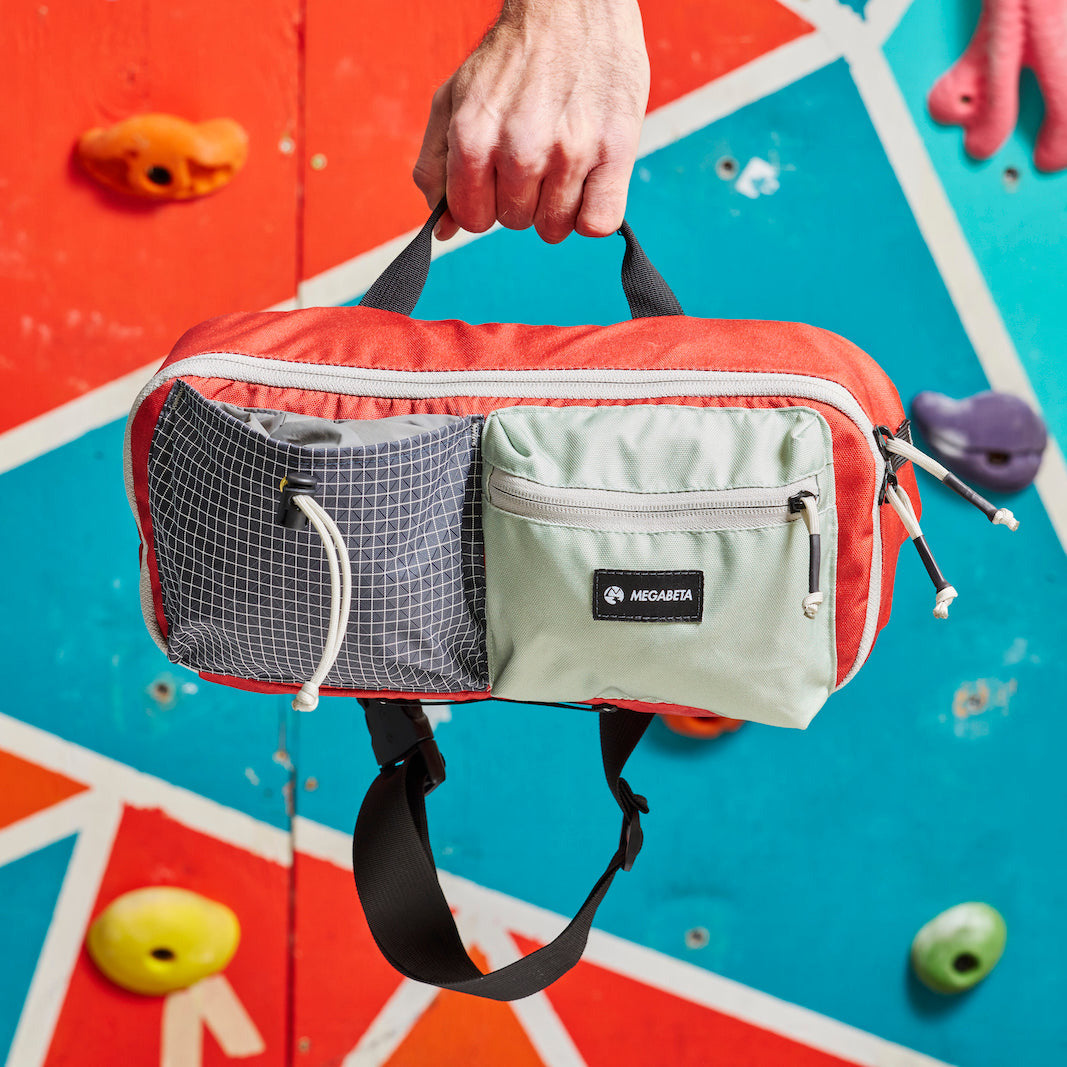
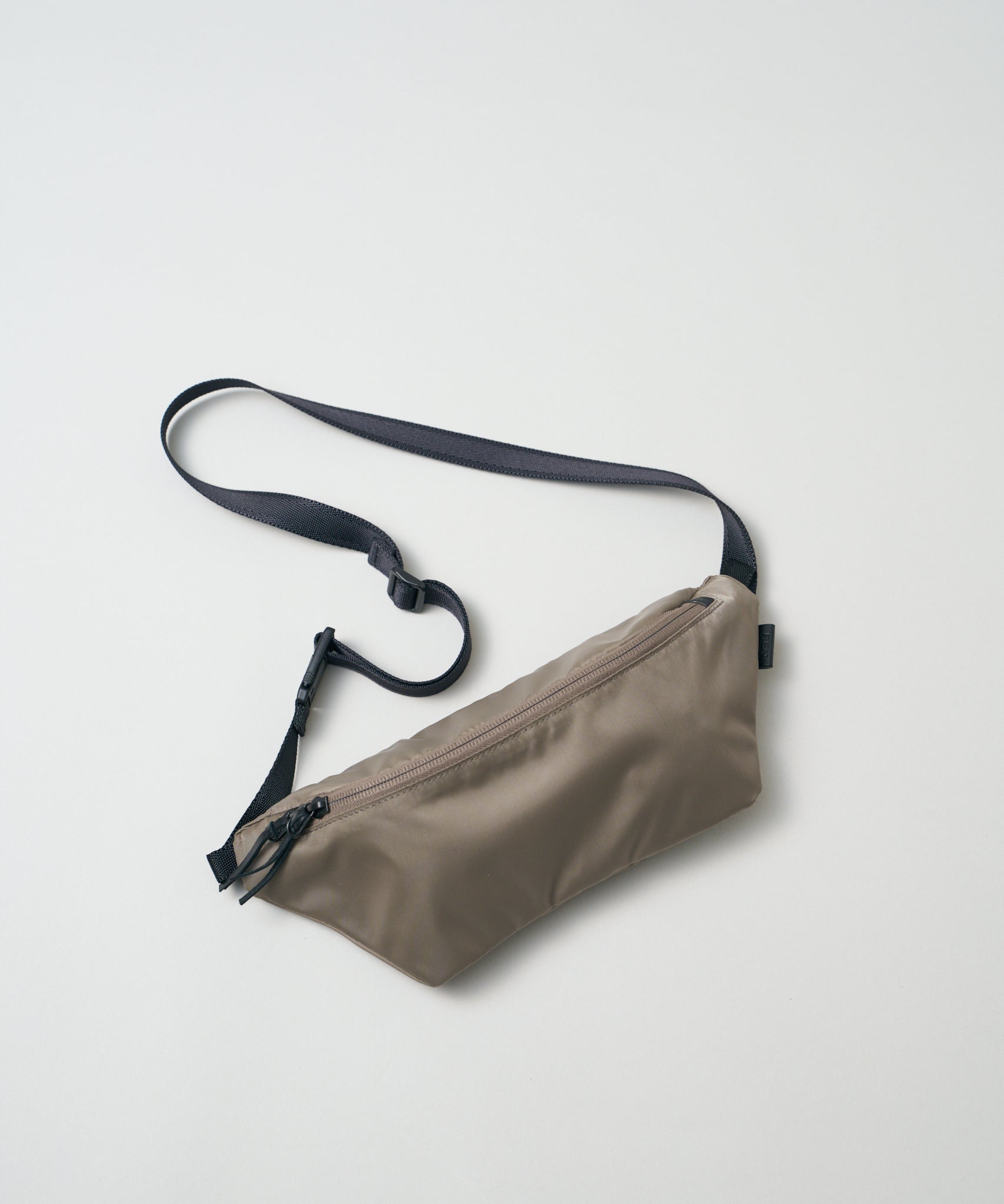
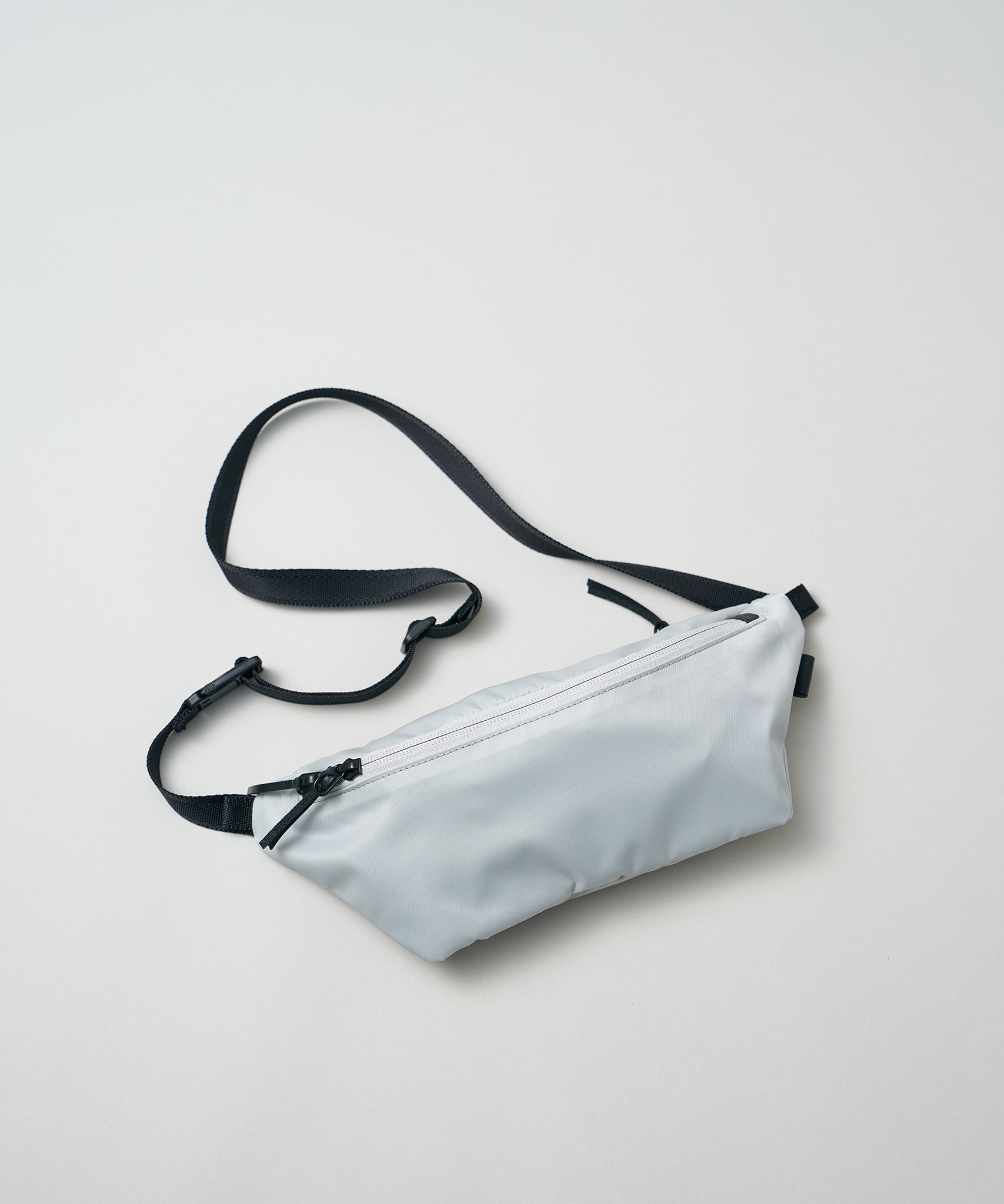
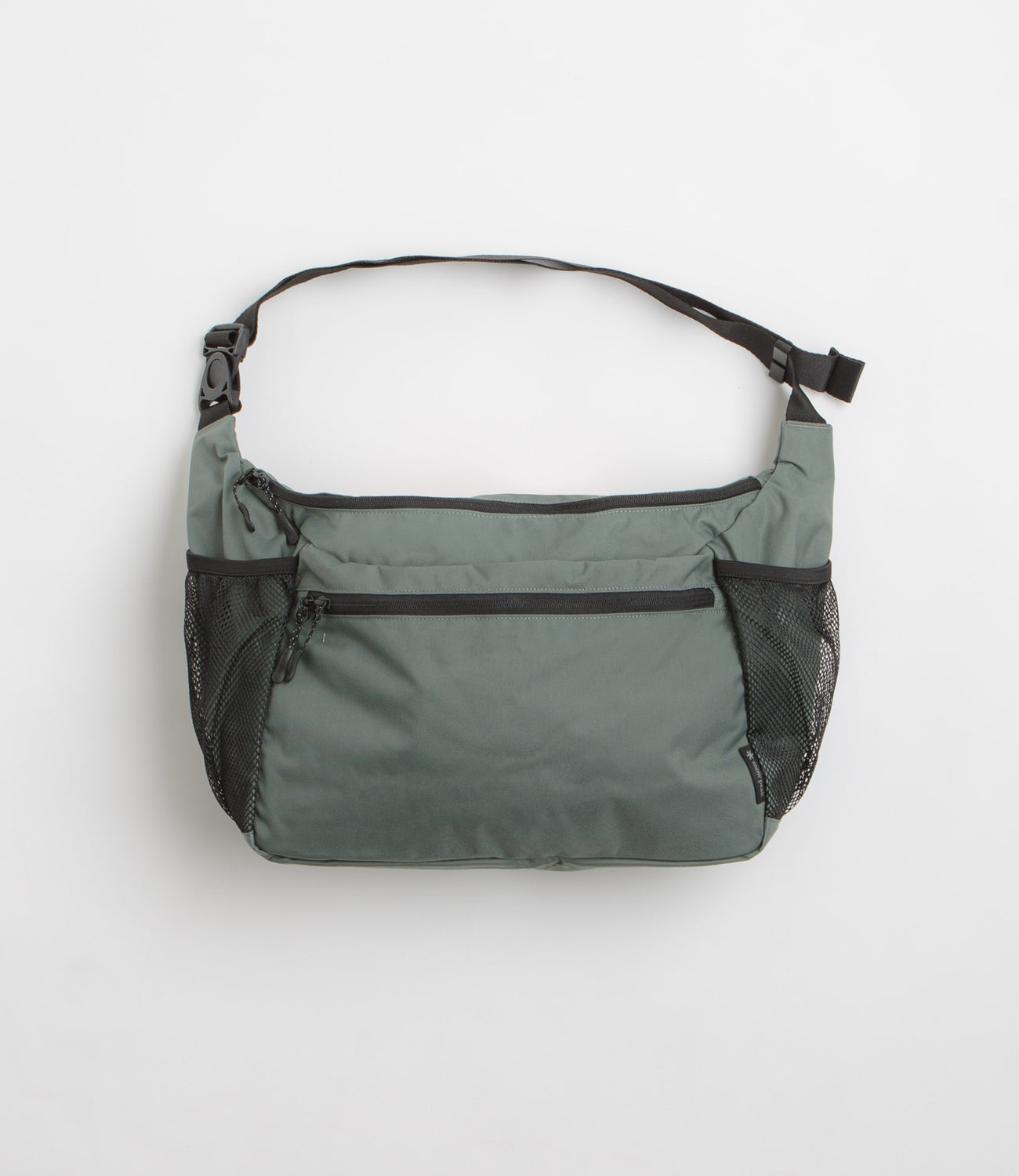
A sling bag is a compact bag with one strap designed to be worn over one shoulder and across the torso. Sling bags sit on your back or chest and offer faster access than a backpack. They range from tiny pouches for cards to roomier packs that hold a tablet, water bottle, and a light jacket.
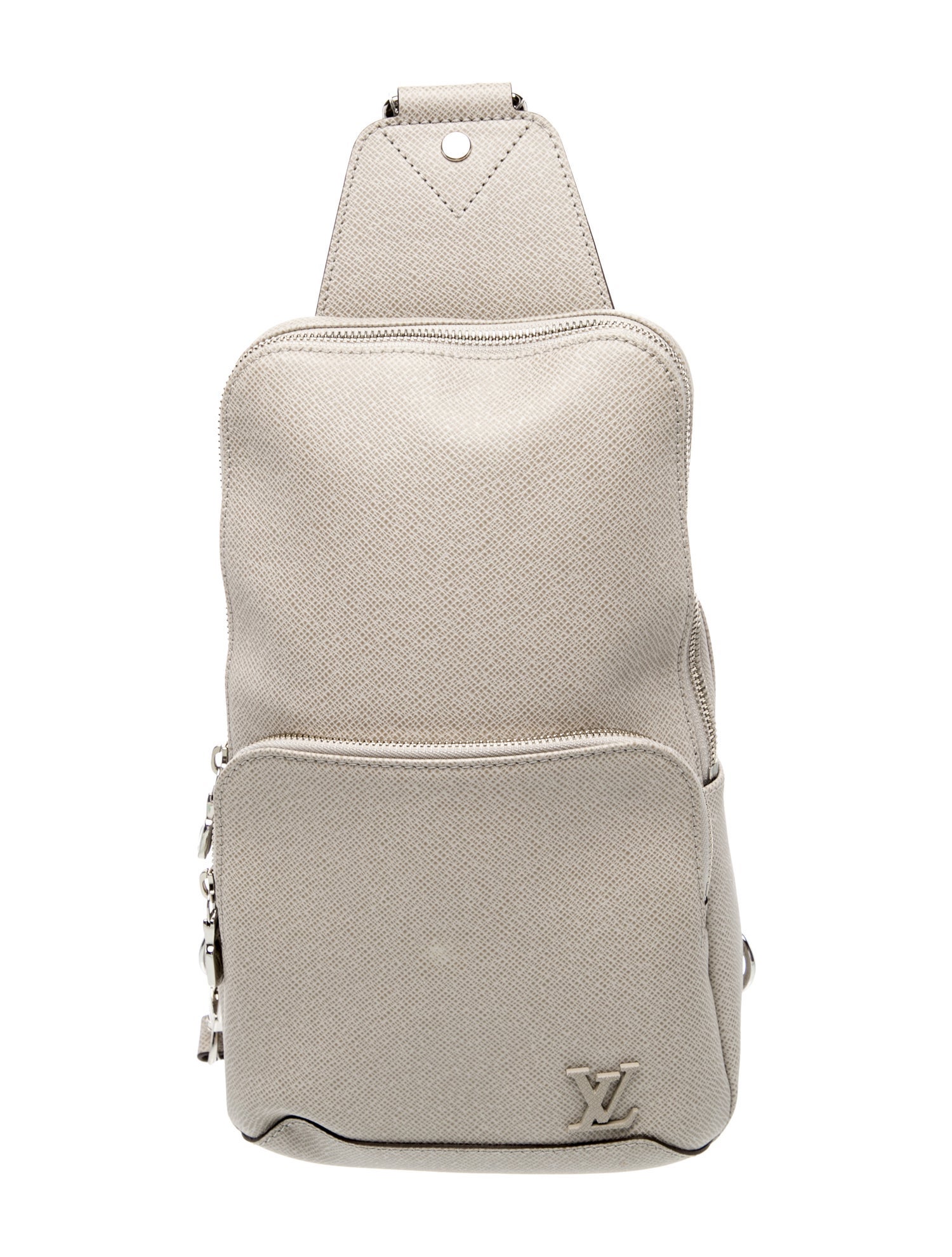
Sling bags share design features with messenger bags and crossbody bags, but they tend to be smaller and more form-fitting. Materials include nylon, canvas, leather, and ripstop fabrics. Typical features are a main compartment, internal pockets, quick-access zippers, and an adjustable strap.
Common sling bag types
- Urban sling bag: Sleek, low-profile for city use.
- Travel sling bag: Larger, with passport and anti-theft pockets.
- Outdoor sling bag: Weather-resistant, with hydration or tool pockets.
- Mini sling bag: For phones, wallets, and keys only.
Why people choose a sling bag
- Quick access to items.
- Light and less sweaty than backpacks.
- Stylish and versatile for many outfits.
- Good for crowded spaces where you want your bag visible.
How is a sling bag used?
Wearing styles
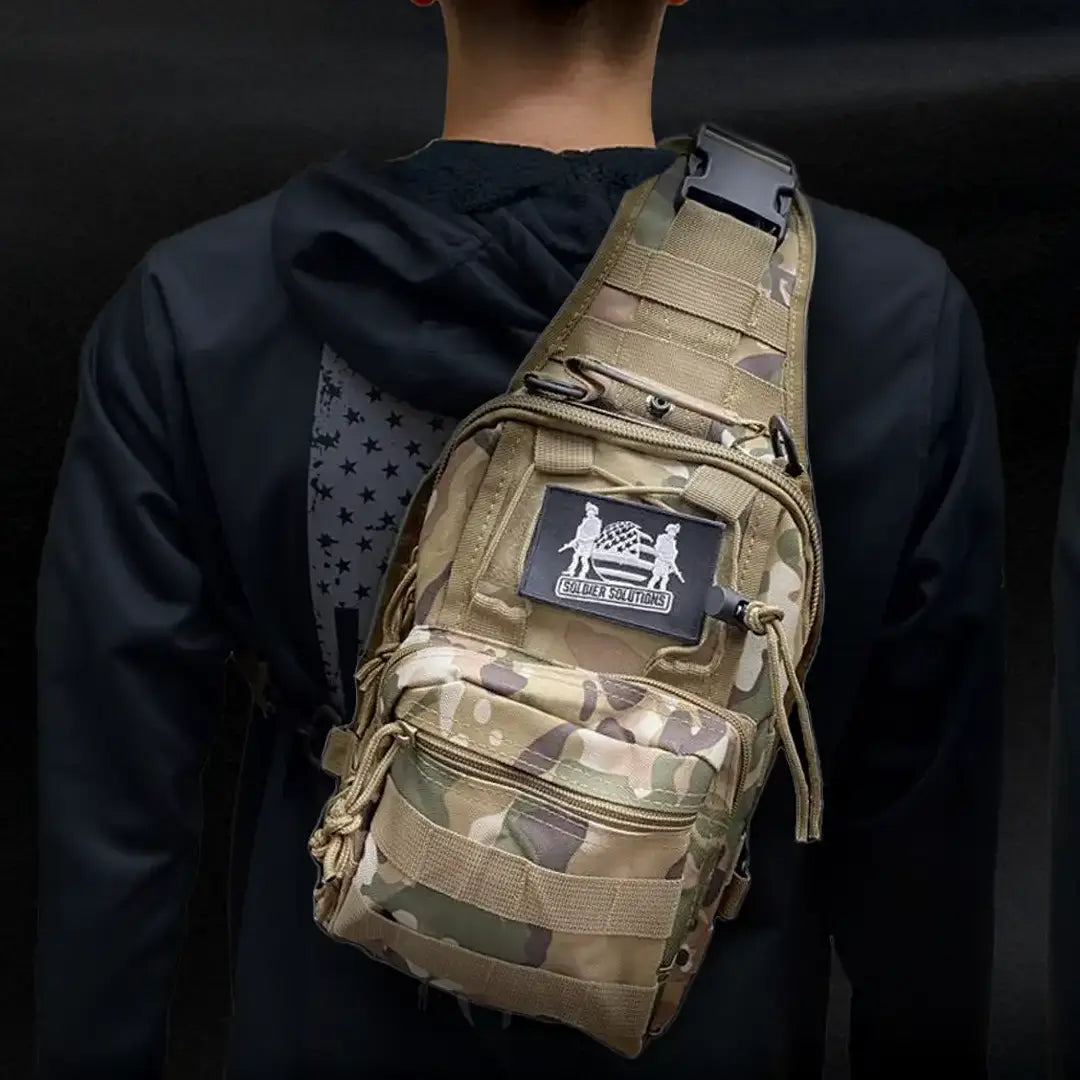
- Across the chest: Strap goes over one shoulder, and the bag sits on the opposite chest. This gives quick access and extra security.
- On the back: Strap worn the same way but bag rests on the back for less obstruction.
- Over one shoulder: Sling bag rests at your side. Simpler to put on and off, but less secure.
Everyday uses
- Commuting: Holds wallet, keys, phone, and small power bank. Sling bags free up your hands on transit and keep essentials reachable.
- Travel: Use a travel sling bag as a daypack for sightseeing. Keep passport and wallet in inner pockets for safety.
- Cycling and walking: A snug sling bag stays put and keeps your back ventilated.
- Errands and events: Sleek sling bags replace bulky totes for quick trips.
Practical tips for use
- Adjust the strap so the bag sits at your hip or chest for balance.
- If you ride a bike, wear the sling bag across your chest to avoid bounce.
- For airport security, place liquids in an outer pocket or remove electronics from a larger sling bag.
- Rotate which shoulder you use to avoid muscle strain.
People Also Ask (short answers)
Can a sling bag fit a tablet?
Yes. Many sling bags have a padded sleeve or compartment sized for tablets up to 10 inches. Check dimensions before buying.
Are sling bags secure against theft?
They can be secure if worn across the chest and if pockets have locking zippers or RFID protection. Anti-theft features add peace of mind.
Is a sling bag better than a backpack?
It depends on needs. A sling bag is lighter and more accessible. A backpack offers higher capacity and better weight distribution.
Benefits and limitations of a sling bag
Key benefits
- Easy access: Grab items quickly without taking the bag off.
- Compact and light: Minimal bulk and ideal for short outings.
- Stylish: Works with casual and urban outfits.
- Breathability: Less back coverage than backpacks, so cooler.
Limitations to consider
- Capacity limits: Not ideal for heavy loads or multi-day gear.
- Weight distribution: Uneven load can strain one shoulder if worn all day.
- Organization: Smaller bags have fewer compartments for separating items.
- Security: Side-zip models can be vulnerable in crowds unless worn front-facing.
When to choose a sling bag
- Short trips and daily commutes.
- City travel where quick access matters.
- When you want a minimalist carry solution.

How to choose the right sling bag
Decide size and capacity
- Pocket-sized: For only phone, wallet, and keys.
- Daypack-size: Fits water bottle, tablet, and light jacket.
- Travel-size: Room for passport, charger, and small camera.
Look at strap and fit
- Adjustable strap: For comfortable cross-chest wear.
- Padded strap: Adds comfort on longer walks.
- Quick-release buckle: Useful for removing the sling bag quickly.
Consider materials and build
- Nylon and ripstop: Lightweight and water-resistant.
- Canvas: Durable and casual-looking.
- Leather: Stylish and more formal, may be heavier.
Security and organization
- Internal zip pockets: Keep small items secure.
- Anti-theft zippers: Lockable designs help in crowded places.
- RFID pockets: Protect cards from digital skimming.
Testing before buying
- Try the sling bag with your usual items to test fit.
- Check strap length and how it sits while walking.
- Make sure zippers and buckles operate smoothly.
Care, maintenance, and longevity
Cleaning basics
- Nylon or canvas: Hand wash with mild soap and air dry.
- Leather: Use a leather cleaner and conditioner, avoid water.
- Hardware: Wipe buckles and zippers to prevent rust.
Storage tips
- Empty the sling bag and store it in a cool, dry place.
- Stuff with tissue paper to keep shape for long-term storage.
Simple fixes
- Replace a broken buckle with a compatible part.
- Sew small tears early to prevent bigger damage.
- Lubricate zippers carefully with a dry lubricant.
Sustainability considerations
- Choose durable materials to reduce replacement frequency.
- Repair rather than replace when possible.
- Look for brands offering recyclable or repairable designs.
Personal experience, lessons learned, and practical tips
My experience
I’ve used a sling bag daily for city commutes and weekend travel. A medium-size sling bag fits my phone, wallet, compact camera, and a paperback. Worn across the chest, it kept items safe and easy to reach while I navigated crowded streets.
Lessons learned
- Don’t overload: Heavy loads hurt one shoulder and make the sling bag uncomfortable.
- Use the front carry in crowded zones: It reduces pickpocket risk.
- Test strap placement: Small adjustments improve comfort a lot.
Mistakes to avoid
- Buying by looks only: Measure your essentials before purchase.
- Choosing a non-adjustable strap: It limits comfort and versatility.
- Ignoring weather resistance: A rainproof sling bag matters if you live somewhere wet.
Practical packing list for a day out in a sling bag
- Phone and charger.
- Wallet and keys.
- Small water bottle.
- Sunglasses and a lightweight mask or scarf.
- Compact umbrella if the bag is weather-resistant.
Frequently Asked Questions of What Is a Sling Bag and How Is It Used?
What is the difference between a sling bag and a crossbody bag?
A sling bag usually has a single strap and sits snugly against the body, often smaller than a crossbody. Crossbody bags can have longer straps and larger panels, but the terms are sometimes used interchangeably.
Can I use a sling bag for air travel?
Yes. A travel-sized sling bag is great for in-flight essentials and day trips. Keep important items in internal pockets for security.
How do I wear a sling bag for best comfort?
Wear it across the chest or back with the strap adjusted so the bag sits near your hip or lower chest. Change shoulders occasionally to avoid strain.
Are sling bags suitable for men and women?
Yes. Sling bags are unisex and come in styles that suit many tastes. Choose size and design based on your needs.
How much should I spend on a sling bag?
Quality sling bags can range from budget to premium. Spend more for durable materials, good zippers, and comfortable straps if you plan heavy use.
Conclusion
Sling bags are a versatile and convenient carry option for daily life, travel, and light outdoor use. They give fast access to essentials, reduce bulk, and add a stylish, practical layer to your routine. Try a sling bag for a week to see how it fits your habits, and pick one with the right size, strap, and security features for your needs. Share your sling bag experience below, subscribe for more gear guides, or leave a comment with questions.