Last Updated on August 9, 2026
Insulated bags keep food, drinks, and temperature-sensitive items cold or hot while you travel.
I’ve studied travel gear and tested insulated bags across road trips, flights, and beach days. This guide explains what insulated bags are used for in travel, how they work, when to choose one, and clear tips to get the best results. Read on to learn practical uses, safety limits, and smart packing moves so your food, meds, and snacks arrive safe and tasty.

What insulated bags are and how they work
Insulated bags are soft-sided or rigid carriers built to slow heat flow. They use layers like foam, foil, and fabric to trap cool or warm air. This keeps the inside temperature closer to what you pack, whether chilled drinks or hot meals.
Common types of insulated bags
- Soft cooler bags — lightweight and foldable for easy storage.
- Rigid hard-sided coolers — keep items cold longer but are heavier.
- Neoprene tote-style bags — flexible, good for single drinks or a lunch.
- Foil-lined zip bags — cheap, good for short trips or deliveries.
Key materials and their role
- Reflective foil — reflects radiant heat away.
- Foam insulation — slows conduction by trapping air pockets.
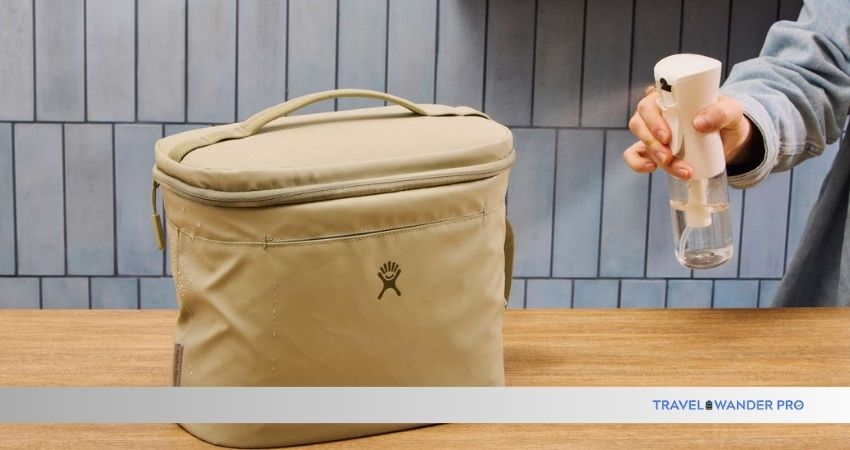
- Waterproof linings — prevent leaks and make cleaning easier.
My experience: a compact soft cooler saved a day trip after I forgot to pre-cool the car. A pre-chilled bag extended ice life and kept sandwiches safe for hours.

Why travelers use insulated bags
Insulated bags have many travel uses. They protect food, drinks, and sensitive items. They also add convenience and reduce waste.
Main reasons to carry insulated bags
- Keep perishable food safe on road trips and day hikes.
- Carry breast milk, baby food, or formula when flying or riding.
- Protect medication that needs steady cool temps, like insulin.
- Bring picnic meals, beach snacks, or cold drinks to outdoor stops.
- Transport groceries or local food purchases on the way home.
- Avoid single-use plastics by bringing reusable cold storage.
Real-life benefits
- Save money by packing meals instead of buying food on the road.
- Reduce stress when medicine needs a stable temperature.
- Extend the life of chocolate, cheese, and other heat-sensitive souvenirs.

Common travel scenarios and practical examples
Here are real travel uses and step-by-step examples.
Day trips and picnics
- Pack pre-chilled food and a gel ice pack.
- Use separate smaller pouches for drinks and sandwiches.
- Keep salads and dairy under 40°F for safety.
Flights and airports
- Carry liquids and frozen items per airline rules.
- Place breast milk, formula, or insulin in an insulated bag for screening.
- Use gel packs that meet TSA guidelines if traveling by plane.
Road trips and overnight travel
- Pre-chill the insulated bag in a fridge or freezer before loading.
- Replace melted ice with fresh packs at stops.
- Keep raw and ready-to-eat foods separated to avoid cross-contamination.
Camping and outdoor adventures
- Use rigid coolers for multi-day trips.
- Keep the bag shaded and out of direct sun.
- Use dry ice only with clear knowledge of safety and airline limits.
Train and bus travel
- Insulated bags are discreet and fit under seats.
- Use spill-proof containers to avoid leaks.
Packing tips that work every time
- Pre-chill the bag and containers.
- Use frozen water bottles as dual ice and drink.
- Pack an absorbent towel inside to catch condensation.

How to choose the right insulated bag for travel
Match the bag to your trip and items.
Size and capacity
- Choose a small tote for snacks and a mid-size cooler for day trips.
- For flights, pick a bag that fits under airline seat dimensions.
Insulation performance
- Look for thicker foam and reflective liners for longer cold retention.
- Test real-world performance: how long items stay under target temps.
Features to consider
- Leakproof lining for wet items.
- Easy-to-clean interiors.
- Strong zipper and comfortable straps.
- External pockets for utensils or ice packs.
Weight and packability
- Soft coolers fold flat for storage.
- Hard coolers give more time but add weight.
Sustainability and materials
- Choose recycled or durable materials to reduce landfill waste.
- Replace gel packs with frozen water bottles when possible.
:max_bytes(150000):strip_icc()/tal-product-yeti-hopper-flip-12-lydia-price-26-1-1-3dbd5d6d55f04c279313ef17c07e389c.jpeg)
Safe use, maintenance, and limits
Good habits keep food safe and the bag lasting longer.
Safety and time limits
- Use ice packs to keep items at safe temps. Perishable foods should not sit in the temperature “danger zone” for more than a few hours.
- Hot foods should be kept above 140°F when you need to preserve heat.
- Insulated bags slow temperature change — they do not refrigerate indefinitely.
Cleaning and storage
- Rinse the lining after use. Wipe with mild soap and water.
- Air-dry fully before storing to prevent mold and odors.
- Use baking soda or white vinegar to remove persistent smells.
Avoid these common mistakes
- Leaving an insulated bag in a hot car all day.
- Packing warm items without pre-heating the bag.
- Trusting ice alone without proper sealing and pre-chilling.
Legal and airline limits
- Know rules for dry ice and liquids when flying. Dry ice needs clear handling and may be limited on planes.
- Always declare medications you carry that need cooling.

Personal experience: lessons I learned on the road
I once drove four hours with a soft insulated bag full of groceries and gel packs. I made three key mistakes and learned from them.
- Mistake: I didn’t pre-chill the bag. Lesson: pre-chill the bag and containers to extend cold time.
- Mistake: I used small, warm ice packs. Lesson: freeze large bottles or full gel packs; they last longer.
- Mistake: I mixed raw and ready-to-eat foods. Lesson: always separate raw meat and use sealed containers.
A later trip fixed these issues. I pre-froze bottles, added absorbent liners, and kept raw meat in a sealed cooler. Food stayed safe and the bag stayed clean.

Quick PAA-style questions travelers ask
Can I bring insulated bags on a plane?
Yes. Most airlines allow insulated bags in carry-on or checked luggage, but follow size limits and security screening rules.
How long will an insulated bag keep food cold?
It depends on bag quality, ice packs, and outside heat. With good ice packs, many insulated bags keep food cold 4 to 12 hours.
Can I use dry ice inside an insulated bag?
Dry ice can be used but has special handling rules. Check airline or transport limits and ventilate the container; never seal it fully.

Frequently Asked Questions of What Are Insulated Bags Used for in Travel?
What kinds of food can I safely carry in insulated bags?
You can carry sandwiches, salads, dairy, cooked meats, and snacks. Use cold packs and sealed containers to keep perishable items safe.
Are insulated bags allowed through TSA security?
Yes, but contents are screened. Gel packs and frozen items may be inspected; declare medications if needed.
How do I keep medication like insulin cold during travel?
Pack medications with approved cold packs in an insulated bag and carry them in your hand luggage. Keep a doctor’s note and original packaging when possible.
How do I clean and dry an insulated bag after use?
Wipe the interior with mild soap and warm water, rinse, and air-dry fully. For odors, use a baking soda paste or a vinegar spray before rinsing.
Can insulated bags keep food hot?
Yes. Insulated bags also work to retain heat for short periods. Preheat the bag with warm packs and use well-sealed containers to keep food hot.
Conclusion
Insulated bags are a simple, low-cost travel tool that keeps food, drinks, and temperature-sensitive items safe and fresh. Choose the right size and type, pre-chill or pre-heat as needed, and follow safe packing and cleaning habits. Try using a frozen water bottle or gel pack on your next trip to test the difference — you’ll cut costs and stress while keeping supplies safe. If you found these tips helpful, subscribe for more travel gear advice or share your insulated bag stories in the comments.