Last Updated on August 9, 2026
Choosing the right travel backpack can make all the difference on your adventures. But have you ever stopped to think about what materials will keep your gear safe, comfortable, and lasting for years?
Picking the best material isn’t just about looks—it affects weight, durability, water resistance, and even how easy it is to carry. You’ll discover which materials stand out and why they matter for your next trip. Keep reading to find out how to make your backpack work as hard as you do.
Durable Fabrics For Travel Backpacks
Choosing the right fabric is key for a travel backpack’s durability. The material must handle rough use, weather, and heavy loads. Strong fabrics keep your backpack looking good and lasting longer. This section covers the best durable fabrics for travel backpacks.
Nylon Variants And Their Strength
Nylon is a popular choice for travel backpacks. It is tough and resists tears and abrasions. Variants like ripstop nylon add extra strength with a grid pattern. These fabrics can handle heavy weights and rough surfaces without damage. Nylon also dries quickly, making it good for wet conditions.
Polyester Benefits And Drawbacks
Polyester is cheaper than nylon but still fairly strong. It resists stretching and shrinking well. This fabric works well in sunlight without fading quickly. Polyester backpacks are lighter and dry fast. The main downside is polyester is less tear-resistant than nylon. It can wear out faster with heavy use.
Canvas And Its Classic Appeal
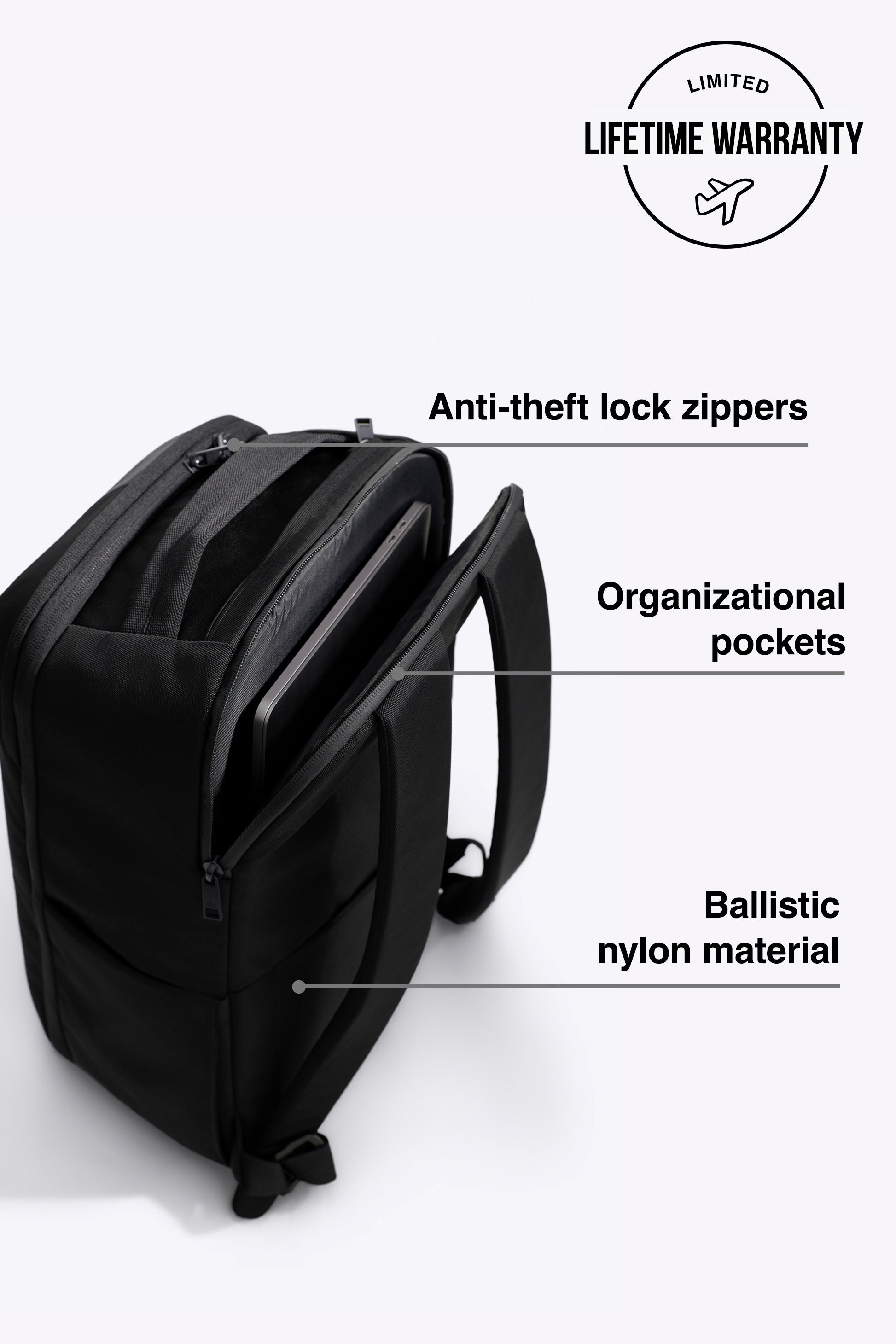
Canvas is a thick, woven fabric often made of cotton. It looks classic and stylish. Canvas is very durable and can last many years. It handles rough use and heavy loads well. This fabric can absorb water but often has a protective coating. Canvas backpacks feel heavier but offer great toughness.
Credit: eu.beistravel.com
Water Resistance And Weatherproofing
Choosing a travel backpack with good water resistance and weatherproofing is important. It protects your belongings from rain, splashes, and damp environments. Quality materials and coatings make a big difference in keeping things dry during your trips. Understanding how these materials work helps you pick the right backpack for your adventures.
Coatings And Laminates Explained
Coatings add a thin protective layer to fabric surfaces. They stop water from soaking through the material. Common coatings include polyurethane (PU) and silicone. Laminates are thin sheets bonded to fabric. They create a strong barrier against water and wind. These layers keep moisture out but let air pass through. Backpacks with coatings or laminates last longer in wet conditions.
Material Choices For Rain Protection
Nylon and polyester are popular for travel backpacks. Both resist water well, especially when coated. Ripstop nylon is tough and prevents tears. Polyester dries quickly and holds color better. Some bags use heavier materials like canvas with waterproof treatments. This gives extra protection but adds weight. The best choice depends on your travel style and weather needs.
Breathability Vs. Waterproofing
Waterproof materials block water completely but can trap sweat inside. Breathable fabrics let moisture escape but may allow some water in. A balance between these helps keep you dry and comfortable. Mesh panels and vents improve airflow. Look for backpacks that combine waterproof fabric with good ventilation. This keeps your gear safe without making the bag feel hot or sticky.
Comfort And Weight Considerations
Comfort and weight are key factors for travel backpacks. A heavy bag can tire you quickly. A comfortable backpack makes long trips easier. Choosing the right materials helps reduce weight and improve comfort. This section explains what features to look for.
Lightweight Materials For Easy Carry
Lightweight fabrics reduce the overall load. Nylon and polyester are common choices. They are strong but light. Ripstop nylon resists tears and rips. Some backpacks use mesh panels to lower weight. Less weight means less strain on your back.
Padding And Support Features
Padded straps protect your shoulders from pressure. Look for wide, cushioned shoulder straps. A padded back panel adds comfort. Ventilated padding helps air flow and reduces sweat. Hip belts transfer weight from shoulders to hips. This support prevents pain during long walks.
Balancing Durability With Comfort
Durable materials last longer and resist damage. Heavy fabrics can be tough but add weight. Find a balance between strong fabric and light weight. Reinforced stitching improves strength without extra bulk. Quality zippers and hardware also matter. A well-made bag stays comfortable and lasts on many trips.

Credit: www.outdoorgearlab.com
Credit: garmin-co.com
Frequently Asked Questions
What Fabrics Are Most Durable For Travel Backpacks?
Nylon and polyester are the most durable fabrics for backpacks. They resist tears and wear well over time. Both materials handle rough conditions and heavy loads effectively.
Which Material Is Best For Water-resistant Backpacks?
Ripstop nylon and coated polyester offer excellent water resistance. These materials keep your gear dry in light rain. Look for backpacks with waterproof zippers for extra protection.
Are Leather Backpacks Suitable For Traveling?
Leather backpacks look stylish but are less practical for travel. They are heavier and can absorb water easily. Best for light use or urban travel, not rough outdoor trips.
How Does The Backpack Material Affect Weight?
Light fabrics like nylon and polyester keep backpacks light. Heavier materials like leather add weight and bulk. Choose materials based on your travel needs and comfort.
Conclusion
Choosing the right material makes your backpack last longer. Nylon and polyester are strong and light. Canvas feels tough but can be heavy. Consider water resistance for rainy trips. Think about how you will use the backpack. Comfort and durability matter most on the road.
The best material fits your travel style. Pick a backpack that works for your needs. Travel smart and pack with care. Your perfect backpack waits for your next adventure.