Last Updated on August 24, 2026
Traveling should be exciting, not stressful. But if you’re worried about losing your money or having it stolen, that fear can take away from your experience.
You deserve to enjoy every moment without constantly checking your wallet or bank account. What if you could keep your money safe with simple, smart steps? You’ll discover easy and effective ways to protect your cash and cards while you’re on the move.
By the end, you’ll feel confident and ready to focus on what really matters—making memories. Keep reading to learn how to travel worry-free and keep your money secure.
Secure Your Wallet And Cards
Keeping your wallet and cards safe during travel is very important. Thieves often target wallets and cards because they hold money and personal information. Taking simple steps to protect these items can save you from many problems while traveling. Stay alert and prepared to keep your money safe.
Use Rfid-blocking Accessories
Many credit cards have RFID chips that store your data. Thieves use special scanners to steal this information. RFID-blocking wallets or sleeves stop these scanners from reading your cards. They are small, light, and easy to carry. Using these accessories adds a strong layer of protection.
Carry Minimal Cash
Only carry the cash you need for daily expenses. Carrying a lot of cash makes you a target for theft. Use cards for most purchases instead of cash. Keep the rest of your money in a secure place. This reduces the risk of losing large amounts of money.
Separate Cards And Cash
Keep your cash and cards in different places. If you lose one, you still have backup money. For example, keep some cash in your wallet and some in your bag. Carry some cards in your wallet and others in a separate pocket. This simple step helps you stay prepared for emergencies.
Credit: www.gadgetreview.com
Protect Your Digital Finances
Protecting your digital finances is vital while traveling. Thieves target online accounts and payment apps. Taking simple steps can stop many threats. Stay alert and keep your money safe.
Enable Two-factor Authentication
Two-factor authentication adds an extra security step. It requires a code sent to your phone or email. This makes it harder for hackers to access accounts. Turn on two-factor authentication for banking and payment apps. It adds strong protection against online theft.
Use Trusted Wi-fi Networks
Avoid public Wi-Fi for financial transactions. Public networks often lack security and invite hackers. Use only trusted or private Wi-Fi when checking accounts. Consider using a virtual private network (VPN) for extra safety. This keeps your data encrypted and private.
Monitor Transactions Regularly
Check your bank and credit card statements daily. Look for any unusual or unauthorized charges quickly. Early detection helps stop fraud before it grows. Set up alerts to get notifications of transactions. Stay proactive to protect your money while traveling.
Stay Vigilant In Public Places
Staying alert in public places helps protect your money and personal items. Crowded spots can hide pickpockets and scammers. Knowing what to watch for keeps your travel funds safe. Staying calm and aware gives you the upper hand.
Avoid Flashing Valuables
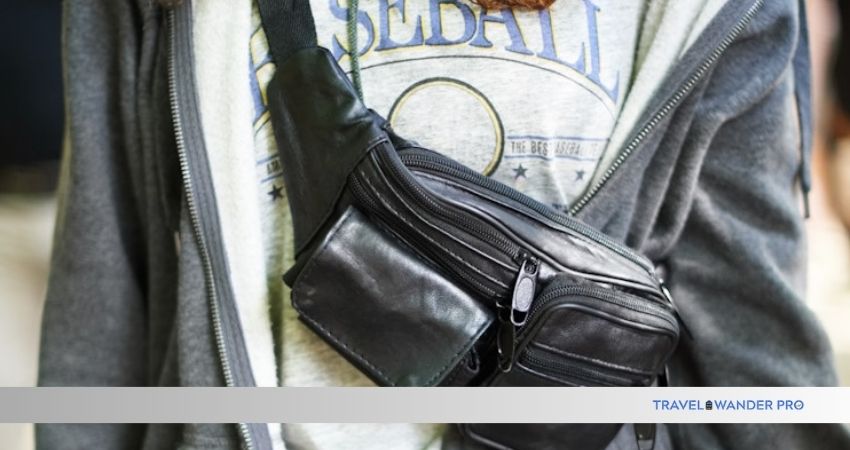
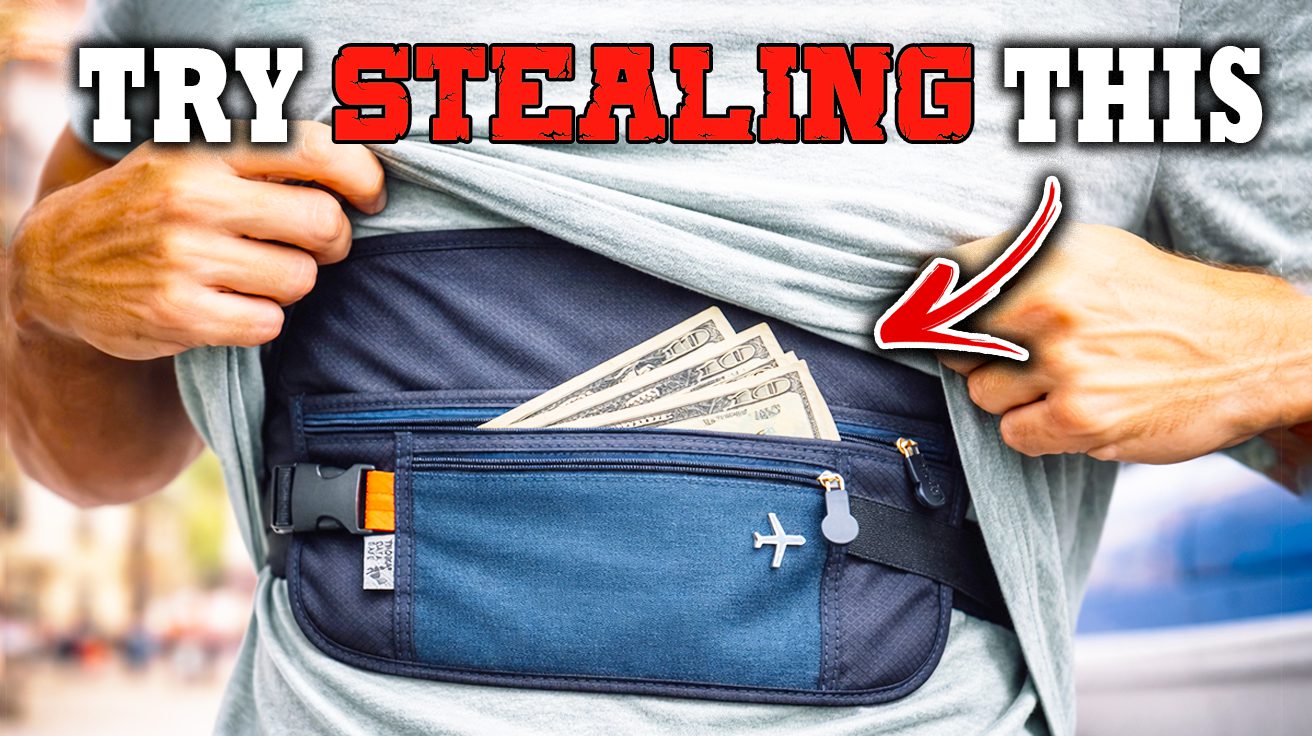
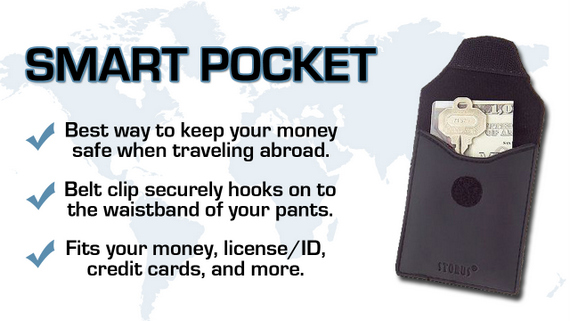
Keep cash and cards out of sight. Don’t show expensive phones or jewelry openly. Flashing valuables invites thieves to target you. Use a money belt or hidden pouch to store money. Pull out cash only when needed. Being discreet lowers the chance of theft.
Be Aware Of Common Scams
Scammers often trick travelers in busy areas. Watch for distractions like someone bumping into you. Beware of fake officials asking for money or personal info. Avoid deals that seem too good to be true. Trust your instincts if something feels off. Learning common tricks helps you stay safe.
Keep Emergency Contacts Handy
Store local emergency numbers on your phone and a paper copy. Include contacts for your bank and embassy. Quick access to help can save time and stress. Share your location with a trusted friend or family member. Preparedness helps you respond fast to problems.

Credit: www.youtube.com
Credit: www.pausethemoment.com
Frequently Asked Questions
How Can I Protect My Cash While Traveling Abroad?
Keep cash in multiple places like a money belt and hidden pockets. Avoid flashing large amounts of money in public areas. Use ATMs inside banks for safer withdrawals.
What Are The Safest Ways To Carry Travel Cards?
Use RFID-blocking wallets to protect cards from electronic theft. Carry only essential cards and keep backups separately. Notify your bank about your travel dates.
How Do I Avoid Theft In Crowded Tourist Spots?
Stay alert and keep your belongings close. Use bags with zippers and wear them in front. Avoid distractions like using your phone in busy places.
Is It Safe To Use Public Wi-fi For Online Banking?
Avoid public Wi-Fi for banking or shopping. Use a personal hotspot or VPN for secure connections. Always log out after transactions.
What Should I Do If My Wallet Or Cards Get Stolen?
Report the theft to local authorities and your bank immediately. Freeze or cancel your cards to prevent misuse. Keep emergency cash and backup cards handy.
Conclusion
Traveling is fun but keeping money safe is key. Carry only what you need each day. Use secure bags and keep cash in different places. Always watch your cards and check your bank alerts. Avoid showing large amounts of money in public.
Plan ahead and stay aware of your surroundings. Smart habits protect your funds and reduce stress. Enjoy your trip with peace of mind. Stay safe, stay smart, and travel happily.